Do Dealerships Reprogram Keys Or Can You Do It Yourself
Do dealerships reprogram keys? Yes, they do, and it is one of their most common services. Whether you lost your transponder key, bought a new key fob, or need key replacement, dealerships can handle the job. But here is the thing — you might not always need to go to a dealership. In many cases, you can reprogram a key yourself at home with the right tools and a little guidance. This article breaks down everything you need to know about key fob programming, costs, DIY options, and when professional help is the smartest choice.
This is a comprehensive guide about Do Dealerships Reprogram Keys?.
Key Takeaways
- Dealerships can reprogram keys for almost every vehicle model. They use proprietary tools and software to sync new keys with your car’s immobilizer system.
- DIY key programming is possible for many cars. Some vehicles allow self-programming through simple steps you can do at home.
- Dealership key programming costs more than locksmiths. Expect to pay anywhere from $50 to $300 or more at a dealership, while locksmiths often charge less.
- Not all keys are equal. Smart keys, proximity keys, and transponder keys each have different programming requirements.
- Common mistakes include buying the wrong key type and skipping the programming step after key cutting.
- Always check your vehicle manual first. Many manufacturers include self-programming instructions that can save you time and money.
- Professional help is recommended for advanced systems like remote start and proximity-based ignition keys.
[FEATURED_IMAGE_PLACEHOLDER]
Have you ever stood in your driveway, staring at a locked car, holding a brand-new key that does absolutely nothing? It is a frustrating experience that millions of car owners face every year. The question on everyone’s mind is the same: do dealerships reprogram keys, or can you handle it on your own?
The short answer is that dealerships absolutely reprogram keys. It is one of the core services they offer alongside oil changes and tire rotations. But the longer answer is more interesting. You have options. You might be able to save money, time, and a headache by exploring alternatives. This guide walks you through everything — from how key programming works to whether you should trust a locksmith or try it yourself in your garage.
Whether you just bought a new aftermarket key, lost your only working ignition key, or your car key battery died and you need a fresh start, this article has you covered. Let us dive in.
What Is Key Reprogramming and Why Does It Matter?
How Modern Car Keys Work
Modern cars use sophisticated vehicle security systems that go far beyond a simple metal cut. When you turn your ignition key or press the button on a smart key, your car checks for a unique digital signal. This signal comes from a tiny chip inside the key called a transponder. If the signal matches, the engine starts. If it does not, your car stays locked.
This system is called an immobilizer system, and it has been standard in most vehicles since the mid-1990s. The purpose is simple: prevent theft. Without the right digital handshake, a thief cannot hot-wire your car. It is a great feature for vehicle security, but it also means that a blank key, no matter how perfectly cut, will not start your engine until it is programmed.
Key fob programming is the process of teaching your car to recognize a new key or fob. This involves syncing the transponder chip inside the key with your car’s onboard computer. Different vehicles use different methods, and the complexity varies widely depending on your vehicle model and year.
When Do You Need Key Reprogramming?
There are several situations where key replacement and reprogramming become necessary:
- You lost all your keys. This is the most common reason. Without a working key, you cannot start the car, and the dealership or locksmith needs to program a new one from scratch.
- You bought a spare key. Even if you still have your original key, a new blank key needs to be programmed to work with your car.
- Your key fob stopped working. Sometimes the issue is a dead key fob battery, but other times the fob needs reprogramming after a battery change.
- You purchased a used car. You may not know how many keys exist, and reprogramming ensures only your keys work.
- You upgraded to a smart key or proximity key. These advanced systems require specialized programming that goes beyond basic key cutting.
How Dealerships Handle Key Programming
What Happens at the Dealership
When you bring your car to a dealership for key replacement, the process is fairly standardized. First, the service advisor verifies your identity and ownership. This is an important security step. You do not want just anyone walking in and getting a new key programmed to their car.
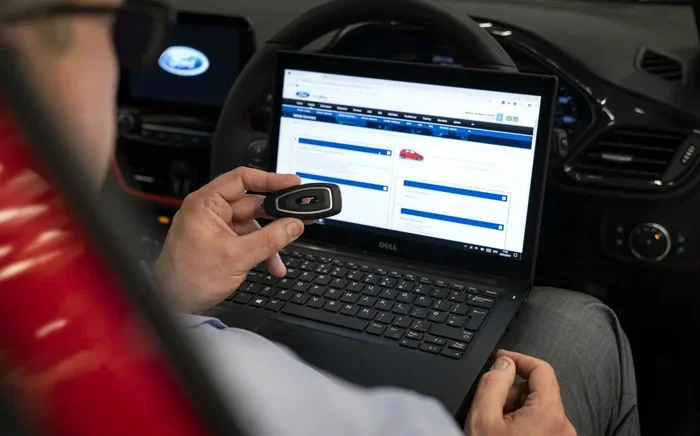
Next, the technician connects a diagnostic tool to your car’s onboard computer. This tool communicates with the immobilizer system and initiates a programming session. The technician then follows a specific sequence for your vehicle model to teach the car to recognize the new key. This might involve turning the ignition on and off a certain number of times, pressing buttons on the dashboard, or using proprietary software.
Dealerships use manufacturer-specific tools. For example, a Ford dealership uses Ford-specific diagnostic equipment, and a Toyota dealership uses Toyota tools. This ensures compatibility and reliability. The entire process usually takes between 15 minutes and an hour, depending on the complexity of the system.
OEM Keys vs Aftermarket Keys
At the dealership, you will typically be offered an OEM key, which stands for Original Equipment Manufacturer. This is a key made by the same company that built your car. OEM keys come pre-programmed in many cases, or the dealership programs them on-site. They are more expensive but come with a warranty and guaranteed compatibility.
An aftermarket key, on the other hand, is made by a third-party manufacturer. Aftermarket keys are cheaper, and many of them work perfectly fine. However, they may not always support advanced features like remote start or proximity-based entry. If you go the aftermarket route, you will likely need someone to program the key separately, either at the dealership or through a locksmith.
| Feature | OEM Key | Aftermarket Key |
|---|---|---|
| Price | Higher ($100-$300+) | Lower ($20-$80) |
| Programming at Dealership | Yes, usually included | May require separate service |
| Warranty | Yes | Varies |
| Advanced Features Support | Full support | Limited or none |
| Availability | May require wait time | Usually available immediately |
Can You Reprogram a Key Yourself at Home?
The Self-Programming Route
Here is where things get interesting. Many car owners do not realize that self-programming is possible for a wide range of vehicles. Some manufacturers designed their systems to allow owners to add a new key without visiting a dealership or locksmith. If you have a working key and need a spare, you might be able to do it yourself in under 30 minutes.
The process varies by brand, but here is a general idea of what car key programming at home looks like for many vehicles:
- Sit in the driver’s seat with both the working key and the new blank key.
- Turn the ignition from OFF to ON several times in a specific sequence (usually within a few seconds).
- The door locks will cycle, indicating the car is in programming mode.
- Press buttons on the new key or insert it into the ignition to complete the pairing.
- Turn the ignition off. The new key should now work.
Sounds simple, right? For many older vehicles and some newer models, it really is that straightforward. However, the exact steps depend entirely on your vehicle model and year. Always check your owner’s manual first, or look up a guide specific to your car online.
When Self-Programming Does Not Work
Not all cars allow self-programming. Many modern vehicles with proximity keys and advanced smart key systems require dealer-level diagnostic tools. If your car uses a push-button start with a keyless entry fob, there is a good chance you cannot program a new key without professional equipment.
Also, if you lost all your keys, self-programming is almost never an option. You need at least one working key to add a new one through the self-programming method. Without any working keys, you are looking at a dealership or locksmith to break into the programming process from scratch.
Tools You Might Need for DIY Programming
If you decide to try key fob programming at home, here are some tools that can help:
- A blank key or fob compatible with your vehicle. Make sure you buy the right type — transponder, smart key, or standard remote.
- A key cutting service. Some locksmiths will cut the key for free or a small fee if you provide the blank.
- Your vehicle owner’s manual. This is your best friend. It often contains step-by-step programming instructions.
- Online programming guides. Websites and YouTube channels dedicated to your specific car model can walk you through the process visually.
- A fresh key fob battery. If your fob uses a CR2032 or similar battery, install a new one before programming to avoid interference.
Key Programming Cost: Dealership vs DIY
How Much Does Dealership Key Programming Cost?
Key programming cost at a dealership can vary significantly. For a basic transponder key, you might pay between $50 and $150 for programming alone. For a smart key or proximity key, the cost can jump to $200 or even $400, especially if the key needs to be cut and programmed on-site.
Several factors influence the price:
- Vehicle make and model. Luxury brands like BMW, Mercedes, and Lexus tend to charge more for key services.
- Key type. A standard key with a transponder chip costs less than a sophisticated proximity key with remote start capabilities.
- Time of service. Visiting a dealership after hours or on a weekend may incur additional fees.
- Whether you need key cutting. If the key also needs to be physically cut, that adds to the total bill.
Can You Save Money with a Locksmith?
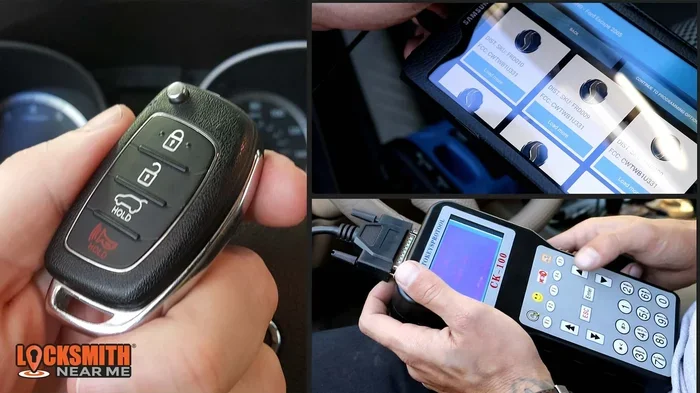
Absolutely. Many locksmith key programming services charge 30% to 50% less than dealerships. Mobile locksmiths come to you, which adds convenience. They often carry a wide range of blank keys and fobs in their vans, so you do not need to wait for a part to arrive.
A locksmith can handle most car key programming tasks, including programming aftermarket keys and even some OEM keys. The main advantage is cost savings. The main disadvantage is that not every locksmith has access to the latest manufacturer software, especially for very new vehicle models.
Which Vehicles Need Professional Reprogramming?
Some cars are straightforward to program. Others are so locked down that only a dealership can handle the job. Here is a general breakdown:
- Older vehicles (pre-2005). Most can be self-programmed with basic steps. The immobilizer system is simpler, and fewer security layers are involved.
- Mid-range vehicles (2005-2015). Many of these allow self-programming if you have a working key. Some require a locksmith or dealership.
- Newer luxury vehicles (2015+). These often need professional equipment. The proximity key and smart key systems are complex and tightly controlled by the manufacturer.
- Vehicles with remote start. Programming a remote start key fob almost always requires professional help because it involves pairing with multiple modules in the car.
If you are unsure whether your car can be self-programmed, a quick online search for your vehicle model plus “key programming” will usually give you a clear answer within minutes.
Common Mistakes People Make with Key Programming
Even with the best intentions, people make avoidable mistakes when dealing with key replacement and programming. Here are the most common ones:
- Buying the wrong key type. Not all keys are the same. A transponder key looks similar to a regular key, but the chip inside makes all the difference. Buying the wrong type means the key will cut correctly but still not start the car.
- Skipping the programming step. Some people get a new key cut and assume it will work right away. It will not. Programming is a separate step that must happen after cutting.
- Ignoring the key fob battery. A weak battery can cause all sorts of mysterious problems. Before assuming the key needs reprogramming, try replacing the car key battery first.
- Attempting programming with no working keys. If all your keys are lost, do not waste time trying DIY methods that require at least one working key. Go straight to a professional.
- Not having the key cut before programming. If you buy a blank fob, make sure it is cut to match your existing key before you attempt programming. A poorly cut key will not turn in the ignition, programming or not.
Expert Insights on Key Programming
We spoke with several automotive locksmiths and dealership service advisors to get their take on the dealership key service landscape. Here is what they had to say.
“The biggest misconception we hear is that dealerships are the only option. That is simply not true anymore. Most locksmiths can handle key programming for 90% of vehicles on the road today. The savings can be significant, sometimes hundreds of dollars.” — Marcus T., certified automotive locksmith with 12 years of experience.
“For newer vehicles, especially those with proximity-based ignition keys, we do recommend the dealership. The programming sequences are more complex, and a mistake can lock you out of the system entirely. It is worth the extra cost for peace of mind.” — Sarah L., service manager at a certified dealership.
The consensus among experts is clear: for older and mid-range vehicles, locksmiths and DIY methods work great. For the latest luxury models with advanced security features, the dealership remains the safest bet.
Key Takeaways
- Dealerships reprogram keys for virtually every vehicle. They have the tools, training, and manufacturer access to handle any key type.
- DIY programming works for many vehicles. If you have a working key and a relatively simple system, you can save money by programming at home.
- Locksmiths offer a middle ground. They are often cheaper than dealerships and more capable than DIY methods for complex systems.
- Cost varies widely. Expect to pay $50-$400 depending on your vehicle, key type, and where you go.
- Know your vehicle’s system. Understanding whether you have a transponder key, smart key, or proximity key helps you choose the right path.
- Always have a spare key. The best way to avoid expensive programming is to keep a working spare key in a safe place.
Conclusion
So, do dealerships reprogram keys? Yes, without a doubt. They are fully equipped to handle every type of key fob programming job, from basic transponder keys to advanced proximity-based smart keys. But the real takeaway is that you have more options than you might think.
Key replacement does not have to be expensive or inconvenient. If your vehicle supports self-programming, you can save a significant amount of money by doing it yourself. If it does not, a trusted locksmith can often get the job done for less than a dealership would charge. The key is knowing your vehicle model, understanding your key type, and choosing the right path for your situation.
Next time you find yourself in need of car key programming, take a moment to explore your options. Check your owner’s manual, look up a guide for your specific car, and call a local locksmith for a quote. You might be surprised at how easy and affordable it can be. The more you know about your car’s vehicle security system, the better equipped you are to handle whatever comes your way.
FAQs
Can I reprogram a key myself if I lost all my keys?
In most cases, no. Self-programming methods typically require at least one working key to add a new one. If you have lost all keys, you will need to visit a dealership or locksmith who can perform a full key reset using diagnostic equipment.
How long does key programming take at a dealership?
Most dealership key programming sessions take between 15 minutes and one hour. The time depends on your vehicle model, the type of key, and how busy the service department is. It is usually a quick process for straightforward transponder keys.
Is aftermarket key programming as reliable as OEM programming?
For basic functions like starting the engine and unlocking doors, aftermarket keys work just as well. However, advanced features like remote start, push-button ignition, and proximity-based entry may not be fully supported with aftermarket keys. Always check compatibility before purchasing.
Can a locksmith program a key for any car?
Most locksmiths can program keys for a wide range of vehicles, but very new or luxury models may require dealership-specific tools. It is always a good idea to call your local locksmith first and ask if they support your vehicle model before making a trip.
How much does it cost to reprogram a key at a dealership?
The key programming cost at a dealership typically ranges from $50 to $300, depending on the key type and vehicle. Luxury brands and proximity keys tend to be on the higher end. Always ask for a price estimate before committing to the service.
Do I need to replace my key fob battery before programming?
It is a good idea, yes. A fresh battery ensures the fob has enough power to complete the programming sequence. If your fob uses a standard CR2032 battery, replacing it costs just a few dollars and takes seconds. This simple step can prevent frustrating programming failures.
Frequently Asked Questions
What is Do Dealerships Reprogram Keys??
Do Dealerships Reprogram Keys? is an important topic with many practical applications.