Can I Drive My Toyota Without a Catalytic Converter
Yes, you technically can drive your Toyota without a catalytic converter, but doing so comes with serious risks. Your engine may run poorly, you will likely fail emissions tests, and removing the converter is illegal in most states. Understanding the consequences before you make this decision can save you time, money, and legal trouble.
You are standing in your driveway, staring at your Toyota. Maybe the check engine light just came on, or maybe someone stole your catalytic converter overnight. Either way, you are asking the same question: can I drive my Toyota without a catalytic converter? It is a fair question, and one that a lot of Toyota owners face. The short answer is yes, you can turn the key and drive away. But the longer answer involves real risks, legal trouble, and potential damage to your engine. Let us walk through everything you need to know before you get behind the wheel.
Your catalytic converter plays a big role in your Toyota exhaust system. It cleans up harmful gases before they leave the tailpipe. Without it, your vehicle is not running the way Toyota designed it. This article covers what happens when the converter is gone, whether it is legal, and what steps you should take next. Whether you are dealing with a stolen converter or a broken one, you will find practical advice here.
Key Takeaways
- You can drive short distances without a catalytic converter, but it is not recommended.
- Removing the catalytic converter triggers error codes and a check engine light on most Toyota models.
- Driving without one is illegal in all 50 states due to federal emissions laws.
- Toyota models like the Prius and RAV4 are common targets for catalytic converter theft.
- A replacement converter costs between $500 and $2,500 depending on your Toyota model.
- Exhaust fumes from a missing converter contain harmful pollutants that affect air quality and your health.
- Replacing a stolen converter quickly is the best way to avoid further damage and legal issues.
📑 Table of Contents
- What Does a Catalytic Converter Do?
- Can You Actually Drive Without One?
- What Happens When You Remove the Catalytic Converter?
- Is It Legal to Drive Without a Catalytic Converter?
- Why Catalytic Converters Get Stolen from Toyotas
- What to Do If Your Catalytic Converter Is Missing
- Quick Tips and Common Mistakes
- Expert Insights on Toyota Catalytic Converters
- Key Takeaways
- Frequently Asked Questions
- Final Thoughts
What Does a Catalytic Converter Do?
How It Works in Your Toyota
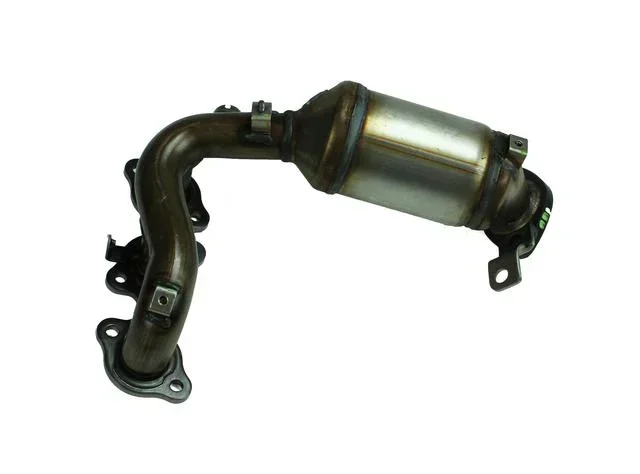
Your Toyota catalytic converter sits somewhere in the exhaust system, usually between the engine and the muffler. Its job is to reduce harmful emissions. When hot exhaust gases flow through it, chemical reactions convert dangerous pollutants into less harmful substances. Carbon monoxide becomes carbon dioxide. Nitrogen oxides break down into nitrogen and oxygen. Hydrocarbons get cleaned up too. This process keeps your Toyota running clean and legal.
The converter relies on a ceramic or metallic honeycomb structure coated with precious metals like platinum, palladium, and rhodium. These metals act as catalysts, meaning they speed up chemical reactions without being consumed. Over time, the converter can clog, overheat, or fail. When that happens, you might notice poor engine performance, reduced fuel economy, or a rotten egg smell from the exhaust pipe.
Understanding what the converter does helps you see why driving without one is risky. Your Toyota was engineered to work with this component in place. Removing it changes how the entire exhaust system operates. The oxygen sensors, the engine control module, and the muffler all depend on proper backpressure from the converter.
Can You Actually Drive Without One?
Short-Term Versus Long-Term Effects
Technically, you can drive your Toyota without a catalytic converter for a few miles. The engine will still fire, the transmission will still shift, and the wheels will still turn. But just because you can does not mean you should. Short trips around the block might seem harmless, but even brief driving without the converter causes problems.
In the short term, you may notice your Toyota sounds louder. The exhaust note changes dramatically without the converter in the system. You might also feel a slight loss of power, especially under acceleration. Some owners report a vibrating sensation or unusual exhaust fumes coming from the tailpipe. These are early warning signs that your vehicle is not operating correctly.
Over the long term, the effects get worse. Without the catalytic converter, unburned hydrocarbons pass straight into the atmosphere. The oxygen sensor readings become erratic. Your Toyota engine control unit tries to compensate, which can lead to poor fuel mixture and increased fuel consumption. After weeks or months of driving without the converter, you risk damaging the oxygen sensors, the muffler, and even the engine itself. The cost of replacing those parts far exceeds the cost of a new catalytic converter.
What the Dashboard Tells You
Most modern Toyotas will throw a check engine light almost immediately after the converter is removed. The OBD2 error codes commonly associated with this issue include P0420 and P0430, which indicate catalyst system efficiency below the threshold. Some Toyota models also store pending codes that trigger the warning light during your next drive cycle. If you ignore the light, you are masking a real problem that will only get worse.
What Happens When You Remove the Catalytic Converter?
Check Engine Light and Error Codes
When you remove the catalytic converter, the oxygen sensors in your Toyota lose the reference backpressure they need. The upstream sensor reads lean exhaust gases, while the downstream sensor shows little to no activity. The engine control unit interprets this as a catalytic converter failure and stores a fault code. The check engine light comes on, and in many states, your Toyota will not pass a vehicle inspection or smog check.
Some people use a catalytic converter delete pipe to bypass the converter entirely. While this removes the check engine light temporarily, it requires reprogramming the engine control unit or installing an aftermarket tune. Even then, you are still dealing with illegal emissions levels and potential engine damage over time.
Exhaust and Sound Changes
One of the most noticeable changes is the sound. Your Toyota exhaust will be significantly louder without the catalytic converter in place. Many people describe it as a deep, rumbling roar that gets worse when you hit the gas. Some owners actually like the sound, which is one reason converters get removed. But louder does not mean better. The change in exhaust flow also affects engine performance in negative ways.
The exhaust fumes themselves become more toxic too. A functioning catalytic converter reduces harmful emissions by up to 90 percent. Without it, your Toyota releases hydrocarbons, carbon monoxide, and nitrogen oxides directly into the air. This is bad for the environment and bad for your health. Breathing in these pollutants over time can cause respiratory problems and other health issues.
Impact on Fuel Economy and Engine Performance
You might think removing the converter would improve performance because exhaust gases exit faster. In reality, the opposite usually happens. The engine needs proper backpressure to run efficiently. Without the catalytic converter creating that resistance, the exhaust gases escape too quickly. This disrupts the scavenging effect that helps push fresh air-fuel mixture into the combustion chambers. The result is often rough idling, reduced horsepower, and worse fuel economy.
Toyota engineers spent years tuning the exhaust system for each model. The catalytic converter is not an arbitrary restriction. It is a carefully designed component that balances emissions control with engine efficiency. Removing it throws off that balance and costs you at the pump.
Is It Legal to Drive Without a Catalytic Converter?
Federal and State Laws
The short answer is no. Driving without a catalytic converter is illegal in the United States under federal law. The Clean Air Act requires all vehicles manufactured after 1975 to have a functioning catalytic converter. This applies to every state, including California, which has its own even stricter emissions standards under the California Air Resources Board.
State laws vary in how strictly they enforce this rule. Some states conduct rigorous smog checks before vehicle registration. Others are more lenient. But regardless of where you live, removing or driving without a catalytic converter puts you at risk of fines, failed inspections, and even vehicle impoundment in some jurisdictions. If you get pulled over, an officer can issue a citation for a missing or tampered emissions control device.
Emissions Testing Requirements
Most states that require emissions testing will flag a missing catalytic converter immediately. The OBD2 diagnostic system reads the catalyst efficiency codes and fails the test. Even if your state does not require testing, registering a vehicle without a converter can be problematic. When you go to renew your registration, the system may flag your VIN for missing emissions equipment.
If you recently had your converter stolen, keep the police report. Some states offer exemptions or reduced penalties if you can prove the converter was stolen and you are actively replacing it. But driving around without one for weeks or months is not a safe legal bet.
Why Catalytic Converters Get Stolen from Toyotas
Which Toyota Models Are Most Targeted
Catalytic converter theft has surged across the country in recent years. Toyota vehicles are among the most targeted, especially the Toyota Prius, Toyota Camry, and Toyota RAV4. These models use converters with high concentrations of precious metals like rhodium and platinum. Thieves can sell a stolen converter to a scrap metal dealer for $50 to $300, while a replacement costs the owner hundreds or even thousands of dollars.
The Toyota Prius is particularly attractive to thieves because its converter corrodes less than those in gas-only vehicles. The hybrid system keeps the converter in better condition, which means more precious metals inside. The Toyota RAV4 and Camry are also high targets because they sit higher off the ground, making it easier for thieves to slide underneath and cut the converter off the exhaust pipe in minutes.
If you own one of these models, consider installing a catalytic converter shield or anti-theft device. Some Toyota dealerships offer factory-installed protection plates. Aftermarket options include steel cages, stainless steel shields, and alarm systems that detect vibration near the exhaust. A few hundred dollars spent on prevention can save you thousands in replacement costs and the hassle of dealing with a missing converter.
What to Do If Your Catalytic Converter Is Missing
Replacement Cost and Options
If you discover your catalytic converter is gone, the first step is to call the police and file a report. Theft is a crime, and having a police report helps with insurance claims. Next, contact your insurance company. Comprehensive coverage typically covers catalytic converter theft, but you will need the police report to file a claim.
The cost of replacing a Toyota catalytic converter varies widely. For a Toyota Camry, expect to pay between $500 and $1,200 for parts and labor. A Toyota Prius converter can cost $1,000 to $2,500 because of the higher concentration of precious metals. The Toyota RAV4 falls somewhere in the middle, typically around $800 to $1,500. These prices have risen sharply in recent years due to the increased value of rhodium and palladium on the global market.
You have several replacement options. OEM converters from the Toyota dealership are the most expensive but come with a warranty and guaranteed fit. Aftermarket converters from reputable brands are more affordable and often meet federal emissions standards. Cheap universal converters are the least expensive option but may not fit properly or pass inspections. Always choose a converter that carries an EPA certification to ensure it meets legal requirements.
Temporary Fixes and What to Avoid
Some owners look for a quick fix when their converter goes missing. You might find online advice suggesting you can weld a pipe in place or use a temporary exhaust clamp. While these fixes let you drive in an emergency, they do not replace the emissions control function of a real converter. They also do not address the check engine light or error codes.
Avoid the temptation to simply delete the converter permanently. It is illegal, it harms the environment, and it can damage your Toyota engine over time. The smartest move is to replace the converter as soon as possible and drive responsibly in the meantime. Keep your trips short and avoid highway driving until the converter is installed.
Quick Tips and Common Mistakes
Quick Tips:
- Install an anti-theft device if you own a Toyota Prius, Camry, or RAV4.
- Park in well-lit areas or a locked garage whenever possible.
- Engrave your vehicle identification number on the catalytic converter to deter thieves.
- Check your exhaust system regularly for signs of tampering or looseness.
- Keep the police report and photos if your converter is stolen.
- Use an OEM or EPA-certified aftermarket converter for replacement.
- Do not ignore the check engine light after converter removal or replacement.
Common Mistakes:
- Thinking you can drive indefinitely without a converter just because the engine still runs.
- Buying a cheap universal converter that does not fit or pass emissions tests.
- Ignoring the check engine light and hoping it goes away on its own.
- Removing the converter to improve performance without understanding the real trade-offs.
- Failing to file a police report after theft, which can complicate insurance claims.
- Driving without a converter through states with strict emissions laws and facing heavy fines.
Expert Insights on Toyota Catalytic Converters
Automotive experts agree that the catalytic converter is one of the most important emissions components in any Toyota vehicle. According to ASE-certified technicians, driving without a converter for extended periods can cause irreversible damage to the oxygen sensors and the engine itself. The unburned fuel that passes through a missing converter can contaminate the engine oil and shorten engine life.
Toyota dealerships report a sharp increase in converter replacement requests since the rise in theft incidents. Many now offer prepaid maintenance plans that include converter protection. Some experts also recommend using a Catco or similar catalytic converter anti-theft cage, which adds a physical barrier that makes cutting the converter much harder and slower.
From an environmental standpoint, a single stolen converter can release enough pollutants to equal thousands of miles of normal driving. One missing converter on one Toyota might seem small, but across millions of vehicles, the cumulative impact on air quality is significant. Replacing your converter promptly is not just about your Toyota. It is about protecting the air we all breathe.
Key Takeaways
- You can drive short distances without a catalytic converter, but it is not recommended.
- Removing the catalytic converter triggers error codes and a check engine light on most Toyota models.
- Driving without one is illegal in all 50 states due to federal emissions laws.
- Toyota models like the Prius and RAV4 are common targets for catalytic converter theft.
- A replacement converter costs between $500 and $2,500 depending on your Toyota model.
- Exhaust fumes from a missing converter contain harmful pollutants that affect air quality and your health.
- Replacing a stolen converter quickly is the best way to avoid further damage and legal issues.
Frequently Asked Questions
Can I pass a smog check if my Toyota catalytic converter is missing?
No. A missing catalytic converter will cause your Toyota to fail a smog check in every state that requires one. The OBD2 system will detect the missing converter and flag catalyst efficiency codes. You will need to install a functioning converter before your vehicle can pass inspection.
How long can I drive my Toyota without a catalytic converter?
You can drive a short distance, maybe a few miles, without immediate mechanical failure. However, extended driving without the converter risks damaging oxygen sensors, the muffler, and the engine. It is best to replace the converter as soon as possible and avoid long trips in the meantime.
Why are Toyota catalytic converters so expensive to replace?
Toyota catalytic converters contain precious metals like rhodium, platinum, and palladium. The cost of these metals fluctuates on the global market, and recent prices have driven replacement costs higher. Additionally, OEM converters from Toyota dealerships come with warranties and guaranteed fit, which adds to the price compared to aftermarket options.
Will removing the catalytic converter improve my Toyota performance?
Not really. While some owners report a slight increase in exhaust flow, the overall effect on performance is minimal or even negative. Without the converter, the oxygen sensors read incorrectly, the engine control unit adjusts the fuel mixture poorly, and you may experience rough idling and reduced fuel economy.
Can I replace my Toyota catalytic converter with an aftermarket unit?
Yes, but make sure the aftermarket converter carries an EPA certification and meets federal emissions standards. Cheap universal converters may not fit properly or pass inspections. OEM converters from Toyota dealerships are the safest choice for guaranteed performance and compliance.
What should I do if I find my Toyota catalytic converter has been stolen?
First, file a police report and take photos of the damage. Contact your insurance company to start a claim. Then, schedule a replacement converter as soon as possible. Driving without the converter even briefly can cause additional issues, so get it repaired promptly to protect your Toyota and stay legal.
Final Thoughts
So, can you drive your Toyota without a catalytic converter? The honest answer is that you should not. Yes, the engine will still run. Yes, you can get to the shop or home in an emergency. But the risks far outweigh any short-term convenience. You face legal penalties, failed inspections, engine damage, and environmental harm every mile you drive without this critical component.
Your Toyota was built to perform with a functioning catalytic converter in place. Respecting that design keeps your vehicle running smoothly, keeps you on the right side of the law, and protects the air around you. Whether your converter was stolen, damaged, or simply worn out, replacing it quickly is the smartest move you can make.
Take care of your Toyota, and it will take care of you. Replace that converter, stay legal, and drive with confidence knowing your vehicle is running the way Toyota intended.