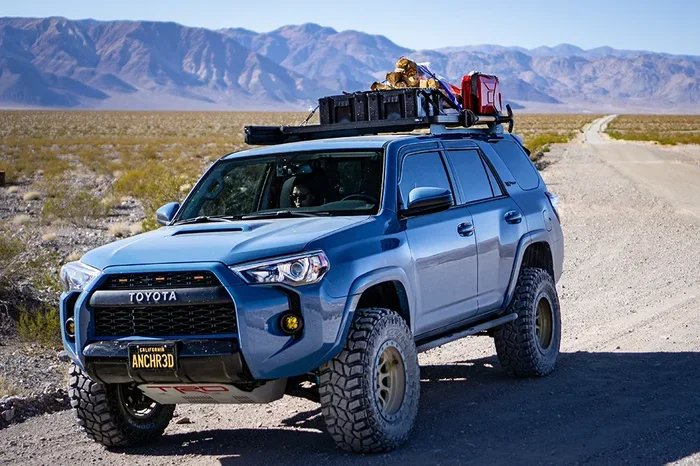
Are Toyota 4Runners Reliable for Your Next Big Adventure
Toyota 4Runners are widely known for their outstanding reliability and rugged durability. These SUVs have earned a strong reputation among adventure lovers and daily drivers alike. With a proven body-on-frame design, strong resale value, and low maintenance costs, the 4Runner remains one of the most trusted vehicles on the road. This guide covers everything you need to know about Toyota 4Runner reliability before you buy.
When you think about a vehicle that can handle tough trails, long road trips, and daily commutes without breaking a sweat, the Toyota 4Runner often comes to mind. This iconic SUV has been around for decades, and it has built a loyal fan base along the way. But the big question remains: are Toyota 4Runners reliable?
The short answer is yes. The Toyota 4Runner has earned a strong reputation for durability, off-road capability, and long-term dependability. Whether you are planning a weekend camping trip or need a daily driver that can handle anything, the 4Runner has a lot to offer. In this article, we will dive deep into Toyota 4Runner reliability, covering everything from engine performance to common issues and ownership costs.
The Toyota 4Runner is a mid-size SUV that has been produced since the early 1980s. It is built on a body-on-frame platform, which gives it serious strength and ruggedness. This design sets it apart from unibody SUVs and makes it a favorite among off-road enthusiasts. The 4Runner is known for its simple, no-nonsense approach to building a capable SUV.
Toyota has designed the 4Runner to be tough. It features a solid rear axle, high ground clearance, and available four-wheel drive. These traits make it one of the best adventure vehicles on the market. When you talk about Toyota 4Runner reliability, you are talking about a vehicle that is built to last.
Many people choose the 4Runner because it offers a unique blend of ruggedness and everyday comfort. You can take it on a rocky trail on Saturday and drive it to work on Monday without any issues. That versatility is a big part of why so many people trust this SUV for their next big adventure.
Engine and Powertrain Reliability
The heart of any vehicle is its engine, and the Toyota 4Runner has a solid track record here. Most recent models come with a 4.0-liter V6 engine that produces around 270 horsepower. This engine is known for being smooth, powerful, and incredibly durable. Many owners report crossing the 200,000-mile mark with proper maintenance.
The 4.0-liter V6 is a simple design with fewer moving parts than modern turbo engines. This simplicity works in your favor when it comes to long-term reliability. There are fewer things that can go wrong, which means fewer trips to the mechanic.
The transmission paired with this engine is also worth mentioning. Older models used a five-speed automatic, while newer ones feature a six-speed automatic. Both transmissions have proven to be dependable. The key to keeping the powertrain healthy is regular fluid changes and timely maintenance.
Off-Road Performance and TRD Trims
One of the biggest reasons people buy a 4Runner is its off-road capability. The TRD Off-Road and TRD Pro trims take this to the next level. These trims come with features like a locking rear differential, crawl control, and multi-terrain select. These systems help you tackle rocks, mud, sand, and steep inclines with confidence.
The 4Runner also has a high approach and departure angle, which means it can handle steep obstacles without scraping the undercarriage. The available Kinetic Dynamic Suspension System further improves off-road performance by allowing better wheel articulation. If you love trail-rated adventures, the 4Runner delivers.
Even the base model 4Runner is a capable off-roader. It comes standard with four-wheel drive and a locking rear differential in many trims. You do not need a fancy TRD package to enjoy the great outdoors in this SUV.
Body-on-Frame Construction
The body-on-frame design is a major factor in Toyota 4Runner reliability. Unlike unibody SUVs, the 4Runner has a separate frame that supports the vehicle’s weight. This design makes the SUV stronger and more resistant to damage. It also contributes to the vehicle’s longevity.
Body-on-frame SUVs tend to last longer than their unibody counterparts. The frame can absorb impacts and stress better, which reduces wear and tear over time. This is one reason why the 4Runner has such a strong reputation for durability.
The trade-off is that body-on-frame SUVs are generally heavier and less fuel-efficient. The 4Runner gets around 16 to 20 miles per gallon in the combined cycle. While this is not the best in its class, most owners accept it as a fair trade-off for the added strength and capability.
Maintenance and Ownership Costs
One of the biggest advantages of owning a Toyota 4Runner is the low cost of ownership. Toyota parts are widely available and reasonably priced. You can find OEM and aftermarket parts at most auto parts stores. This makes repairs and maintenance much more affordable compared to luxury brands.
Routine maintenance on a 4Runner is straightforward. Oil changes, brake pads, and tires are all standard expenses. The 4.0-liter V6 engine does not require expensive synthetic oils or special fluids. Basic maintenance keeps the vehicle running strong for hundreds of thousands of miles.
Here are some common maintenance tasks and their approximate costs:
- Oil Change: $50 to $80
- Brake Pads: $150 to $300 per axle
- Timing Chain: $1,200 to $1,800 (if needed after high mileage)
- Suspension Components: $200 to $600 per part
- Transmission Service: $150 to $300
Regular maintenance is the key to long-term Toyota 4Runner reliability. Owners who stay on top of oil changes and inspections tend to have fewer issues over time.
Common Issues and Known Problems
No vehicle is perfect, and the 4Runner is no exception. While Toyota 4Runner reliability is excellent overall, some owners have reported certain issues over the years. Being aware of these can help you make a smarter buying decision.
Older models from the 2003 to 2009 era are known to have some common problems. These include issues with the rear differential, cracked dashboards, and worn suspension components. The cracking dashboard issue was particularly common in hot climates where UV exposure caused the plastic to deteriorate.
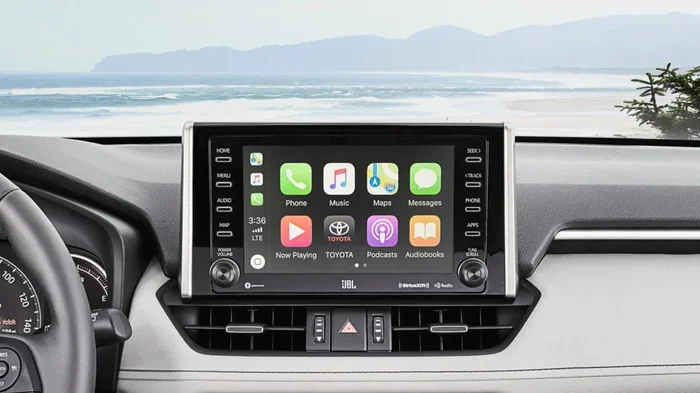
Newer models have fewer reported problems, but some owners have noted issues with the infotainment system and occasional transmission hesitation. These are relatively minor compared to the issues found in competing SUVs. Most owners agree that the 4Runner’s strengths far outweigh its weaknesses.
Comparison with Competitors
When you are shopping for a reliable SUV, it helps to compare the 4Runner with its main competitors. The Jeep Wrangler, Ford Bronco, and Chevy Tahoe are all popular choices in the midsize SUV segment. Here is how the 4Runner stacks up against these rivals.
The Jeep Wrangler is perhaps the closest competitor to the 4Runner. Both offer excellent off-road capability and strong resale value. However, the Wrangler tends to have higher maintenance costs and more frequent repair visits. The Wrangler’s interior is also less refined than the 4Runner’s.
The Ford Bronco is a newer entry in the market and offers modern technology and a turbocharged engine lineup. It is a strong off-roader, but its long-term reliability is still being proven. The 4Runner has decades of track record on its side.
The Chevy Tahoe is a full-size SUV with more interior space and a V8 engine. It is more comfortable for large families, but it also has higher fuel costs and more expensive maintenance. When it comes to Toyota 4Runner reliability, the 4Runner holds a clear edge.
Resale Value and Long-Term Ownership
One of the most impressive aspects of the Toyota 4Runner is its resale value. These vehicles depreciate much slower than most SUVs on the market. A 4Runner that is five years old can still retain 60 to 70 percent of its original value. This makes it an excellent choice for buyers who want to minimize long-term costs.
The strong resale value is a direct result of Toyota 4Runner reliability and the vehicle’s enduring popularity. There is always a strong demand for used 4Runners, which keeps prices high even for older models. If you plan to sell or trade in your vehicle down the road, the 4Runner will not let you down.
Long-term owners often report that the 4Runner becomes more valuable as it ages. This is unusual for most vehicles, which tend to lose value over time. The 4Runner’s reputation for durability and off-road capability keeps it in high demand on the used market.
Is the Toyota 4Runner Right for You?
The Toyota 4Runner is an excellent choice for anyone who values reliability, off-road capability, and long-term ownership. It is not the most fuel-efficient SUV, and it lacks some of the modern tech features found in newer competitors. But for those who prioritize durability and adventure, it is hard to beat.
If you are someone who loves hitting the trails, going on camping trips, or simply needs a vehicle that will not let you down, the 4Runner is a fantastic option. Its proven track record of Toyota 4Runner reliability speaks for itself.
Consider your needs before buying. If you need a family-friendly SUV with lots of space and modern tech, you might want to look at other options. But if you want a rugged, dependable adventure vehicle, the 4Runner is one of the best choices you can make.
Tips for Maximizing Toyota 4Runner Reliability
To get the most out of your 4Runner, follow these simple tips. First, stick to the recommended maintenance schedule. Regular oil changes, fluid flushes, and inspections will keep your vehicle running strong. Second, address small issues before they become big problems. A minor noise or warning light today could become a major repair tomorrow.
Third, invest in quality parts. OEM Toyota parts are designed specifically for your vehicle and will last longer than cheap aftermarket alternatives. Fourth, drive with care. Aggressive driving puts extra stress on the engine, transmission, and suspension components.
Finally, keep your 4Runner clean. Washing off road salt, mud, and debris will prevent rust and corrosion. These simple habits will help your 4Runner last for many years to come.
The Toyota 4Runner has earned its place as one of the most reliable SUVs on the market. Its rugged build, proven powertrain, and low maintenance costs make it a standout choice for adventure seekers and daily drivers alike. Whether you are heading off-road or cruising the highway, the 4Runner delivers confidence and peace of mind.
If you are looking for a vehicle that can handle anything you throw at it, the Toyota 4Runner should be at the top of your list. Its reputation for Toyota 4Runner reliability is well deserved, and it continues to be a favorite among SUV buyers year after year.
Make sure to do your research, test drive a few models, and choose the trim that best fits your needs. With proper care and maintenance, your 4Runner will be ready for your next big adventure for many years to come.
Key Takeaways
- Proven Reliability: Toyota 4Runners consistently rank among the most reliable SUVs on the market.
- Strong Resale Value: These vehicles hold their value exceptionally well over time.
- Off-Road Capability: The 4Runner excels in off-road conditions with TRD trims and solid axle design.
- Low Maintenance Costs: Parts are affordable and widely available, keeping long-term ownership affordable.
- Durable Build: The body-on-frame construction adds strength and longevity to the vehicle.
- Common Issues Exist: Some owners report minor problems with aging models, but they are manageable.
- Great for Adventures: Whether you hit trails or highways, the 4Runner delivers a confident ride.
Frequently Asked Questions
How long does a Toyota 4Runner last?
With proper maintenance, a Toyota 4Runner can easily last 200,000 to 300,000 miles. Many owners report crossing the 300,000-mile mark without major issues. Regular oil changes and timely repairs play a big role in extending the vehicle’s lifespan.
What is the most common problem with the Toyota 4Runner?
Older models sometimes experience cracking dashboards, especially in hot climates. Other common issues include worn rear differential components and suspension wear over time. However, these problems are manageable and do not overshadow the vehicle’s overall reliability.
Is the Toyota 4Runner good for off-roading?
Absolutely. The 4Runner is one of the best off-road SUVs available. TRD Off-Road and TRD Pro trims come with features like crawl control, locking differentials, and multi-terrain select. Even the base model handles trails and rough terrain with confidence.
How much does it cost to maintain a Toyota 4Runner?
Maintenance costs are relatively low compared to other SUVs. Routine services like oil changes and brake pad replacements are affordable. The 4.0-liter V6 engine is simple and does not require expensive specialty parts or fluids.
Is the Toyota 4Runner better than the Jeep Wrangler?
It depends on your needs. The 4Runner offers better reliability and lower maintenance costs, while the Wrangler offers more customization and a more engaging off-road experience. Both are excellent SUVs, but the 4Runner edges ahead in long-term dependability.
Does the Toyota 4Runner hold its value?
Yes, the 4Runner is known for its exceptional resale value. These vehicles depreciate much slower than most SUVs on the market. A used 4Runner can retain 60 to 70 percent of its original value after five years, making it a smart investment.



2 Comments