Are Corollas Cheaper Than Camrys And Why It Matters
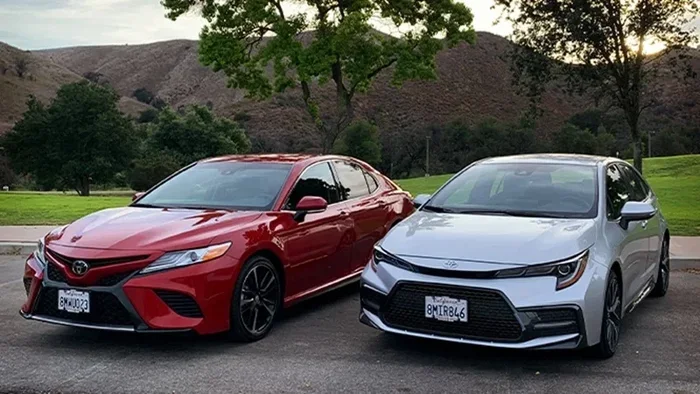
Are Corollas cheaper than Camrys? Yes, in almost every way you look at it. The Toyota Corolla costs less upfront, costs less to maintain, and often has lower insurance rates. But the real question is whether saving money now is worth the trade-offs. This guide walks you through new car prices, used car prices, maintenance costs, and long-term value so you can make a smart Toyota sedan choice.
Are Corollas Cheaper Than Camrys And Why It Matters
So, you are standing in a Toyota dealership. Or maybe you are scrolling through listings online. Either way, the same question keeps popping up: Are Corollas cheaper than Camrys? It sounds simple, right? But the answer is more layered than you might think.
The short answer is yes. The Toyota Corolla almost always costs less than the Toyota Camry. But “cheaper” can mean many things. It can mean a lower sticker price. It can mean cheaper repairs. It can mean lower insurance bills. Or it can mean a better total cost of ownership over five or ten years.
This guide covers all of that. We will look at new car prices, used car prices, maintenance expenses, fuel savings, and more. By the end, you will know exactly which Toyota sedan fits your wallet and your life.
Key Takeaways
- Corollas cost less upfront: The Toyota Corolla starts at a lower new car price than the Camry, making it a clear winner for budget buyers.
- Used Toyota Corolla prices drop faster: Depreciation hits the Corolla harder, which means used models can be a real bargain.
- Maintenance costs are lower on the Corolla: Simpler parts and smaller engines mean cheaper repairs over time.
- The Camry offers more value per dollar: More interior space, better features, and a smoother ride justify the higher price for many buyers.
- Fuel economy favors the Corolla: The compact sedan delivers better miles per gallon, saving money at the pump over the long run.
- Insurance costs differ: The Camry may cost slightly more to insure due to its higher vehicle cost and repair expenses.
- Your needs decide the winner: A Toyota model comparison should always factor in how you actually use the car every day.
📑 Table of Contents
- The Price Gap: New Corolla vs New Camry
- Used Car Prices: Where the Savings Really Add Up
- Maintenance Costs: Who Costs Less to Own?
- Fuel Economy: Saving Money at the Pump
- Insurance Costs: The Hidden Expense
- Which Car Fits Your Budget Better?
- Common Mistakes People Make When Comparing These Two Cars
- Final Verdict: Are Corollas Cheaper Than Camrys?
The Price Gap: New Corolla vs New Camry
Let us start with the most obvious place to compare: the price tag. When you walk onto a lot, the Toyota Corolla sits in a lower price bracket than the Toyota Camry. That gap is real and it is consistent across most model years.
Starting Prices for New Models
The base Toyota Corolla starts around $21,000 to $23,000 depending on the trim and year. The base Toyota Camry starts closer to $27,000 to $29,000. That is a gap of roughly $5,000 to $7,000 right out of the gate.
Here is a quick look at what drives that difference:
- Engine size: The Corolla comes with a smaller, more efficient engine. The Camry offers a larger engine with more power.
- Vehicle class: The Corolla is a compact sedan. The Camry is a mid-size sedan. Bigger cars cost more to build.
- Standard features: The Camry typically comes with more comfort and tech features as standard. The Corolla keeps things lean to hit a lower price point.
If you are hunting for an affordable sedan, the Corolla wins this round easily. It is one of the most budget-friendly cars on the market, period.
Trim Levels and How They Affect Pricing
Both the Corolla and Camry offer multiple trim levels. The Corolla goes from L to SE to XSE, with a few hybrid options mixed in. The Camry starts at LE, moves through SE and XLE, and tops out at TRD and XSE trims.
As you move up the trim ladder on either car, the prices climb. But the gap between the two models stays fairly consistent. Even the top-trim Corolla usually costs less than the base Camry. This is important if you want a Toyota model comparison that accounts for features and comfort.
Quick tip: Do not assume the base trim is all you need. Both Toyota sedans offer a lot of standard technology and safety features, even at the entry level.
Used Car Prices: Where the Savings Really Add Up
If you are looking at used car prices, the story gets even more interesting. The Toyota Corolla depreciates faster than the Camry in the first few years. That means the used market is loaded with great deals on Corollas.
Why the Corolla Depreciates Faster
Depreciation is the silent killer of car value. And the Corolla takes a bigger hit early on. Here is why:
- Lower starting price: When a $22,000 car loses 20% of its value, that is $4,400 gone. A $28,000 Camry losing 20% is $5,600. The absolute dollar loss is bigger on the Camry, but the percentage loss is similar.
- Higher demand for used Camrys: The Camry holds its value better because people want a mid-size sedan with more space and features.
- More supply of used Corollas: Corollas are everywhere. High supply means lower prices in the used market.
For a buyer watching every dollar, this is great news. You can find a three-year-old Toyota Corolla for a fraction of what it cost new. And a used Camry will still cost more, but the gap narrows significantly.
What to Look For in the Used Market
Whether you are eyeing a Corolla or a Camry, keep these tips in mind:
- Check the vehicle history report for accidents or service gaps.
- Compare mileage against the national average for that year.
- Look at maintenance records if the seller has them.
- Get a pre-purchase inspection from a trusted mechanic.
- Compare prices across multiple platforms like CarGurus, AutoTrader, and Carfax.
These steps protect you from hidden problems and ensure you get the best deal possible.
Maintenance Costs: Who Costs Less to Own?
Buying a car is one thing. Keeping it running is another. And when it comes to maintenance costs, the Toyota Corolla has a clear edge.
Routine Maintenance Expenses
The Corolla uses smaller, simpler parts. Its engine is less complex than the Camry’s. That translates directly into lower maintenance bills. Here are some common examples:
- Oil changes: The Corolla takes less oil and uses less expensive filters. A basic oil change on a Corolla costs around $40 to $60. On a Camry, it is closer to $50 to $75.
- Brake pads: The Corolla is lighter, so its brake pads wear out more slowly. Replacement costs are typically lower.
- Tires: Smaller tires for the Corolla mean lower replacement costs. A set of Corolla tires can run $100 to $200 less than Camry tires.
- Battery: The Corolla’s smaller battery is cheaper to replace.
Over a ten-year ownership period, these savings really stack up. The cost of ownership for a Corolla is noticeably lower than for a Camry.
Repair Costs and Reliability
Both the Corolla and Camry are known for Toyota reliability. They rarely break down. But when something does go wrong, the Corolla is generally cheaper to fix. Parts are more affordable and more widely available. Many independent mechanics are very familiar with the Corolla, which keeps labor costs down.
The Camry is also reliable, but its larger engine and more advanced features can lead to pricier repairs. If you own a hybrid version of either car, the hybrid system adds complexity and potential repair costs down the road.
Fuel Economy: Saving Money at the Pump
Fuel costs are a big part of the total cost of ownership. And here, the Toyota Corolla shines again. The compact sedan is designed for efficiency. It sips gas instead of guzzling it.
Corolla vs Camry Fuel Economy Numbers
The base Corolla gets around 31 mpg in the city and 40 mpg on the highway. The Corolla Hybrid pushes that even further, delivering around 53 mpg combined. The base Camry gets about 28 mpg city and 39 mpg highway. The Camry Hybrid is close to the Corolla Hybrid at around 52 mpg combined.
So the Corolla wins on fuel economy in the standard gas versions. The hybrid versions are nearly tied. But if you drive a lot of miles, those small differences add up fast.
Real-World Savings Over Time
Let us say you drive 15,000 miles per year. Gas costs around $3.50 per gallon. Here is a rough comparison over five years:
- Corolla (31/40 mpg): About $6,500 in fuel costs over five years.
- Camry (28/39 mpg): About $7,200 in fuel costs over five years.
- Difference: Roughly $700 saved with the Corolla.
That is real money. Over a ten-year ownership period, the savings could reach $1,400 or more. When you combine this with lower purchase price and lower maintenance costs, the Toyota Corolla becomes a very compelling budget-friendly car.
Insurance Costs: The Hidden Expense
Not everyone thinks about insurance when comparing cars. But it matters. Insurance is a recurring cost that adds up year after year.
Why Insurance Costs Differ
Insurance companies look at several factors when setting your rate:
- Vehicle cost: The Camry is more expensive to replace, so insurance premiums tend to be higher.
- Repair costs: More expensive parts mean higher claim payouts, which drives up rates.
- Safety ratings: Both the Corolla and Camry score well on safety tests, which can work in your favor.
- Theft risk: The Corolla is one of the most stolen cars in America. This can slightly increase insurance costs.
On average, you can expect to pay $100 to $200 more per year to insure a Camry compared to a Corolla. Over five years, that is another $500 to $1,000 in costs.
How to Lower Your Insurance Bills
No matter which Toyota sedan you choose, these tips can help keep insurance costs down:
- Bundle your car insurance with home or renters insurance.
- Choose a higher deductible if you can afford it.
- Maintain a clean driving record.
- Ask about discounts for safety features like adaptive cruise control and lane keeping assist.
- Shop around and compare quotes from multiple insurers every year.
Which Car Fits Your Budget Better?
This is the big question. And the answer depends on your situation, your needs, and your goals.
Choose the Corolla If…
The Toyota Corolla is the right pick if any of these sound like you:
- You want the lowest possible new car prices.
- You drive mostly alone or with one passenger.
- You prioritize fuel economy above all else.
- You want a simple, reliable compact sedan with low maintenance costs.
- You plan to keep the car for a long time and want minimal cost of ownership.
The Corolla is a proven, no-nonsense commuter car. It gets you from point A to point B without breaking the bank. For many people, that is exactly what they need.
Choose the Camry If…
The Toyota Camry makes more sense if you relate to any of these:
- You need more interior space for passengers or cargo.
- You want a smoother, more refined driving experience.
- You value comfort features and technology over saving a few thousand dollars.
- You plan to keep the car long-term and want better resale value.
- You want a mid-size sedan that feels more premium without paying luxury-brand prices.
The Camry costs more upfront, but it delivers more in return. More space, more comfort, more features. And it holds its value better on the used market.
The Long-Term Financial Picture
Let us put it all together. Over a five-year ownership period, here is a rough comparison of the total cost of ownership:
- Corolla: Lower purchase price + lower maintenance + lower fuel costs + higher depreciation = solid savings in the short term.
- Camry: Higher purchase price + higher maintenance + higher fuel costs + lower depreciation = more value retained over time.
If you sell after five years, the Camry might actually cost you less in net terms because it depreciates less. But if you keep the car for ten years or more, the Corolla usually wins on total savings.
Common Mistakes People Make When Comparing These Two Cars
Before you make a final decision, watch out for these common pitfalls:
Mistake 1: Only Looking at Sticker Price
The sticker price is just the beginning. The total cost of ownership includes fuel, insurance, maintenance, repairs, and depreciation. A cheaper car upfront can end up costing more over time if it has higher operating costs.
Mistake 2: Ignoring the Hybrid Options
Both the Corolla and Camry come in hybrid versions. The hybrid Toyota Corolla and the hybrid Toyota Camry offer excellent fuel economy. But the hybrid Camry is often priced closer to the gas-only Corolla than you might expect. Always compare hybrid trims side by side.
Mistake 3: Forgetting About Resale Value
A car is an asset that loses value over time. The Camry holds its value better than the Corolla. If you trade in or sell your car every few years, the Camry’s stronger resale value can offset its higher upfront cost.
Mistake 4: Not Test Driving Both
Numbers tell part of the story, but driving both cars is essential. The Camry feels more spacious and refined. The Corolla feels nimble and easy to park. Your personal preference matters more than any spreadsheet.
Final Verdict: Are Corollas Cheaper Than Camrys?
So, are Corollas cheaper than Camrys? The answer is a clear yes across nearly every metric. The Toyota Corolla costs less to buy, less to maintain, and less to fuel. It is the go-to affordable sedan for millions of buyers worldwide.
But “cheaper” does not always mean “better.” The Camry offers more space, more comfort, and better long-term value retention. It is the smarter choice for buyers who want a Toyota sedan that punches above its price class.
At the end of the day, the best car is the one that fits your life and your budget. Use the information in this guide to compare your options carefully. Test drive both models. Crunch the numbers. And trust your gut.
Whether you choose the Toyota Corolla or the Toyota Camry, you are buying a vehicle backed by one of the most trusted names in automotive history. You cannot go wrong with either choice.
Start your search today. Visit your local Toyota dealer, browse online listings, and find the Toyota sedan that makes the most sense for you. The road ahead is waiting.
Frequently Asked Questions
Is the Toyota Corolla really cheaper than the Camry?
Yes, the Toyota Corolla is cheaper than the Toyota Camry in nearly every category. The Corolla has a lower starting price, lower maintenance costs, and better fuel economy. Even in the used car market, the Corolla generally costs less than the Camry.
Which Toyota sedan has the lowest cost of ownership?
The Toyota Corolla has the lowest cost of ownership among Toyota sedans. Its smaller engine, simpler parts, and lower fuel consumption all contribute to reduced expenses over time. The Camry costs more to own, but it holds its value better.
Do Corollas depreciate faster than Camrys?
Yes, the Toyota Corolla depreciates faster than the Camry, especially in the first three to five years. This is partly because the Corolla starts at a lower price point and partly because the Camry has stronger demand in the used market. Faster depreciation means better deals for used car buyers.
Is the Corolla or Camry better for families?
The Toyota Camry is the better choice for families. It offers more rear seat space, a larger trunk, and a more comfortable ride. The Corolla is still perfectly usable for small families, but the Camry provides noticeably more room and convenience features.
How much can I save by choosing a Corolla over a Camry?
Over a five-year period, you can save anywhere from $3,000 to $7,000 by choosing a Toyota Corolla over a Toyota Camry. These savings come from a lower purchase price, reduced fuel costs, cheaper maintenance, and lower insurance premiums. Exact savings depend on your driving habits and local costs.
Should I buy a hybrid Corolla or a hybrid Camry?
If fuel economy is your top priority, the hybrid Toyota Corolla delivers excellent miles per gallon at a lower price. If you want more power and space with hybrid efficiency, the hybrid Toyota Camry is worth the extra cost. Both are excellent budget-friendly cars with strong Toyota reliability ratings.
=== CONCLUSION ===
Are Corollas cheaper than Camrys? Absolutely. The Toyota Corolla wins on upfront cost, ongoing maintenance, fuel economy, and insurance expenses. It is one of the most affordable sedans you can buy, full stop.
But the Toyota Camry brings more to the table in terms of space, comfort, and long-term value retention. It is a better mid-size sedan for buyers who want more without paying luxury prices.
The right choice comes down to your budget, your lifestyle, and your priorities. Use the tips and insights from this guide to make a confident decision. Whatever you choose, you are investing in a Toyota sedan that will serve you well for years to come.





One Comment