a motor car is fitted with a rear view mirror Explained
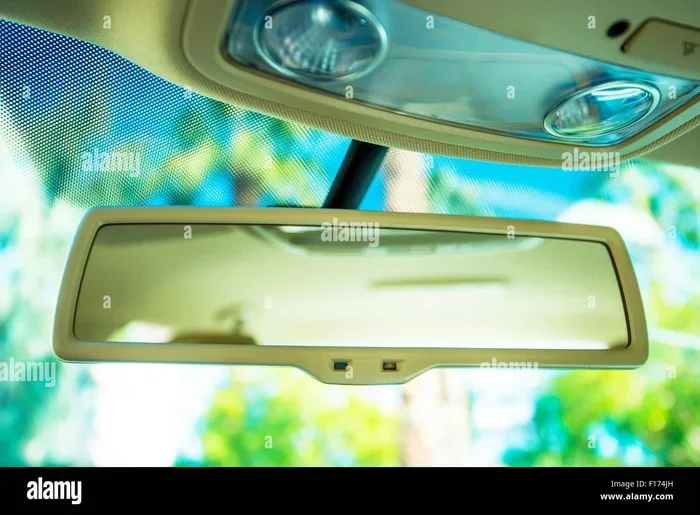
A motor car is fitted with a rear view mirror to give drivers a clear view of traffic behind them, making every journey safer. This essential car component helps reduce blind spots and supports better driving visibility on all roads. Understanding how your rearview mirror works, how to adjust it, and when to maintain or replace it is a must for every car owner. In this guide, we break down everything you need to know about mirror adjustment, types of mirrors, legal requirements, and simple care tips. Whether you drive a new vehicle or an older model, this article will help you get the most from your car’s interior mirror.
You get behind the wheel every day. You start the engine. You check your rearview mirror. It feels like second nature. But have you ever stopped to think about why a motor car is fitted with a rear view mirror in the first place? This small piece of glass plays a huge role in keeping you safe on the road. It lets you see what is happening behind your vehicle without turning your head. In this article, we will explore everything about this essential car component. From how it works to how to care for it, you will find all the answers here.
The rear view mirror is more than just a piece of glass stuck to your windshield. It is a carefully designed safety tool. Every vehicle manufacturer fits it for a reason. Understanding its purpose, types, and maintenance can make you a better, safer driver. Whether you are a new driver or someone who has been driving for years, there is always something new to learn about your car’s mirror setup. Let us dive in.
Key Takeaways
- Safety First: A rear view mirror is a critical safety feature that helps you see traffic behind your vehicle at all times.
- Proper Adjustment Matters: Correctly adjusting your mirror eliminates blind spots and greatly improves driving visibility.
- Multiple Mirror Types Exist: Modern cars offer manual, auto-dimming, and even camera-based mirror options for better performance.
- Regular Maintenance Is Key: Cleaning, checking mounts, and replacing worn mirrors keeps your car safe and road-legal.
- Legal Requirements Apply: Most regions require all vehicles to have functioning rear view and side mirrors by law.
- Common Problems Are Fixable: Issues like vibration, fogging, and loose mounts are easy to address with simple tools and tips.
📑 Table of Contents
- Why a Motor Car Is Fitted with a Rear View Mirror
- How to Properly Adjust Your Rear View Mirror
- Types of Rear View Mirrors Found in Cars
- Common Rear View Mirror Problems and How to Fix Them
- Legal Requirements for Car Mirrors
- Maintenance Tips to Keep Your Mirror in Top Shape
- The Future of Rear View Mirrors in Motor Cars
- Conclusion
Why a Motor Car Is Fitted with a Rear View Mirror
The main job of a rear view mirror is simple. It shows you what is happening behind your car. This view is critical for safe driving. When you change lanes, merge onto highways, or back up, you need to know what is behind you. Without this mirror, you would have to turn your head completely around. That takes your eyes off the road ahead. It is dangerous and unnecessary.
Here are the key reasons every car has this mirror installed:
- Rear Traffic Awareness: The mirror gives you a real-time view of vehicles approaching from behind. This helps you make safe lane changes and turns.
- Blind Spot Reduction: While side mirrors cover some blind spots, the interior mirror fills in the gaps. Together, all three mirrors create a full picture of your surroundings.
- Emergency Awareness: If an emergency vehicle is approaching from behind, the mirror alerts you early. This gives you time to pull over safely.
- Parking Assistance: When reversing, the mirror helps you see obstacles, pedestrians, or other cars behind you.
- Driver Confidence: Knowing what is behind you builds confidence. Confident drivers make better decisions on the road.
The driving visibility provided by a properly positioned mirror cannot be overstated. It is one of the first things you check when you sit in a car. Automakers have known this for over a century. That is why every single production car comes with this feature standard. It is not optional. It is essential.
The Science Behind Rear View Mirrors
A rear view mirror works on a simple optical principle. It reflects light from behind your car back to your eyes. The mirror surface is carefully angled to give you the widest possible view of the rear window area. Most interior mirrors use a flat glass surface for accurate distance perception. Some use convex glass to widen the field of view, though this can make objects appear farther away than they are.
The mirror housing is designed to stay secure even at high speeds. It is mounted to the windshield using strong adhesive or mechanical clips. The mirror mounting system must withstand vibration from the road, temperature changes, and occasional bumps. Engineers test these mounts rigorously before a car ever reaches the showroom floor.
How to Properly Adjust Your Rear View Mirror
Even the best mirror does you no good if it is not adjusted correctly. Many drivers set their mirror once and never think about it again. But your seating position changes. A passenger moves to the back seat. A child seat gets installed. All of these changes affect your mirror adjustment. Taking a few seconds to check and adjust your mirror every time you drive can make a big difference.
Here is a step-by-step guide to getting the perfect view:
- Sit in your normal driving position. Adjust your seat so your back is fully against the seatback and your hands rest comfortably on the steering wheel.
- Look at the mirror. The entire rear window should be visible through the mirror glass.
- Center the view. The horizon line should sit in the middle of the mirror. You should see equal amounts of sky and road behind you.
- Check for blind spots. Lean slightly to the left and right. If you can see the sides of your car in the mirror, the angle is good.
- Lock the position. If your mirror has a tilt mechanism, make sure it is firmly locked in place.
A quick mirror cleaning routine also helps. Dust and grime on the glass can distort your view, especially at night. A microfiber cloth works wonders. Take a moment to wipe the mirror before every long drive.
Common Adjustment Mistakes to Avoid
Many drivers make the same mistakes when setting up their mirrors. Here are a few to watch out for:
- Sitting too far from the windshield: This changes the angle and reduces your view behind the car.
- Tilting the mirror too far up: You end up seeing more sky than road, which is not useful.
- Ignoring the passenger side mirror: The rear view mirror works together with both side mirrors. Adjusting only the interior mirror leaves huge gaps in your view.
- Not re-adjusting after someone else drives: A taller or shorter driver needs a different mirror angle for optimal visibility.
Getting the car mirror adjustment right is one of the simplest things you can do for road safety. It takes less than 30 seconds and can prevent accidents.
Types of Rear View Mirrors Found in Cars
Not all rear view mirrors are the same. Car manufacturers offer several different types, each with unique features. The type of mirror your vehicle has depends on the trim level, model year, and price range. Let us look at the most common options you will find in today’s vehicles.
Manual Rear View Mirrors
The manual mirror is the most basic and traditional type. It is a simple glass mirror mounted on a swivel bracket. You adjust it by hand, pushing or pulling the mirror to change the angle. These mirrors are reliable, affordable, and found in most economy and older vehicles. They require no electricity or special maintenance. The downside is that they do not offer any advanced features like anti-glare or auto-dimming.
Auto-Dimming Rear View Mirrors
Auto-dimming mirrors are a step up in vehicle safety technology. These mirrors use electrochromic glass that darkens automatically when bright headlights hit them from behind. This eliminates the blinding headlight glare that can ruin your night vision. The mirror dims and then returns to normal when the glare fades. Many luxury and mid-range vehicles now include this feature as standard. It is a game-changer for drivers who spend a lot of time on the road at night.
Rear View Camera Mirrors
Some modern cars replace the traditional glass mirror with a digital screen. This screen shows a live feed from a rear-mounted camera. The image is wider and clearer than a standard mirror. It also stays clear in all weather conditions because there is no glass to fog up or ice over. Rearview camera systems are becoming more common, especially in newer models and SUVs. They represent the future of mirror replacement technology.
Heated and Auto-Tilt Mirrors
In colder climates, a standard mirror can fog up or ice over quickly. Heated mirrors solve this problem by using a built-in heating element. Some mirrors also feature auto-tilt, which angles the mirror downward when you reverse. This gives you a better view of the ground behind your car. These features are often bundled together in higher-end trim packages.
| Mirror Type | Key Feature | Best For | Price Range |
|---|---|---|---|
| Manual Mirror | Basic glass, hand-adjusted | Budget vehicles, older cars | Included |
| Auto-Dimming Mirror | Darkens with headlight glare | Night drivers, highway commuters | $50-$200 upgrade |
| Rear View Camera Mirror | Digital display with camera feed | Modern cars, bad weather areas | $200-$500 upgrade |
| Heated Mirror | Built-in heating element | Cold climate drivers | $30-$100 upgrade |
| Auto-Tilt Mirror | Angles down when reversing | Parking assistance | $40-$150 upgrade |
Common Rear View Mirror Problems and How to Fix Them
Even the best mirrors can develop problems over time. Wear and tear, weather exposure, and accidents can all affect your mirror’s performance. Knowing what to look for and how to fix common issues saves time and money. Here are the most frequent problems drivers face with their interior mirrors.
Mirror Vibrations at High Speeds
If your mirror shakes or vibrates when you drive fast, the mounting is likely loose. Vibrations can make the reflected image blurry and hard to read. To fix this, check the mirror bracket for tightness. A small screw or clip usually holds the bracket in place. Tighten it gently with a screwdriver. If the adhesive mount has weakened, you can clean the windshield surface with rubbing alcohol and reattach the mirror with fresh automotive adhesive.
Mirror Fogging or Clouding
Over time, the mirror surface can become foggy or cloudy. This happens from moisture, cleaning chemicals, or simply age. A foggy mirror distorts your view and reduces driving visibility. To fix this, clean the glass with a mixture of water and white vinegar. For stubborn clouding, a dedicated glass polishing compound works well. If the clouding is severe, consider a full mirror replacement.
Mirror Falling or Detaching
A mirror that falls off is more than just annoying. It is a safety hazard. This usually happens when the adhesive fails or the mounting bracket breaks. Temporary fixes include using automotive mirror adhesive tape. For a permanent solution, replace the entire mirror assembly. Replacement mirrors are widely available and easy to install. Most kits come with instructions and all necessary hardware.
Nighttime Glare Issues
Headlight glare from behind can be blinding and dangerous. If your manual mirror does not have auto-dimming, you can flip the tab at the bottom of the mirror. This changes the angle of the glass and reduces glare significantly. It is a simple trick that every driver should know. If glare remains a serious problem, consider upgrading to an auto-dimming mirror.
Cracked or Chipped Mirror Glass
A cracked mirror is not just an eyesore. It distorts your view and can shatter completely if not addressed. Small chips can sometimes be repaired with a glass repair kit. Larger cracks require full replacement. Always replace a cracked mirror promptly. Driving with a damaged mirror can also result in a failed vehicle inspection or even a fine in some areas.
Legal Requirements for Car Mirrors
Did you know that having functioning mirrors on your car is not just good practice? It is the law in most places. Traffic regulations vary by country and state, but the core requirement is the same. Every motor vehicle must have at least one rear view mirror and two side mirrors. This ensures that drivers can see behind and to the sides of their vehicle at all times.
Here are some general legal points about mirror laws:
- Rear View Mirror: All vehicles must have a functioning interior rear view mirror that provides a clear view of the road behind.
- Side Mirrors: Both the left and right side mirrors must be intact and properly adjusted. Cracked or missing side mirrors can lead to a traffic stop.
- Mirror Condition: The law typically requires mirrors to be clean and unobstructed. A mirror covered by a hanging air freshener or sticker can result in a citation.
- Aftermarket Modifications: Adding extra mirrors is generally allowed, but removing factory mirrors is not. Any modification must still meet the minimum legal requirements.
- Inspection Failures: In regions with mandatory vehicle inspections, a missing or broken mirror will cause an automatic fail.
Staying on the right side of the law is important, but the real reason to keep your mirrors in good shape is safety. A car with broken mirrors puts everyone on the road at risk. Always fix mirror issues promptly and never drive without a functioning rear view mirror.
Maintenance Tips to Keep Your Mirror in Top Shape
Your rear view mirror does not need much attention, but a little care goes a long way. Regular maintenance keeps the glass clear, the mount secure, and the electronics working. Here are some simple tips every car owner should follow.
Clean Your Mirror Weekly: Dust and fingerprints build up fast. Wipe the glass with a microfiber cloth at least once a week. For a deeper clean, use a glass cleaner designed for automotive use. Avoid household cleaners that contain ammonia, as they can damage the mirror coating over time.
Check the Mounting Regularly: Once a month, give the mirror a gentle tug to make sure it is secure. A loose mirror is more than a nuisance. It can vibrate and become unreadable at highway speeds. If it wiggles, tighten the bracket or reapply adhesive.
Replace Worn Adhesive Promptly: Over time, the adhesive that holds the mirror to the windshield weakens. If you notice the mirror starting to shift, do not wait for it to fall. Replace the adhesive strip or use a high-quality automotive mirror adhesive. These are inexpensive and easy to apply.
Protect Against Temperature Damage: Extreme heat and cold can damage mirror components. In summer, parked cars can reach temperatures that warp plastic mirror housings. In winter, ice can crack glass mirrors. Use a windshield sun shade in summer and a frost cover in winter to protect your mirrors and the rest of your car.
Upgrade When Needed: If your car has an older manual mirror, consider upgrading to an auto-dimming or heated version. These upgrades are affordable and significantly improve your driving experience. A better mirror means better visibility, which means safer roads for everyone.
Taking care of your exterior mirrors and interior mirror is part of good car care. It is a small habit that pays off in big ways. A clean, secure, and properly adjusted mirror gives you confidence every time you drive.
The Future of Rear View Mirrors in Motor Cars
Car technology is changing fast. The rear view mirror is no exception. Automakers are constantly finding new ways to improve this essential component. The trend is clear: mirrors are becoming smarter, more integrated, and more effective.
Smart Mirrors with Augmented Reality: Some luxury brands are now testing mirrors that overlay digital information on the glass. These mirrors can highlight vehicles in your blind spot, show navigation arrows directly on the mirror surface, or even display rear camera footage at the touch of a button. It sounds futuristic, but prototypes are already on the road.
Integrated Safety Systems: The rear view mirror is increasingly becoming a hub for safety technology. Many modern mirrors house sensors for lane departure warnings, adaptive cruise control displays, and collision alerts. The mirror is no longer just a reflective surface. It is becoming an interactive display that keeps you informed and safe.
Camera-Based Replacements: As rearview camera technology improves, more cars are replacing traditional mirrors with camera displays. These systems offer wider fields of view, no glare issues, and clear images in rain or fog. While not yet standard on all vehicles, camera mirrors are rapidly gaining popularity. Industry experts predict that within the next decade, most new cars will offer this as a standard feature.
The evolution of the rear view mirror shows how automakers prioritize safety and innovation. What started as a simple piece of glass has become a sophisticated piece of automotive engineering. And the best part? The core purpose remains the same. To help you see what is behind you and drive safely.
Conclusion
A motor car is fitted with a rear view mirror for one powerful reason. Safety. This unassuming piece of equipment gives you the awareness you need to navigate traffic, change lanes, and react to what is behind you. From the basic manual mirror to advanced auto-dimming and camera-based systems, the rear view mirror has evolved significantly. But its core purpose has never changed. It keeps you informed and safe on every journey.
Now that you understand why this mirror matters, how to adjust it, and how to care for it, you are better equipped to be a safer driver. Take a moment today to check your mirror adjustment. Clean the glass. Make sure the mount is secure. These small actions add up to a big difference in your daily driving safety.
Remember, your car’s mirrors work together as a team. The interior mirror, both side mirrors, and even modern camera systems all contribute to your overall awareness. Treat each one with care and respect. When you do, you are not just maintaining your vehicle. You are protecting yourself, your passengers, and everyone else on the road. Drive safe, check your mirrors, and enjoy every mile.
Frequently Asked Questions
Why is a rear view mirror important in a motor car?
A rear view mirror is important because it lets you see traffic and obstacles behind your vehicle without turning your head. This improves your awareness and helps you make safer driving decisions in real time. It is one of the most basic and essential safety features in any car.
How often should I clean my rear view mirror?
You should clean your rear view mirror at least once a week. Dust, fingerprints, and grime can build up quickly and reduce clarity. For best results, use a microfiber cloth and an automotive glass cleaner. Clean it more often if you notice smudges or glare affecting your view.
Can I drive legally if my rear view mirror is cracked?
In most areas, driving with a cracked rear view mirror is not legal. The mirror must provide a clear and unobstructed view of the road behind you. A cracked or chipped mirror distorts the image and can fail a vehicle inspection. It is best to replace a damaged mirror as soon as possible.
What is the difference between a manual and auto-dimming mirror?
A manual mirror is a standard glass mirror that you adjust by hand. It has no special features. An auto-dimming mirror uses electrochromic technology to automatically darken when bright headlights from behind hit the glass. This reduces glare and keeps your night vision clear without any effort from you.
How do I fix a rear view mirror that keeps falling off?
A mirror that falls off usually has a weak adhesive or a broken mounting bracket. Clean both the windshield surface and the mirror base with rubbing alcohol. Apply fresh automotive mirror adhesive or replace the adhesive strip. If the bracket is damaged, you may need to replace the entire mirror assembly.
Are camera-based mirrors better than traditional glass mirrors?
Camera-based mirrors offer several advantages, including a wider field of view, no fogging or icing, and clearer images in bad weather. However, they also rely on electronics and cameras, which can fail. Traditional glass mirrors are simpler and more reliable. Many drivers prefer a combination of both for the best of both worlds.
=== CONCLUSION ===
Understanding why a motor car is fitted with a rear view mirror goes far beyond knowing it is a legal requirement. It is about embracing the role this simple device plays in your daily safety. From proper mirror adjustment to choosing the right mirror type for your driving needs, every detail matters. Keep your glass clean, your mount secure, and your awareness sharp. A well-maintained rear view mirror is one of the easiest and most effective ways to stay safe on the road. Take care of it, and it will take care of you every time you drive.