How Do I Know If My Toyota Hybrid Battery Needs Replacing
Knowing when your Toyota hybrid battery needs replacing can save you thousands of dollars and prevent unexpected breakdowns. Watch for warning signs like reduced fuel economy, dashboard alerts, and unusual battery behavior. This guide covers every symptom, test, and cost detail you need to make an informed decision.
If you own a Toyota hybrid, there comes a point where you might wonder about the health of that big battery pack under your seat or trunk. The Toyota hybrid battery is the heart of your vehicle’s power system. It works alongside the gas engine to deliver the fuel efficiency and performance you expect. But just like any other component, it wears out over time.
So how do you know when it is time to replace it? That is exactly what this article covers. You will learn to recognize the early warning signs, understand what causes battery degradation, explore testing options, and get a clear picture of replacement costs. Whether you drive a Toyota Camry Hybrid, a Prius, or another hybrid model, this guide has you covered.
The good news is that hybrid batteries do not just die overnight. They give you plenty of warning. The key is knowing what to look for. By the end of this article, you will feel confident identifying whether your battery is still healthy or needs professional attention. Let us dive in.
Key Takeaways
- Reduced fuel economy is often the first sign that your Toyota hybrid battery is degrading and losing capacity.
- Dashboard warning lights should never be ignored, especially the hybrid system alert or check engine light.
- A professional diagnostic test gives the most accurate picture of your battery’s health and remaining lifespan.
- Replacement costs range from $2,000 to $8,000 depending on your Toyota model and whether you choose new or refurbished.
- Simple daily habits can extend hybrid battery life by several years and delay costly replacements.
- Warranty coverage may still apply even if your Toyota is out of the basic bumper-to-bumper warranty period.
- Waiting too long to replace a failing battery can damage other hybrid system components and increase repair costs.
📑 Table of Contents
- Understanding How Your Toyota Hybrid Battery Works
- Warning Signs Your Toyota Hybrid Battery Needs Replacing
- How to Test Your Toyota Hybrid Battery Health
- Hybrid Battery Replacement Cost and Options
- Extending the Life of Your Toyota Hybrid Battery
- When to Replace vs. When to Wait
- Final Thoughts on Toyota Hybrid Battery Replacement
Understanding How Your Toyota Hybrid Battery Works
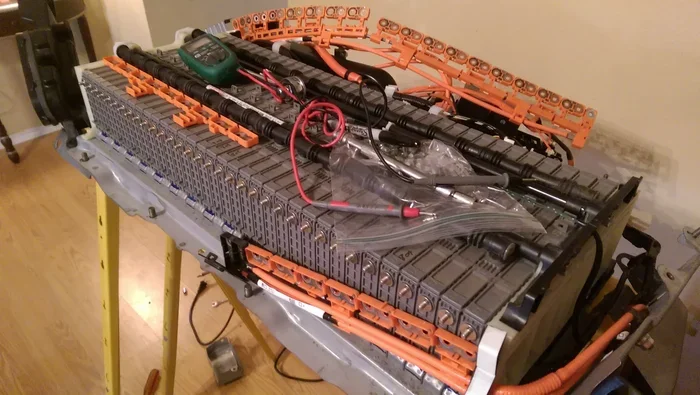
Before we talk about failure signs, it helps to understand what you are dealing with. Your Toyota hybrid battery is a high-voltage nickel-metal hydride or lithium-ion pack. It stores energy that the electric motor uses to assist the gas engine. This partnership is what gives hybrid vehicles their excellent fuel economy.
Unlike a standard car battery that starts your engine, the hybrid battery powers the electric motor and captures energy through regenerative braking. This means it charges itself every time you slow down. Over time, however, the battery cells degrade. Each charge-discharge cycle slightly reduces the overall capacity. This is completely normal and expected.
Most Toyota hybrid batteries are designed to last between 100,000 and 200,000 miles. Some last even longer with proper care. But factors like driving habits, climate, and maintenance can shorten that lifespan. Understanding this helps you set realistic expectations and catch problems early.
Why Hybrid Batteries Degrade Over Time
Several factors contribute to hybrid battery wear. Here are the most common ones:
- Age and mileage: Simply put, the more you drive and the older the battery gets, the more it degrades.
- Extreme temperatures: Both very hot and very cold climates stress the battery cells and reduce their efficiency.
- Frequent deep discharges: Regularly running the battery down to very low levels accelerates wear.
- Lack of use: If a hybrid sits unused for long periods, the battery can lose charge capacity. How long a hybrid sits without being driven directly impacts battery health.
- Charging habits: Not using regenerative braking properly or always driving on short trips can prevent the battery from fully cycling.
Warning Signs Your Toyota Hybrid Battery Needs Replacing
Your Toyota gives you signals when the hybrid battery is struggling. Recognizing these signs early gives you the best chance to address the problem before it becomes expensive. Here are the most common symptoms to watch for.
Reduced Fuel Economy
This is often the first and most noticeable sign. If you suddenly find yourself filling up the gas tank more often, your hybrid battery may be the culprit. A healthy hybrid battery handles a large portion of the driving workload. When it starts to fail, the gas engine picks up the slack. The result? Significantly worse miles per gallon.
Keep track of your fuel economy over time. Most Toyotas display average MPG on the dashboard. If you notice a consistent drop of 15% or more, it is worth investigating further. Compare your current numbers to what you experienced when the battery was new.
Dashboard Warning Lights
Toyota vehicles are equipped with sophisticated diagnostic systems. When the hybrid battery starts to fail, warning lights will appear on your dashboard. The most common ones include:
- The hybrid system warning light: This looks like a triangle with an exclamation point. It indicates a problem with the hybrid powertrain.
- The check engine light: While this light can mean many things, it often illuminates when the hybrid battery is underperforming.
- The battery charge warning light: This shows that the hybrid battery is not holding a proper charge.
If you see any of these lights, do not ignore them. You can also check whether the check engine light on Toyota models correlates with battery issues by having a diagnostic scan performed.
Unusual Battery Behavior
Pay attention to how your battery behaves during daily driving. Some specific behaviors to watch for include:
- The battery gauge drops unusually fast during driving.
- The battery does not recharge as quickly during braking or coasting.
- The vehicle frequently switches to gas-only mode even at low speeds.
- You notice the engine running more often than usual, even in city driving.
- The battery shows inconsistent charge levels from one start to the next.
Reduced Electric-Only Driving Range
Many Toyota hybrids offer an electric-only mode for low-speed driving. This is one of the best features of owning a hybrid. If you notice that this mode activates less frequently or stops working altogether, your battery is likely losing capacity. A healthy battery should easily support electric-only operation in parking lots and residential streets.
Strange Noises or Smells
In more serious cases, a failing hybrid battery can produce physical warning signs. Listen for unusual humming or buzzing sounds coming from the battery area. Smell for any sweet or chemical odors near the rear seats or trunk. These are red flags that warrant immediate inspection.
How to Test Your Toyota Hybrid Battery Health
Once you notice warning signs, the next step is to test the battery. There are several approaches, ranging from simple observations to professional diagnostics. Here is what you need to know.
DIY Checks You Can Perform
Before visiting a mechanic, try these simple checks at home:
- Check the dashboard displays: Look at the energy flow indicator on your Toyota. It shows how the battery is charging and discharging during driving. Erratic or flat readings suggest a problem.
- Monitor fuel economy: Track your MPG for two full tanks of gas. A significant and consistent drop points to battery issues.
- Inspect the battery area: Open the rear hatch or trunk and look for visible damage, corrosion, or swelling on the battery pack casing.
- Note the age and mileage: If your Toyota has over 100,000 miles and is more than 8 years old, battery degradation becomes more likely. How long a hybrid battery lasts varies, but age is a strong factor.
Professional Diagnostic Testing
For a definitive answer, take your Toyota to a qualified technician. Professional diagnostics include:
- Battery cell voltage test: Each cell in the battery pack is tested individually. Weak cells indicate degradation.
- Capacity test: This measures the battery’s total capacity compared to its original specification. A drop of more than 20% usually means replacement is needed.
- Internal resistance test: High internal resistance means the battery cannot deliver power efficiently.
- OBD-II scan: A diagnostic scanner reads error codes stored in the hybrid control module. Specific codes point directly to battery problems.
Many Toyota dealerships and independent hybrid specialists offer these tests. Some may charge a small diagnostic fee, but it is well worth the cost compared to the price of an unnecessary battery replacement.
Hybrid Battery Replacement Cost and Options
Replacing a Toyota hybrid battery is a significant investment. Understanding the costs and options helps you make the best decision for your budget and vehicle.
What to Expect Cost-Wise
The cost of replacing a Toyota hybrid battery varies widely depending on several factors:
- Toyota model: A Camry Hybrid battery costs differently than a Prius battery or a Highlander Hybrid battery.
- New vs. refurbished: A brand-new OEM battery typically costs between $4,000 and $8,000. A refurbished or remanufactured battery can cost between $2,000 and $4,000.
- Labor costs: Installation typically adds $500 to $1,500 depending on the complexity of the job.
- Location: Prices vary by region and shop. Dealerships generally charge more than independent specialists.
Here is a quick comparison of common Toyota hybrid battery replacement costs:
| Toyota Model | New Battery Cost | Refurbished Battery Cost | Estimated Labor |
|---|---|---|---|
| Prius (Gen 3-4) | $3,500 – $5,000 | $1,800 – $3,000 | $500 – $1,000 |
| Camry Hybrid | $4,000 – $6,500 | $2,200 – $3,800 | $600 – $1,200 |
| Highlander Hybrid | $5,000 – $8,000 | $2,800 – $4,500 | $700 – $1,500 |
| RAV4 Hybrid | $4,500 – $7,000 | $2,500 – $4,000 | $600 – $1,200 |
Keep in mind that these are approximate figures. Contact your local dealer or specialist for an accurate quote based on your specific vehicle and year.
New vs. Refurbished vs. Rebuilt
You have three main options when replacing your battery:
- New OEM battery: This comes directly from Toyota or an authorized supplier. It offers the best performance and longest warranty, typically 8-10 years. However, it is the most expensive option.
- Refurbished battery: This is a used battery that has been professionally restored. It offers a good balance of cost and reliability. Quality varies by supplier, so choose carefully.
- Rebuilt battery: Individual weak cells are replaced within the existing pack. This is often the most affordable option but depends on the skill of the rebuilder.
Extending the Life of Your Toyota Hybrid Battery
Prevention is always better than replacement. You can take several steps to keep your Toyota hybrid battery healthy for as long as possible.
Daily Driving Habits That Help
- Avoid fully draining the battery: Try not to let the charge drop to zero regularly. Keep it between 20% and 80% for optimal health.
- Drive smoothly: Aggressive acceleration and hard braking put extra stress on the battery. Smooth driving reduces wear.
- Use regenerative braking: Coast to stops when safe. This charges the battery naturally and reduces strain on the braking system.
- Take longer trips: Short trips do not allow the battery to fully charge and discharge properly. Occasionally taking a longer drive helps balance the cells.
Maintenance Schedule
- Every 15,000 miles: Have the hybrid system inspected during routine service.
- Every 30,000 miles: Request a battery health check as part of your regular maintenance.
- Every 60,000 miles: Perform a comprehensive battery diagnostic test.
- Do you really need a 60,000-mile service? Absolutely, yes. This is a critical interval for checking hybrid battery health and overall system performance.
Climate Considerations
If you live in an area with extreme heat or cold, take extra precautions. Park in a garage or shaded area when possible. In very cold weather, the battery may need more time to reach optimal operating temperature. In extreme heat, the battery cooling system works harder. Keeping your Toyota in a temperature-controlled environment when possible helps preserve battery health.
When to Replace vs. When to Wait
Not every hybrid battery issue requires immediate replacement. Sometimes a simple repair or reset can solve the problem. Here is how to decide.
Signs You Can Wait
- Minor reduction in fuel economy that stabilizes over time.
- Occasional dashboard warning light that clears after restarting the vehicle.
- Slight reduction in electric-only mode that does not affect daily driving.
- Battery diagnostic shows cells within acceptable range (less than 15% degradation).
Signs You Need to Replace Soon
- Fuel economy drops by more than 25% consistently.
- Warning lights stay on and do not clear after restarting.
- The vehicle enters “limp mode” and limits performance.
- Battery cells show more than 20% degradation on professional testing.
- Visible physical damage to the battery pack.
- The battery cannot hold a charge overnight.
Quick Tips for Battery Replacement Decisions
- Always get a second opinion before committing to a full battery replacement.
- Ask about battery warranty coverage, especially if your Toyota is still under the hybrid battery warranty (typically 8-10 years or 100,000 miles).
- Consider the total cost of ownership. A new battery in a high-mileage vehicle may not make financial sense compared to selling or trading in.
- If you are looking to sell, how much can you sell your car for with a degraded hybrid battery? The answer is less than market value, so factor this into your decision.
Common Mistakes to Avoid
- Ignoring warning signs: Many owners dismiss early symptoms and end up with a completely dead battery and additional damage to the hybrid system.
- Choosing the cheapest option without research: A bargain battery from an unknown source may fail within months. Always check the warranty and supplier reputation.
- Skipping regular maintenance: Routine service catches small battery issues before they become big problems.
- Assuming the entire hybrid system is broken: Sometimes the problem is a sensor, a relay, or a wiring issue, not the battery itself. Always get a proper diagnosis first.
Expert Insight
Experienced Toyota technicians often say that most hybrid batteries last well beyond the warranty period with proper care. The key is staying proactive. Do not wait until the battery completely fails. Early detection and intervention can mean the difference between a simple cell replacement and a full battery pack swap. If you are unsure about your battery’s health, schedule a diagnostic test at your next service appointment. It is one of the best investments you can make for your vehicle’s longevity.
Final Thoughts on Toyota Hybrid Battery Replacement
Your Toyota hybrid battery is a durable and reliable component, but it does not last forever. By staying alert to the warning signs, performing regular maintenance, and understanding your options, you can make smart decisions about when to replace it. The key is to act early rather than wait for a complete failure.
Remember that every Toyota hybrid is different. Your driving habits, climate, and maintenance routine all play a role in battery longevity. Use the information in this guide to monitor your battery’s health and catch problems before they escalate. Whether you choose a new, refurbished, or rebuilt battery, the most important thing is that you make an informed decision based on professional diagnostics and your budget.
Take care of your Toyota hybrid battery, and it will take care of you. Keep driving, keep monitoring, and do not hesitate to seek professional help when the signs point to battery degradation. Your wallet and your vehicle will thank you for it.
Frequently Asked Questions
How long does a Toyota hybrid battery typically last?
Most Toyota hybrid batteries last between 100,000 and 200,000 miles, or roughly 8 to 10 years. With proper care and good driving habits, some batteries last even longer. The battery’s lifespan depends heavily on your driving conditions, climate, and how well you maintain the hybrid system.
Can I still drive my Toyota if the hybrid battery is failing?
Yes, in most cases you can still drive your Toyota with a failing hybrid battery. The gas engine will take over more of the workload. However, fuel economy will suffer significantly, and you risk damaging other hybrid system components by delaying replacement. It is best to address the issue as soon as possible.
Is it worth replacing a Toyota hybrid battery?
It depends on your vehicle’s overall condition and your budget. If the rest of the car is in great shape, replacing the battery can add many more years of reliable service. However, if your Toyota has high mileage and other major issues, the cost of replacement may not make financial sense. Consider the total value of the vehicle before deciding.
Does Toyota cover hybrid battery replacement under warranty?
Toyota provides a hybrid battery warranty that typically covers 8 years or 100,000 miles, whichever comes first. In some states with stricter emissions laws, the coverage extends to 10 years or 150,000 miles. If your vehicle is still within the warranty period, the replacement cost may be fully or partially covered.
Can I replace my Toyota hybrid battery myself?
While it is technically possible, replacing a Toyota hybrid battery is not a DIY-friendly job. The battery pack is a high-voltage system that requires specialized tools and safety equipment. Improper handling can be dangerous and may void your vehicle’s warranty. Always rely on a qualified technician or Toyota dealership for battery replacement.
What is the difference between a hybrid battery and a regular car battery?
A regular car battery is a 12-volt lead-acid battery that starts the engine and powers accessories. A Toyota hybrid battery is a high-voltage pack that powers the electric motor and stores energy from regenerative braking. The hybrid battery is much larger, more complex, and designed for repeated charge-discharge cycles over many years of driving.