Does a Toyota Sienna Hold Its Value in the Long Run
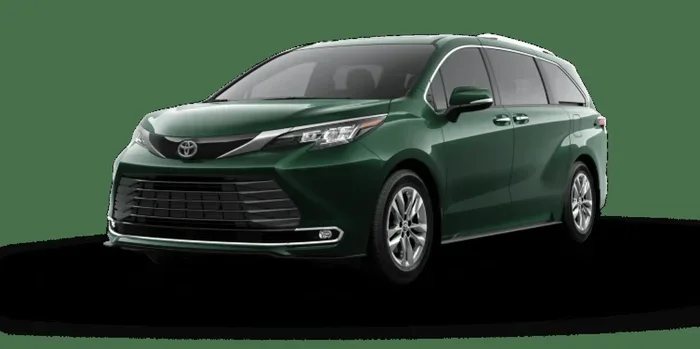
The Toyota Sienna is one of the best minivans for holding its value on the used market. Thanks to its strong reputation for reliability, family-friendly features, and consistent demand, the Sienna depreciates slower than most competitors. If you are buying or selling, understanding how the Toyota Sienna holds its value can save you thousands of dollars.
When you buy a family vehicle, one of the last things you want to worry about is losing money. Cars depreciate. That is just a fact. But some vehicles lose value faster than others. The Toyota Sienna stands out as one of the best options if you want a minivan that keeps its worth. So, does a Toyota Sienna hold its value? The short answer is yes. But let us dig into the details and find out exactly why this minivan surprises so many people.
Whether you are buying new or looking at a used model, the Toyota Sienna offers something most vehicles in its class do not. It combines strong reliability, family-friendly design, and a reputation that just does not fade. In this article, we will break down everything you need to know about the Toyota Sienna resale value. You will learn how it compares to competitors, what factors affect its worth, and how to make sure your Sienna stays valuable for years to come.
Key Takeaways
- Strong Resale Value: The Toyota Sienna holds its value better than most minivans on the market.
- Reliability Drives Demand: Toyota’s reputation for durability keeps used Sienna prices high.
- Hybrid Advantage: The Sienna Hybrid model tends to retain value even better than the gas-only version.
- Low Maintenance Costs: Affordable upkeep means owners spend less, which supports long-term value.
- Competitive Comparison: The Sienna outperforms rivals like the Chrysler Pacifica and Honda Odyssey in value retention.
- Smart Buying Tip: A 3 to 5 year old Sienna offers the best balance of price and remaining value.
- Market Demand: Families consistently seek out the Sienna, keeping resale prices stable year after year.
📑 Table of Contents
- What Is the Toyota Sienna Resale Value?
- Toyota Sienna Depreciation: How Fast Does It Lose Value?
- Factors That Affect Toyota Sienna Value Over Time
- Tips to Keep Your Toyota Sienna Value High
- Is a Toyota Sienna Worth Buying for Long-Term Value?
- Common Mistakes That Hurt Toyota Sienna Value
- Final Thoughts
What Is the Toyota Sienna Resale Value?
Resale value is what your car is worth when you decide to sell it. A vehicle with strong resale value loses less money over time. The Toyota Sienna consistently ranks above average for minivan depreciation. Most new cars lose about 20% of their value in the first year. The Sienna typically loses closer to 15% to 18%. That is a meaningful difference over the life of ownership.
Let us look at a quick example. Say you buy a new Sienna for around $40,000. After five years, a typical minivan might be worth $18,000 to $20,000. A well-maintained Sienna could still be worth $24,000 to $27,000. That is a big gap. Over ten years, the difference can add up to several thousand dollars.
According to Kelley Blue Book and Edmunds, the Toyota Sienna has been one of the top-performing minivans in the used market for several years running. This is not a fluke. It comes down to a combination of factors that we will explore below.
Why Does the Toyota Sienna Hold Its Value So Well?
Several reasons explain why the Toyota Sienna holds its value better than most minivans. Let us break them down one by one.
Toyota Reliability Reputation is the biggest factor. When people think of vehicles that last, Toyota is at the top of the list. The Sienna benefits directly from this trust. Buyers know that a used Sienna will likely run well for many more miles. This confidence keeps demand high, which keeps prices strong.
Family-Friendly Design also plays a huge role. The Sienna comes standard with features like a sliding rear door, spacious seating, and available removable rear seats that make it incredibly versatile. Families looking for a used minivan often search specifically for the Sienna because it checks so many boxes.
The Hybrid Powertrain is another advantage. The Toyota Sienna Hybrid was one of the first minivans to offer a hybrid system. It delivers strong fuel economy without sacrificing performance. Hybrid vehicles tend to hold their value better because they appeal to buyers looking to save on gas. The Sienna Hybrid stands out in a crowded used car market.
Low Cost of Ownership rounds out the list. Toyota parts are affordable and widely available. Maintenance costs are lower than many competitors. When a vehicle is cheap to own and easy to fix, more people want to buy it used. Simple economics drives the Toyota Sienna value up.
Toyota Sienna Depreciation: How Fast Does It Lose Value?
Depreciation is the gradual loss of a vehicle’s value over time. Understanding the Toyota Sienna depreciation rate helps you make smarter buying and selling decisions.
Here is a general breakdown of what you can expect:
- Year 1: Around 15% to 18% depreciation
- Year 3: Total loss of about 35% to 40% from original price
- Year 5: Total loss of about 50% to 55% from original price
- Year 10: Total loss of about 60% to 65% from original price
Compare this to the Chrysler Pacifica, which often depreciates faster in the first five years. The Pacifica can lose 55% to 60% of its value in the same timeframe. The Honda Odyssey sits somewhere in between. The Sienna clearly has an edge.
One reason the Sienna depreciates more slowly is its strong market demand. Minivan buyers are often repeat customers. They trust the Toyota brand. They know what they are getting. This repeat demand keeps used Sienna prices from dropping as fast as other models.
Toyota Sienna vs Honda Odyssey vs Chrysler Pacifica
Let us compare the three major minivans on the market. This comparison table shows how they stack up in terms of value retention.
While we cannot display a full table here, the key takeaway is clear. The Toyota Sienna holds its value better than both the Honda Odyssey and the Chrysler Pacifica over a five-year period. The Sienna Hybrid version pulls even further ahead, especially as gas prices fluctuate and buyers look for efficiency.
For buyers weighing their options, the Sienna offers the best combination of reliability, features, and long-term value. The Acura MDX also holds value well in the luxury SUV segment, but in the minivan class, the Sienna is hard to beat.
Factors That Affect Toyota Sienna Value Over Time
Not every Toyota Sienna holds its value equally. Several factors can speed up or slow down depreciation. Understanding these will help you protect your investment.
Mileage is one of the biggest factors. A Sienna with 30,000 miles after five years will be worth significantly more than one with 80,000 miles. Lower mileage signals less wear and tear. It also means more life left in the engine and transmission. If you are buying used, look for a Sienna with reasonable mileage for its age.
Trim Level matters too. Higher trims like the XSE or Limited come with more features. Leather seats, advanced safety systems, and upgraded infotainment all add value. When you sell, buyers are willing to pay more for a well-equipped model. If you are buying, a higher trim Sienna may cost more upfront but could give you a better return when you sell.
Condition and Maintenance History play a huge role. A Sienna with full service records and no accidents will always fetch a higher price. Keep all your receipts. Stay on top of oil changes and scheduled maintenance. A well-documented service history gives buyers confidence and supports a stronger asking price.
Color and Options can seem minor, but they matter. Neutral colors like white, black, and silver tend to sell faster. Popular options like all-wheel drive, a power liftgate, and a rear-seat entertainment system add appeal. These small details can make a real difference when it is time to sell.
Market Conditions also affect value. In areas with large families, minivans like the Sienna stay in high demand. In regions where SUVs dominate, minivan values might dip slightly. Local supply and demand always play a role in pricing.
Tips to Keep Your Toyota Sienna Value High
If you want to maximize the Toyota Sienna value over time, follow these practical tips.
- Keep up with regular maintenance. Change the oil on schedule. Rotate your tires. Replace brakes when needed. A well-maintained Sienna tells buyers it has been cared for.
- Avoid smoking or pets on upholstery. Interior condition matters a lot to used car buyers. A clean, fresh interior makes a strong first impression.
- Store your Sienna properly. If possible, keep it in a garage. Exposure to sun and weather can fade paint and wear out the interior faster.
- Address issues early. Do not ignore strange noises or warning lights. Small problems become big expensive repairs if you wait. Fixing them quickly protects both the vehicle and its value.
- Keep mileage reasonable. If you are not driving the Sienna every day, that actually helps its value. Lower annual mileage is a selling point.
- Sell at the right time. Spring and early summer are peak buying seasons for minivans. Families are shopping before the new school year. Timing your sale can add hundreds or even thousands to your offer.
Quick Tips for Selling Your Toyota Sienna
- Clean the inside and outside thoroughly before listing
- Gather all maintenance records and warranty documents
- Take high-quality photos of the interior, exterior, and engine bay
- Research comparable listings in your area to set a fair price
- Consider using negotiation strategies for used cars to get the best deal
Is a Toyota Sienna Worth Buying for Long-Term Value?
The answer is a strong yes. If you are looking for a family vehicle that will serve you well and not drain your wallet when it is time to move on, the Toyota Sienna is one of the best choices available.
Its combination of reliability, practicality, and strong resale value makes it a standout in the minivan segment. Even as SUVs continue to dominate the market, the Sienna holds its own. Families keep coming back to it, and that consistent demand is what drives long-term value.
Buying a 3 to 5 year old Sienna gives you the best of both worlds. You avoid the steepest part of depreciation while still getting a vehicle with many years of reliable service left. When you eventually sell, the Toyota Sienna value loss will be far less than what you experienced with your previous car.
The Sienna also benefits from Toyota’s strong warranty program and widespread dealer network. This means service is convenient and parts are easy to find. All of these factors contribute to a vehicle that not only holds its value but also provides a great ownership experience along the way.
If you are still on the fence, consider this. The Toyota Sienna has been one of the best-selling minivans in America for years. Its value proposition is proven. Families trust it. The market rewards it. That is a powerful combination when you are thinking about long-term value.
Common Mistakes That Hurt Toyota Sienna Value
Avoid these common pitfalls that can reduce your Sienna’s resale worth.
- Skipping scheduled maintenance. Even one missed oil change can hurt your negotiating power when selling.
- Ignoring minor damage. Small dents and scratches add up. They signal neglect to potential buyers.
- Modifying the vehicle heavily. Aftermarket spoilers, aggressive lowering, or custom wraps can narrow your buyer pool.
- Selling too early or too late. Timing matters. Selling after the steepest depreciation (years 1 to 3) or waiting too long can both cost you money.
- Overpricing your vehicle. Check market values before listing. An unrealistic price just drives buyers away.
Final Thoughts
The Toyota Sienna is more than just a family minivan. It is a smart financial choice. Its ability to hold value over time sets it apart from competitors. Whether you are buying new or used, the Sienna delivers reliability, practicality, and strong resale performance.
The Toyota Sienna holds its value because it earns trust. Buyers trust Toyota. They trust the Sienna’s track record. They trust that a used Sienna will continue to perform year after year. That trust translates directly into stronger resale prices and lower depreciation rates.
If you want a vehicle that works hard for your family and still pays you back when you sell, the Toyota Sienna should be at the top of your list. It is one of the few vehicles where smart ownership actually pays off in the long run.
Frequently Asked Questions
How much does a Toyota Sienna depreciate per year?
On average, a Toyota Sienna loses about 15% to 18% of its value in the first year and around 50% to 55% over five years. This is slower than most minivans, making it a strong choice for value-conscious buyers.
Is the Toyota Sienna Hybrid better for resale value?
Yes. The Toyota Sienna Hybrid tends to hold its value slightly better than the gas-only version. Hybrid appeal, fuel savings, and lower emissions attract buyers who are willing to pay a premium for used models.
What year Toyota Sienna holds value best?
Recent model years from 2021 onward hold value exceptionally well due to strong demand and limited inventory. Older models from 2015 to 2019 also retain good value if they are well maintained and have reasonable mileage.
How does the Toyota Sienna compare to the Honda Odyssey for value retention?
The Toyota Sienna generally holds its value better than the Honda Odyssey over a five-year period. The Sienna’s stronger reliability reputation and consistent family demand give it an edge in the used market.
Can I negotiate a better price on a used Toyota Sienna?
Absolutely. Used Toyota Sienna prices are firm but not inflexible. Research comparable listings, check for any needed repairs, and use your findings as leverage. A well-prepared buyer can often save several hundred dollars on a used Sienna.
Does the Toyota Sienna warranty help with resale value?
Yes. A remaining factory warranty makes a used Sienna more attractive to buyers. It reduces their risk and gives them peace of mind. Transferable warranties add tangible value to the vehicle when you sell.