Does a Lift Kit Void Your Toyota Manufacturer Warranty
Does a lift kit void Toyota warranty? The short answer is: it depends. Installing an aftermarket lift kit can lead to denied claims if the modification directly causes the problem. However, the Magnuson-Moss Warranty Act protects consumers, meaning a dealer cannot blanket deny all warranty work simply because you have a lift kit. Understanding your rights and how to document your installation is key to keeping your Toyota warranty intact.
Toyota trucks and SUVs are some of the most popular vehicles on the road. They are tough, reliable, and built to last. But what happens when you want to add a lift kit to your Toyota? A common question among Toyota owners is whether adding a lift kit will void the manufacturer warranty. The answer is not as simple as yes or no. In this guide, we break down the facts so you can make an informed decision.
If you are considering a suspension lift for your Toyota, you are not alone. Thousands of Toyota owners add lift kits every year for better off-road performance, improved ground clearance, or a more aggressive look. But before you visit your local shop, it is important to understand how a lift kit affects your Toyota warranty coverage. Let us walk through everything you need to know.
Key Takeaways
- A lift kit does not automatically void your Toyota warranty: Dealers must prove the modification caused the specific issue before denying a claim.
- The Magnuson-Moss Warranty Act is your protection: Federal law prevents manufacturers from making blanket warranty voiding rules for aftermarket parts.
- Documentation matters: Keep receipts, installation records, and use quality parts to strengthen your warranty position.
- Dealers can deny specific claims: If a suspension issue is directly linked to the lift kit, the dealer may refuse to cover that particular repair.
- You can visit any dealership for warranty work: Your warranty is valid at authorized Toyota dealers regardless of modifications.
- OEM parts help your case: Using manufacturer-recommended components reduces the risk of warranty disputes.
📑 Table of Contents
- What Is a Lift Kit and Why Do People Install Them?
- Does a Lift Kit Void Your Toyota Manufacturer Warranty?
- The Magnuson-Moss Warranty Act: What You Need to Know
- When Can a Dealer Deny Your Warranty Claim?
- Tips to Protect Your Toyota Warranty After Installing a Lift Kit
- Common Mistakes Toyota Owners Make After Installing a Lift Kit
- Real-World Examples: Lift Kits and Toyota Warranty Claims
- Final Verdict: Should You Install a Lift Kit on Your Toyota?
What Is a Lift Kit and Why Do People Install Them?
A lift kit is a set of components that raises the body or suspension of your vehicle. It increases the distance between the ground and the chassis of your Toyota. There are different types of lift kits available. Some raise the suspension only. Others lift both the suspension and the body. The type you choose depends on your goals and your budget.
People install lift kits for many reasons. Off-road enthusiasts want more ground clearance to tackle rocks, mud, and trails. Others want to fit larger tires for a more rugged look. Some drivers live in areas with bad roads and need the extra height to avoid damage. Whatever your reason, a lift kit can transform how your Toyota performs and looks.
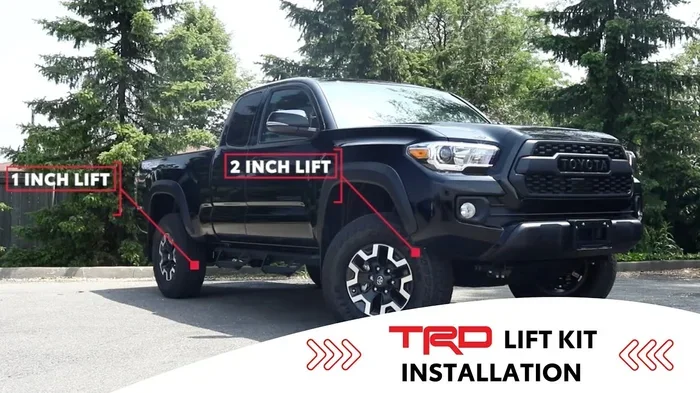
Lift kits come in different sizes too. A small leveling kit might raise the front by just one to two inches. A full suspension lift can add four inches or more. The bigger the lift, the more impact it can have on your vehicle. This is why understanding warranty implications matters before you commit to a suspension modification.
Does a Lift Kit Void Your Toyota Manufacturer Warranty?
This is the big question. The simple answer is no, a lift kit does not automatically void your entire Toyota warranty. However, there is a catch. Your dealer can deny warranty claims for specific parts or repairs if they determine the lift kit directly caused the problem. This is an important distinction that many Toyota owners misunderstand.
Here is how it works in practice. Let us say you install a lift kit and later your transmission fails. The dealer would need to prove that the lift kit caused the transmission failure. If they cannot show a direct link, they must still honor the warranty. But if your lift kit causes your driveshaft to vibrate and damage the transmission, the dealer may deny that specific claim.
The key takeaway here is that a lift kit does not give your dealer a free pass to deny all warranty work. They must show a direct cause-and-effect relationship between the modification and the repair. This is where many owners do not realize their rights. Understanding this can save you time, money, and a lot of frustration at the dealership.
What the Warranty Covers After a Lift Kit
Your Toyota warranty covers many parts and systems. These include the engine, transmission, electrical systems, and more. After you install a lift kit, all of these systems are still covered. The warranty does not disappear. It only becomes limited when it comes to parts that the lift kit may have affected.
For example, your warranty may still cover your air conditioning system. It may still cover your infotainment screen. But if you install larger tires that rub against the suspension and cause damage, the dealer may deny that specific repair. The rule of thumb is simple: if the modification did not cause the problem, the warranty still applies.
Can You Use Aftermarket Parts Without Losing Warranty?
Yes, you can use aftermarket parts like a lift kit without losing your entire warranty. This is protected by federal law. The Magnuson-Moss Warranty Act makes it illegal for manufacturers to void your warranty just because you used aftermarket parts. Your dealer must prove that the specific part you added caused the specific problem before they can deny the claim.
Many Toyota owners worry about this. They fear that one aftermarket part will cancel everything. That is simply not true. You can add a lift kit, a cold air intake, or any other modification without fear of losing your full warranty coverage. Just be smart about it and keep your records.
The Magnuson-Moss Warranty Act: What You Need to Know
The Magnuson-Moss Warranty Act is a federal law that protects consumers. It was passed in 1975 to prevent manufacturers from using unfair warranty practices. Under this law, a company cannot require you to use only their parts to keep your warranty valid. This is called a “tie-in” restriction, and it is illegal.
What does this mean for you and your Toyota? It means your dealer cannot say “your warranty is void because you installed a lift kit.” They must prove that the lift kit caused the specific issue you are claiming. This is a powerful protection for every Toyota owner who wants to customize their vehicle.
However, you still need to be careful. If you install a cheap lift kit and it damages other parts, the dealer can deny the claim for those specific damaged parts. The law does not protect you from the consequences of poor-quality parts or bad installation. This is why choosing a reputable installer and quality components matters so much.
Also, if you take your Toyota to any dealership for warranty work, the Magnuson-Moss Act still applies. You are not limited to your home dealer. You can visit any authorized Toyota dealer and your warranty coverage remains valid. This is a great benefit for Toyota owners who travel or relocate.
When Can a Dealer Deny Your Warranty Claim?
There are specific situations where a dealer may deny your warranty claim after a lift kit installation. Understanding these situations helps you avoid problems before they happen. Here are the most common reasons a dealer might deny a claim:
- Direct causation: The dealer proves that the lift kit directly caused the failure. For example, a lift kit that changed the suspension geometry and caused premature wear on a CV joint.
- Improper installation: The lift kit was installed incorrectly and caused damage. This is why choosing a professional installer is so important.
- Incompatible parts: The lift kit used parts that were not compatible with your Toyota model. This can cause stress on other components.
- Neglect: The lift kit required maintenance that was not performed, leading to a failure. For example, not re-aligning your wheels after a lift.
If any of these situations apply, the dealer has a valid reason to deny the specific claim. But again, they cannot deny your entire warranty. Other unrelated systems must still be covered under your original Toyota manufacturer warranty.
How Dealers Determine Causation
Dealers use several methods to determine if a modification caused a problem. They may inspect the damaged part for signs of improper fitment. They may compare the failure to normal wear patterns. They may also consult with Toyota engineers. This process takes time and evidence. If they cannot prove causation, the claim must be honored.
This is why keeping detailed records of your lift kit installation is so valuable. Receipts, invoices, and installation photos can help you prove that the work was done correctly. If a dispute arises, these documents become your best defense.
Tips to Protect Your Toyota Warranty After Installing a Lift Kit
Want to add a lift kit and keep your warranty safe? Follow these practical tips to protect yourself. These steps are simple but they make a big difference if you ever need to file a warranty claim.
- Choose a quality lift kit: Spend money on a reputable brand. Cheap lift kits may save you money upfront but can cause expensive problems later. Quality parts are less likely to fail and cause damage to other components.
- Use a professional installer: Do not try to install the lift kit yourself unless you are very experienced. A professional installer will ensure everything is done correctly. Many installers also offer warranties on their work, which adds another layer of protection.
- Keep all documentation: Save every receipt, invoice, and warranty card from the lift kit and the installation. Keep photos of the before and after. These records will be invaluable if a warranty dispute ever arises.
- Use OEM or recommended parts where possible: When it comes to fluids and small components, stick with manufacturer-recommended options. For example, using the right oil weight like 5W20 or 5W30 as specified by Toyota helps avoid disputes about proper maintenance.
- Stay on top of maintenance: After a lift kit, your Toyota may need extra attention. Get regular alignments, check your suspension components, and inspect your new tires. Staying proactive shows the dealer that you are a responsible owner.
- Disclose the modification: When you visit the dealership for service, let them know about the lift kit upfront. Hiding modifications can backfire if a problem arises later. Being honest builds trust and makes the process smoother.
Following these tips does not guarantee you will never have a warranty issue. But it significantly reduces the risk of a dispute. It also shows your dealer that you took the modification seriously and did it the right way.
Common Mistakes Toyota Owners Make After Installing a Lift Kit
Many Toyota owners make avoidable mistakes after installing a lift kit. These mistakes can lead to warranty problems or costly repairs. Here are the most common ones to watch out for:
- Skipping the alignment: A lift kit changes your suspension geometry. If you do not get a proper alignment after installation, you will wear through your tires quickly. This is one of the most common and preventable issues.
- Ignoring recommended maintenance: Some lift kits require special maintenance schedules. For example, you may need to check your shock absorbers more frequently. Ignoring these checks can lead to premature failure.
- Using the wrong fluid: This is a big one. Using the wrong transmission fluid or coolant can cause serious damage. Always check your owner manual and use the fluids Toyota recommends. If you are unsure about which fluid to use, consult your dealer or a trusted mechanic.
- Over-tightening components: During installation, some bolts need to be torqued to specific specifications. Over-tightening can strip threads or crack components. Always let a professional handle the installation.
- Not checking insurance coverage: Some insurance policies may need to be updated after a lift kit. Your vehicle is now taller and may have different handling characteristics. Make sure your coverage reflects the changes.
Avoiding these mistakes keeps your Toyota running smoothly and your warranty intact. A little extra effort goes a long way toward protecting your investment.
Real-World Examples: Lift Kits and Toyota Warranty Claims
Let us look at a few real-world scenarios to bring this topic to life. These examples show how warranty claims work after a lift kit installation.
Scenario 1: The Successful Claim. Mike installs a suspension lift on his Toyota Tacoma. Six months later, his power window motor fails. He takes it to the dealer. The dealer inspects the vehicle and confirms the window motor failure has nothing to do with the lift kit. The claim is honored, and Mike gets the repair done for free. This is how it should work.
Scenario 2: The Denied Claim. Sarah installs a lift kit on her Toyota RAV4. A few months later, she notices a vibration in the drivetrain. The dealer inspects the vehicle and finds that the lift kit changed the driveshaft angle, causing premature wear. The dealer denies the claim for the driveshaft repair because the lift kit directly caused the issue. Sarah has to pay for the repair herself.
Scenario 3: The Partial Coverage. John installs a lift kit and larger tires on his Toyota 4Runner. He also needs new brakes a few months later. The dealer inspects the brakes and finds they are worn normally. The brake claim is honored even though John has a lift kit. This shows that unrelated repairs are still fully covered.
These examples show that the outcome depends entirely on whether the lift kit caused the specific problem. Keep this in mind as you plan your modification.
Final Verdict: Should You Install a Lift Kit on Your Toyota?
So, does a lift kit void your Toyota manufacturer warranty? The answer is no, not entirely. A lift kit does not cancel your warranty across the board. Your dealer can only deny claims for problems directly caused by the modification. The Magnuson-Moss Warranty Act protects your rights as a consumer.
If you want to install a lift kit on your Toyota, go for it. Just do it the right way. Choose quality parts, use a professional installer, and keep your records. Be upfront with your dealer about the modification. Follow these steps and you can enjoy the benefits of a lifted Toyota without putting your warranty at unnecessary risk.
Your Toyota is a significant investment. Protecting that investment means understanding your rights and responsibilities. A lift kit can enhance your driving experience and give your Toyota a new look. With the right approach, you can have both the modification and the peace of mind that comes with full warranty coverage.
Before you make any changes, take time to research the specific lift kit you want. Read reviews, check fitment for your Toyota model, and talk to other Toyota owners who have gone through the same process. The more informed you are, the better your experience will be. A well-planned lift kit installation is a win for performance, style, and your warranty.
Remember, your Toyota warranty is there to protect you. Do not let fear of losing coverage stop you from customizing your vehicle the way you want. Just be smart, be informed, and enjoy the ride.
Frequently Asked Questions
Will installing a lift kit void my entire Toyota warranty?
No, installing a lift kit does not void your entire Toyota warranty. The dealer can only deny claims for repairs directly caused by the lift kit. All other warranty coverage remains intact and fully valid.
Can Toyota deny a warranty claim just because I have a lift kit?
Toyota cannot deny a warranty claim simply because you have a lift kit installed. They must prove that the lift kit directly caused the specific problem. If they cannot establish that connection, the claim must be honored.
What is the Magnuson-Moss Warranty Act and how does it help me?
The Magnuson-Moss Warranty Act is a federal law that prevents manufacturers from voiding your warranty just because you used aftermarket parts. It requires the manufacturer to prove that the aftermarket part caused the specific failure before they can deny a claim.
Should I tell my Toyota dealer about the lift kit?
Yes, you should always disclose your lift kit to the dealer. Being upfront builds trust and makes the warranty process smoother. If you hide the modification and a problem arises, it can complicate the claim process unnecessarily.
Can I still get warranty service at any Toyota dealership after installing a lift kit?
Yes, you can visit any authorized Toyota dealership for warranty service. Your warranty is not tied to a single dealer. You can take your Toyota to any authorized dealer regardless of any aftermarket modifications.
What kind of lift kit should I buy to protect my warranty?
Choose a reputable brand with positive reviews and proper fitment for your Toyota model. Quality lift kits are less likely to cause issues. Also, always have the kit installed by a professional to ensure proper fitment and avoid warranty disputes.