Upgrade Your Ride with HID Headlights for Cars Today
HID headlights for cars deliver powerful, bright light that makes night driving safer and easier. These high-intensity discharge bulbs outperform traditional halogen lights by a wide margin. They offer better color temperature, longer lifespan, and improved road illumination. Whether you drive a sedan or an SUV, a HID conversion kit can transform your visibility in minutes. In this guide, we cover everything you need to know about choosing, installing, and maintaining HID headlights for your vehicle.
If you have ever driven home at night and wished your headlights were brighter, you are not alone. Poor visibility on dark roads is one of the biggest safety concerns for drivers. The good news is that HID headlights for cars offer a simple and effective solution. These bulbs have been around for decades but have become more affordable and easier to install in recent years.
High-intensity discharge technology uses an electric arc between two electrodes inside a gas-filled capsule. This creates an incredibly bright, white-blue light that closely mimics daylight. The result is a much clearer view of the road ahead. Whether you commute on dark highways or enjoy weekend road trips, upgrading your vehicle lighting can make a real difference.
In this article, we will walk you through everything you need to know about HID headlights for cars. We will cover how they work, the benefits they offer, how they compare to other bulb types, and how to choose the right kit for your vehicle. By the end, you will have all the knowledge you need to make a confident upgrade decision.
Key Takeaways
- Superior Brightness: HID headlights produce up to three times more light than halogen bulbs, dramatically improving night visibility.
- Energy Efficient: Xenon HID bulbs draw less power from your car’s electrical system while delivering stronger output.
- Longer Lifespan: Quality HID bulbs last between 2,000 and 5,000 hours, far outlasting standard halogen options.
- Easy Installation: Most HID conversion kits include everything you need and can be installed in under an hour.
- Multiple Color Temperatures: Choose from warm yellow to cool white light to match your style and driving needs.
- Proper Alignment Matters: Incorrectly aimed HID lights can blind other drivers, so always adjust your beam pattern after installation.
- Check Local Laws: Some regions have regulations on headlight color and brightness, so verify compliance before upgrading.
📑 Table of Contents
- What Are HID Headlights and How Do They Work?
- Benefits of HID Headlights for Cars
- HID vs Halogen vs LED: Which Headlights Are Best?
- How to Choose the Right HID Headlight Kit
- Step-by-Step Installation Guide for HID Headlights
- Common Mistakes When Upgrading to HID Headlights
- Maintaining Your HID Headlights for Long-Lasting Performance
- Are HID Headlights Worth the Upgrade?
What Are HID Headlights and How Do They Work?
HID stands for High-Intensity Discharge. These headlights use a special bulb filled with xenon gas and tiny amounts of metal salts. When power flows through the bulb, it creates an arc between two electrodes. This arc produces an intense, bright light that is far stronger than what a regular filament bulb can generate.
The process starts when your car sends a high voltage pulse to the ballast. The ballast then regulates the current and sustains the arc inside the bulb. Unlike halogen bulbs that rely on a heated filament, HID bulbs have no moving parts that can burn out. This is why they tend to last much longer and stay more reliable over time.
The Role of the Ballast
Every HID headlight kit comes with a ballast. This small device is the brain of the system. It takes the low voltage from your car and converts it into the high voltage needed to start the arc. Once the arc is lit, the ballast keeps the current steady. Without a ballast, the bulb would not work at all.
Good quality ballasts are quiet, compact, and built to handle the heat generated during operation. Cheap ballasts, on the other hand, can flicker, make buzzing noises, or even fail after a few months. This is why investing in a reputable brand matters more than you might think.
Understanding the Warm-Up Period
One thing to know about HID headlights for cars is that they take a few seconds to reach full brightness. When you first turn them on, the light starts dim and gradually increases to its full output. This warm-up period is completely normal and happens every time you switch them on. Some drivers notice this more in cold weather, as lower temperatures can slightly slow the process.
Modern HID bulbs have improved a lot in this area. Many now reach full brightness in under three seconds. If you live in a cold climate, look for bulbs rated with a quick-start feature. This small detail can make your early morning drives much more pleasant.
Benefits of HID Headlights for Cars
Upgrading to HID headlights for cars brings several real-world advantages. Let us break down the biggest benefits so you can see why so many drivers are making the switch.
Dramatically Better Night Visibility
This is the number one reason people upgrade. HID bulbs produce a much whiter, more focused beam of light. On dark roads, this means you can see farther ahead and spot obstacles sooner. Pedestrians, animals, and debris on the road all become easier to spot with HID headlights than with standard halogen bulbs.
Studies have shown that improved headlight output can reduce nighttime accident risk. When you can see better, you have more time to react. This alone is worth the investment for many drivers.
Energy Efficiency
HID bulbs use less wattage than halogen bulbs while producing more light. A typical halogen headlight uses around 55 watts per bulb. A comparable HID bulb uses about 35 watts. Over time, this reduced power draw can put less strain on your car’s electrical system and even help your alternator last longer.
For drivers who spend a lot of time on the road, this efficiency adds up. You are getting more light output for less energy consumption. It is a win-win situation for your vehicle and your wallet.
Longer Bulb Life
Halogen bulbs typically last around 450 to 1,000 hours. Quality HID headlight bulbs can last anywhere from 2,000 to 5,000 hours. That means you may never have to replace your headlights during the time you own your car, depending on how much you drive.
Even if you do need a replacement eventually, the cost per hour of use is much lower with HID technology. The initial investment pays for itself over time through fewer replacements and less maintenance.
Modern, Stylish Appearance
Let us not forget aesthetics. HID headlights give your car a more modern, premium look. The crisp white or slightly blue light looks striking on any vehicle. Many car enthusiasts choose HID upgrades partly for the visual appeal. If you want your car to stand out, better lighting is an easy and effective way to do it.
HID vs Halogen vs LED: Which Headlights Are Best?
Choosing the right headlight type can feel confusing with so many options available. Let us compare the three most common choices side by side so you can make an informed decision.
| Feature | HID (Xenon) | Halogen | LED |
|---|---|---|---|
| Brightness | Very High | Low to Medium | High |
| Color Temperature | 3000K to 6000K | 3000K to 3500K | 4000K to 6500K |
| Power Draw | 35W | 55W | 20W to 40W |
| Lifespan | 2,000 to 5,000 hours | 450 to 1,000 hours | 15,000 to 30,000 hours |
| Warm-Up Time | 2 to 5 seconds | Instant | Instant |
| Cost | Medium | Low | Medium to High |
| Installation Difficulty | Moderate | Easy | Easy to Moderate |
| Best For | Night driving, visibility | Budget, daily drivers | Modern look, efficiency |
Each headlight type has its strengths. HID headlights for cars offer the best balance of brightness, efficiency, and cost for most drivers. LED bulbs last longer but tend to cost more upfront. Halogen bulbs are the cheapest but provide the weakest light output. For drivers who prioritize visibility on dark roads, HID remains a top choice.
If you want the absolute best of both worlds, some drivers pair HID low beams with LED high beams. This setup gives you maximum flexibility and performance. However, for a straightforward upgrade, a quality HID conversion kit is hard to beat.
Quick Tip: Matching Bulb Type to Your Needs
Think about how and where you drive most often. If you spend a lot of time on unlit rural roads, prioritize brightness above all else. If you mostly drive in the city with good street lighting, a standard HID kit will work perfectly. For those who care about aesthetics, consider a 6000K color temperature for a clean, modern white look.
How to Choose the Right HID Headlight Kit
Not all HID kits are created equal. With so many options on the market, picking the right one can feel overwhelming. Here are the key factors to consider before you buy.
Color Temperature: What Should You Pick?
Color temperature is measured in Kelvin (K). It determines the color of the light your bulbs produce. Lower Kelvin numbers produce warmer, yellowish light. Higher numbers produce cooler, whiter or slightly blue light.
- 3000K to 3500K: Warm yellow light. Great for foggy or rainy conditions. This is the most practical choice for poor weather driving.
- 4300K: Neutral white with a slight warm tone. This is widely considered the best all-around color temperature for HID headlights.
- 5000K to 5500K: Pure white light. Looks very clean and modern. A popular choice among car enthusiasts.
- 6000K and above: Cool white with a blue tint. Looks stylish but can reduce visibility in fog or rain. Use with caution.
For most drivers, a 4300K to 5000K range offers the best combination of brightness and aesthetics. The light looks natural and provides excellent road illumination without straining your eyes.
Ballast Quality and Brand Reputation
The ballast is the most important component in your HID kit. A cheap ballast will cause flickering, buzzing, and early failure. Stick with trusted brands that offer warranties and have positive customer reviews. Popular and reliable HID kit brands include Philips, Osram, and Kensun. These manufacturers have a long track record of producing quality automotive lighting products.
When shopping for HID headlights for cars, look for kits that include error-free ballasts. These are designed to work with modern vehicles that have CAN-bus systems. Without an error-free ballast, your car might display a warning message on the dashboard. This is a common issue that can be easily avoided with the right kit.
Bulb Size and Compatibility
HID bulbs come in different sizes, known as bulb types. The most common ones include D2S, D2R, H1, H4, H7, and 9005. Before buying a kit, check what bulb size your car uses. You can usually find this information in your vehicle owner’s manual or by looking up your car model online.
Make sure the kit you choose includes the correct bulb type for your vehicle. Some kits come with adapters that fit multiple bulb sizes, which adds versatility. Always double-check compatibility before making a purchase.
Step-by-Step Installation Guide for HID Headlights
Installing HID headlights for cars is a project most DIY enthusiasts can handle. You do not need professional mechanic skills. With the right tools and a little patience, you can complete the job in about one hour.
Tools You Will Need
Before you start, gather these basic tools:
- Phillips and flathead screwdrivers
- A pair of gloves (to avoid touching the glass bulb with bare hands)
- A clean cloth or microfiber towel
- Electrical tape (just in case)
- A flashlight or phone light to help you see inside the housing
Do not touch the glass part of the HID bulb with your bare fingers. Oils from your skin can create hot spots on the bulb surface, which will shorten its lifespan significantly. Always hold the bulb by its plastic base or wear clean gloves.
Installing the Ballast and Bulb
Follow these steps to install your HID conversion kit:
- Turn off your car and remove the key from the ignition. Wait a few minutes for any residual electrical charge to dissipate.
- Open the hood and locate the back of the headlight housing. You will see the rear cover of the headlight assembly.
- Remove the dust cover or rear cap. This is usually held on by a rubber grommet or a small screw. Set it aside carefully.
- Disconnect the old halogen bulb by gently twisting it counterclockwise and pulling it straight out. Note how it is positioned so you can replicate it with the new HID bulb.
- Connect the HID bulb to the ballast harness. The bulb plugs into the ballast connector. Make sure it clicks into place securely.
- Mount the ballast inside the headlight housing. Most ballasts have a bracket or adhesive pad. Secure it so it does not rattle while driving.
- Route the wiring neatly. Avoid placing the ballast near hot engine components or areas where it could collect moisture.
- Reinstall the dust cover and make sure it seals properly. A good seal prevents water from entering the housing.
- Test the lights by turning them on. You should see the familiar warm-up glow followed by full brightness.
Adjusting Your Beam Pattern
Once the bulbs are installed, you must adjust the beam alignment. HID bulbs project light differently than halogen bulbs. If the alignment is off, you may blind oncoming traffic or fail to illuminate the road properly.
Park your car about 25 feet from a flat wall. Turn on the headlights and observe the beam pattern. The cutoff line should be sharp and horizontal. Most vehicles have adjustment screws on top of or behind the headlight housing. Use a screwdriver to raise or lower the beam until it is aimed correctly.
Expert Insight: Many auto parts stores offer free headlight alignment checks. If you are unsure about your adjustment, take advantage of this service. Properly aimed HID lights benefit you and everyone else on the road.
Common Mistakes When Upgrading to HID Headlights
Even with the best intentions, many people make avoidable mistakes when installing HID headlights for cars. Here are the most common ones and how to steer clear of them.
Buying Cheap, Low-Quality Kits
The biggest mistake is opting for the cheapest kit you can find. Ultra-budget HID kits often use poor-quality bulbs and ballasts. They flicker, produce inconsistent light, and burn out quickly. A quality kit from a reputable brand costs a bit more but delivers far better performance and lasts much longer.
Think of it this way: spending a little extra upfront saves you money and frustration in the long run. A reliable HID headlight kit is an investment in your safety and driving comfort.
Skipping the Heat Shield
HID bulbs generate significant heat during operation. The stock halogen housing may not have adequate heat shielding for HID bulbs. If the heat damages the housing or surrounding components, you could face expensive repairs. Always check if your housing has a heat shield or add an aftermarket one if needed.
Ignoring Local Laws and Regulations
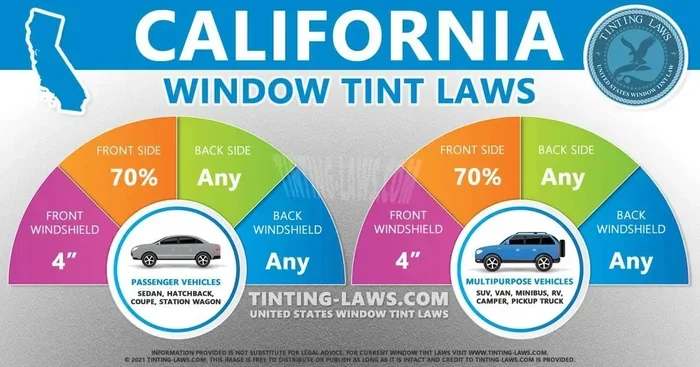
Not all HID upgrades are street legal everywhere. Some jurisdictions have strict rules about headlight color temperature, brightness, and whether aftermarket lighting is permitted. Before you upgrade, check your local vehicle codes. Being caught with non-compliant headlights can result in fines or failed inspections.
Common Mistake Alert: Avoid 6000K and higher bulbs if you live in an area with frequent fog or rain. These high-color-temperature bulbs scatter light more in wet conditions, actually reducing your visibility when you need it most.
Not Sealing the Housing Properly
After installing your new HID headlights for cars, make sure the housing is fully sealed. Moisture inside the headlight assembly can fog up the lens and damage the bulb and ballast over time. A proper dust cover and seal go a long way toward preventing water intrusion.
Maintaining Your HID Headlights for Long-Lasting Performance
Once your HID headlights are installed, a little maintenance goes a long way. These bulbs are built to last, but proper care ensures they perform at their best for years.
Keep the Lenses Clean
Dirty headlight lenses scatter light and reduce your visibility. Clean your headlights regularly with a mild automotive soap and a soft cloth. For cloudy or yellowed lenses, use a headlight restoration kit. These kits are affordable and easy to use. They bring back the clarity and brightness of your lenses in minutes.
Check Connections Periodically
Over time, electrical connections can loosen or corrode. Every few months, open the back of your headlight housing and inspect the wiring. Make sure the ballast connectors are tight and free of green or white corrosion. A simple wipe with a dry cloth can prevent connection issues.
Replace Bulbs in Pairs
When one HID bulb finally burns out, replace both headlights at the same time. Even if the other bulb still works, it is likely close to the end of its lifespan. Replacing them as a pair ensures consistent color, brightness, and beam pattern on both sides of your vehicle.
Quick Tip: Keep a spare HID bulb in your glove box. If one bulb fails on a dark road, having a replacement handy can save you from a dangerous situation. Just make sure you wear gloves when handling the new bulb.
Are HID Headlights Worth the Upgrade?
The short answer is yes. HID headlights for cars offer a significant improvement in night driving visibility, safety, and style. They are more energy efficient than halogen bulbs, last much longer, and produce a light that is easier on your eyes during long drives.
The installation process is straightforward enough for most car owners to handle themselves. And with a quality kit, you can expect years of reliable performance. The upfront cost is higher than a basic halogen replacement, but the long-term benefits far outweigh the investment.
If you spend a meaningful amount of time driving at night, on rural roads, or in areas with poor street lighting, HID headlights are one of the best upgrades you can make to your vehicle. Better visibility means better safety for you, your passengers, and everyone else on the road.
Take the time to research your options, choose a quality kit, and install it properly. Your nighttime driving experience will never be the same. HID headlights for cars are a simple upgrade that delivers real, noticeable results every time you turn on your lights.
Frequently Asked Questions
What does HID stand for in headlights?
HID stands for High-Intensity Discharge. These headlights use an electric arc between two electrodes inside a gas-filled capsule, typically filled with xenon gas. This arc produces a very bright, white light that is much stronger than the light from a traditional halogen filament bulb. The technology has been used in automotive lighting for decades and remains a popular upgrade choice.
How long do HID headlights last before needing replacement?
Quality HID bulbs typically last between 2,000 and 5,000 hours of use. This is significantly longer than halogen bulbs, which usually last around 450 to 1,000 hours. The actual lifespan depends on factors like bulb quality, driving conditions, and how often you use your headlights. With proper care and a good quality kit, your HID bulbs can last the life of your vehicle.
Can I install HID headlights myself or do I need a professional?
Most drivers can install a HID conversion kit themselves with basic tools and about one hour of time. The process involves removing the old bulb, connecting the new HID bulb to the ballast, and mounting the ballast inside the housing. If you are comfortable changing a light bulb at home, you can handle this upgrade. However, if you are unsure about alignment or wiring, a professional installation is always a safe option.
Are HID headlights legal for street use?
In most places, HID headlights are legal as long as they meet certain standards for brightness and color temperature. However, regulations vary by country, state, and even city. Some areas have specific rules about the color temperature allowed or require proper beam alignment. Always check your local vehicle lighting laws before upgrading to make sure your setup is street legal and will pass inspections.
What color temperature is best for HID headlights?
The 4300K to 5000K range is widely considered the best color temperature for HID headlights. This range produces a clean, white light that offers excellent road visibility and a modern appearance. Lower temperatures around 3000K give a warm yellow light that works well in fog. Higher temperatures above 6000K look stylish but can reduce visibility in wet or foggy conditions. For most drivers, 4300K to 5000K strikes the perfect balance.
Do HID headlights need a special housing or can they work with my existing setup?
HID bulbs can work with your existing headlight housing if you use a conversion kit designed for halogen housings. These kits include the bulb and ballast needed to replace your halogen bulb directly. However, for the best performance and beam pattern, projector-style housings or HID-specific reflectors work much better. If your car came with halogen headlights, a conversion kit will work fine. If you want maximum output, consider upgrading to a projector housing designed for HID bulbs.
=== CONCLUSION ===
HID headlights for cars are one of the most impactful upgrades you can make to your vehicle. They offer dramatically better visibility, improved energy efficiency, and a modern look that enhances the appearance of any car. Whether you drive every day on dark highways or just want a safer and more enjoyable nighttime driving experience, HID technology delivers real results.
By choosing the right color temperature, investing in a quality kit, and following proper installation and maintenance steps, you will enjoy the benefits of HID headlights for years to come. Take the time to do your research, pick a reputable brand, and make the upgrade. Your eyes and your safety will thank you every time you hit the road after dark.