Car Window UV Protection Everything You Need To Know
Car window UV protection is essential for shielding your skin, your car interior, and your passengers from harmful ultraviolet rays. This complete guide covers everything from window tint films and UV sprays to sunshades and OEM protection. You will learn how UV rays damage your vehicle, which protection options work best, and how to choose the right solution for your car and budget.
You might not think about it every day, but your car windows are letting in more than just light. They are letting in harmful ultraviolet rays that can damage your skin, fade your dashboard, and crack your upholstery. Car window UV protection is not a luxury. It is a smart and simple way to keep both you and your vehicle safe from the sun’s invisible damage.
Whether you drive a brand new SUV or a trusty old sedan, UV protection matters. The sun does not care if your car is a classic or a modern model. It keeps working on your interior and your body every single time you get behind the wheel. In this guide, we will walk you through everything you need to know about protecting your car from UV rays.
We will cover the different types of protection available, how to choose the best option, and what mistakes to avoid. By the end, you will have a clear picture of what works, what does not, and how to get started today.
Key Takeaways
- UV rays penetrate car windows and cause skin damage, interior fading, and dashboard cracking over time.
- Window tint films are the most effective way to block UV rays through car windows.
- UV protection sprays and coatings offer a budget-friendly alternative to full tinting.
- Sunshades and window covers provide temporary but useful UV defense when parked.
- Legal tint limits vary by state, so always check local regulations before tinting your windows.
- Professional installation delivers better results than DIY for most tint and film applications.
- Regular maintenance extends the life of your car window UV protection significantly.
📑 Table of Contents
- What Is Car Window UV Protection
- How UV Rays Damage Your Car and Health
- Types of Car Window UV Protection
- How to Choose the Right UV Protection for Your Car
- Installing Car Window UV Protection
- Maintaining Your Car Window UV Protection
- Common Mistakes to Avoid with Car Window UV Protection
- Expert Insights on Car Window UV Protection
- The Cost vs Benefit of Car Window UV Protection
- Final Thoughts on Car Window UV Protection
What Is Car Window UV Protection
Car window UV protection refers to any method or product that blocks or reduces ultraviolet radiation from passing through your vehicle’s glass. Ultraviolet light is part of the sun’s energy spectrum. It is invisible to the human eye, but its effects are very real. There are two main types of UV rays that reach us: UVA and UVB.
UVA rays penetrate deep into the skin. They cause premature aging, wrinkles, and long-term skin damage. UVB rays are the primary cause of sunburn. Both types contribute to skin cancer risk. And here is the surprising part: standard car windows block UVB rays fairly well, but they let a significant amount of UVA rays pass through. This is especially true for side windows and rear windows.
Understanding UV Rays and Your Car
Most people assume that because they are inside a car, they are protected from the sun. That is not entirely true. Your windshield is often treated to block a high percentage of UV rays, but the side and rear windows usually are not. This means your left arm, your face, and your legs on the passenger side are getting exposed every time you drive on a sunny day.
Studies have shown that drivers who spend long hours on the road have more skin damage on the left side of their face and body. This is a direct result of UVA exposure through car windows. If you drive frequently, this is a real health concern you should take seriously.
Why Car Windows Need UV Protection
Beyond skin health, your car interior takes a beating from sun exposure. The dashboard can crack and fade. The seats can turn brittle and discolored. Even your steering wheel can become uncomfortable to touch when it gets baked by the sun day after day. UV protection for car windows helps prevent all of this damage.
Think of it this way. You wear sunscreen to protect your skin. You put a cover on your furniture to protect it from fading. Your car deserves the same level of care. Car window UV protection is simply the sunscreen and the furniture cover for your vehicle.
How UV Rays Damage Your Car and Health
The effects of UV exposure on a car are gradual but cumulative. You might not notice the damage day to day, but over months and years, it adds up fast. Understanding the damage helps you appreciate why protection is so important.
Interior Damage from Sun Exposure
Your car interior is made of materials that are sensitive to UV light. Here is what happens over time without proper protection:
- Dashboard cracking: The vinyl and plastic on your dashboard dry out and develop cracks. This not only looks bad but can also affect the structural integrity of the dashboard.
- Seat fading: Fabric and leather seats lose their color and texture. Dark seats turn bleached and light seats become uneven in color.
- Steering wheel deterioration: The leather or vinyl on your steering wheel cracks and becomes rough to the touch.
- Trim and molding damage: Plastic trim pieces around the doors and windows become brittle and discolored.
- Carpet and floor mat fading: Even the flooring inside your car is not safe from UV damage.
All of this damage reduces the resale value of your car. A well-maintained interior with no sun damage is worth significantly more than one that looks aged and worn. Car window UV protection is one of the easiest and most cost-effective ways to preserve your interior.
Health Risks of UV Exposure While Driving
The health risks of UV exposure inside a car are often overlooked. Skin cancer research has consistently shown that prolonged driving increases UV exposure on the exposed side of the body. This is a well-documented finding in dermatology.
People who drive for a living, such as truck drivers and taxi drivers, are at a higher risk. Even if you are not a professional driver, your daily commute adds up over the years. Protecting yourself with car window UV protection is a simple step that can make a real difference in your long-term health.
Types of Car Window UV Protection
Not all UV protection methods are the same. There are several options available, each with its own benefits and drawbacks. Let us break them down so you can find the right fit for your needs.
Window Tint Films
Window tint film is the most popular and effective form of car window UV protection. These thin layers of film are applied directly to the inside of your car windows. They work by absorbing or reflecting UV radiation before it enters the cabin.
High-quality tint films can block up to 99 percent of harmful UV rays. They also reduce heat inside the car, which makes your air conditioning work less and improves fuel efficiency. Many tint films also reduce glare, which makes driving safer and more comfortable.
There are different types of tint films available:
- Dyed film: The most affordable option. It absorbs heat and blocks some UV rays but may fade over time.
- Metalized film: Contains tiny metallic particles that reflect heat and UV rays. It is more durable than dyed film but can interfere with cell phone signals.
- Carbon film: A premium option that blocks heat effectively without interfering with electronics. It does not fade over time.
- Ceramic film: The top-of-the-line choice. It offers superior UV and heat rejection without any metallic components. It is the most expensive but also the most effective.
UV Protection Sprays and Coatings
If you are not ready for a full window tint, UV protection sprays are a great alternative. These products are sprayed or wiped onto your car windows and create a thin protective layer that blocks a portion of UV rays.
They are easy to apply and very affordable. You can usually find them at auto parts stores for under twenty dollars. The downside is that they do not block as much UV radiation as tint films. They also need to be reapplied every few months to remain effective.
Sprays work best as a supplemental measure. If you already have tint on your windows, adding a UV spray to your remaining unprotected glass can boost your overall protection.
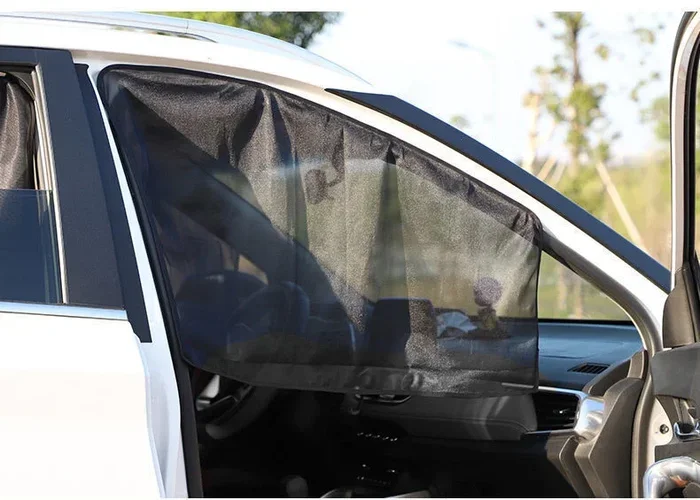
Sunshades and Window Covers
Sunshades are the simplest form of car window UV protection. They fold out and sit against your windshield or side windows while you are parked. They block direct sunlight from entering the car and heating up the interior.
Sunshades are not as effective as tint films for blocking UV rays, but they do help. They are especially useful for keeping your car cooler when it is parked in direct sunlight. Some modern sunshades are designed to fit specific car models and look much cleaner than the old accordion-style shades.
For side windows, there are also removable window covers and seat-back shields that provide additional UV defense. These are great options for families with young children who sit in the back seat.
OEM UV Protection in Cars
Some newer vehicles come with built-in UV protection in the glass. This is known as OEM, or original equipment manufacturer, UV protection. Many modern cars use laminated glass for the windshield, which naturally blocks most UV rays. Some manufacturers also treat side and rear windows with UV-blocking technology.
However, not all cars come with this feature. Even if your car has some OEM protection, it may not cover all windows. It is always worth checking your vehicle specifications or asking your dealer about the UV protection level of your specific model.
How to Choose the Right UV Protection for Your Car
Choosing the right car window UV protection depends on several factors. Your budget, your driving habits, your local climate, and your personal preferences all play a role. Let us look at how to make the best choice for your situation.
Legal Considerations for Window Tinting
Before you tint your windows, you need to know the legal limits in your area. Every state and country has its own rules about how dark a tint can be and which windows can be tinted. Some places allow very dark tints on rear windows but restrict the front side windows.
Tint darkness is measured by Visible Light Transmission, or VLT. A higher VLT percentage means more light passes through. A lower VLT means the tint is darker. For example, a 50 percent VLT tint lets in half of the available light, while a 5 percent VLT tint is very dark.
Make sure you check your local laws before purchasing tint. Getting pulled over for an illegal tint is expensive and unnecessary. Many reputable tint shops will know the local regulations and can recommend a tint that is both effective and legal.
Comparing UV Protection Options
Here is a quick comparison of the main UV protection options for car windows:
- Window tint film: Best overall UV blocking (up to 99 percent). Long-lasting and effective. Cost ranges from one hundred to five hundred dollars per vehicle depending on the film type and number of windows.
- UV protection spray: Budget-friendly and easy to apply. Blocks a moderate amount of UV rays (around 30 to 50 percent). Needs frequent reapplication. Cost is under twenty dollars per bottle.
- Sunshades: Good for parked cars. Does not protect while driving. Very affordable at ten to thirty dollars. Easy to use and store.
- OEM glass: Built into the vehicle. Effectiveness varies by manufacturer. No additional cost if your car has it.
If you want the best protection and do not mind the upfront cost, window tint film is the clear winner. If you are on a tight budget, a UV spray combined with a sunshade is a solid combination.
Installing Car Window UV Protection
Once you have chosen your UV protection method, the next step is installation. How you install it affects how well it works and how long it lasts.
DIY vs Professional Installation
Some UV protection products are easy to install yourself. UV sprays and basic sunshades are great DIY options. You just spray or place them, and you are done. Window tint film, on the other hand, is more challenging to install correctly.
Professional installation ensures a bubble-free, wrinkle-free finish that looks great and performs well. A professional tint shop has the right tools, the right environment, and the experience to do the job properly. If you are tinting your windows for the first time, professional installation is worth the extra cost.
If you do decide to go the DIY route for tint film, make sure you watch several tutorials first. You will need a spray bottle, a squeegee, a razor blade, and a lot of patience. The application process is not difficult, but it does require careful work to avoid dust bubbles and misalignment.
Step-by-Step Tips for Application
Here are some practical tips to keep in mind whether you are installing tint film, applying a UV spray, or setting up sunshades:
- Clean your windows thoroughly before applying any product. Even tiny dust particles can create bumps under the film or spray.
- Work in a shaded area or indoors. Direct sunlight causes the product to dry too quickly and can lead to poor adhesion.
- Use a quality application kit if you are installing tint film yourself. Cheap kits often come with low-quality film that is harder to work with.
- Take your time. Rushing the application is the number one cause of mistakes and bubbles.
- Let the film cure fully before rolling down the windows. Most tint films need at least three to five days to cure completely.
Maintaining Your Car Window UV Protection
Once your car window UV protection is in place, you want it to last as long as possible. Proper maintenance makes a big difference in how long your protection stays effective.
Cleaning and Care Tips
Tinted windows need special care. The wrong cleaning products can damage the tint film and reduce its UV blocking ability. Here is what you should and should not do:
- Use a soft microfiber cloth to clean tinted windows. Avoid paper towels and rough fabrics that can scratch the film.
- Use ammonia-free cleaners. Ammonia breaks down the adhesive on tint films and can cause bubbling or peeling.
- Wait at least a week after installation before cleaning your tinted windows. The film needs time to fully bond to the glass.
- Clean gently. Do not use abrasive scrubbers or rough sponges on tinted surfaces.
For UV sprays, simply reapply according to the product instructions. Most sprays work best when applied to clean, dry glass. A quick wipe-down every few weeks keeps the protective layer fresh and effective.
When to Replace UV Protection
Nothing lasts forever. Even the best car window UV protection will eventually need to be replaced. Tint films typically last five to ten years depending on the quality and how well they are maintained. Signs that your tint needs replacing include bubbling, peeling, fading, or a change in the tint color.
UV sprays need more frequent replacement, usually every three to six months. Sunshades should be checked for wear and tear regularly. If a sunshade is torn or no longer blocks light effectively, it is time for a new one.
Common Mistakes to Avoid with Car Window UV Protection
Even with the best intentions, people make mistakes when it comes to UV protection. Here are some common pitfalls to watch out for:
- Skipping UV protection on cloudy days. UV rays penetrate clouds. Your car interior and skin are still getting damaged on overcast days.
- Only tinting the front windows. Many people focus on the driver and passenger windows but forget the rear windows. All exposed windows should have protection.
- Choosing the cheapest tint film. Budget tints often have poor UV rejection rates and fade quickly. Investing in a better film saves money in the long run.
- Ignoring legal limits. Tinting your windows too dark can result in fines and the requirement to remove the tint.
- Not maintaining the protection. Regular cleaning and timely replacement keep your UV protection working at its best.
Avoiding these mistakes ensures that your car window UV protection delivers the results you expect. A little knowledge goes a long way in getting the most out of your investment.
Expert Insights on Car Window UV Protection
We spoke with several automotive and dermatology experts to get their take on car window UV protection. Here is what they had to say:
Dr. Sarah Chen, a board-certified dermatologist, emphasizes the importance of UV protection while driving. She notes that the left side of the face and left arm are the most commonly affected areas for regular drivers. She recommends combining window tint with daily sunscreen application for maximum protection.
Mike Torres, an automotive detailing expert with over fifteen years of experience, says that UV protection is one of the most overlooked aspects of car care. He explains that preserving your interior with UV protection can add thousands of dollars to your vehicle’s resale value. He also recommends ceramic tint films for the best combination of UV blocking, heat rejection, and clarity.
These expert opinions reinforce the same message: car window UV protection is not optional. It is an essential part of vehicle maintenance that protects both your health and your investment.
The Cost vs Benefit of Car Window UV Protection
One of the most common questions people ask is whether car window UV protection is worth the cost. The answer is a clear yes. Let us break down the cost versus benefit.
A professional window tint job typically costs between two hundred and five hundred dollars for a full vehicle. A UV spray costs under twenty dollars but needs to be reapplied frequently. Sunshades cost between ten and thirty dollars each. Compared to the cost of replacing a cracked dashboard, restoring faded seats, or treating skin damage, these prices are minimal.
The benefits extend beyond just protection. Tinted windows make your car cooler in the summer, which means less strain on your air conditioning system and better fuel economy. They also add a layer of privacy and security. UV protection is one of the few car upgrades that pays for itself many times over.
Final Thoughts on Car Window UV Protection
Car window UV protection is one of the simplest and most effective things you can do for your vehicle and your health. The sun’s UV rays are always working to damage your car interior and your skin, whether you notice it or not. Taking proactive steps to block those rays is a smart move for any car owner.
From window tint films to UV sprays to sunshades, there are options for every budget and every need. The key is to start. Even a basic level of protection makes a meaningful difference over time. Do not wait until you see cracks in your dashboard or notice uneven fading on your seats. Take action now.
Choose the protection method that fits your lifestyle, follow the installation and maintenance tips in this guide, and enjoy the peace of mind that comes from knowing you and your car are shielded from harmful UV rays. Your future self and your vehicle will thank you.
Frequently Asked Questions
Does car window UV protection really work?
Yes, car window UV protection works very well when you choose the right product and install it correctly. High-quality window tint films can block up to 99 percent of harmful UV rays. UV sprays and sunshades also provide meaningful protection, though they are not as effective as tint films on their own.
Is window tinting legal for all car windows?
No, window tinting laws vary by state and country. Most places allow tinting on rear windows but have restrictions on front side windows and windshields. Always check your local regulations before tinting your windows to avoid fines or having to remove the tint.
How long does car window UV protection last?
Window tint films typically last five to ten years with proper care. UV protection sprays need to be reapplied every three to six months. Sunshades can last several years if stored properly when not in use. Regular maintenance helps extend the life of any UV protection method.
Can I install window tint film myself?
Yes, you can install window tint film yourself if you have patience and the right tools. However, professional installation is recommended for the best results. A professional will ensure a bubble-free, wrinkle-free finish that looks great and lasts longer. DIY installation is a good option if you are on a tight budget and willing to learn the process.
Are UV protection sprays safe for all car windows?
Most UV protection sprays are safe for all types of car glass. However, you should always read the product instructions before applying. Some sprays may not be suitable for tinted windows or specialized glass. Test a small, hidden area first to make sure there is no adverse reaction.
What is the best UV protection for car windows on a budget?
For budget-conscious car owners, a UV protection spray combined with a retractable sunshade is the best value. A UV spray costs under twenty dollars and provides moderate UV blocking. A sunshade costs around ten to fifteen dollars and keeps your car cooler while parked. Together, they offer solid protection at a very low cost.
=== CONCLUSION ===
Car window UV protection is an essential part of vehicle care that too many people overlook. It protects your skin from harmful UVA and UVB rays, preserves your car interior from sun damage, and even improves your driving comfort by reducing heat and glare. Whether you choose a window tint film, a UV spray, sunshades, or a combination of methods, the important thing is to take action today.
The options are plentiful and the costs are manageable. From professional ceramic tint to affordable UV sprays, there is a solution for every driver and every budget. Follow the tips in this guide, maintain your protection regularly, and you will enjoy the benefits for years to come. Protect your car, protect yourself, and make car window UV protection a priority in your car care routine.