Car Window Tinting Laws In India Complete Detailed Guide
Car window tinting laws in India set strict rules on how dark your car windows can be. The Indian Motor Vehicles Act and RTO guidelines define legal tint limits for front and rear windows. Understanding these rules helps you avoid fines, stay safe, and keep your ride compliant.
Car window tinting is one of the most popular upgrades for vehicles in India. People tint their windows for many reasons. Some want to beat the harsh sun. Others care about privacy and looks. But here is the thing many car owners miss. Car window tinting laws in India are very specific. And breaking them can lead to costly fines and even trouble with the police.
Whether you are buying a new car or thinking about tinting your old one, you need to know the rules. This guide covers everything you need to understand about tinted car windows India. We will talk about legal limits, penalties, types of tint films, and practical tips. By the end, you will know exactly what is allowed and what is not.
The rules around car window tinting laws in India come from the Motor Vehicles Act. The Supreme Court of India also set some important guidelines. These rules exist for safety reasons. Too-dark windows can block the driver’s view. They can also make it hard for police to see inside your car during a traffic stop. So the government keeps a close eye on car window tint rules India to protect everyone on the road.
Key Takeaways
- Front windshield tinting is mostly banned: Only a small strip at the top is allowed.
- Side windows must allow 70% VLT: This means 70% of light must pass through.
- Rear windows can be darker: There is more flexibility for rear windshield and side windows.
- Factory tint vs aftermarket tint: Both are regulated, but factory tint is generally more lenient.
- Fines vary by state: Penalties for illegal tinting can range from ₹100 to several thousand rupees.
- Use certified tint films: Always choose RTO-approved films to stay on the right side of the law.
- Professional installation matters: A good installer ensures your tint meets legal standards and looks great.
📑 Table of Contents
- Understanding Car Window Tinting Laws In India
- Why Do Car Window Tinting Laws Exist?
- Factory Tint vs Aftermarket Tint: What Is the Difference?
- Penalties for Breaking Car Window Tinting Laws
- Choosing the Right Tint Film for Your Car
- Common Mistakes People Make with Car Window Tinting
- Tips to Stay Compliant with Car Window Tinting Laws
- How Car Window Tinting Laws Have Changed Over the Years
- Frequently Asked Questions About Car Window Tinting Laws
- Final Thoughts on Car Window Tinting Laws In India
Understanding Car Window Tinting Laws In India
Before you get your windows tinted, you need to understand the basics. The key term you will hear often is VLT. VLT stands for Visible Light Transmission. It measures how much light passes through your window. The higher the VLT percentage, the lighter the tint. The lower the VLT, the darker the tint.
In India, the legal tint limit is based on VLT percentages. Let us break this down simply. The rules are different for different windows on your car. The front windshield has the strictest rules. The rear windows have more flexibility. And the side windows fall somewhere in between.
What Is VLT and Why Does It Matter?
VLT is the most important concept in car window tinting laws in India. Think of it this way. If a window has a VLT of 70%, then 70% of light gets through. Only 30% is blocked. For your front windshield, you need a very high VLT. This ensures the driver has a clear view of the road.
When you visit a tint shop, they will ask you about VLT. They will show you different films. Some films block more light. Others let more light through. Your job is to pick a film that meets the car window tint percentage rules set by law.
Front Windshield Tint Rules
The front windshield has the tightest rules. In India, you cannot tint the entire front windshield. The Supreme Court ruling says only a small strip at the top is allowed. This strip should not extend below the manufacturer’s AS-1 line. The AS-1 line is the line marked by the carmaker on the windshield.
Below that line, the front windshield must remain clear. No tint film is allowed. This rule exists so the driver can see clearly in all directions. Even on bright sunny days, a clear front windshield helps with visibility. If you tint below the AS-1 line, you are breaking the law. And that can lead to a tinted window penalty India.
Side Window Tint Rules
The rules for side windows are a bit more relaxed. For the driver and co-driver side windows, the car window tint percentage must be at least 70% VLT. This means the tint cannot block more than 30% of light. These windows need to stay fairly light for safety reasons.
For the rear passenger side windows, the rules are slightly more flexible. You can go darker on these windows. But even here, there are limits. The legal tint limit for rear side windows is generally around 50% VLT or higher. Some states allow darker tints on rear windows. But it is always best to check with your local RTO.
Rear Windshield Tint Rules
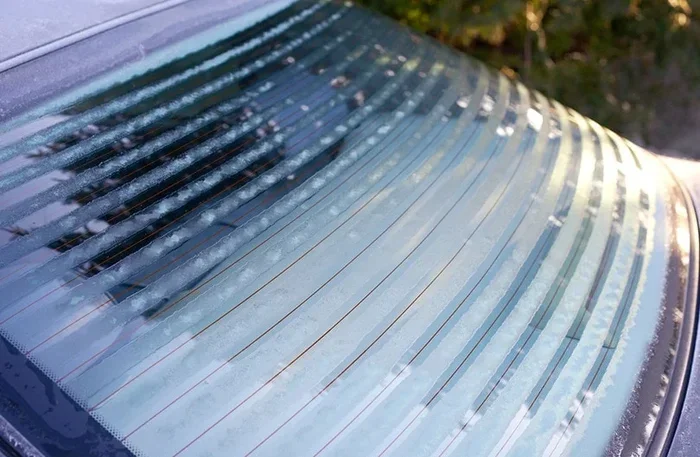
The rear windshield has the most lenient rules. You can apply a darker tint to the rear windshield. Many car owners choose a darker shade back there for privacy. The rear windshield tint can go as low as 30-50% VLT in most cases.
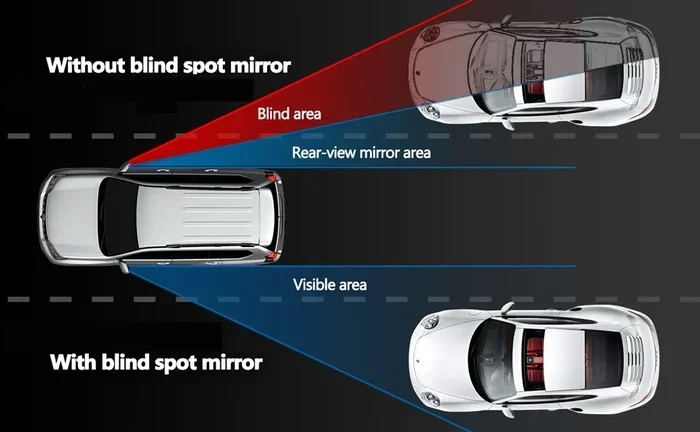
But there is one catch. If your rear windshield is tinted, your car must have side mirrors on both sides. This is because a dark rear window can limit your rear view. The mirrors help compensate for that. So before you tint your rear windshield, make sure your mirrors are in good condition and properly positioned.
Why Do Car Window Tinting Laws Exist?
The rules around tinted car windows India are not just about making things difficult. They exist for real safety reasons. Let us look at why these laws are in place.
Safety for Drivers and Police
Dark windows can hide what is happening inside a car. This creates safety concerns. Police officers need to see inside vehicles during traffic stops. If a window is too dark, it can make officers feel unsafe. It also makes it harder to spot illegal activities inside the car.
For drivers, visibility is everything. A dark front windshield or side window can reduce your ability to see pedestrians, other cars, and road signs. This is especially dangerous at night or in bad weather. The car window tint rules India are designed to keep visibility at a safe level.
Medical and Security Exceptions
There are some exceptions to the car window tinting laws in India. People with certain medical conditions may need darker tints. For example, individuals with photosensitivity or skin disorders need protection from UV rays. In such cases, you can apply for a medical exemption.
You will need a doctor’s certificate to get this exemption. The certificate should state why darker tint is medically necessary. You must keep this document in your car at all times. Police may ask to see it during a routine check. Without proper documentation, even a medical tint can lead to a fine.
Factory Tint vs Aftermarket Tint: What Is the Difference?
This is an important distinction that many people miss. Factory tint comes built into the car glass during manufacturing. Most cars sold in India have a slight factory tint on the rear windows. This tint is usually around 15-25% VLT. It is applied during the glass production process.
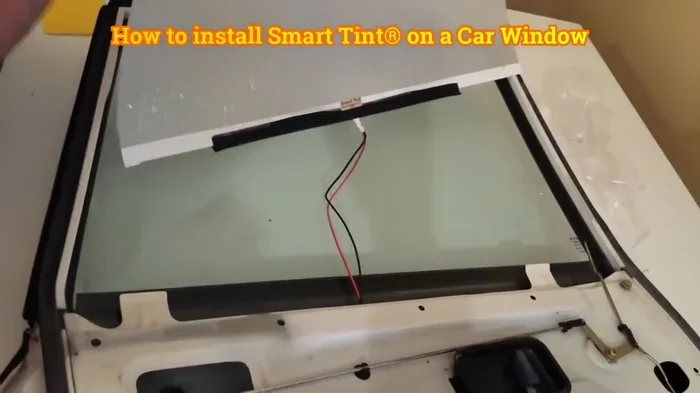
Aftermarket tint is the film you add later. You buy it from a shop and apply it to your windows. Aftermarket tint comes in many shades and qualities. The car window film regulations treat factory and aftermarket tint differently in some cases. But both must meet the VLT standards set by law.
Does Factory Tint Count Toward the Legal Limit?
Yes, it does. If your car already has factory tint on the rear windows, you need to be careful. Adding aftermarket tint on top of factory tint can push you below the legal VLT limit. This is called “double tinting.” And it is illegal in India.
Before you apply any aftermarket film, check what your factory tint already provides. You can use a VLT meter at a tint shop to measure this. If your factory tint is already at 50% VLT, adding a dark film on top might take you below the legal limit. Always measure first.
Penalties for Breaking Car Window Tinting Laws
Nobody wants to pay a fine. But if you tint your windows illegally, you might have to. The car tint fine India varies from state to state. Let us look at what you could face if you break the rules.
Common Penalties You Should Know
The penalties for illegal window tinting in India include:
- Fine: Depending on the state, fines can range from ₹100 to ₹5,000 or more.
- Order to remove tint: Police can ask you to remove the tint film immediately.
- Vehicle impoundment: In serious cases, your car may be detained until the tint is removed.
- Insurance issues: Illegal tint can affect your car insurance claim in case of an accident.
Some states are stricter than others. For example, states like Maharashtra and Karnataka enforce tint rules more rigorously. In these states, police regularly check tinted car windows India during traffic stops. They use VLT meters to measure the darkness of your windows.
How Police Check Tint Darkness
Police use a device called a VLT meter. This device measures how much light passes through your window. If the reading is below the legal limit, you will be flagged. The process is quick and straightforward. But the consequences can be costly.
Some police checkpoints are specifically set up to check for illegal tinting. These are more common in cities with high traffic. So it is not worth the risk. Always make sure your tint meets the legal tint limit.
Choosing the Right Tint Film for Your Car
If you decide to tint your windows, picking the right film is crucial. Not all tint films are the same. And not all of them meet the car window tinting laws in India. Here is what you need to know.
Types of Tint Films Available
The market offers several types of tint films. Let us look at the most common ones:
- Dyed Film: This is the most basic and affordable option. It blocks heat and glare but can fade over time.
- Metalized Film: This film has tiny metallic particles. It offers better heat rejection and durability. But it can interfere with GPS and phone signals.
- Carbon Film: Carbon film does not fade easily. It provides good heat rejection without signal interference.
- Ceramic Film: This is the premium option. It blocks the most heat and UV rays. It does not interfere with electronics. And it is usually compliant with legal VLT limits.
When choosing a film, always check the VLT rating. The shop should provide this information clearly. If they cannot tell you the VLT percentage, walk away. You need to be sure your tinted car windows India setup is legal.
Best Practices for Tint Installation
Getting your tint installed the right way matters. Here are some quick tips:
- Choose a certified installer: Look for shops that know the local RTO tint rules.
- Ask for a VLT certificate: A good installer will provide documentation of your tint’s VLT level.
- Avoid bubbles and peeling: Poor installation can lead to bubbles. This not only looks bad but can also attract police attention.
- Do not tint the front windshield: Remember, only the small top strip is allowed.
- Keep records: Save your purchase receipt and VLT certificate. You may need them if questioned by police.
Common Mistakes People Make with Car Window Tinting
Many car owners make mistakes when it comes to tinting. These mistakes can lead to fines and hassle. Let us look at the most common ones.
Mistake 1: Going Too Dark
The biggest mistake is choosing a tint that is too dark. Some people want the darkest possible tint for privacy. But this often violates the legal tint limit. Always check the VLT percentage before you commit. A 70% VLT film on the side windows is a safe choice.
Mistake 2: Ignoring Factory Tint
As we discussed earlier, double tinting is illegal. Many people do not check their factory tint level. They just add aftermarket film on top. This can easily push you below the legal limit. Always measure your existing tint first.
Mistake 3: Skipping Documentation
Some tint shops do not provide any documentation. They just apply the film and hand you a receipt. This is a red flag. Always get a VLT certificate and a bill. These documents can save you from trouble during a police check.
Mistake 4: Using Low-Quality Films
Cheap tint films look bad within months. They bubble, peel, and fade. Worse, they may not meet the car window film regulations. Invest in a quality film from a reputable brand. It costs more upfront but saves you money and trouble in the long run.
Tips to Stay Compliant with Car Window Tinting Laws
Staying on the right side of the law is not hard. It just takes a little awareness. Here are some practical tips to keep your tinted car windows India setup legal and trouble-free.
- Know your state rules: Some states have additional guidelines beyond the national rules. Check with your local RTO for specific regulations.
- Get professional help: A professional installer knows the legal limits. They will guide you to the right film and VLT level.
- Keep your documents handy: Always carry your VLT certificate, purchase receipt, and any medical exemption (if applicable).
- Re-tint when needed: Over time, tint films degrade. If your tint starts peeling or bubbling, get it replaced. Old, worn-out tint can attract unwanted attention.
- Consider IR-cut films: These films reject infrared heat without being too dark. They are a great option for staying cool and legal at the same time.
Remember, the goal of car window tinting laws in India is safety. The rules protect drivers, passengers, and pedestrians. When you follow them, everyone benefits. Plus, you avoid the hassle of fines and police encounters.
How Car Window Tinting Laws Have Changed Over the Years
The car window tint rules India have evolved over the years. The Supreme Court has played a big role in shaping these rules. In the past, tinting was less regulated. Many cars came with very dark factory tints. This led to safety concerns and misuse.
Over time, the government tightened the rules. The focus shifted to visibility and safety. Today, the car window tinting laws in India are among the stricter regulations in Asia. This reflects the country’s commitment to road safety. As a car owner, staying informed about these changes is your responsibility.
Some people argue the rules are too strict. They say tinting helps with heat and UV protection. And they are not wrong. But the safety concerns are real too. The best approach is to find a balance. Choose a tint film that offers good heat rejection while staying within the legal VLT range.
Frequently Asked Questions About Car Window Tinting Laws
Can I tint my front windshield in India?
No, you cannot tint the entire front windshield. Only a small strip at the top is allowed, and it should not go below the AS-1 line marked by the manufacturer. The rest of the front windshield must remain clear and untinted.
What is the legal VLT limit for side windows in India?
For the driver and co-driver side windows, the VLT must be at least 70%. This means the tint cannot block more than 30% of visible light. Rear side windows can be slightly darker, but you should still check your state-specific rules.
Can I get a medical exemption for darker window tint?
Yes, people with medical conditions like photosensitivity can apply for an exemption. You will need a doctor’s certificate explaining why darker tint is necessary. Always carry this document in your car as proof during police checks.
Is double tinting (factory + aftermarket) illegal in India?
Yes, double tinting is illegal. If your car already has factory tint, adding aftermarket film can push the VLT below the legal limit. Always measure your existing tint before applying any additional film.
What happens if I get caught with illegal window tint?
If you are caught with illegal tint, you may face a fine ranging from ₹100 to ₹5,000 depending on the state. Police can also order you to remove the tint immediately. In some cases, your vehicle may be detained until the tint is removed.
Are ceramic tint films legal in India?
Ceramic tint films are legal as long as they meet the VLT requirements. Many ceramic films are available in 70% VLT or higher, which is compliant for side windows. Always ask the installer for a VLT certificate before getting ceramic film applied.
Final Thoughts on Car Window Tinting Laws In India
Car window tinting laws in India are clear and enforceable. They exist to keep everyone safe on the road. Understanding these rules is the first step toward making a smart choice for your vehicle. Whether you want tint for heat protection, privacy, or style, staying within the legal limits is non-negotiable.
The car window tint rules India may seem strict, but they serve an important purpose. Good visibility saves lives. And a legal tint setup can still keep your car cool and comfortable. Choose the right film, work with a trusted installer, and keep your documents in order.
When in doubt, check with your local RTO or a professional tint shop. They can guide you on the legal tint limit for your specific vehicle. And remember, a well-done tint job not only looks great but also keeps you out of trouble. Follow the rules, enjoy your ride, and drive safely.