How Suzuki Designs Compact Cars With Smart Engineering
Suzuki designs compact cars through a philosophy of efficient engineering, lightweight platforms, and smart space utilization. The brand focuses on delivering affordable, fuel-efficient vehicles without compromising quality or safety. Understanding how Suzuki designs compact cars reveals why these vehicles remain popular worldwide.
When you think about compact cars, Suzuki often comes to mind. The brand has built a reputation for creating small vehicles that punch well above their weight. How Suzuki designs compact cars is a fascinating story of engineering creativity, market awareness, and relentless focus on efficiency.
Unlike some manufacturers that simply shrink larger cars, Suzuki takes a completely different approach. They start from scratch, designing every component with the goal of maximizing value. The result is a lineup of compact vehicles that offer excellent fuel economy, surprising interior space, and reliable performance. In this article, we will explore the smart engineering behind Suzuki compact cars and why they continue to win over drivers around the world.
Whether you are shopping for your first car or looking to downsize, understanding Suzuki’s design philosophy can help you make a better choice. Let us dive into the world of Suzuki compact car engineering and discover what makes these vehicles so special.
Key Takeaways
- Suzuki prioritizes lightweight platforms: Their compact cars use advanced high-tensile steel and aluminum to reduce weight while maintaining structural integrity.
- Efficient packaging is key: Suzuki engineers maximize interior space by optimizing every inch of the vehicle’s footprint.
- Fuel-efficient powertrains define the brand: Suzuki designs small engines that deliver big performance with minimal fuel consumption.
- Global design strategy adapts to local markets: Suzuki tailors compact cars to meet diverse regional needs and preferences.
- Safety engineering is a top priority: Suzuki integrates advanced safety features into every compact car model they produce.
- Affordability drives engineering decisions: Smart manufacturing keeps Suzuki compact cars accessible to a wide range of buyers.
- Aerodynamic design improves efficiency: Every curve and line on a Suzuki compact car serves a functional purpose.
📑 Table of Contents
- The Suzuki Design Philosophy
- Platform Engineering: The Foundation of Every Suzuki
- Smart Space Utilization Inside Suzuki Compact Cars
- Powertrain Engineering: Small Engines, Big Performance
- Exterior Design: Form Follows Function
- Safety Engineering in Suzuki Compact Cars
- Global Design Strategy: Adapting Suzuki Compact Cars for the World
- Common Mistakes to Avoid When Buying a Suzuki Compact Car
- Conclusion
The Suzuki Design Philosophy
At the heart of every Suzuki compact car lies a simple but powerful philosophy. The company believes that great design does not need to be complicated. Instead, it should focus on solving real problems for real people. This approach has guided Suzuki for decades and sets them apart from competitors.
Less Is More: The Minimalist Approach
Suzuki follows what many engineers call the “less is more” principle. Rather than adding unnecessary features, they strip away excess. Every component serves a purpose. Every line on the body has a function. This minimalist mindset extends from the engine bay to the interior trim.
For example, Suzuki engineers carefully select materials that offer strength without adding bulk. They use high-tensile steel in critical areas and lighter alloys elsewhere. The result is a car that weighs less but remains safe and durable. Suzuki compact cars benefit directly from this weight-saving approach because lighter vehicles use less fuel.
Customer-First Engineering
Suzuki starts every design process by studying real customer needs. They look at how families use their cars, what commuters need daily, and what buyers value most. This research-driven approach ensures that every new model addresses actual pain points rather than imagined ones.
The company also pays close attention to feedback from existing owners. If drivers report that trunk space is too small, Suzuki finds a way to add it without increasing the overall footprint. This commitment to listening sets Suzuki apart in the competitive compact car segment.
Platform Engineering: The Foundation of Every Suzuki
Every car starts with a platform. Think of it as the skeleton that holds everything together. How Suzuki designs compact cars begins with platform engineering that prioritizes efficiency and flexibility.
Lightweight Platform Architecture
Suzuki’s platform strategy focuses on keeping things light. The company developed its own lightweight platforms using advanced manufacturing techniques. These platforms serve as the base for multiple models, which helps reduce development costs.
By sharing platforms across different models, Suzuki achieves economies of scale. This means they can invest more in quality control and refinement. For buyers, this translates into well-built compact cars at accessible prices. Suzuki vehicles like the Swift and Vitara share platform elements that deliver excellent ride quality.
Modular Design for Flexibility
Suzuki platforms are modular by design. This means engineers can easily adjust the wheelbase, width, and height to create different body styles. A single platform might spawn a hatchback, a sedan, and a small SUV. This modular approach saves time and money while giving Suzuki the flexibility to respond to market trends quickly.
Modular design also benefits owners. Parts are more standardized, which means repairs are often cheaper and faster. If you need a replacement component, it is more likely to be readily available. This practical approach to engineering reflects Suzuki’s no-nonsense philosophy.
Smart Space Utilization Inside Suzuki Compact Cars
One of the biggest challenges in compact car design is making the most of limited space. Suzuki has mastered this challenge through clever engineering and thoughtful interior design. The company treats every centimeter of interior space as valuable real estate.
Efficient Packaging Techniques
Suzuki engineers use a technique called “efficient packaging.” This means placing every component in the most space-saving position possible. The engine, transmission, and drivetrain are all carefully arranged to leave maximum room for passengers and cargo.
For instance, Suzuki often uses transversely mounted engines in their compact cars. This orientation frees up more cabin space compared to longitudinal engine layouts. The result is a car that feels much roomier than its exterior dimensions suggest. Many drivers are surprised by how much legroom and headroom Suzuki compact cars offer.
Clever Storage Solutions
Beyond just passenger space, Suzuki pays attention to storage. The company designs clever storage compartments throughout the cabin. Door pockets are shaped to hold water bottles securely. Center consoles feature multiple dividers. Even the floor wells fold flat to create a level cargo surface.
These small details add up to a big difference in everyday usability. When you are loading groceries, luggage, or sports equipment, every bit of storage counts. Suzuki understands that compact car buyers need practical solutions, not just good looks.
Seating Configurations That Adapt
Many Suzuki models offer flexible seating configurations. The rear seats can fold down to create a flat load area. Some models feature split-folding rear seats that allow you to carry tall items while still seating passengers. This adaptability makes Suzuki compact cars surprisingly versatile.
Families appreciate this flexibility because it means one car can handle many different situations. You can drive to work during the week and haul furniture on the weekend. This kind of versatility is a hallmark of Suzuki’s compact car engineering.
Powertrain Engineering: Small Engines, Big Performance
The engine is the soul of any car, and Suzuki takes powertrain design seriously. The company has spent decades perfecting small-displacement engines that deliver impressive performance and excellent fuel economy. How Suzuki designs compact cars with such efficient powertrains is a key part of their success story.
The Birth of the Suzuki BoosterJet
Suzuki developed the BoosterJet turbocharged engine technology specifically for compact cars. These small but mighty engines use turbocharging to extract maximum power from minimal displacement. A typical BoosterJet engine might be just 1.0 or 1.4 liters yet produce enough power for confident highway driving.
Turbocharging allows Suzuki to use a smaller engine without sacrificing performance. Smaller engines weigh less, use less fuel, and produce fewer emissions. This technology perfectly aligns with Suzuki’s design philosophy of doing more with less.
Hybrid Technology for Greater Efficiency
In recent years, Suzuki has embraced hybrid technology in its compact car lineup. The Suzuki Hybrid system uses a mild hybrid setup that recovers energy during braking and deceleration. This recovered energy powers electrical systems and provides a slight boost during acceleration.
Hybrid Suzuki compact cars deliver better fuel economy than their non-hybrid counterparts. The system adds minimal weight and cost, making it an attractive option for budget-conscious buyers. If you are interested in how Suzuki vehicles compare with other hybrid offerings, checking out how to cool your car down faster can also help you understand thermal management in modern compact cars.
All-Wheel Drive Done Right
Suzuki is known for offering all-wheel drive (AWD) in compact cars and small SUVs. The company’s AWD systems are lightweight and efficient. Unlike some competitors, Suzuki does not add unnecessary weight or complexity to its drivetrain.
The Suzuki AllGrip system intelligently distributes power between the front and rear wheels. This improves traction in slippery conditions without sacrificing fuel economy on dry roads. For buyers in regions with harsh winters, this is a valuable feature that sets Suzuki apart from many competitors.
Exterior Design: Form Follows Function
The exterior design of a Suzuki compact car is never just about looks. Every curve, crease, and surface serves an aerodynamic or structural purpose. How Suzuki designs compact cars on the outside reflects their engineering-first approach.
Aerodynamics for Efficiency
Suzuki puts significant effort into reducing aerodynamic drag. A compact car with lower drag uses less fuel at highway speeds. Engineers use wind tunnel testing and computer simulations to refine every exterior surface.
Features like carefully shaped mirror housings, underbody panels, and flush-mounted door handles all contribute to reduced drag. Even the front grille design manages airflow to cool the engine while minimizing turbulence. These details may seem small, but they add up to meaningful fuel savings over the life of the vehicle.
Proportions That Maximize Space
Suzuki compact cars have distinctive proportions that maximize interior space. The wheels are positioned at the corners of the body, creating a long wheelbase relative to the overall length. This gives passengers more room without making the car look oversized.
The roofline is designed to be tall and upright, providing excellent headroom. The sides are kept clean and simple, which reduces visual bulk. From a distance, a Suzuki compact car looks compact and sporty. Up close, you notice the attention to functional detail in every panel.
Design Language Across the Lineup
Suzuki has a consistent design language that runs through its entire compact car lineup. The signature features include a prominent grille, sharp LED headlights, and a flowing body line that suggests motion. This family look helps buyers identify a Suzuki from across the street.
The design team works to ensure that each model feels distinct while still belonging to the Suzuki family. A Swift looks different from a Vitara, but you can tell they share DNA. This cohesive approach strengthens the brand and makes Suzuki compact cars instantly recognizable.
Safety Engineering in Suzuki Compact Cars
Safety is not an afterthought in Suzuki’s design process. The company integrates safety features from the earliest stages of development. How Suzuki designs compact cars with safety in mind demonstrates their commitment to protecting occupants.
High-Strength Body Construction
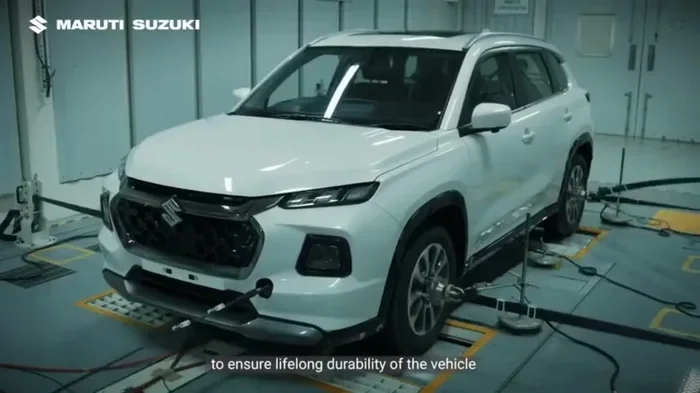
Suzuki uses high-strength steel in critical areas of the body structure. The front and rear crumple zones are engineered to absorb impact energy in a controlled manner. The passenger cell is reinforced to maintain its shape during a collision.
The company conducts rigorous crash testing to validate their designs. Each new model must meet or exceed safety standards in multiple markets. This testing process ensures that Suzuki compact cars provide a high level of protection for drivers and passengers alike.
Active Safety Features
Modern Suzuki compact cars come equipped with active safety technology. These systems help prevent accidents before they happen. Common features include automatic emergency braking, lane departure warning, and adaptive cruise control.
Suzuki offers these features across its lineup, not just in top trim levels. This democratization of safety technology reflects the company’s philosophy of making compact cars accessible and safe for everyone. When you compare options, consider what safety features matter most to you and your family.
Visibility and Driver Awareness
Suzuki engineers pay special attention to visibility in their compact cars. Large windshields, thin A-pillars, and well-placed mirrors create a clear view of the surroundings. Good visibility reduces driver fatigue and helps prevent accidents.
The company also designs the dashboard and instrument cluster to minimize glare and distraction. All controls are within easy reach of the driver. These thoughtful details make Suzuki compact cars pleasant and safe to drive in all conditions.
Global Design Strategy: Adapting Suzuki Compact Cars for the World
Suzuki sells compact cars in markets around the world, from Asia to Europe to Africa. Each market has different needs, regulations, and preferences. How Suzuki designs compact cars for a global audience requires careful planning and local adaptation.
Regional Customization
Suzuki customizes its compact cars for different regions. In hot climates, the company may focus on powerful air conditioning and heat-resistant materials. In cold markets, heating systems and cold-weather packages take priority.
In some Asian markets, Suzuki offers compact cars with smaller engines tuned for urban driving. In European markets, the same basic car might come with a slightly more powerful engine and different styling. This regional flexibility helps Suzuki compete effectively in diverse markets.
Meeting Local Regulations
Every country has different safety and emissions regulations. Suzuki engineers design platforms that can meet these varying requirements without major redesigns. This flexibility saves time and money while ensuring compliance.
For example, some markets require specific crash test standards that others do not. Suzuki’s modular platform approach allows them to adjust safety structures as needed. This adaptability has been a key factor in Suzuki’s global success.
Affordability as a Design Goal
One of Suzuki’s core missions is making cars affordable for as many people as possible. The company achieves this through smart engineering and efficient manufacturing. Every design decision is evaluated for its impact on the final price.
Suzuki avoids unnecessary complexity that would drive up costs. They use proven technologies rather than bleeding-edge innovations that are expensive to produce. This pragmatic approach keeps Suzuki compact cars within reach of budget-conscious buyers while still delivering quality and reliability.
Common Mistakes to Avoid When Buying a Suzuki Compact Car
Even with all the smart engineering, buyers can sometimes make mistakes when purchasing a Suzuki compact car. Here are a few pitfalls to watch out for.
- Ignoring total cost of ownership: Purchase price is only part of the equation. Consider fuel costs, maintenance, and insurance when comparing options.
- Overlooking resale value: Suzuki compact cars tend to hold their value well, but always research the resale market in your area.
- Skipping the test drive: Always test drive before buying. The driving experience in a compact car can vary significantly between models.
- Underestimating cargo needs: Make sure the car’s cargo space meets your actual needs. Measure your typical loads before deciding.
- Neglecting to compare trims: Suzuki offers multiple trim levels with different features. The right trim can save you money while still giving you what you need.
Taking the time to avoid these mistakes will help you find the perfect Suzuki compact car for your lifestyle. And if you are concerned about protecting your investment, learning about how to protect your car paint can keep your Suzuki looking great for years to come.
Conclusion
How Suzuki designs compact cars is a masterclass in efficient, thoughtful engineering. From lightweight platforms to smart space utilization, every aspect of a Suzuki compact car is designed with purpose. The company’s commitment to affordability, safety, and fuel efficiency has made it one of the most respected names in the compact car segment.
Whether you are drawn to the nimble Swift, the versatile Vitara, or any other Suzuki model, you are getting a vehicle built with real engineering expertise. Suzuki proves that compact does not mean compromised. These cars deliver impressive performance, generous space, and outstanding value.
The next time you see a Suzuki compact car on the road, remember the smart engineering that went into every detail. From the platform beneath your feet to the engine under the hood, every component was chosen with care. Suzuki compact cars are a testament to what happens when design meets purpose-built engineering.
If you are in the market for a new compact car, we encourage you to explore what Suzuki has to offer. Visit a dealer, take a test drive, and experience the Suzuki difference for yourself. You might be surprised by how much you get in a car that is so smartly designed.
Frequently Asked Questions
What makes Suzuki compact cars different from other brands?
Suzuki compact cars stand out because of their lightweight platforms, efficient space utilization, and affordable pricing. The company focuses on doing more with less, using smart engineering to maximize value in every model.
Are Suzuki compact cars good for families?
Yes, many Suzuki compact cars offer surprisingly spacious interiors and flexible seating configurations. Models like the Vitara and Swift provide enough room for families while remaining easy to park and maneuver in tight spaces.
How fuel-efficient are Suzuki compact cars?
Suzuki compact cars are known for excellent fuel economy. The company uses small-displacement engines, turbocharging technology, and hybrid systems to maximize efficiency. Many models deliver impressive mileage that saves money at the pump.
Are Suzuki compact cars safe?
Suzuki takes safety seriously and equips its compact cars with high-strength body construction and active safety features. The company conducts rigorous crash testing and offers safety technology across its lineup.
Why are Suzuki compact cars so affordable?
Suzuki keeps costs down through efficient platform sharing, modular design, and pragmatic engineering choices. The company avoids unnecessary complexity and focuses on proven technologies that deliver reliability at a lower price point.
Can I find Suzuki compact cars in the United States?
Suzuki has had a presence in the US market, though their lineup has varied over the years. Availability depends on your region, and it is best to check with local dealers or the official Suzuki website for current offerings.