How Much Is a 2004 Honda Civic Worth in Todays Market
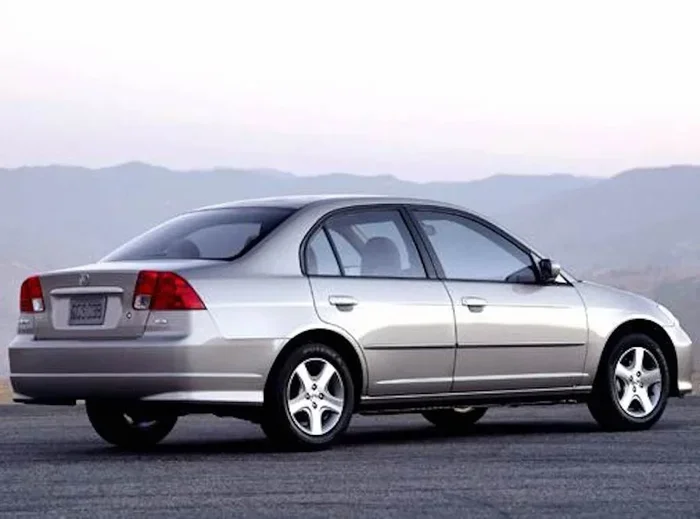
The 2004 Honda Civic is a reliable compact sedan that still holds solid value in today’s market. Depending on trim, condition, and mileage, owners can expect to sell for anywhere between $1,500 and $6,500. Understanding key factors like vehicle condition, maintenance history, and current market demand helps you get the best deal. Whether you are buying or selling, this guide covers everything you need to know about 2004 Honda Civic value and used car pricing.
The 2004 Honda Civic continues to be one of the most recognized compact sedans on American roads. Nearly two decades after its release, this car still commands respect for its durability, fuel efficiency, and affordable maintenance costs. If you are wondering how much a 2004 Honda Civic is worth, you are in the right place.
Whether you plan to sell your current Civic or buy a used one, understanding the factors that influence its value is essential. The Honda Civic resale value has remained strong over the years, and the 2004 model is no exception. In this article, we break down everything from trim levels and mileage to current market trends so you can make a confident decision.
Many people assume older cars are not worth much. But the truth is, well-maintained compacts like the 2004 Honda Civic can surprise you with their staying power in the used car pricing market. Let us dive into the numbers and explore what really drives the value of this timeless sedan.
Key Takeaways
- Price Range: A 2004 Honda Civic typically sells for $1,500 to $6,500 depending on trim and condition.
- Trim Matters: Higher trims like the EX and Si models hold more value than the base DX trim.
- Condition Is King: Clean interior, low mileage, and a solid maintenance history significantly boost resale value.
- Sell Privately: Private party sales almost always earn more than trade-in offers from dealerships.
- Check Multiple Sources: Use Kelley Blue Book, Edmunds, and NADA Guide to compare fair market value.
- Market Demand: The 2004 Civic remains popular due to its reputation for reliability and fuel economy.
📑 Table of Contents
Understanding the 2004 Honda Civic Value
The value of any used car depends on several moving parts. The 2004 Honda Civic benefits from Honda’s reputation for building long-lasting vehicles. This reputation alone pushes demand, which keeps prices higher than many competing models from the same era.
When appraisers evaluate a car appraisal for a 2004 Civic, they look at the overall vehicle condition, original or rebuilt components, and whether the car has been involved in any accidents. A clean vehicle history report can add hundreds of dollars to the final offer. Buyers feel more confident paying a premium for a car with a documented clean past.
Trim Levels and Their Impact on Value
The 2004 Honda Civic came in several trim levels, and each one affects the resale price differently. Here is a quick look at the main trims available that year:
- DX (Base): The entry-level trim with a 1.7-liter engine. These models typically fetch the lowest prices because of fewer standard features.
- LX: Added comfort features like power windows and a CD player. The LX trim sits in the middle of the pricing range.
- EX: Included alloy wheels, a power moonroof, and better audio systems. The EX models hold value noticeably better than the base trims.
- Si (Sport Injected): The performance-oriented trim with a 1.6-liter turbocharged engine producing around 160 horsepower. Si models are the most sought after and command the highest prices.
If you own a 2004 Honda Civic Si, you are sitting on a desirable model. Enthusiasts actively seek out the Si trim for its sporty handling and strong engine output. This demand keeps the Si’s used car pricing well above other trims in the same model year.
Condition Matters Most
Let us be honest. A car with dents, scratches, and worn-out interior will not sell for top dollar. Vehicle condition is arguably the single biggest factor in determining what your 2004 Civic is worth. Here are the key condition categories buyers and appraisers consider:
- Excellent: No visible damage, clean interior, all features working perfectly. These cars sell at the top of the price range.
- Good: Minor cosmetic imperfections but mechanically sound. Still a strong selling position.
- Fair: Noticeable wear and tear, maybe some minor mechanical issues. Expect a lower offer.
- Poor: Major cosmetic or mechanical problems. These cars are typically sold for parts or scrap value.
Taking the time to detail your car before selling can make a surprising difference. First impressions matter, and a clean car signals to buyers that it has been well cared for.
Current Market Pricing Breakdown
Now let us look at the actual numbers. The 2004 Honda Civic price range varies widely based on the factors we discussed. Below is a general breakdown of what you can expect in the current market.
Trade-In vs. Private Party vs. Retail
Understanding the different selling channels helps set realistic expectations. Here is how the three main channels compare for a typical 2004 Honda Civic in good condition:
- Trade-In Value: Dealers offer the lowest prices because they need to make a profit after reconditioning. Expect around $1,500 to $3,000 for a trade-in offer.
- Private Party Sale: Selling directly to a buyer almost always earns more. A private sale typically brings in $2,500 to $5,500 depending on trim and condition.
- Retail (Dealership): Dealers list used cars at higher prices to account for reconditioning costs and profit margins. Retail prices for a 2004 Civic range from $3,500 to $6,500.
If you want to maximize your return, a private party sale is almost always the best route. You avoid dealer markup and keep the entire profit. However, it does require more effort in advertising, showing the car, and handling negotiations.
Regional Price Differences
Where you live matters more than you might think. Used car pricing can vary by hundreds of dollars depending on your region. In areas with harsh winters and road salt, cars tend to depreciate faster due to rust and corrosion. In warmer, drier climates, older Hondas often last longer and hold value better.
Urban areas with high demand for affordable transportation also see slightly higher prices for reliable compacts like the 2004 Civic. Rural areas might have lower demand, which can push prices down. Always check local listings on platforms like Autotrader and Facebook Marketplace to get a sense of what buyers in your area are paying.
Factors That Affect Your Cars Worth
Several specific factors go into determining the final value of a 2004 Honda Civic. Understanding these can help you price your car correctly or negotiate a fair deal when buying.
Mileage and Maintenance History
Mileage is one of the first things buyers look at. The 2004 Honda Civic is known for its longevity, and many examples still run strong at 150,000 to 200,000 miles. However, higher mileage does naturally reduce the price. A Civic with 80,000 miles will command a significantly higher price than one with 180,000 miles.
Beyond mileage, the maintenance history plays a huge role. If you have kept up with oil changes, brake replacements, and other routine services, make sure you have the records to show. A documented maintenance history builds trust and justifies a higher asking price. On the flip side, a car with no service records and high mileage is a red flag for most buyers.
Many buyers also check whether the car has a vehicle history report from Carfax or AutoCheck. A clean report with no accidents or title issues adds significant value. If your car has a salvage title or accident history, expect the price to drop considerably.
Engine and Transmission Options
The 2004 Honda Civic offered a few different powertrain combinations. The base DX and LX trims came with a 1.7-liter inline-four engine producing about 110 horsepower. The EX trim offered the same engine but with additional comfort features. The Si trim featured a 1.6-liter turbocharged engine with 160 horsepower, making it the clear performance choice.
Transmission also plays a role. The 2004 Civic was available with both a five-speed manual and a four-speed automatic. Manual transmissions tend to hold slightly better value among enthusiasts, though the difference is not dramatic. Automatic Civics are more appealing to the broader used car market, which can help with resale.
When evaluating Honda Civic resale value, remember that the engine condition matters enormously. A well-maintained engine with no leaks or unusual noises will always fetch a better price. If you are selling, consider getting a pre-sale inspection to address any minor issues before listing the car.
How to Get the Best Price for Your 2004 Civic
If your goal is to maximize what you receive for your car, a few strategic steps can make a real difference. Following these tips puts you in a much stronger position during the selling process.
Getting Your Car Appraised
Before you list your car or accept any offer, get a professional appraisal. Many dealerships offer free appraisals, and online tools from Kelley Blue Book and Edmunds give you a solid ballpark figure. The NADA Guide is another excellent resource that dealers and buyers reference regularly.
An appraisal gives you a baseline for pricing. You can then adjust up or down based on your car’s specific condition, mileage, and features. Having this information in hand prevents you from overpricing or underpricing your vehicle.
Tips for Selling Your 2004 Honda Civic
Selling a car does not have to be stressful. Here are some practical tips to help you get the best deal:
- Clean the car thoroughly: A professional detail can make your car look years younger. Focus on the interior, headlights, and exterior paint.
- Gather all documentation: Service records, vehicle history report, and the title should all be ready for the buyer.
- Take high-quality photos: Good photos attract more buyers and create a professional first impression.
- Price competitively: Research similar listings in your area and price your car accordingly. Overpricing is the fastest way to lose buyers.
- Be honest about flaws: Transparency builds trust. Disclose any known issues upfront to avoid negotiation breakdowns later.
Remember that negotiating on a used car is normal. Buyers will almost always try to haggle, so build a small buffer into your asking price. If your car is in excellent condition and you have the documentation to back it up, you will hold your ground during negotiations.
Is the 2004 Honda Civic a Good Investment?
The short answer is yes, with some caveats. The 2004 Honda Civic is one of the best used compact sedans you can buy on a budget. Its combination of reliability, fuel economy, and affordable parts makes it a smart choice for first-time buyers, students, and daily commuters.
Pros of Buying a 2004 Civic
- Reliability: Honda Civics are built to last. Many examples exceed 200,000 miles with proper care.
- Fuel Economy: The 2004 Civic delivers an estimated 30 to 38 miles per gallon depending on the trim and engine.
- Affordable Parts: Honda parts are widely available and reasonably priced, keeping maintenance costs low.
- Strong Resale: These cars hold value better than many competitors from the same era.
- Fun to Drive: The Si trim, in particular, offers engaging handling and responsive steering.
Cons to Consider
- Age: At over 20 years old, some components may need replacement soon, such as the suspension, exhaust, or electrical systems.
- Safety Features: The 2004 Civic lacks modern safety tech like backup cameras, blind-spot monitoring, and automatic emergency braking.
- Fuel Type: While fuel economy is good, the car is not a hybrid or electric vehicle, so it still relies on gasoline.
Overall, the 2004 Honda Civic remains a solid choice in the used compact car market. Its combination of reliability, affordability, and driving enjoyment keeps demand strong. If you find a clean example with a good maintenance history, you are getting a car that can serve you well for years to come.
Final Thoughts on 2004 Honda Civic Pricing
The 2004 Honda Civic is a testament to Honda’s engineering and commitment to quality. Nearly twenty years after its release, this compact sedan still turns heads and keeps owners coming back. Whether you are selling or buying, understanding the factors that drive value puts you ahead of the curve.
From trim levels and mileage to condition and maintenance history, every detail matters when determining what your car is truly worth. Use the pricing ranges and tips in this guide to set a fair price or negotiate a smart purchase. And remember, tools like Kelley Blue Book, Edmunds, and the NADA Guide are your best friends when navigating the used car pricing landscape.
If you are ready to sell, consider listing your car privately to get the best return. And if you are buying, take your time, inspect the car carefully, and always request a vehicle history report. The 2004 Honda Civic is a worthwhile investment that delivers real value for money. Happy buying or selling.
Frequently Asked Questions
What is the average value of a 2004 Honda Civic?
The average value of a 2004 Honda Civic ranges from $1,500 to $6,500 depending on trim level, mileage, and overall condition. Higher trims like the EX and Si models tend to sit at the upper end of the range, while base DX models are priced lower.
How can I get the most money for my 2004 Honda Civic?
Selling privately almost always earns more than trading in at a dealership. Clean the car thoroughly, gather all service records, and price competitively based on local market listings. A vehicle history report showing no accidents adds significant value.
Is a 2004 Honda Civic a reliable car?
Yes, the 2004 Honda Civic has an excellent reputation for reliability. With proper maintenance, these cars routinely exceed 200,000 miles. Honda’s engineering and the availability of affordable parts make the Civic one of the most dependable compact sedans on the used market.
What mileage is too high for a 2004 Honda Civic?
There is no single magic number, but mileage above 150,000 starts to raise concerns for most buyers. That said, the 2004 Civic is known for longevity, and a well-maintained example at 180,000 miles can still be a great purchase. Always check the maintenance history before judging based on mileage alone.
Does the 2004 Honda Civic hold its value well?
The 2004 Civic holds value better than many competing models from the same era. Honda’s strong brand reputation for reliability keeps demand steady. The Si and EX trims especially retain value well compared to the base DX trim.
Should I buy a 2004 Honda Civic as a first car?
The 2004 Honda Civic makes an excellent first car. It is affordable, reliable, and fuel-efficient. Just make sure to get a pre-purchase inspection and a vehicle history report to confirm the car has been well maintained and has no hidden issues.