How Much Does It Cost to Replace a Honda Civic Starter
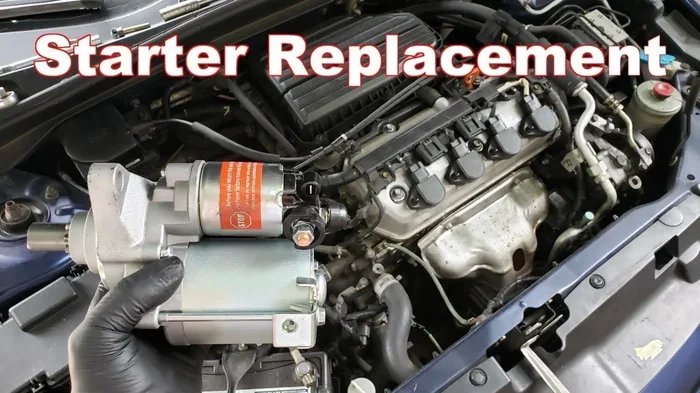
The cost to replace a Honda Civic starter typically ranges from $300 to $550, with parts making up about $150 to $300 and labor costing $150 to $250. The exact Honda Civic starter replacement cost depends on your model year, engine type, and whether you go to a dealership or independent mechanic. Replacing the starter motor yourself can save you significant money if you have basic tools and mechanical know-how.
Your Honda Civic is one of the most reliable cars on the road. But even the best vehicles need repairs eventually. One of the most common issues Civic owners face is a failing starter motor. If you have ever turned the key and heard nothing but a faint click, you know how frustrating this can be.
The good news is that replacing a Honda Civic starter is a straightforward repair. And the cost is usually manageable, especially if you know what to expect. In this guide, we break down everything you need to know about the Honda Civic starter cost, from parts pricing to labor estimates. We also cover warning signs, DIY options, and tips to save money.
Whether you drive a 2005 Civic or a brand new 2024 model, this article will help you budget for the repair and make informed decisions. Let us dive in.
Key Takeaways
- Average Cost: Most Honda Civic owners pay between $300 and $550 for a full starter replacement.
- Parts vs. Labor: The starter motor itself costs $150 to $300, while labor runs $150 to $250 at most shops.
- Model Year Matters: Older Civics (2006 and earlier) often have cheaper starters than newer models with integrated electrical systems.
- DIY Can Save Money: If you are handy, replacing the starter yourself can cut the cost by 40 to 60 percent.
- Warning Signs: Clicking noises, slow cranking, and intermittent starting are clear signs your starter is failing.
- OEM vs. Aftermarket: OEM starters cost more but tend to last longer than budget aftermarket alternatives.
- Where You Get It Fixed: Independent mechanics usually charge less than dealerships, but warranties may differ.
📑 Table of Contents
- What Does a Starter Motor Do?
- How Much Does a Honda Civic Starter Cost?
- Signs Your Honda Civic Starter Is Failing
- Can You Replace the Starter Yourself?
- OEM vs Aftermarket Starters: Which Is Worth It?
- How to Save Money on Starter Replacement
- How Long Does a Honda Civic Starter Last?
- When Is a Starter Replacement Not Worth It?
- Final Thoughts
What Does a Starter Motor Do?
Before we talk about cost, it helps to understand what the starter actually does. The starter motor is a small but powerful electric motor. Its job is to crank the engine when you turn your key or press the start button.
Here is how it works in simple terms:
- You turn the ignition key or push the start button.
- The starter solenoid sends an electrical signal to the starter motor.
- The starter motor spins a small gear that engages with the engine’s flywheel.
- The engine turns over and starts running on its own.
Once the engine fires, the starter disengages and stops working. It only activates for a few seconds each time you start the car. Despite this brief use, the starter takes a lot of wear over time. Eventually, it wears out and needs replacement.
Why Starters Fail
Starters do not last forever. Several factors can shorten their lifespan:
- Age and mileage: Most starters last between 100,000 and 150,000 miles.
- Corroded connections: Dirty or corroded electrical connections make the starter work harder.
- Faulty solenoid: A bad solenoid can prevent the starter from engaging properly.
- Oil leaks: Oil dripping onto the starter can cause internal damage.
- Extreme temperatures: Very hot or very cold weather stresses the electrical components.
How Much Does a Honda Civic Starter Cost?
This is the question everyone wants answered. The Honda Civic starter replacement cost varies depending on several factors. Let us break it down clearly.
Parts Cost Breakdown
The starter motor itself is the biggest variable. Here is a general range:
- Aftermarket starter: $100 to $200. These are made by third-party manufacturers. They work well and cost significantly less than OEM parts.
- OEM (Original Equipment Manufacturer) starter: $200 to $350. This is the exact same part Honda uses at the factory. It comes with a manufacturer warranty and tends to last longer.
- Remanufactured starter: $80 to $150. These are rebuilt units that have been tested and certified. They offer a good middle ground between price and quality.
Your choice between OEM vs aftermarket starter depends on your budget and how long you plan to keep the car. If you own the Civic long-term, an OEM part is a smart investment.
Labor Cost Breakdown
Labor is the other major expense. The good news is that replacing a Honda Civic starter is not a complicated job. Most mechanics can do it in one to two hours.
- Independent mechanic: $100 to $180 for labor. Rates vary by location and shop reputation.
- Dealership: $150 to $250 for labor. Dealerships charge more, but they use factory-trained technicians and genuine parts.
- DIY: $0 in labor costs. If you can do it yourself, you save the entire labor charge.
If you want to understand what fair labor rates look like, check out our guide on how much most mechanics make an hour. It gives you a clearer picture of what goes into shop pricing.
Total Cost by Model Year
Not all Honda Civics are the same when it comes to starter replacement cost. Newer models with more electrical features can be slightly more expensive to repair. Here is a general overview:
- 2001 to 2005 Honda Civic: $250 to $400 total. These older models have simpler electrical systems, making starter access easier.
- 2006 to 2011 Honda Civic: $300 to $500 total. Slightly more complex wiring and sensor integration can add to the cost.
- 2012 to 2015 Honda Civic: $350 to $550 total. Later models may have starters integrated with other components.
- 2016 and newer Honda Civic: $400 to $600 total. Newer electrical systems and tighter engine bay packaging can increase labor time.
These are average estimates. Your actual cost depends on your location, the specific trim level, and the shop you choose. Always ask for a detailed estimate before approving any repair.
Signs Your Honda Civic Starter Is Failing
Catching a bad starter early can save you from getting stranded. Watch for these warning signs:
Clicking Noise When You Turn the Key
This is the most common symptom. You turn the key and hear a single loud click or rapid clicking, but the engine does not turn over. The starter solenoid is trying to engage, but the motor is not spinning. This usually means the starter is worn out or the electrical connection is weak.
Slow Cranking
When the engine takes longer than usual to start, the starter motor may be weakening. A healthy starter cranks the engine quickly and confidently. If you notice a sluggish start, it is worth getting the starter tested.
Intermittent Starting Problems
If the car starts sometimes and not other times, the starter may have a bad spot on the armature. This is a telltale sign of internal wear. Intermittent issues often get worse over time, so do not ignore them.
Burning Smell
A burning or electrical smell when you try to start the car signals overheating. This can happen when the starter motor is stuck or drawing too much current. Stop trying to start the car and get it inspected right away.
Starter Keeps Running After the Engine Starts
Once the engine fires, the starter should disengage immediately. If you hear a grinding or whirring noise after the engine is running, the starter solenoid may be sticking. This can damage the flywheel if not fixed quickly.
Can You Replace the Starter Yourself?
Many Honda Civic owners ask whether they can save money by doing the repair themselves. The answer is yes, for most people with basic mechanical skills.
What You Will Need
- A socket set and wrenches (mostly 10mm, 12mm, and 14mm sizes)
- A jack and jack stands or ramps (depending on your model)
- A new starter motor (OEM or aftermarket)
- A multimeter to test electrical connections
- Basic hand tools and penetrating oil
How Hard Is It?
Replacing a Honda Civic starter is considered a moderate difficulty repair. On most Civics, the starter is located on the passenger side of the engine, near the transmission bell housing. You will need to get underneath the car or work from above, depending on the model year.
The job typically takes one to three hours for a DIYer, depending on your experience and how much room you have to work in the engine bay. Here is a general process:
- Disconnect the negative battery terminal for safety.
- Locate the starter motor on the engine block.
- Disconnect the electrical wiring connected to the starter.
- Remove the mounting bolts that hold the starter in place.
- Carefully pull the starter out and away from the engine.
- Compare the old and new starters to make sure they match.
- Install the new starter and bolt it into place.
- Reconnect the electrical wiring.
- Reconnect the battery and test the starter.
If you are not comfortable working under the car, it is perfectly fine to take it to a shop. There is no shame in paying for professional work. But if you enjoy DIY projects, this is a great repair to tackle.
Tips for a Successful DIY Replacement
- Take photos before you disconnect anything so you can reference them later.
- Spray penetrating oil on rusty bolts and let them sit for a few minutes before removing them.
- Clean the electrical connections with a wire brush before installing the new starter.
- Check the starter ground wire for corrosion and replace it if needed.
- Test the new starter before you put the car back together fully.
OEM vs Aftermarket Starters: Which Is Worth It?
This is one of the most debated topics among car owners. Both options have pros and cons. Let us compare them side by side.
OEM Starters
- Pros: Exact fit and finish, backed by Honda warranty, generally more durable, consistent performance.
- Cons: Higher price, may take longer to order if not in stock at the shop.
Aftermarket Starters
- Pros: Much cheaper, widely available at auto parts stores, many quality brands offer solid warranties.
- Cons: Fit and finish may vary, some budget brands have shorter lifespans, quality can be inconsistent.
Our Recommendation
If your Honda Civic is still under warranty, go with the OEM part. The warranty coverage alone can justify the higher cost. If the car is older and out of warranty, a quality aftermarket starter from a reputable brand is a smart choice. Brands like Bosch, Denso, and AC Delco have strong track records with Honda Civics.
Also keep in mind that some aftermarket starters come with lifetime warranties. This can offset the lower upfront cost and give you peace of mind.
How to Save Money on Starter Replacement
Repair costs can add up fast. Here are practical tips to keep the Honda Civic starter replacement cost as low as possible:
Get Multiple Quotes
Do not just go with the first shop you find. Call three or four local mechanics and ask for a written estimate. Independent shops almost always charge less than dealerships for the same repair. You can also check online repair estimate tools for a ballpark figure.
Buy the Part Yourself
Some shops mark up parts significantly. If you buy the starter yourself from a trusted retailer, you can often negotiate a lower labor rate. Just make sure the part is compatible with your specific Civic model and year.
Consider a Remanufactured Starter
Remanufactured starters go through a rigorous rebuilding process. They are tested to meet original specifications and often come with warranties. At $80 to $150, they offer excellent value.
Do Not Delay the Repair
A failing starter will not fix itself. Putting off the repair can lead to bigger problems, like a dead battery from repeated attempts to start the car or damage to the flywheel. The sooner you address it, the less you will pay overall.
Check for Recalls or Technical Service Bulletins
Sometimes Honda issues recalls or service bulletins that cover starter-related issues for specific model years. Check with your local Honda dealer to see if your Civic qualifies for any complimentary repairs or discounts.
How Long Does a Honda Civic Starter Last?
A well-maintained starter motor typically lasts between 100,000 and 150,000 miles. However, driving habits and conditions play a big role. If you frequently start and stop the car in heavy traffic, the starter works harder and may wear out sooner.
Cold weather is also tough on starters. The oil thickens in low temperatures, making the engine harder to turn over. The starter has to work harder each time. If you live in a cold climate, you may need to replace the starter more frequently.
Regular maintenance helps extend the life of your starter. Keep the battery terminals clean, ensure the electrical connections are tight, and address any oil leaks near the starter area promptly.
When Is a Starter Replacement Not Worth It?
Sometimes the repair cost does not make sense. Here are a few situations where you might want to reconsider:
- The car has very high mileage: If your Civic has over 250,000 miles and has other major issues, a $500 repair might not be the best use of money.
- The car is older and贬值 (depreciating): If the repair cost approaches the value of the car, it may be time to look at how much you can sell your car for and put the money toward a newer vehicle.
- Multiple repairs needed: If the starter issue is part of a larger pattern of electrical or mechanical problems, the cumulative cost may not be worth it.
In these cases, selling the car or parting it out may be the smarter financial move.
Final Thoughts
Replacing a Honda Civic starter is a common and manageable repair. Most owners pay between $300 and $550 for parts and labor combined. The exact Honda Civic starter cost depends on your model year, the type of starter you choose, and where you get the work done.
If you notice warning signs like clicking noises, slow cranking, or intermittent starting, do not wait. Get the starter tested as soon as possible. Catching the problem early keeps you safe and prevents additional damage.
Whether you choose to go to a mechanic or tackle the repair yourself, the key is to make an informed decision. Compare quotes, choose the right part for your budget, and do not let a small repair turn into a big headache. Your Honda Civic has served you well. A new starter will keep it running strong for years to come.
Frequently Asked Questions
How do I know if my Honda Civic starter is bad?
The most common signs are a clicking sound when you turn the key, slow or sluggish cranking, and the engine not starting at all. A burning smell or grinding noise after the engine starts are also red flags. If you notice any of these symptoms, have the starter tested right away.
Can I drive my Honda Civic with a bad starter?
No. A bad starter means the engine cannot crank and start. You will not be able to drive the car until the starter is repaired or replaced. If you are stranded, you may be able to push-start a manual transmission Civic, but this is only a temporary workaround.
How long does it take to replace a Honda Civic starter?
At a repair shop, the job usually takes one to two hours. If you are doing it yourself, budget two to three hours, especially if it is your first time. The exact time depends on your model year and how much space you have to work in the engine bay.
Is it cheaper to replace the starter yourself?
Yes, replacing the starter yourself can save you $150 to $250 in labor costs. However, you need basic mechanical skills and the right tools. If you are not confident, it is worth paying a professional to avoid damaging other components.
What is the difference between a starter motor and a starter solenoid?
The starter solenoid is a small switch that sends electrical current to the starter motor. The starter motor is the actual component that spins to crank the engine. Sometimes the solenoid fails independently, but often they are replaced together as a single unit on Honda Civics.
Does Honda warranty cover starter replacement?
It depends. If your Civic is still under the original factory warranty or a certified pre-owned warranty, starter replacement may be covered. However, wear-and-tear items like starters are sometimes excluded. Check with your Honda dealer to confirm your specific coverage.