How Much Does a Power Steering Pump Cost to Replace
Replacing a power steering pump typically costs between $400 and $1,200, with parts averaging $200 to $700 and labor ranging from $200 to $500. The final price depends on your vehicle make, model, and whether you choose a new or remanufactured pump. This guide breaks down every cost factor so you know what to expect before visiting a mechanic.
A failing power steering pump can turn a simple drive into a frustrating and potentially dangerous experience. When your steering wheel starts feeling stiff or making strange noises, it is natural to worry about what it will cost to fix. The power steering pump cost to replace varies widely depending on several factors, but understanding those factors helps you make informed decisions and avoid overpaying.
Whether you drive a daily commuter or a family SUV, the steering system is one of the most critical components in your vehicle. Without proper power assist, turning the wheel at low speeds or while parked becomes physically demanding. That is why addressing pump problems early is so important. In this guide, we will walk through every cost detail, from parts pricing to labor charges, so you walk into the shop prepared.
## What Does a Power Steering Pump Do?
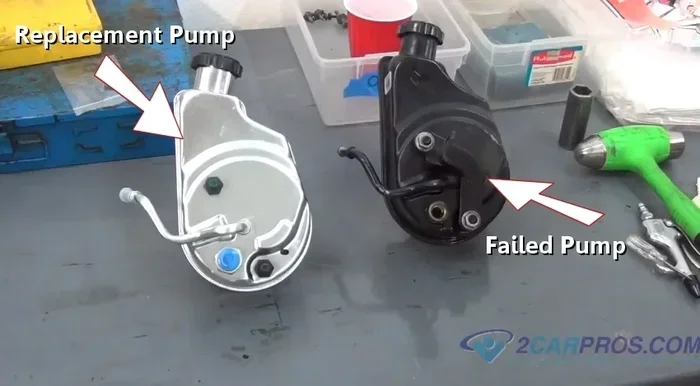
The power steering pump is the heart of your vehicle’s hydraulic power steering system. It pressurizes fluid to help you turn the steering wheel with minimal effort. When you turn the wheel, the pump pushes power steering fluid through hoses and into the steering rack, creating the pressure that assists your turn.
Without a working pump, you would need significant upper body strength to steer, especially at parking speeds. Most modern vehicles use hydraulic power steering, though some newer models have switched to electric power steering systems that eliminate the pump entirely. Understanding which type your vehicle has matters when diagnosing problems and estimating repair costs.
## Signs Your Power Steering Pump Is Failing
Catching pump failure early can save you from a more expensive repair down the road. Here are the most common symptoms to watch for:
### Whining or Groaning Noises
A loud whining sound when you turn the steering wheel is one of the earliest signs of a failing pump. The noise often gets louder at low speeds or when you turn the wheel all the way to one side. This usually indicates low fluid levels or worn internal components inside the pump.
### Stiff Steering Wheel
If your steering wheel feels heavy or hard to turn, the pump may not be generating enough pressure. This is especially noticeable when parking or making tight turns at low speeds. Steering wheel hard to turn is a clear signal that something is wrong with the assist system.
### Fluid Leaks
Puddles of fluid under your car, especially near the front, can indicate a leaking power steering hose or pump seal. Power steering fluid is usually clear, amber, or reddish in color. Low fluid levels cause the pump to work harder, leading to premature failure.
### Steering Wheel Vibration
A vibrating or shaking steering wheel, particularly at idle or low speeds, can point to internal pump damage. The pump may be cavitating due to air bubbles in the fluid or worn gears inside the unit.
### Burning Smell
A burning smell coming from the engine area often means the power steering fluid is overheating. This can happen when the fluid is old, contaminated, or when the pump is struggling due to low fluid levels.
## How Much Does a Power Steering Pump Cost to Replace?
The power steering pump replacement cost depends on several key factors. Here is a detailed breakdown of what goes into the total price.
### Parts Cost
The pump itself is the biggest variable in the total cost. Here is what you can expect for parts alone:
- New OEM pump: $300 to $700 for most standard vehicles
- Remanufactured pump: $150 to $400, offering significant savings
- Aftermarket pump: $100 to $500 depending on brand and quality
- Premium or luxury vehicles: $500 to $1,000 or more for the pump alone
Choosing a remanufactured pump is a smart way to save money without sacrificing quality. These units are rebuilt to original specifications and often come with warranties. However, always buy from a reputable supplier to avoid low-quality replacements.
### Labor Cost
Labor charges for replacing a power steering pump typically range from $200 to $500. The exact cost depends on how accessible the pump is in your vehicle and how long the job takes.
The average labor rate at most independent shops is between $80 and $150 per hour. Dealerships usually charge more, often $150 to $250 per hour. A typical pump replacement takes one to three hours, depending on the vehicle.
When you are comparing quotes, it helps to understand what drives labor costs. If the pump is easy to access, the job takes less time. But if the engine layout is tight or the pump is buried behind other components, labor time increases significantly.
For context on what you pay mechanics, how much do most mechanics make an hour varies by region and shop type, and that directly affects what you pay for labor at the shop. Understanding how much do I charge for labor as a shop owner helps explain why rates differ so much between independent garages and dealerships.
### Total Replacement Cost by Vehicle Type
The type of vehicle you drive has a big impact on the total cost. Here is a general breakdown:
- Economy cars (Honda Civic, Toyota Corolla): $400 to $800 total
- Mid-size sedans (Toyota Camry, Honda Accord): $500 to $1,000 total
- SUVs (Honda CR-V, Ford Explorer): $600 to $1,200 total
- Luxury vehicles (BMW, Mercedes): $800 to $2,000+ total
- Trucks (Ford F-150, Ram 1500): $500 to $1,100 total
These ranges reflect national averages and can vary based on your location, the shop you choose, and whether you use new or remanufactured parts.
## Factors That Affect the Power Steering Pump Replacement Cost
Several factors influence the final price you will pay. Understanding these helps you anticipate costs and avoid surprises.
### Vehicle Make and Model
This is the single biggest factor. A pump for a common economy car costs less and is easier to find than one for a rare or luxury vehicle. Parts availability drives pricing significantly. If your vehicle uses a unique or proprietary pump design, expect to pay more.
### New vs. Remanufactured vs. Used Parts
Choosing between new, remanufactured, and used parts can swing the parts cost by hundreds of dollars. New OEM parts offer the best reliability but come at a premium. Remanufactured pumps provide a solid middle ground, and used pumps from salvage yards are the cheapest option but carry the most risk.
### Location and Shop Type
Labor rates vary dramatically by region. Shops in major metropolitan areas typically charge more than rural garages. Dealerships charge the highest rates but often provide the most comprehensive warranties. Independent shops usually offer the best balance of price and quality.
### Additional Repairs Needed
Sometimes a failing pump damages other components. If the pump failure caused fluid to contaminate the steering rack or hoses, those parts may also need replacement. Always ask the mechanic to inspect the entire steering system when replacing the pump.
### Timing of the Repair
Addressing pump problems early usually keeps costs lower. Waiting too long can cause the pump to seize completely, which may damage the steering rack or belt. This turns a straightforward pump replacement into a much more expensive repair.
## Should You Replace or Sell Your Car?
For older vehicles with high mileage, a power steering pump replacement might not make financial sense. If the repair cost approaches or exceeds the value of your car, it may be time to consider other options. Understanding how much you can sell your car for helps you weigh the cost of repair against the value of moving on to a different vehicle.
A good rule of thumb: if the repair cost exceeds 50% of your car’s current market value, selling or trading in may be the smarter choice. However, if the rest of the vehicle is in good condition, investing in a pump replacement can extend its life by several more years.
## Can You Replace a Power Steering Pump Yourself?
Experienced DIYers with the right tools can save a significant amount of money by replacing the pump themselves. The parts cost stays the same, but you eliminate labor charges entirely.
### What You Need for a DIY Replacement
- A jack and jack stands or a lift
- Socket set and wrenches
- Power steering pump pulley tool
- New pump and O-rings or seals
- Fresh power steering fluid
- A container to catch old fluid
### Steps Involved
- Disconnect the battery to prevent accidental starts.
- Remove the serpentine belt from the pump pulley.
- Disconnect the fluid hoses from the pump.
- Unbolt the pump from the engine mount.
- Install the new pump and reconnect all hoses.
- Reinstall the serpentine belt.
- Refill the system with fresh fluid and bleed air from the lines.
- Test the steering for proper operation and leaks.
### Is DIY Right for You?
If you are not comfortable working on your vehicle’s engine bay, it is best to leave this job to a professional. Incorrect installation can lead to fluid leaks, steering failure, or damage to other engine components. However, if you have basic mechanical skills, this is a manageable weekend project that can save you several hundred dollars in labor.
## How to Prevent Power Steering Pump Failure
Regular maintenance goes a long way toward preventing unexpected pump failures and costly repairs. Here are some simple steps to keep your steering system healthy.
### Check Fluid Levels Regularly
Low power steering fluid is one of the leading causes of pump failure. Make it a habit to check the fluid level during routine oil changes or monthly inspections. If you notice the fluid level dropping frequently, inspect for leaks in the hoses, seals, or pump itself.
### Flush and Replace Fluid on Schedule
Over time, power steering fluid breaks down and becomes contaminated with particles and moisture. Most manufacturers recommend flushing and replacing the fluid every 50,000 to 100,000 miles. Fresh fluid keeps the system lubricated and prevents internal wear.
### Address Leaks Immediately
Even a small leak can cause the pump to run dry, leading to catastrophic failure. If you notice any fluid puddles under your car or see fluid dripping near the front of the engine, have it inspected right away.
### Protect Your Car’s Exterior
Keeping your car clean and protected from the elements contributes to overall vehicle health. Applying quality protectants and addressing paint damage promptly prevents rust and corrosion that can affect undercarriage components, including steering system parts.
### Listen for Warning Sounds
Pay attention to any new noises when turning the wheel. A whining sound that gets louder at full lock is a classic early warning sign. Catching these sounds early and having a mechanic diagnose the issue can prevent a full pump failure.
## Expert Insights
Professional mechanics often see the same mistakes when it comes to steering pump repairs. Here are some insights from the field.
“The most common mistake we see is drivers ignoring early warning signs,” says a longtime automotive technician. “A whining noise today is a $400 repair. A seized pump next month is a $1,200 repair plus potential damage to the steering rack.”
Another expert tip: always replace the power steering fluid when installing a new pump. Old, contaminated fluid can damage the new pump prematurely. This is a small step that many shops skip, but it adds significant longevity to the repair.
## Common Mistakes to Avoid
- Ignoring low fluid levels: Running the pump dry causes instant damage and voids most warranties.
- Using the wrong fluid: Different vehicles require specific power steering fluid types. Using the wrong one can damage seals and internal components.
- Choosing the cheapest parts: Ultra-budget pumps may save money upfront but often fail within months, costing you more in the long run.
- Skipping the bleeding process: Air trapped in the system causes noise and poor steering assist. Always bleed the system properly after replacement.
- Delaying the repair: A small problem becomes a big problem fast. The longer you wait, the more damage occurs.
## Key Takeaways
Key Takeaways
- Average replacement cost: Most drivers pay between $400 and $1,200 for a full power steering pump replacement.
- Parts vs. labor: The pump itself costs $200 to $700, while labor typically runs $200 to $500 depending on your vehicle.
- Vehicle type matters: Luxury and performance vehicles cost significantly more to repair than economy cars.
- New vs. remanufactured: Choosing a remanufactured pump can save you up to 50% on parts costs.
- DIY option: Experienced DIYers can save on labor by replacing the pump themselves, but it requires proper tools and knowledge.
- Ignoring symptoms worsens costs: Delaying repair can lead to more expensive damage to the steering rack or hoses.
- Maintenance helps prevent failure: Regular fluid changes and inspections can extend the life of your steering system.
## Frequently Asked Questions
How long does a power steering pump last?
Most power steering pumps last between 100,000 and 150,000 miles with proper maintenance. However, factors like driving habits, fluid condition, and exposure to extreme temperatures can shorten or extend that lifespan significantly.
Is it safe to drive with a failing power steering pump?
It is not recommended. A failing pump can lead to sudden loss of steering assist, making the vehicle difficult to control, especially at low speeds. If you notice symptoms, have the vehicle inspected as soon as possible.
Can low power steering fluid cause pump failure?
Yes, absolutely. Low fluid causes the pump to cavitate and run dry, which leads to overheating and premature wear. Always maintain proper fluid levels and address leaks immediately.
How long does the replacement take at a shop?
Most replacements take between one and three hours, depending on the vehicle model and pump accessibility. Simpler setups on economy cars may take less than an hour, while complex engines can take longer.
Does the power steering pump replacement come with a warranty?
Most shops and parts suppliers offer warranties on both the pump and labor. New OEM pumps typically come with longer warranties, while remanufactured units may have shorter coverage periods. Always ask about warranty terms before the repair.
What is the difference between hydraulic and electric power steering?
Hydraulic power steering uses a pump and fluid to assist steering, while electric power steering uses an electric motor. Electric systems do not have a pump, so they cannot experience pump failure. However, electric systems have their own set of potential issues, including motor and sensor failures.
## Conclusion
The power steering pump cost to replace is a concern for many drivers, but understanding the breakdown of parts, labor, and vehicle-specific factors takes the guesswork out of the equation. Most repairs fall between $400 and $1,200, and choosing the right parts and shop can help you stay within budget.
The most important takeaway is this: do not ignore the warning signs. A whining noise or stiff steering today is a small repair bill. Tomorrow, it could be a seized pump and a damaged steering rack. Stay proactive with fluid checks and maintenance, and your steering system will serve you reliably for years to come.
Frequently Asked Questions
What is How Much Does a Power Steering Pump Cost??
How Much Does a Power Steering Pump Cost? is an important topic with many practical applications.