How Do I Reset My Subaru Battery After Replacing It
Resetting your Subaru battery after a replacement is essential to restore settings, clear warning lights, and recalibrate your car’s computer systems. This guide walks you through the entire process in simple steps, whether you drive a Subaru Outback, Forester, or Camry alternative. You will learn how to disconnect the battery, reset the ECU, reprogram your key fob, and handle common post-reset issues like the check engine light or infotainment glitches.
So you just replaced your Subaru battery, and now your car feels a little off. Maybe the check engine light is on, the radio forgot your presets, or the power windows need recalibration. This is completely normal, and it happens to almost every car owner at some point. The good news is that learning how to reset my Subaru battery after replacing it is straightforward and something you can do right in your driveway.
Many people skip the reset step entirely, and that can lead to ongoing issues with your Subaru’s performance. Your car’s computer needs time to relearn your driving habits, and certain systems need a fresh start after a power loss. This article covers everything you need to know, from the basic disconnect method to handling stubborn warning lights. By the end, you will feel confident tackling this job yourself.
Let us walk through each step carefully. No jargon, no confusing manuals, just clear guidance that works.
Key Takeaways
- Resetting is necessary: A new battery needs a full reset so your Subaru’s computer relearns driving patterns and clears stored fault codes.
- DIY is easy: You can reset your battery at home with basic tools and about 15 to 30 minutes of your time.
- Multiple systems need attention: The ECU, infotainment, power windows, and key fob may all require individual resets after a battery swap.
- Watch for warning lights: It is normal to see a few dashboard lights after a reset, but persistent warnings need professional attention.
- Protect your car: Use a memory saver or note your settings before disconnecting to avoid losing radio presets and clock settings.
- Know when to call a pro: If the reset does not fix the issue, a Subaru dealership or trusted mechanic can help diagnose deeper problems.
📑 Table of Contents
- Why You Need to Reset Your Subaru Battery After Replacement
- Tools and Preparation Before You Start
- Step-by-Step Guide to Reset My Subaru Battery After Replacing It
- Common Issues After a Battery Reset and How to Fix Them
- Should You Hire a Professional or DIY the Reset?
- Tips to Extend Your New Subaru Battery Life
- Expert Insights on Subaru Battery Maintenance
- Key Takeaways
Why You Need to Reset Your Subaru Battery After Replacement
When you swap out an old battery for a new one, you cut power to your entire electrical system. Your Subaru relies on stored memory for many functions. The engine control unit, or ECU, stores fuel trim values, idle speed adjustments, and transmission shift points. The infotainment system remembers your radio stations, Bluetooth pairings, and navigation home addresses. Even your power window auto-up feature stores a calibration value.
Resetting the battery gives all of these systems a clean slate. Without a reset, your Subaru may run rough, shift oddly, or display false warning lights. Think of it like restarting your phone after a major update. The reboot helps everything sync up properly again.
What Happens If You Skip the Reset?
Skipping the reset can cause a handful of annoying problems. Your fuel economy might dip slightly because the ECU has not recalibrated the air-fuel mixture. The transmission could shift harshly during the first few drives. Some Subaru owners report a flickering dashboard or a battery light that stays on even after installing a brand-new battery.
In rare cases, skipping the reset can trigger a limp mode, which limits your engine power to protect the drivetrain. Nobody wants that. Taking a few extra minutes to reset your systems saves you from headaches down the road.
Tools and Preparation Before You Start
Before you disconnect anything, gather a few simple tools. You do not need anything fancy or expensive. Most of what you need, you probably already have in your garage.
Here is what you will need:
- A basic socket set (usually 10mm for battery terminals)
- A memory saver device (optional but recommended)
- A clean cloth or wire brush for terminal cleaning
- Battery terminal cleaner or baking soda solution
- A notebook or phone to jot down radio presets and settings
- Safety glasses and gloves
Safety First
Always work in a well-ventilated area. Car batteries produce hydrogen gas, which is flammable. Never smoke or use open flames near your battery. Make sure your Subaru is parked on a flat surface and the ignition is off. If you are working under the hood, wear gloves to protect your hands from any acid residue.
Pro tip: Write down your radio stations, clock setting, and any personalized features before you disconnect the battery. This saves you the frustration of reprogramming everything from scratch.
Step-by-Step Guide to Reset My Subaru Battery After Replacing It
This is the core of the process. Follow each step in order for the best results. The entire process takes about 15 to 30 minutes depending on your Subaru model.
Step 1: Turn Off the Ignition and Remove the Key
Start by turning the ignition to the off position. Remove the key from the ignition slot. If your Subaru uses a push-button start, make sure the vehicle is fully off and the key fob is away from the car. This ensures no electrical current is flowing through the system while you work.
Step 2: Locate the Battery
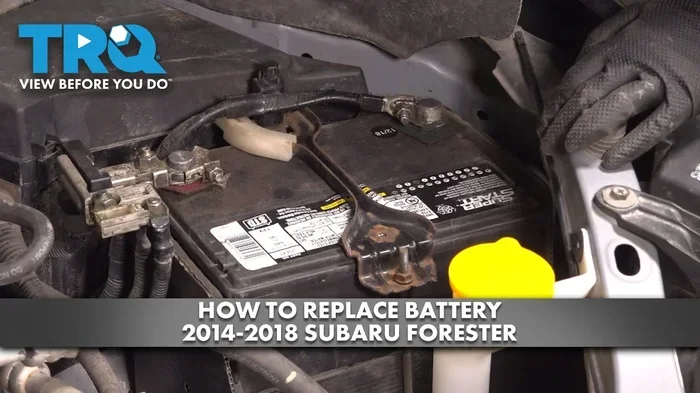
On most Subaru models, the battery sits in the engine bay on the left side. Pop the hood and look for the rectangular box with two terminals on top. If you have a Subaru Outback or Forester, the battery location is standard and easy to access. Some newer models may have the battery in the trunk, so check your owner’s manual if you are unsure.
Step 3: Disconnect the Negative Terminal First
This is the most important safety step. Always disconnect the negative terminal first. Use your socket wrench to loosen the nut on the negative cable clamp. Once loose, carefully pull the cable off the terminal and tuck it away from the battery. The negative terminal is marked with a minus sign and usually has a black cable.
Next, disconnect the positive terminal, which is marked with a plus sign and usually has a red cable. Again, loosen the nut and pull the cable off gently.
Step 4: Wait at Least 15 Minutes
Now here is where the magic happens. With both terminals disconnected, leave the battery out for at least 15 minutes. This allows the capacitors in your car’s computer systems to fully drain. It also resets the ECU, which clears stored fault codes and adaptive learning values.
Some people wait longer, up to 30 minutes, for a more thorough reset. Fifteen minutes is the minimum for most Subaru models. Use this time to clean the battery terminals if you have not done so already.
Step 5: Reconnect the Positive Terminal
After waiting, grab your new or freshly installed battery. Place it in the tray and secure it with the hold-down clamp. Start by reconnecting the positive terminal first. Slide the red cable over the positive post and tighten the nut firmly. Make sure there is no wiggle in the connection.
Step 6: Reconnect the Negative Terminal
Now connect the negative terminal. Slide the black cable over the negative post and tighten the nut. Give each terminal a gentle tug to confirm they are secure. A loose connection can cause all kinds of electrical gremlins.
Step 7: Turn the Ignition and Let the Car Idle
Insert the key or press the start button and let the engine idle for about five minutes. During this time, the ECU begins its relearning process. You may notice the check engine light or other warning lights on the dashboard. This is normal and expected right after a reset.
Do not drive off immediately. Let the car idle so the computer can start registering baseline readings for your engine sensors.
Common Issues After a Battery Reset and How to Fix Them
Even after a proper reset, you may encounter a few hiccups. Here are the most common issues Subaru owners face and how to handle them.
Check Engine Light Stays On
The check engine light often stays on for a few drive cycles after a battery reset. A drive cycle means starting the car cold, driving it for about 10 minutes, turning it off, and letting it sit overnight. After one or two complete drive cycles, the light should turn off.
If the light persists beyond two drive cycles, use an OBD2 scanner to check for stored codes. Many auto parts stores will scan your car for free. The code will tell you exactly what the computer is detecting.
Infotainment System Needs Reprogramming
Your Subaru’s infotainment screen may go blank or reset to factory settings after a battery disconnect. This is normal. You will need to reconnect your Bluetooth devices, restore your radio presets, and reset the navigation home address.
If the screen freezes or does not turn on, try holding the power button for 10 seconds to force a reboot. This works on most Subaru infotainment systems.
Power Windows Need Recalibration
After a battery reset, your power windows may lose their auto-up or auto-down calibration. To recalibrate, roll the window all the way up using the switch, hold it for two seconds, then roll it all the way down and hold for two seconds. Repeat this for each window.
Key Fob Not Working
Sometimes the key fob does not communicate with the car after a battery reset. If this happens, try replacing the fob battery. If that does not work, you may need to reprogram the fob. Most Subaru models allow you to do this by sitting in the driver seat, pressing the lock and unlock buttons on the fob simultaneously for five seconds, then turning the ignition on.
Should You Hire a Professional or DIY the Reset?
This is a question many car owners ask, and the answer depends on your comfort level. Resetting a Subaru battery is a simple task that most people can handle at home. You do not need specialized tools or advanced mechanical knowledge.
However, if you are uncomfortable working with car batteries or if you notice unusual symptoms after the reset, there is no shame in calling a professional. A mechanic can run a full diagnostic and make sure everything is calibrated correctly.
If you decide to go the professional route, keep in mind that labor costs vary. According to industry data, most mechanics charge between $75 and $150 per hour for this type of work. A battery reset typically takes less than an hour, so it should not break the bank. You can also visit your local Subaru dealership, though they may charge a premium for what is essentially a simple procedure.
For those who prefer the DIY route, the process is forgiving. Even if you make a small mistake, you can simply repeat the steps. The important thing is to stay calm, follow the sequence, and not rush through it.
Tips to Extend Your New Subaru Battery Life
You just invested in a new battery, so you want it to last as long as possible. Here are some practical tips to keep your battery healthy for years.
- Drive your car regularly. Short trips that are under 15 minutes do not give the alternator enough time to fully recharge the battery. Try to take longer drives when possible.
- Check the terminals regularly. Look for white or blue powdery buildup on the terminals. This is corrosion, and it can reduce battery performance. Clean it with a wire brush or baking soda solution.
- Avoid leaving electronics on when the car is off. Lights, the infotainment system, and phone chargers draw power even when the engine is not running.
- Get the battery tested annually. Most auto parts stores offer free battery testing. This helps you catch a weak battery before it leaves you stranded.
- Keep the battery securely mounted. Vibrations from driving can damage the internal plates of the battery. Make sure the hold-down clamp is tight.
Expert Insights on Subaru Battery Maintenance
Many Subaru owners do not realize that battery health is closely tied to overall vehicle performance. A weak battery can cause rough idling, poor fuel economy, and even trigger the check engine light. Some mechanics say the battery is the most overlooked component in routine car maintenance.
If you live in a cold climate, battery life tends to shorten significantly. Cold weather slows down the chemical reactions inside the battery, making it harder to start your engine. Investing in a battery blanket or parking your car in a garage during winter can add months to your battery life.
Also, consider using a battery maintainer or trickle charger if you store your Subaru for extended periods. This keeps the battery at optimal charge levels without overcharging it. It is a small investment that pays off big time.
When in doubt, always consult your Subaru owner’s manual. Different model years may have slightly different reset procedures. The manual is your best friend when it comes to understanding your specific vehicle.
Key Takeaways
- Reset after every replacement: Always perform a full reset after installing a new battery to ensure all systems recalibrate properly.
- Disconnect negative first: This is the golden rule of battery work. It prevents short circuits and keeps you safe.
- Wait at least 15 minutes: This gives the ECU and other computer systems time to fully reset and clear stored data.
- Recalibrate affected systems: Power windows, infotainment, and key fob may all need individual attention after a reset.
- Watch for drive cycles: The check engine light may take one or two drive cycles to turn off after a reset.
- Maintain your battery: Regular cleaning, proper mounting, and smart charging habits extend battery life significantly.
- Know your limits: If the reset does not resolve issues, a professional diagnostic can uncover deeper problems that a simple reset cannot fix.
Frequently Asked Questions
How long does it take to reset my Subaru battery after replacing it?
The actual reset process takes about 15 to 30 minutes. You need to disconnect both terminals, wait at least 15 minutes, then reconnect them in the correct order. After reconnecting, let the car idle for five minutes before driving. Total time from start to finish is usually under an hour.
Will resetting my Subaru battery erase my radio presets and settings?
Yes, a full battery disconnect will reset your infotainment system to factory settings. This means your radio presets, Bluetooth pairings, and navigation home address will be cleared. Writing these down before you start the reset saves you the hassle of reprogramming everything afterward.
Do I need any special tools to reset my Subaru battery?
No special tools are required. A basic 10mm socket wrench is all you need to loosen the battery terminal clamps. A memory saver device is optional but helpful if you want to preserve your radio and computer settings. A clean cloth and some baking soda can help with terminal cleaning.
Why is my check engine light still on after resetting the battery?
The check engine light often stays on for one or two drive cycles after a battery reset. This is normal as the ECU relearns your driving patterns. If the light persists after two complete drive cycles, use an OBD2 scanner to check for trouble codes. Persistent lights may indicate a separate issue that needs attention.
Can I reset my Subaru battery without disconnecting it?
A full reset requires disconnecting the battery terminals. Some people try to reset the ECU by holding specific button combinations, but this method is less reliable. Disconnecting the battery ensures a complete power drain and gives all systems a true fresh start. It is the recommended method for most Subaru models.
How often should I replace my Subaru battery?
Most Subaru batteries last between three and five years, depending on driving habits and climate. Cold weather shortens battery life, while regular longer drives help keep the battery healthy. Getting your battery tested annually at an auto parts store helps you catch weakness before a failure occurs.
=== CONCLUSION ===
Resetting your Subaru battery after a replacement is one of those simple maintenance tasks that makes a huge difference. It clears fault codes, recalibrates your computer systems, and helps your car run smoothly from day one. The process is easy, takes less than an hour, and requires nothing more than a basic socket wrench and a little patience.
By following the steps in this guide, you have everything you need to handle the reset yourself with confidence. Remember to disconnect the negative terminal first, wait at least 15 minutes, and reconnect in the proper order. Take the time to recalibrate your power windows, infotainment system, and key fob afterward.
If you run into issues that a simple reset does not fix, do not hesitate to reach out to a trusted mechanic or your local Subaru dealership. Sometimes a deeper problem is hiding behind the symptoms, and a professional diagnostic can uncover what a basic reset cannot fix.
Taking care of your battery means taking care of your entire Subaru. A little effort now saves you time, money, and frustration later. So go ahead, give your new battery the fresh start it deserves, and enjoy the smooth, reliable performance your Subaru is known for.