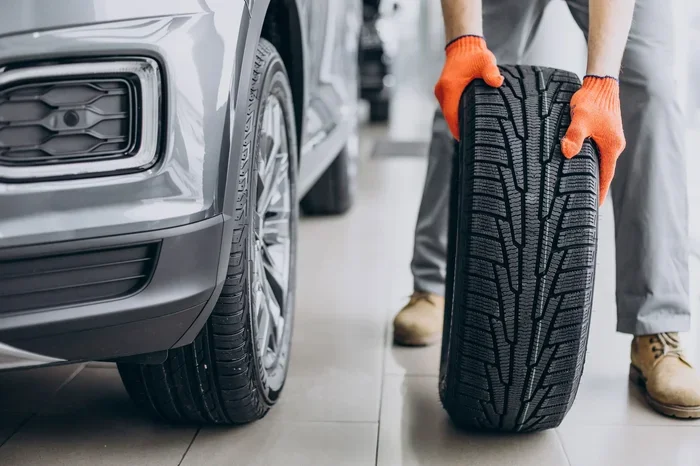
How Much Is Just a Tire and What It Will Really Cost You
So how much is just a tire? The truth is, the sticker price is only part of the story. A single tire can range from $50 to $300 or more depending on size, brand, and type. When you add installation, balancing, alignment, and potential road hazard coverage, the real cost adds up fast. This guide breaks down every expense so you know exactly what you are paying for.
Key Takeaways
- Tire prices vary widely: Budget tires start around $50, while premium models can exceed $300 per tire.
- Installation costs are real: Mounting, balancing, and valve stem replacement can add $60 to $100 per tire.
- Alignment matters: Skipping a wheel alignment after new tires leads to uneven wear and shorter lifespan.
- Road hazard coverage is worth it: Many tire shops offer protection plans that save you money on flats and punctures.
- Brand and type drive the price: All-season, performance, and off-road tires all come with different price tags.
- DIY is possible but risky: You can save money by doing it yourself, but improper installation is a safety hazard.
- Check your warranty: Many tires come with mileage warranties that protect your investment over time.
📑 Table of Contents
- How Much Is Just a Tire? Breaking Down the Real Cost
- The True Cost of Tire Installation
- Types of Tires and Their Price Ranges
- Hidden Costs That Add Up Fast
- How to Save Money on Your Next Tire Purchase
- When to Replace a Tire vs. When to Repair It
- How Tire Size and Vehicle Type Affect Cost
- Final Thoughts on Tire Costs
How Much Is Just a Tire? Breaking Down the Real Cost
When you pull into a tire shop, the first question that hits you is simple: how much is just a tire? It sounds like it should have a straightforward answer. But the truth is, the price tag on a tire is just the beginning. There are dozens of factors that influence what you actually pay at the register.
Whether you need a single replacement or a full set of four, understanding tire pricing helps you make smarter decisions. You will learn what goes into the cost, what extras to expect, and how to avoid surprise fees. This guide covers everything from budget options to premium brands so you can shop with confidence.
The average driver spends between $100 and $1,200 for a full set of tires. But that number swings based on vehicle type, tire size, and where you buy. A compact car needs smaller tires than a truck, and that difference alone can shift the price by hundreds of dollars. Let us dig into the details so you know exactly what to expect.
Why Tire Prices Vary So Much
Not all tires are created equal. A basic all-season tire from a budget brand will cost far less than a high-performance summer tire from a premium manufacturer. The materials, technology, and engineering behind each tire play a huge role in the final price.
Here are the main factors that affect tire cost:
- Tire size: Larger tires cost more. A standard sedan tire might run $60 to $120, while a truck or SUV tire can go from $100 to $300 or more.
- Brand reputation: Well-known brands like Michelin, Goodyear, and Bridgestone charge a premium. Store brands and lesser-known names often deliver solid quality at a lower price.
- Tire type: All-season, winter, performance, off-road, and touring tires all have different price points based on their design and intended use.
- Tread life and warranty: Tires with longer mileage warranties and advanced tread compounds cost more upfront but may save you money over time.
- Manufacturing quality: Tires made with newer rubber compounds, noise-reducing technology, and fuel-efficient designs tend to carry a higher price tag.
If you are wondering how much is just a tire for a common passenger car, expect to pay somewhere between $80 and $150 per tire for a reliable mid-range option. That is a good sweet spot for most drivers who want quality without overspending.
The True Cost of Tire Installation
Here is where many drivers get caught off guard. The tire itself is only one piece of the puzzle. Installation adds real money to the final bill, and most shops bundle several services together whether you ask for them or not.
A typical tire installation includes:
- Mounting the tire: The shop removes the old tire and beads the new one onto the rim. This usually costs $15 to $25 per tire.
- Balancing the wheel: Proper balancing prevents vibrations and uneven wear. Expect $10 to $20 per tire.
- Valve stem replacement: Many shops replace the rubber valve stem during installation. This adds about $5 to $10 per tire.
- Tire pressure monitoring system (TPMS) service: If your vehicle has TPMS sensors, the shop may need to reprogram or replace them. This can add $15 to $30 per tire.
All of that adds up quickly. Installation alone can run $60 to $100 per tire depending on your vehicle and location. That means even a $70 tire ends up costing you $130 or more once the labor is factored in.
Should You Get Your Tires Installed at a Dealership or an Independent Shop?
Dealerships often charge more for installation, but they may offer specialized equipment for certain vehicles. Independent tire shops tend to be more affordable and sometimes run promotions. If you are comparing options, check if a local shop offers free mounting and balancing with a tire purchase.
Some big-box retailers like Walmart and Discount Tire also provide competitive installation packages. You can often find a full installation for under $20 per tire at these locations. It pays to shop around.
Types of Tires and Their Price Ranges
Not every tire serves the same purpose, and the type you choose has a direct impact on cost. Here is a look at the most common tire categories and what you can expect to pay.
| Tire Type | Average Price Per Tire | Best For |
|---|---|---|
| Budget All-Season | $50 – $90 | Daily driving, mild weather |
| Mid-Range All-Season | $90 – $150 | All-around performance and comfort |
| Premium All-Season | $150 – $250 | Luxury vehicles, long tread life |
| Winter/Snow Tires | $100 – $200 | Cold climates, snow and ice |
| Performance Tires | $150 – $300+ | Sports cars, high-speed driving |
| Off-Road/AT Tires | $120 – $250 | Trucks, SUVs, rugged terrain |
Budget tires are a solid choice if you drive a standard commuter car and want to keep costs low. They may not offer the same quiet ride or handling as premium options, but they get the job done safely. Mid-range tires hit the sweet spot for most everyday drivers who want a balance of performance, comfort, and value.
Premium tires from brands like Michelin and Pirelli come with advanced features like run-flat technology, noise cancellation, and enhanced fuel efficiency. They cost more, but many drivers find the extra comfort and longevity worth the investment. If you are unsure which type fits your needs, think about your driving habits, climate, and vehicle type.
Hidden Costs That Add Up Fast
Most drivers focus only on the tire price and installation fee. But several hidden costs can sneak into your final bill if you are not paying attention.
Wheel alignment. After installing new tires, a wheel alignment ensures your tires wear evenly and your car tracks straight. Without it, your new tires could wear out months earlier than expected. Alignment typically costs $75 to $100 for a standard two-wheel or four-wheel service.
Road hazard protection. Many tire shops offer road hazard coverage for an extra $10 to $20 per tire. This plan covers flats, punctures, and sidewall damage for a set period. It can be a smart investment, especially if you drive on rough roads or commute long distances.
Tire disposal fees. Some shops charge $2 to $5 per old tire to dispose of it properly. This is a small fee, but it adds up if you are replacing all four tires.
Tire storage. If you switch between summer and winter tires, seasonal storage can cost $50 to $100 per set per year. Some shops include free storage with a tire purchase, so always ask.
Does Insurance Cover Tire Damage?
This is a common question, and the answer depends on your policy. Comprehensive auto insurance may cover tire damage from vandalism, theft, or certain weather events. However, most standard policies do not cover normal wear and tear or damage from road hazards like potholes.
Before you assume your insurance will cover a new tire, check your policy details or call your provider. Some policies include roadside assistance that covers flat tire changes but not replacement costs. Understanding your coverage ahead of time saves you from unpleasant surprises.
How to Save Money on Your Next Tire Purchase
Saving money on tires does not mean sacrificing quality. There are several smart strategies that can lower your overall cost without putting you at risk.
Shop during sales events. Many tire shops run promotions during spring and fall when tire replacement demand is high. Holiday weekends and seasonal sales often bring discounts on both tires and installation.
Buy online and have them installed locally. Online tire retailers often offer lower prices than brick-and-mortar shops. You can order your tires online and have them shipped to a local installation partner for a fraction of the cost.
Check for rebates and manufacturer promotions. Tire manufacturers frequently offer mail-in rebates or special financing deals. These can save you $20 to $80 per tire depending on the brand and model.
Maintain your current tires. Regular tire rotation, proper inflation, and timely repairs extend the life of your tires. Checking your tire pressure at least once a month is one of the simplest things you can do to get more miles out of every set. If you want to check your tire pressure without a fancy gauge, there are some easy methods that work in a pinch.
Consider used or refurbished tires. For budget-conscious drivers, lightly used tires with plenty of tread remaining can be a cost-effective option. Just make sure they are inspected by a professional and have no hidden damage.
When to Replace a Tire vs. When to Repair It
Not every tire problem requires a full replacement. Knowing when to repair and when to replace can save you significant money and keep you safe on the road.
Repairable damage. Small punctures in the tread area, typically under a quarter inch, can usually be patched or plugged. A tire repair costs between $15 and $30 and can extend the life of your tire by years.
Damage that requires replacement. Sidewall damage, large punctures, bulges, and tread separation are not repairable. Driving on a compromised tire is dangerous and can lead to a blowout. If the damage is in these areas, replacement is the only safe option.
A good rule of thumb is the penny test. Insert a penny into your tire tread with Lincoln’s head facing down. If you can see the top of his head, your tread is too worn and it is time for a new tire. Regularly checking your tread depth helps you catch problems early before they become costly replacements.
The Safety Factor
Tires are the only part of your car that actually touches the road. That makes them one of the most important safety components on your vehicle. Cheap tires that are worn out or improperly maintained can increase your stopping distance, reduce handling in wet conditions, and raise the risk of a blowout at highway speeds.
Never compromise on safety to save a few dollars. If your tires are showing signs of uneven wear, constant air loss, or visible damage, address the issue promptly. A well-maintained set of tires gives you better control, a smoother ride, and peace of mind every time you hit the road.
How Tire Size and Vehicle Type Affect Cost
The size of your tire has a massive impact on the price. A compact car like a Honda Civic or Toyota Corolla uses smaller tires that are widely available and affordable. A full-size truck or luxury SUV needs larger, more specialized tires that cost considerably more.
Here is a quick look at how vehicle type influences tire pricing:
- Compact cars: 14 to 16-inch tires, typically $50 to $120 each.
- Midsize sedans: 16 to 17-inch tires, typically $80 to $150 each.
- SUVs and crossovers: 17 to 20-inch tires, typically $100 to $250 each.
- Trucks and heavy-duty vehicles: 20 to 22-inch tires, typically $150 to $350 each.
- Luxury and performance vehicles: 18 to 22-inch tires, typically $200 to $400+ each.
Larger tires also require more rubber and material to manufacture, which drives up production costs. Specialty tires for trucks and performance vehicles often include reinforced sidewalls and advanced tread patterns that add to the price. Before you buy, check your owner manual or the tire information placard on your driver’s side door jamb to find the correct size for your vehicle.
It is also worth noting that some vehicles come with staggered fitments, meaning the rear tires are wider than the front. This is common in sports cars and performance sedans. Staggered setups require two different tire sizes, which can increase your total cost since you are buying two pairs of different tires instead of a matching set.
Final Thoughts on Tire Costs
So how much is just a tire? The honest answer is that it depends on your vehicle, your driving needs, and your budget. A single tire can cost anywhere from $50 to $300 or more, and when you factor in installation, alignment, and potential extras, the total cost can easily double or triple.
The best approach is to research before you buy. Know your tire size, understand your driving needs, and compare prices from multiple sources. Whether you choose a budget set or invest in premium tires, the key is making an informed decision that balances cost, safety, and performance.
Taking care of your tires through regular rotation, proper inflation, and timely repairs will get you the most miles for your money. A smart tire purchase today can save you hundreds of dollars in replacements and repairs down the road. Drive safe, shop smart, and let your tires do their job for years to come.
Frequently Asked Questions
Is it worth paying more for premium tires?
Premium tires often last longer, provide better handling, and offer a quieter ride than budget options. If you drive frequently or own a performance vehicle, the extra cost can be worth it. For casual daily driving, a mid-range tire may give you the best value.
How often should I replace my tires?
Most tires last between 40,000 and 70,000 miles depending on the brand, type, and how well you maintain them. Regular tire rotations and proper inflation help maximize tread life. Check your tire’s mileage warranty for a more specific estimate.
Can I drive on a patched tire long-term?
A properly patched tire can last the remaining life of the tire if the repair is done correctly. However, patches are meant for temporary fixes to small tread punctures. If you have multiple repairs or damage near the sidewall, replacement is the safer choice.
Does tire rotation really make a difference?
Yes, tire rotation ensures even wear across all four tires. Without regular rotation, your front tires wear faster than the rear ones, which shortens their lifespan. Most experts recommend rotating your tires every 5,000 to 7,500 miles.
What is the cheapest way to buy tires?
Buying online from retailers that ship to local installation partners is often the cheapest option. You can also look for seasonal sales, manufacturer rebates, and clearance deals at big-box stores. Just make sure the tires match your vehicle’s size and requirements.
Do I need an alignment every time I get new tires?
Yes, getting a wheel alignment with new tires is highly recommended. It ensures your tires wear evenly and your car drives straight. Skipping an alignment can lead to premature tire wear and reduce the lifespan of your investment.
=== CONCLUSION ===
Understanding how much is just a tire empowers you to make smarter purchasing decisions and avoid hidden costs. From the initial tire price to installation, alignment, and long-term maintenance, every dollar you spend should count toward safety and performance. Budget tires can serve you well, and premium tires can deliver an exceptional driving experience, but the right choice always comes down to your specific needs and driving habits.
Take the time to compare options, read reviews, and ask questions at the tire shop. A well-informed buyer is always in the best position to get the best deal. Your tires are the foundation of every drive you take, so invest wisely and enjoy the ride.