How Many Catalytic Converters Does a 4-Cylinder Have
Most 4-cylinder engines come equipped with two catalytic converters — one for each exhaust bank. However, the exact number can vary depending on your vehicle’s make, model, and exhaust system design. Understanding how many catalytic converters your car has helps you maintain proper emissions control, avoid costly repairs, and pass vehicle inspections with ease.
If you own a car with a 4-cylinder engine, you might wonder about the inner workings of your exhaust system. One question that comes up often is: how many catalytic converters does a 4-cylinder have? It sounds like a simple question, but the answer depends on a few factors. Let us break it all down for you in plain language.
A catalytic converter is one of the most important parts of your vehicle’s exhaust system. It cleans up harmful gases before they leave your car through the tailpipe. Without it, your car would pollute much more, and it would likely fail any emissions test. So knowing how many you have — and where they are — is pretty important for any car owner.
Whether you drive a Toyota, Honda, Ford, or any other brand, this guide covers everything you need to know. We will walk you through the standard setup, the signs of a bad converter, replacement costs, and simple tips to keep your exhaust system running smoothly. Let us get started.
Key Takeaways
- Standard Setup: Most 4-cylinder engines use two catalytic converters, one per exhaust side.
- Location Matters: Converters are typically found close to the exhaust manifold and further down the exhaust pipe.
- Replacement Cost: Expect to pay between $1,000 and $2,500 for a full converter replacement on a 4-cylinder vehicle.
- Warning Signs: Rattling noises, reduced fuel economy, and check engine lights often signal a failing converter.
- Maintenance Tips: Regular oil changes and using the right fuel help extend converter life significantly.
- Legal Requirements: Driving without a functioning catalytic converter is illegal in most states and can result in fines.
📑 Table of Contents
- What Is a Catalytic Converter and Why Does It Matter?
- How Many Catalytic Converters Does a 4-Cylinder Engine Have
- Where Is the Catalytic Converter Located on a 4-Cylinder Engine?
- Signs Your Catalytic Converter Is Failing
- Catalytic Converter Replacement Cost and Considerations
- Maintaining Your Catalytic Converter for Longevity
- Common Mistakes People Make With Catalytic Converters
- Final Thoughts
What Is a Catalytic Converter and Why Does It Matter?
Before we dive into the numbers, let us quickly cover what a catalytic converter actually does. Think of it as a filter for your car’s exhaust gases. When your engine burns fuel, it creates harmful byproducts like carbon monoxide, nitrogen oxides, and hydrocarbons. The converter uses a chemical reaction to turn these nasty pollutants into less harmful substances like carbon dioxide and water vapor.
Here is how it works in simple terms:
- Exhaust gases flow from the engine into the catalytic converter.
- Heat and catalysts (usually platinum, palladium, or rhodium) trigger a chemical reaction.
- Harmful gases get converted into safer ones before exiting through the tailpipe.
Your car’s emissions control system relies heavily on this process. If your converter is not working properly, your car will pollute more, run worse, and could even fail a state inspection. That is why keeping your converters in good shape is so important.
Most modern cars have at least one converter, but the number can change based on the engine type and the manufacturer’s design choices. Now let us look at the specific setup for a 4-cylinder engine.
How Many Catalytic Converters Does a 4-Cylinder Engine Have
The short answer is that most 4-cylinder engines have two catalytic converters. But let us dig deeper into why that is and when it might be different.
The Standard Dual-Converter Setup
Most 4-cylinder engines use what is called a “twin exhaust” or “dual exhaust” configuration. This means there are two exhaust banks, and each one gets its own catalytic converter. Here is why this matters:
- Exhaust Efficiency: Two converters allow for better flow of exhaust gases, which helps the engine breathe better.
- Emissions Compliance: Having two converters ensures that both sides of the engine are cleaning exhaust properly.
- Performance: A dual-converter setup can improve engine performance and fuel efficiency in some cases.
If you look under your car, you will likely spot one converter near the exhaust manifold (right where the exhaust pipes connect to the engine) and another one further down, closer to the middle or rear of the vehicle. The first one is sometimes called a “pre-cat” or “close-coupled converter,” while the second one is often referred to as a “main converter.”
When a 4-Cylinder Might Have Only One Converter
While two converters is the norm, some 4-cylinder engines do come with just a single converter. This usually happens in:
- Older vehicles made before stricter emissions laws took effect.
- Certain economy cars where the manufacturer simplified the exhaust system.
- Engines with a single exhaust pipe design, where both cylinder banks merge before reaching the converter.
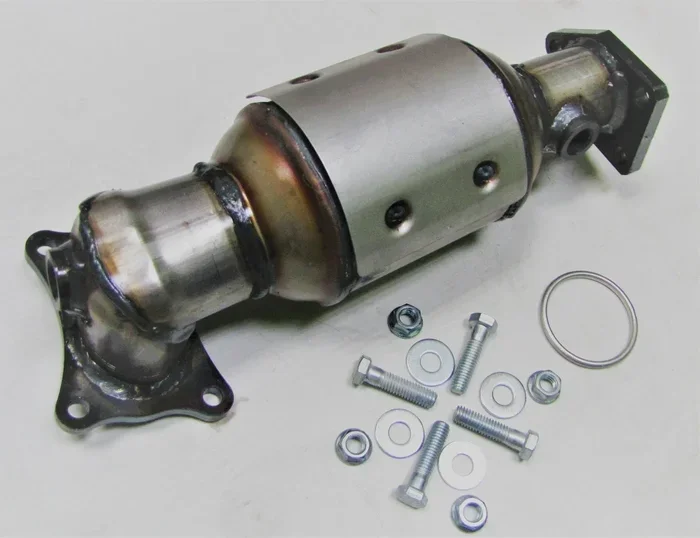
If you are not sure which setup your car has, check your owner’s manual or look under the vehicle. You should see at least one large, oval-shaped component attached to the exhaust pipe. That is your converter. Some cars also have a second one further back.
How This Compares to Other Engine Types
It helps to compare the 4-cylinder setup with other engine types. A V6 engine, for example, almost always has two converters because it also has two exhaust banks. A V8 engine typically has two or even four converters, depending on the design. If you want to learn more about different engine types, check out our article on 4 Cylinder Engine Cars.
Some people wonder if swapping engines changes the converter count. For instance, if you put a V6 into a car that originally had a 4-cylinder, you would need to adjust the exhaust system accordingly. You can read more about engine swaps in our piece on Can I Put A V6 In My Camry.
Where Is the Catalytic Converter Located on a 4-Cylinder Engine?
Knowing where your converters are located can help you spot problems early. On most 4-cylinder cars, the converters sit in a specific pattern along the exhaust system.
Here is a simple breakdown of the typical layout:
- First Converter (Close-Coupled): This sits right after the exhaust manifold, near the bottom of the engine. It gets hot very fast because it is closest to the engine.
- Second Converter (Main): This one is located further down the exhaust pipe, usually under the middle or rear of the car. It handles the bulk of the emissions cleaning.
On some vehicles, both converters are close together and form a single unit called a “catalytic converter assembly.” On others, they are spaced apart along the exhaust pipe. The exact placement depends on the car’s design and the length of the exhaust system.
Quick tip: When you look under your car, the converters are usually large and shiny when new. They often have a heat shield around them to protect the undercarriage from extreme temperatures. If you see rust or damage on that heat shield, it is worth getting checked out.
Signs Your Catalytic Converter Is Failing
A failing catalytic converter can cause a host of problems. The sooner you catch the issue, the easier and cheaper the fix will be. Here are the most common warning signs to watch for.
1. Check Engine Light
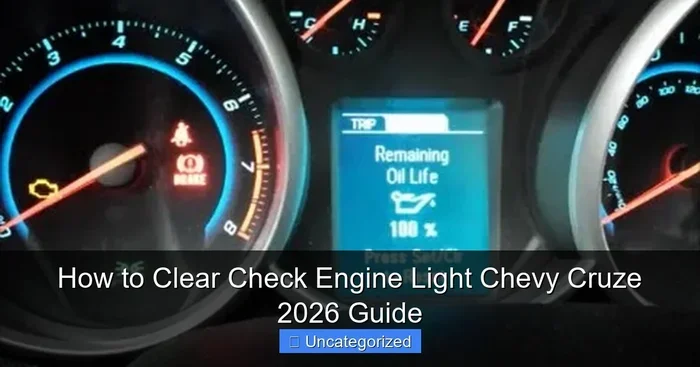
This is the most obvious sign. When your converter is not working right, the oxygen sensors in your exhaust system detect the problem and trigger the check engine light. Do not ignore this light. Get your car scanned for error codes as soon as possible.
2. Rattling or Clunking Noises
A damaged converter can break apart inside, causing a rattling sound — especially when you start the car or idle. This happens because the internal honeycomb structure cracks and pieces break loose. If you hear this noise, get it checked right away.
3. Reduced Fuel Economy
A clogged or failing converter restricts exhaust flow. This makes your engine work harder, which burns more fuel. If you notice you are filling up more often than usual, a bad converter could be the culprit.
4. Poor Engine Performance
You might feel a loss of power when accelerating. Your car may feel sluggish or unresponsive. This happens because the exhaust system cannot breathe properly when the converter is blocked.
5. Failed Emissions Test
If your car fails an emissions inspection, a bad catalytic converter is one of the top reasons. High levels of hydrocarbons and carbon monoxide in the exhaust usually point to a converter that is not doing its job.
6. Rotten Egg Smell
A healthy converter processes sulfur compounds in exhaust gas. When it fails, you might notice a strong rotten egg smell coming from underneath the car. This is a clear sign that something is wrong.
Catalytic Converter Replacement Cost and Considerations
If you find out your converter needs replacing, you are probably wondering about the cost. Unfortunately, catalytic converter replacement is not cheap. Here is what you can expect.
Average Replacement Costs
For a 4-cylinder vehicle, you can expect to pay anywhere from $1,000 to $2,500 for a full converter replacement. The wide range depends on several factors:
- Converter Type: Standard converters are cheaper than high-flow or performance models.
- Labor Costs: Depending on where you live, labor rates can vary significantly.
- Vehicle Make and Model: Some cars have converters that are harder to access, which increases labor time.
- OEM vs. Aftermarket: Original equipment manufacturer parts cost more but tend to last longer.
Can You Drive Without a Catalytic Converter?
Technically, yes, you can drive a short distance without a converter. But it is not recommended. Without a converter, your car will emit harmful pollutants, fail emissions tests, and might trigger the check engine light. In many states, it is also illegal to drive a car without a functioning converter. If you want to know more about this, we have a detailed guide on Can I Drive My Toyota Without A Catalytic Converter.
How to Save Money on Replacement
Here are a few tips to keep your replacement costs down:
- Get quotes from at least three different repair shops.
- Ask about aftermarket converters that meet EPA standards.
- Do not delay repairs — a small problem can turn into a bigger (and more expensive) one.
- Check if your warranty covers converter replacement, especially on newer cars.
Maintaining Your Catalytic Converter for Longevity
The good news is that you can take steps to keep your catalytic converter healthy for a long time. Most converters last 100,000 miles or more with proper care. Here is how to make yours last.
Follow Your Maintenance Schedule
Regular oil changes and spark plug replacements keep your engine running cleanly. When your engine burns fuel efficiently, it produces fewer harmful byproducts that pass into the converter. A well-maintained engine puts less stress on the converter.
Use the Right Fuel
Always use the fuel grade recommended by your car’s manufacturer. Low-quality or contaminated fuel can cause engine misfires, which send unburned fuel into the exhaust system. This can overheat and damage the converter over time.
Fix Engine Problems Promptly
Engine misfires, rich fuel mixtures, and coolant leaks can all damage your converter. If you notice any engine issues, get them fixed right away. A small problem today can mean a costly converter replacement tomorrow.
Avoid Short Trips When Possible
Short trips do not allow the converter to reach its optimal operating temperature. Over time, this can cause moisture and contaminants to build up inside. If you can, combine errands into longer trips to give your converter time to fully heat up and burn off deposits.
Watch for Coolant and Oil Leaks
Coolant or oil entering the exhaust system can coat the inside of the converter and clog it. If you notice any fluid leaks under your car, get them checked immediately. This simple step can save you from a very expensive repair.
Common Mistakes People Make With Catalytic Converters
There are a few common mistakes that car owners make when it comes to catalytic converters. Avoiding these can save you time, money, and headaches.
- Ignoring the Check Engine Light: Many people put off getting the light checked. Over time, a small issue can turn into a converter failure.
- Using Cheap Fuel: Saving a few cents per gallon on fuel can cost you hundreds in converter repairs down the road.
- Delaying Oil Changes: Old oil creates more contaminants that can damage the converter over time.
- Driving with a Clogged Converter: Some people keep driving even when the converter is partially blocked. This strains the engine and can cause bigger problems.
- Buying Cheap Aftermarket Parts: Not all aftermarket converters are created equal. Some do not meet emissions standards and may need to be replaced sooner.
By staying on top of basic maintenance and addressing issues quickly, you can keep your catalytic converters in great shape for years to come.
Final Thoughts
So, how many catalytic converters does a 4-cylinder have? In most cases, the answer is two. Each one plays a vital role in cleaning your car’s exhaust and keeping your engine running smoothly. Whether you have a standard dual-converter setup or a single converter, understanding how this system works helps you take better care of your vehicle.
Remember to watch for warning signs like rattling noises, reduced fuel economy, and the check engine light. Keep up with regular maintenance, use quality fuel, and address engine problems quickly. These simple habits will help your converters last for the life of the car.
If you ever find yourself facing a converter issue, you now know what to expect in terms of cost and repair. And most importantly, you know how to prevent problems before they start. Your car — and the environment — will thank you for it.
Taking care of your catalytic converter is just one part of being a responsible car owner. It might not be the flashiest part of your vehicle, but it sure does a lot of heavy lifting behind the scenes. Keep this guide handy, share it with fellow car owners, and drive with confidence knowing your exhaust system is doing its job.
Frequently Asked Questions
Can I drive my car if the catalytic converter is completely removed?
Technically, yes, you can drive a short distance without a converter. However, it is illegal in most states and will cause your car to fail emissions tests. The exhaust gases will also be much louder, and your engine may run poorly. It is best to replace a faulty converter rather than remove it entirely.
How long does a catalytic converter last on a 4-cylinder engine?
With proper maintenance, a catalytic converter on a 4-cylinder engine can last 100,000 miles or more. Factors like fuel quality, engine health, and driving habits all play a role in determining the actual lifespan. Regular maintenance goes a long way in extending converter life.
Is catalytic converter replacement covered by warranty?
Many newer cars come with a federal emissions warranty that covers the catalytic converter for 8 years or 80,000 miles, whichever comes first. Some states have even longer coverage. Check your vehicle’s warranty documentation to see what is included.
What happens if I fail an emissions test due to a bad converter?
You will need to repair or replace the converter before you can pass the test. In most states, you cannot register your vehicle or renew your license plates without passing emissions. It is best to address the issue promptly to avoid registration problems.
Can a clogged catalytic converter damage the engine?
Yes, a severely clogged converter can cause engine damage over time. It restricts exhaust flow, which increases back pressure. This can lead to overheating, reduced performance, and in extreme cases, engine failure. If you suspect a clog, get it checked immediately.
Are high-flow catalytic converters worth it for a 4-cylinder engine?
High-flow converters allow better exhaust flow, which can improve engine performance slightly. They are popular among enthusiasts who want a small gain in horsepower. However, they can be more expensive and may not be legal in all states for street use. Always check local regulations before installing one.
=== CONCLUSION ===
Understanding how many catalytic converters your 4-cylinder engine has is a great step toward becoming a more informed car owner. Most setups use two converters, and keeping both in good shape is essential for clean emissions, good fuel economy, and smooth engine performance. Regular maintenance, quality fuel, and prompt repairs are your best tools for keeping this critical component healthy. Share this article with a friend who might benefit from it, and keep driving with confidence knowing your car is running the way it should.