How Does a Car Run When Low on Oil and Why It Matters
When a car runs low on oil, the engine loses lubrication, causing metal parts to grind, overheat, and eventually seize. Running low on oil can lead to costly repairs or a completely destroyed engine within minutes. Understanding the symptoms and acting fast can save you thousands of dollars and keep your car safe on the road.
Key Takeaways
- Oil is the lifeblood of your engine: Without enough oil, metal parts grind against each other and cause severe damage.
- Warning signs are clear: Dashboard lights, strange noises, and burning smells all signal low oil levels.
- Running low can destroy your engine: Even a few minutes of driving without enough oil can cause irreversible harm.
- Prevention is simple: Regular oil checks and timely oil changes keep your engine healthy and running smoothly.
- Cost of ignoring low oil is huge: Engine replacement costs far more than routine oil maintenance.
- Act immediately when you notice symptoms: Pull over safely and address the issue before it becomes a catastrophe.
📑 Table of Contents
- How Does a Car Run When Low on Oil and What Happens Inside the Engine
- What Happens When Your Oil Level Drops
- Warning Signs Your Car Is Running Low on Oil
- How to Check Your Oil Level Properly
- How Far Can You Drive When Oil Is Low
- What to Do If Your Oil Is Low
- Common Mistakes Drivers Make With Low Oil
- How to Prevent Low Oil Problems
- How Does a Car Run When Low on Oil: The Bottom Line
How Does a Car Run When Low on Oil and What Happens Inside the Engine
Your car engine has hundreds of moving parts. These parts spin, slide, and crash into each other at incredible speeds. Oil is what keeps all of this from turning into a disaster. When the oil level drops too low, everything changes fast. Understanding how does a car run when low on oil is one of the most important things every driver should know.
Engine oil serves three main jobs. It lubricates moving parts. It cools the engine. It carries away dirt and debris. When there is not enough oil, none of these jobs get done properly. Metal starts grinding against metal. Heat builds up fast. And within a short time, the engine can suffer permanent damage.
Many drivers ignore the early signs. They hope the problem goes away. But low oil is not something you can afford to ignore. The damage happens faster than most people realize. A few extra miles on a low oil level can turn a simple fix into an engine replacement.
If you ever wonder whether you can still drive safely, the answer depends on how low the oil really is. Sometimes you can get to a shop. Other times, you need to stop immediately. Knowing the difference can save your engine and your wallet.
Let us walk through exactly what happens when oil runs low, the warning signs to watch for, and what you should do right away. This guide covers everything from engine lubrication basics to practical steps you can take today.
Why Oil Matters So Much
Think of oil as the blood inside your engine. Just like your body cannot function without blood, your car cannot run without oil. The oil pump pushes oil through tiny passages inside the engine block. This creates a thin film between metal surfaces. That film prevents direct contact between moving parts.
Without enough oil, that film breaks down. The result is metal-on-metal contact. This creates friction. Friction creates heat. And heat destroys engine components quickly. The oil pump works harder when oil is low, which can cause the pump itself to fail over time.
Different engines need different amounts of oil. A typical sedan might need around four to six quarts. A larger truck or SUV could need seven to eight quarts. Check your owner manual to find the exact amount for your vehicle. Keeping the right oil level is the easiest way to avoid engine trouble.
What Happens When Your Oil Level Drops
When oil drops below the minimum level, the engine starts suffering. The damage does not happen all at once. It builds up in stages. Understanding these stages helps you act before it is too late.
Stage One: Reduced Lubrication
At first, the oil cannot reach all the parts that need it. Some areas get less lubrication than others. You might notice slightly louder engine noise. This is the early warning stage. Many drivers miss this sign completely.
During this stage, the engine is still functional. But it is not running at its best. The oil pressure starts to drop. If you have an oil pressure gauge, you might see it move lower than normal. This is the time to check your oil level and add more if needed.
Stage Two: Increased Friction and Heat
As oil levels drop further, metal parts start touching more often. Friction increases. Heat builds up inside the engine. The temperature gauge on your dashboard might start climbing higher than usual.
At this point, the oil starts to break down. Heat degrades the oil faster. This creates a dangerous cycle. The oil becomes less effective. The engine gets hotter. And the damage accelerates. Engine overheating becomes a real risk during this stage.
Stage Three: Engine Damage
When oil is critically low, the engine parts start grinding. Bearings wear out quickly. Cylinder walls get scratched. The oil can no longer carry heat away from the pistons and crankshaft.
Metal shavings from damaged parts mix into the remaining oil. This makes the problem worse. The contaminated oil clogs the oil filter. Oil flow gets even more restricted. The engine is now on a path toward serious failure.
Stage Four: Engine Seizure
In the worst case, the engine seizes completely. The moving parts weld themselves together from the heat and friction. The engine stops running instantly. At this point, you are looking at a full engine rebuild or replacement. The costs can range from several thousand dollars to well over ten thousand.
The good news is that engine seizure is avoidable. If you catch low oil early and address it, you can prevent reaching this stage entirely. This is why understanding how does a car run when low on oil matters so much.
Warning Signs Your Car Is Running Low on Oil
Your car gives you plenty of warning before the situation becomes critical. The key is knowing what to look for. Many drivers overlook these signs until it is too late.
Dashboard Warning Lights
The most obvious sign is the oil pressure warning light on your dashboard. It usually looks like an old oil can symbol. When this light comes on, your oil pressure is too low. You should pull over safely and check the oil level immediately.
Some cars also have a check engine light that can signal low oil. Do not ignore any warning light on your dashboard. Each one is designed to protect your engine from damage.
According to experts, if you ever see the oil pressure light, you should stop driving. Continuing to drive with the light on can cause irreversible engine damage within minutes.
Strange Engine Noises
A healthy engine runs quietly and smoothly. When oil is low, you might hear knocking, ticking, or rattling sounds. These noises come from metal parts making contact without proper lubrication.
A ticking sound is especially common when oil is low. It often comes from the valvetrain area. The valves need oil to operate smoothly. Without enough oil, they start to tick and tap.
A knocking sound is more serious. It usually means the rod bearings are wearing out. This is a sign of prolonged low oil and needs immediate attention.
Burning Oil Smell
If you smell something burning while driving, pull over. A burning oil smell means oil is leaking onto hot engine parts. This is dangerous and can lead to a fire in extreme cases.
The smell might also come from the exhaust. When oil levels are very low, oil can enter the combustion chamber. This creates blue or gray smoke from the tailpipe. A burning oil smell should never be ignored.
Decreased Engine Performance
Low oil affects how well your engine performs. You might notice reduced power when accelerating. The engine might feel sluggish or unresponsive. Fuel efficiency can also drop when oil is low.
These changes happen gradually. Many drivers do not notice them right away. But if you pay attention to how your car feels, you can catch the decline early.
How to Check Your Oil Level Properly
Checking your oil is one of the simplest things you can do for your car. It takes only a few minutes and can prevent major problems. Here is how to do it the right way.
- Park your car on a level surface. Turn off the engine and wait a few minutes for the oil to settle.
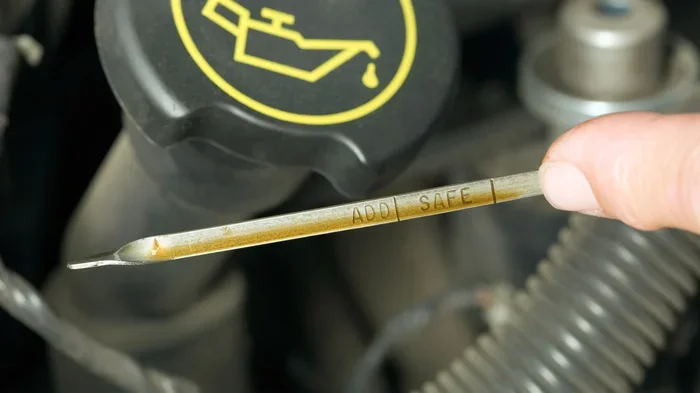
- Open the hood and locate the dipstick. It usually has a brightly colored handle.
- Pull the dipstick out and wipe it clean with a paper towel or rag.
- Push the dipstick back in fully, then pull it out again.
- Look at the oil level markings on the dipstick. There are usually two lines or holes.
- If the oil level is between the marks, you are good. If it is below the lower mark, you need to add oil.
- Also check the color of the oil. Fresh oil is amber or golden. Dark brown or black oil needs to be changed soon.
You should check your oil at least once a month. Make it part of your regular car maintenance routine. Many drivers prefer to check oil in the morning before driving, when the oil has settled completely.
For more detailed guidance on spotting low oil symptoms early, check out our article on Can You Tell If Your Car Is Low On Oil. It covers everything you need to know about detecting oil problems before they become serious.
How Far Can You Drive When Oil Is Low
This is one of the most common questions drivers ask. The honest answer is: it depends. The distance you can drive on low oil depends on several factors.
How low is the oil? Are there any warning signs? What kind of driving are you doing? Highway driving at steady speeds is less stressful on the engine than stop-and-go city driving. But even highway driving with low oil can cause damage.
Some people wonder if they can push it to the next gas station or mechanic. In most cases, you should not risk it. The safest approach is to add oil as soon as you notice the level is low. If you do not have oil with you, drive to the nearest safe location and stop.
If you are curious about how far a car can go on minimal fuel, we have a related article that explains How Far Past Empty Can A Car Go. While that article focuses on fuel, the same principle applies to oil. Running low on either one puts your vehicle at risk.
What to Do If Your Oil Is Low
If you discover that your oil is low, do not panic. There are clear steps you should follow to protect your engine and stay safe.
Step One: Pull Over Safely
If the oil pressure light is on or you hear strange noises, find a safe place to pull over. Turn on your hazard lights. Do not slam on the brakes or make sudden movements.
Turn off the engine and let it cool for a few minutes. Do not attempt to drive further if the oil level is critically low.
Step Two: Check the Oil Level
After the engine cools, pull out the dipstick and check the level. If it is low, you can add the same type of oil your engine uses. Check your owner manual for the recommended oil type and viscosity.
Add oil slowly and recheck the level after each addition. Do not overfill. Too much oil can also cause problems for your engine.
Step Three: Visit a Mechanic
Even after adding oil, you should visit a mechanic. Low oil levels often indicate an underlying problem. There might be an oil leak, excessive oil consumption, or a faulty oil pump. A professional can diagnose the root cause and fix it properly.
Regular oil changes are the best way to prevent low oil situations. Most mechanics recommend changing oil every 3,000 to 5,000 miles, but check your owner manual for your specific vehicle. Staying on top of your oil change schedule keeps your engine running strong for years.
Common Mistakes Drivers Make With Low Oil
Many drivers make mistakes when dealing with low oil. These mistakes can turn a minor problem into a major one. Here are the most common errors to avoid.
- Ignoring the warning light: Many drivers see the oil pressure light and keep driving. This is the most dangerous mistake you can make.
- Adding the wrong oil type: Not all oils are the same. Using the wrong viscosity can reduce engine protection.
- Overfilling the oil: Too much oil creates excess pressure and can damage engine seals.
- Only adding oil, not changing it: Old, dirty oil loses its effectiveness. Adding fresh oil to old oil does not replace a full oil change.
- Skipping regular oil checks: Many drivers never check their oil between oil changes. This is a missed opportunity to catch problems early.
- Delaying repairs: If you notice low oil frequently, do not just keep topping it off. Find and fix the cause.
Avoiding these simple mistakes can extend the life of your engine significantly. Prevention is always cheaper than repair.
How to Prevent Low Oil Problems
Preventing low oil situations is much easier than dealing with the damage they cause. Here are some practical tips to keep your engine properly lubricated.
- Check your oil regularly: Make it a habit to check oil levels at least once a month.
- Follow the oil change schedule: Stick to the manufacturer recommended intervals for oil changes.
- Use the right oil: Always use the oil type recommended in your owner manual.
- Watch for leaks: Look for oil spots under your parked car. Leaks are a common cause of low oil.
- Monitor oil consumption: Some engines use more oil than others. If you are adding oil frequently, have a mechanic inspect the engine.
- Keep a spare bottle of oil: Having oil in your trunk can save you in emergencies.
Taking these simple steps gives you peace of mind. You know your engine is protected and your car is running at its best.
How Does a Car Run When Low on Oil: The Bottom Line
The answer to how does a car run when low on oil is simple. It does not run well. The engine suffers from increased friction, overheating, and accelerated wear. In severe cases, the engine seizes and stops working entirely.
Your car gives you plenty of warning signs. Dashboard lights, strange noises, burning smells, and reduced performance all point to low oil. The key is to respond quickly and not ignore these signals.
Oil is cheap. Engine repairs are expensive. A simple oil check and timely oil change can save you from a massive repair bill. Make oil maintenance a priority and your engine will reward you with years of reliable service.
Stay proactive about your car’s health. Check your oil regularly. Listen to your engine. And never underestimate the power of a little preventive care. Your wallet and your car will thank you.
Frequently Asked Questions
Can you drive a car with low oil?
You should avoid driving a car with low oil whenever possible. Even a short drive with insufficient oil can cause serious engine damage. If you must move the car, add oil first and drive only to the nearest safe location. Continuing to drive on low oil risks overheating and permanent engine harm.
How long can a car run before low oil causes damage?
The time varies depending on how low the oil is and the type of engine. In some cases, damage can begin within minutes of running without enough oil. Most engines start suffering from reduced lubrication within a few miles of driving on critically low oil. Do not take chances with your engine’s health.
What are the first signs of low engine oil?
The first signs include a lit oil pressure warning light, unusual engine noises like ticking or knocking, a burning oil smell, and decreased engine performance. Some drivers also notice blue or gray exhaust smoke. If you notice any of these signs, check your oil level right away.
Does low oil affect gas mileage?
Yes, low oil can reduce fuel efficiency. When there is not enough oil, the engine works harder due to increased friction. This extra effort uses more fuel. Keeping your oil at the proper level helps maintain optimal fuel economy and engine performance.
How often should you check your oil level?
You should check your oil level at least once a month. It is also a good idea to check before long trips. Many mechanics recommend checking oil when the engine is cool and the car is parked on a level surface for the most accurate reading.
Can low oil cause a car to stall?
Yes, low oil can cause a car to stall. When oil levels drop critically low, the engine can seize due to metal-on-metal contact. A seized engine will stop running suddenly and will not restart. This is one of the most serious consequences of ignoring low oil warnings.