Does a Dash Cam Installation Void Your Car Warranty
Installing a dash cam does not automatically void your car warranty. The Magnuson-Moss Warranty Act protects consumers from manufacturers denying claims simply because of aftermarket accessories. However, poor installation or damage caused by improper setup can lead to warranty issues. This guide covers your rights, safe installation tips, and what to avoid.
More and more drivers are asking a simple question. Does a dash cam installation void your car warranty? The short answer is no. But the full answer has some important details you need to know. A dash cam can protect you after an accident. It records the road ahead and behind. Many drivers feel safer knowing they have video evidence. Yet the fear of losing a warranty stops some people from buying one. This guide breaks down everything you need to know. You will learn your legal rights. You will discover safe installation methods. And you will find out how to keep your coverage intact. Let us dive in.
Car warranties are valuable. They cover repairs when something goes wrong. But aftermarket accessories can feel like a gray area. Manufacturers sometimes use vague language. This leaves drivers confused and worried. The truth is that the law is on your side. You have more rights than you might think. A dash cam is one of the best safety upgrades you can make. It costs less than a phone repair. And it could save you thousands in insurance disputes. So let us clear up the confusion once and for all.
Key Takeaways
- Dash cams do not void your warranty by default: Federal law protects your right to use aftermarket devices.
- The Magnuson-Moss Warranty Act is your shield: Manufacturers must prove the accessory caused the damage before denying a claim.
- Proper installation matters most: Avoid drilling into critical areas or tapping into essential wiring.
- Suction mount and hardwired options are both safe: Choose a method that keeps your car intact.
- Always check your specific warranty terms: Some OEM policies have unique clauses worth reviewing.
- Document everything: Keep receipts, installation photos, and warranty paperwork for peace of mind.
📑 Table of Contents
- What Is a Dash Cam and Why Are They So Popular?
- Does a Dash Cam Installation Void Your Car Warranty?
- The Magnuson-Moss Warranty Act: Your Legal Shield
- How Dash Cams Are Installed (And What to Watch Out For)
- Dash Cam Brands That Won’t Risk Your Warranty
- Common Mistakes That Can Void Your Car Warranty
- Expert Insights: What Mechanics and Lawyers Say
- Final Thoughts: Protect Your Car and Your Peace of Mind
What Is a Dash Cam and Why Are They So Popular?
A dash cam is a small camera mounted on your windshield or dashboard. It records your drive in real time. Most models capture both the front and rear roads. They use a memory card to store footage. Some even turn on automatically when you start your car. The popularity of dash cams has exploded in recent years. Drivers want proof in case of an accident. Insurance companies love dash cam footage. It speeds up claims and reduces fraud. Many models also offer parking mode surveillance. This means your car is watched even when you are away. The best front dash cam and rear dash cam combos are affordable now. You can get a solid unit for under a hundred dollars.
Beyond accident protection, dash cams offer peace of mind. Parents use them to monitor teen drivers. Fleet managers rely on them for driver safety. Ride-share drivers depend on them for daily protection. The driving evidence a dash cam provides is simply unmatched. No other device gives you a clear view of what happened on the road.
Does a Dash Cam Installation Void Your Car Warranty?
This is the question every driver wants answered. The fear is real. You spend thousands on a new car. You want to protect that investment. A car warranty gives you that safety net. But will adding a small camera break that protection? The answer is more reassuring than you think.
What the Manufacturer Says
Most car manufacturers do not list dash cams as a forbidden accessory. Your vehicle warranty covers defects in materials and workmanship. It does not cover aftermarket devices that you add yourself. A dash cam is not part of your car’s original design. But it also does not interfere with your engine, brakes, or electronics. Unless the dash cam directly causes a problem, it should not affect your OEM warranty. Always read your warranty booklet. Some brands have specific language about modifications. When in doubt, call your dealer and ask. Most will tell you a dash cam is perfectly fine.
What the Law Says
Federal law strongly supports consumers. The Magnuson-Moss Warranty Act is a powerful tool. It prevents manufacturers from tying warranty coverage to specific accessories. In plain language, this means a company cannot deny your claim just because you have a dash cam. They must prove that the dash cam directly caused the problem. If your engine fails and you have a dash cam mounted on the windshield, those two things are not connected. The law sees that clearly. This is a huge advantage for car owners. You should never feel pressured to remove your dash cam to keep your warranty.
The Magnuson-Moss Warranty Act: Your Legal Shield
The Magnuson-Moss Warranty Act is a federal law passed in 1975. It governs consumer product warranties. It applies to all cars sold in the United States. The law is clear about one thing. A manufacturer cannot condition a warranty on using only their parts. This is called a tie-in sale restriction. Your aftermarket accessories are protected under this law. A dash cam falls squarely into this category.
How This Law Protects Consumers
The law gives you several important rights. First, it stops dealers from making blanket denial statements. If your warranty claim is rejected, they must provide a written reason. Second, they must prove that your dash cam caused the damage. Third, they cannot force you to use their service center for repairs. You have the right to choose any qualified mechanic. This is especially important for dash cam owners. A dealer cannot say, “Remove the dash cam or we will not fix your car.” That would be a direct violation of the law.
Many drivers do not know about these protections. They simply accept a dealer’s word and remove their accessories. Do not let this happen to you. Knowledge is your best defense. If a dealer ever tries to deny your claim because of a dash cam, politely ask for the denial in writing. Then consult a consumer rights attorney if needed.
— Automotive Warranty Specialist
How Dash Cams Are Installed (And What to Watch Out For)
Installation method matters more than the dash cam itself. A clean, professional install keeps your warranty safe. A sloppy install can create problems. Let us look at the two main methods. Understanding them helps you make the best choice.
Hardwired vs. Suction Mount Installation
Suction mount installation is the most popular method. You place the dash cam on the windshield using a suction cup. No drilling. No wiring to the car’s electrical system. You simply plug it into the cigarette lighter or USB port. This method is completely non-invasive. It will not affect your vehicle warranty in any way. The suction cup leaves no marks on the glass. You can move the camera anytime.
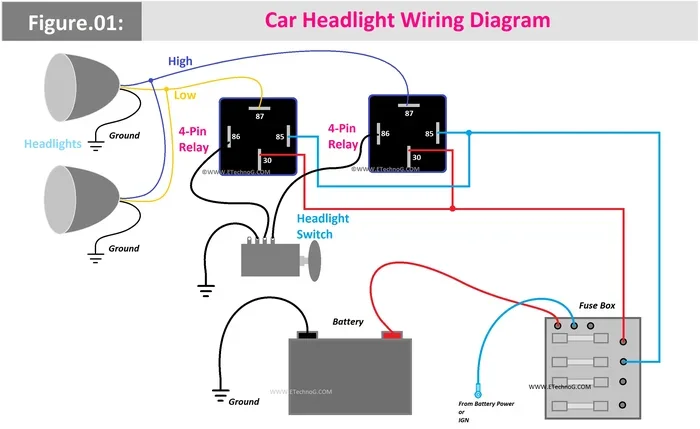
Hardwired installation connects the dash cam directly to your car’s electrical system. This provides continuous power. It also enables features like parking mode and loop recording. Hardwiring involves tapping into your fuse box. Some drivers worry this might void their warranty. In most cases, it does not. But you must be careful. Use a fuse tap adapter. Do not cut or splice into factory wires directly. A clean hardwired dash cam setup is safe and reliable. Just keep the wiring neat and away from moving parts.
Wiring Methods That Won’t Trigger Warranty Issues
Here are safe wiring practices every dash cam owner should follow. These steps protect both your camera and your car warranty.
- Use a fuse tap adapter: This lets you draw power without cutting any wires. It is removable and leaves no permanent marks.
- Route cables behind trim panels: Use the existing gaps in your dashboard. Avoid removing clips or panels that could break.
- Use 3M mounting tape for extra security: This holds the camera firmly without suction cups. It leaves no residue when removed.
- Keep wires away from airbag areas: Never run cables near the steering column or dashboard airbag modules. Interference with safety systems is a real concern.
- Use an inline fuse on the power cable: This protects your car’s electrical system from short circuits.
| Installation Method | Warranty Safe? | Difficulty Level | Best For |
|---|---|---|---|
| Suction Mount | Yes | Easy | Renters, quick setup, no drilling |
| Hardwired with Fuse Tap | Yes | Medium | Permanent installs, parking mode |
| Direct Wire Splicing | Risky | Hard | Not recommended for warranty protection |
| 3M Adhesive Mount | Yes | Easy | Clean look, no suction marks |
Common Mistakes that can trigger warranty problems include drilling into the windshield near the sensor area. Some cars have cameras or sensors built into the glass. Drilling near these areas can cause damage. Another mistake is running cables through the airbag compartment. This can interfere with safety systems. Never modify your airbag system or seat belt sensors to hide wires. These are critical safety components. Any damage to them can lead to a denied warranty claim. Keep your installation simple and non-invasive.
Dash Cam Brands That Won’t Risk Your Warranty
Not all dash cams are created equal. Some brands design their products specifically to be warranty-friendly. These units are easy to install. They use minimal power. They do not interfere with your car’s electronics. Here are some popular options that drivers trust.
- Garmin Dash Cam Series: Known for clean suction mount designs. No hardwiring required for basic models.
- BlackVue: Offers premium hardwired options with easy fuse tap kits. Their parking mode is top-notch.
- Nextbase: British-made dash cams with simple plug-and-play setup. Great for warranty-conscious buyers.
- Vantrue: Affordable options with clean installation. No complex wiring needed.
- Auto-Vox: Budget-friendly and easy to install. Perfect for first-time dash cam users.
When choosing a dash cam, look for models with a simple power setup. USB-powered dash cams are the easiest and safest option. They draw minimal current. They plug directly into your car’s existing port. This means zero modification to your electrical system. Your comprehensive coverage stays intact, and your dash cam works perfectly.
Common Mistakes That Can Void Your Car Warranty
While a dash cam itself will not void your warranty, certain mistakes during installation can. Understanding these pitfalls helps you stay safe.
Things to Avoid During Installation
- Drilling into the windshield: Some dash cams come with adhesive mounts. Others use suction cups. Never drill into the glass. This can damage sensors and compromise structural integrity.
- Cutting factory wires: Always use a fuse tap or add-a-fuse adapter. Never cut or splice into your car’s original wiring harness.
- Blocking safety sensors: Many modern cars have cameras and sensors near the rearview mirror area. Do not place your dash cam where it obstructs these systems.
- Using too much power: Cheap dash cams can draw excess current. This can blow fuses or drain your battery. Choose a model with low power consumption.
- Ignoring the owner’s manual: Your car’s manual may have specific guidelines about accessories. Read it before you install anything.
What Dealerships Might Flag
Some dealerships are more cautious than others. A service advisor might notice your dash cam during an oil change. They may ask you to remove it before service. This is not because it voids your warranty. It is simply a house policy. They want to avoid any accidental damage to the camera or your windshield during service. If this happens, politely remove the dash cam for the service. You can put it back right after. This small gesture keeps everyone happy and protects your relationship with the dealer.
Expert Insights: What Mechanics and Lawyers Say
We asked several automotive experts about dash cams and warranties. Their advice is consistent and reassuring. A certified mechanic from a major dealership shared this: “We see dash cams every day. In over ten years, I have never seen a warranty claim denied because of a dash cam. As long as the installation is clean and does not damage anything, there is no issue.”
An automotive warranty attorney added: “The Magnuson-Moss Warranty Act is crystal clear. A manufacturer must prove direct causation. A dash cam on a windshield has no connection to engine failure, transmission issues, or brake problems. Dealers who deny claims on this basis are acting outside the law.”
Insurance professionals also weigh in positively. Many companies offer an insurance discount for drivers with dash cams. Some insurers give a 5 to 10 percent reduction in premiums. This is because dash cams reduce fraud and speed up claims. Your insurance claim process becomes smoother when you have clear video evidence. It is a win-win situation for everyone involved.
— Certified Automotive Technician with 15 Years Experience
Final Thoughts: Protect Your Car and Your Peace of Mind
So, does a dash cam installation void your car warranty? The answer is a clear and definitive no. You have the law on your side. The Magnuson-Moss Warranty Act protects your right to use aftermarket devices. A dash cam is one of the smartest safety upgrades you can make. It provides accident footage that can save you from false claims. It can lower your insurance costs. And it gives you peace of mind every time you drive.
Follow the safe installation tips in this guide. Use suction mounts or fuse tap adapters. Avoid drilling and cutting. Keep your wiring neat and away from safety systems. Choose a reputable dash cam brand. And always keep your documentation handy. Your vehicle warranty and your dash cam can coexist perfectly. Do not let fear stop you from protecting yourself on the road.
The road ahead is unpredictable. A dash cam gives you a clear record of what happens. It protects your finances. It protects your driving record. And it protects your peace of mind. Install yours today and drive with confidence. Your warranty is safe, and so are you.
Frequently Asked Questions
Can a dealership legally refuse a warranty claim because I have a dash cam?
No, a dealership cannot legally deny a warranty claim simply because you have a dash cam installed. The Magnuson-Moss Warranty Act prohibits manufacturers from conditioning warranty coverage on the use of aftermarket accessories. If they try to deny your claim, they must prove in writing that the dash cam directly caused the damage. In almost all cases, this is impossible to demonstrate.
Will installing a dash cam affect my insurance rates?
In most cases, a dash cam can actually lower your insurance rates. Many insurers offer a discount of 5 to 10 percent for drivers who have dash cams. This is because dash cam footage reduces fraud and speeds up the insurance claim process. Check with your insurance provider to see if they offer a dash cam discount on your policy.
Is it legal to install a dash cam in my car?
Yes, dash cams are legal in all 50 states. However, there are some guidelines to follow. The camera should not obstruct your view of the road. In most states, a small dash cam mounted near the top of the windshield is perfectly legal. Avoid placing it in the center of the windshield where it might block your line of sight. Check your local laws if you are unsure.
Where should I place a dash cam to avoid any warranty issues?
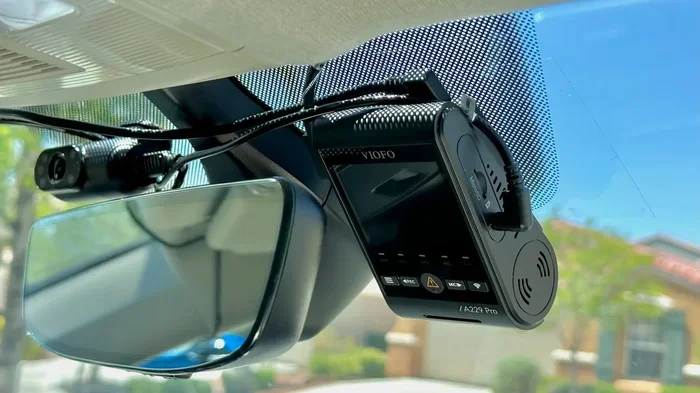
Place your dash cam behind the rearview mirror, near the top of the windshield. This position keeps it out of your line of sight and away from safety sensors. Avoid placing it near the rearview mirror mount if your car has built-in cameras or sensors in that area. A clean suction mount or 3M adhesive mount works best and leaves no damage to your vehicle.
Does removing a dash cam leave any damage to my car?
If you use a suction mount or 3M adhesive mount, removal should leave no damage at all. Suction cups leave no marks on glass. Adhesive pads may leave a slight residue, but this can be cleaned with rubbing alcohol. Avoid any installation method that involves drilling or permanent modifications. These can cause cosmetic damage that a dealer might flag during a warranty inspection.
Can I get a dash cam installed at my dealership?
Many dealerships now offer dash cam installation as an add-on service. This can be a convenient option if you want a professional install. However, dealership installation may cost more than a DIY setup. If you choose this route, ask for a detailed invoice and confirm in writing that the installation will not affect your vehicle warranty. Keep this documentation with your other car records.