How Do You Turn On Rain-Sensing Wipers in a Hyundai
Rain-sensing wipers are a smart safety feature in many Hyundai models that automatically adjust wiper speed based on how much rain hits your windshield. Turning them on is simple once you know where to look in your vehicle’s settings. This guide walks you through every Hyundai model, the exact steps to activate the feature, and how to fix common problems if your rain-sensing wipers aren’t working right.
This is a comprehensive guide about How Do You Turn On Rain-Sensing Wipers in a Hyundai?.
Key Takeaways
- Easy Activation: Rain-sensing wipers can usually be turned on through the steering wheel controls or the infotainment system in most Hyundai models.
- Automatic Adjustment: The system uses a sensor behind the rearview mirror to detect raindrops and adjust wiper speed automatically.
- Model-Specific Steps: Different Hyundai models like the Sonata, Tucson, and Santa Fe may have slightly different activation methods.
- Common Issues: Dirty sensors, blown fuses, or software glitches can prevent rain-sensing wipers from working properly.
- Maintenance Matters: Keeping the sensor clean and your wiper blades in good shape ensures the system works reliably during rainy seasons.
- Manual Override Available: You can always switch to manual wiper mode if the rain-sensing feature isn’t responding.
- Safety Boost: Using rain-sensing wipers improves windshield visibility and reduces driver distraction in wet conditions.
[FEATURED_IMAGE_PLACEHOLDER]
How Do You Turn On Rain-Sensing Wipers in a Hyundai?
Driving in the rain can be stressful. You are constantly adjusting your windshield wipers to keep your view clear. Sometimes the wipers are too slow. Other times they are too fast and noisy. Rain-sensing wipers solve this problem completely. They detect raindrops on your windshield and adjust the speed automatically. In a Hyundai, this feature is built into many newer models and trim levels.
If you have just bought a Hyundai or are considering one, you might be wondering how to activate this convenient feature. The good news is that turning on rain-sensing wipers is straightforward once you know where to look. Whether you drive a Hyundai Sonata, Tucson, Santa Fe, or Elantra, the process is similar across most models. This guide covers everything you need to know. We will walk you through the activation steps, explain how the system works, troubleshoot common problems, and share maintenance tips to keep your wipers running smoothly.
Before we dive in, it helps to understand what rain-sensing wipers actually do. Unlike traditional wipers that you control with a lever, rain-sensing wipers use a sensor mounted behind your rearview mirror. This sensor sends out infrared light to detect raindrops on the windshield. When it finds water, it tells the wiper system to start or speed up. When the rain stops, the wipers slow down or stop on their own. It is a small but powerful piece of vehicle sensor technology that makes driving safer and more comfortable.
Which Hyundai Models Support Rain-Sensing Wipers?
Not every Hyundai comes with rain-sensing wipers from the factory. This feature is typically found in mid-level and higher trim packages. Here is a general overview of which Hyundai models and years commonly include this technology.
Hyundai Sonata
The Hyundai Sonata has offered rain-sensing wipers on several trim levels, especially the Limited and Platinum trims. If your Sonata has the auto-light feature on the mirror, there is a good chance it also has rain-sensing wipers. Check your steering wheel controls or the infotainment screen to confirm.
Hyundai Tucson
The Tucson, particularly in the Limited and Ultimate trims, often includes rain-sensing wipers as part of a convenience package. This is a popular feature for SUV drivers who face unpredictable weather on road trips.
Hyundai Santa Fe
The Santa Fe and Santa Fe Hybrid frequently come with rain-sensing wipers in higher trims. This family-friendly SUV benefits greatly from automatic wiper technology, especially during long drives in rainy conditions.
Hyundai Elantra
The Elantra may include rain-sensing wipers on certain trims, though it is less common than on larger models. Check your owner’s manual or look for the wiper icon with raindrops on your control stalk.
Hyundai Kona
The Kona, especially the Kona Hybrid, sometimes offers rain-sensing wipers as part of a tech or comfort package. Always verify with your trim level when purchasing.
How the Rain-Sensing Wiper System Works
Understanding how the system works helps you use it better. The rain-sensing wiper system relies on a few key components working together seamlessly.
The Sensor Module
The heart of the system is the rain sensor. It is a small module mounted on the inside of the windshield, usually behind the rearview mirror. The sensor shines infrared light onto the glass at a specific angle. When the glass is dry, the light reflects back into the sensor. When raindrops hit the glass, they scatter the light. The sensor detects this scattered light and calculates how much rain is on the windshield.
The Control Module
Once the sensor detects raindrops, it sends a signal to the wiper control module. This module decides how fast the wipers should move based on the amount of rain detected. Light drizzle gets a slow sweep. Heavy downpour triggers faster, more frequent wipes. The entire process happens in milliseconds, so you barely notice it happening.
The Wiper Motor and Blades
The control module sends an electrical signal to the wiper motor, which moves the blades across the windshield. The speed and frequency of the motor are controlled electronically. For the system to work well, your wiper blades must be in good condition. Worn blades can reduce the effectiveness of the rain-sensing system and leave streaks on your glass.
Step-by-Step: How to Turn On Rain-Sensing Wipers
Now let us get into the practical part. Here are the steps to activate rain-sensing wipers in your Hyundai. The exact location of controls may vary slightly depending on your model year and trim.
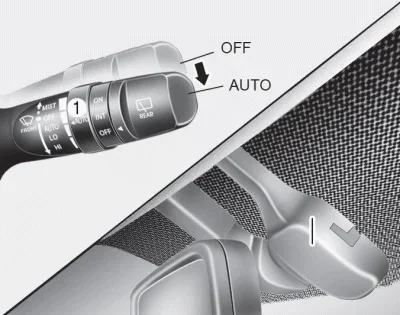
Step 1: Locate the Wiper Control Stalk
Look at the steering column on the left side of your Hyundai. The wiper control stalk is the lever that operates your wipers. In most Hyundai models, the stalk has multiple positions for different wiper modes.
Step 2: Find the Rain-Sensing Wiper Mode
Push the wiper stalk to the “Auto” position. This is usually marked with a wiper icon and a raindrop symbol. When you move the stalk to this position, the rain-sensing system activates. You may see a small icon light up on your dashboard or instrument cluster.
Step 3: Verify the System Is Active
After switching to Auto mode, wait a moment. If it is raining, the wipers should start automatically. The speed will adjust based on rainfall intensity. If your dashboard shows a wiper icon with a raindrop, the system is active and working.
Step 4: Adjust Sensitivity (If Available)
Some Hyundai models let you adjust how sensitive the rain sensor is. You can usually find this setting in the infotainment system under “Vehicle Settings” or “Driver Assistance.” Higher sensitivity means the wipers will activate with less rain. Lower sensitivity means they wait for heavier rainfall before turning on.
Step 5: Use Manual Override When Needed
If you need to wipe the windshield manually, you can always switch the stalk to the intermittent or high-speed position. This overrides the rain-sensing mode temporarily. Simply push the stalk up for a single wipe or down for continuous wiping.
Troubleshooting Rain-Sensing Wipers That Will Not Turn On
Sometimes the rain-sensing wiper system does not work as expected. This can be frustrating, but most issues have simple fixes. Here are the most common problems and what you can do about them.
The Sensor Is Dirty
This is the number one reason rain-sensing wipers stop working. The sensor sits behind your rearview mirror and can get covered in dust, dirt, or grime. If the sensor cannot “see” the windshield clearly, it will not detect rain. Clean the sensor area gently with a soft microfiber cloth. You can also use a glass cleaner, but avoid spraying directly onto the sensor. A clean sensor makes a huge difference in performance.
The Wiper Fuse Has Blown
Every wiper system has a fuse that protects the electrical circuit. If the fuse blows, the wipers will not work at all, including the rain-sensing mode. Check your owner’s manual for the fuse box location and the wiper fuse number. Replacing a blown fuse is usually quick and inexpensive. However, if the fuse keeps blowing, there may be a deeper electrical issue that needs professional attention.
The Wiper Blades Are Worn Out
Old or damaged wiper blades can cause the rain-sensing system to malfunction. The system relies on clear windshield contact to work properly. If your blades are cracked, brittle, or leaving streaks, replace them. Fresh wiper blades improve both manual and automatic wiper performance. Most experts recommend replacing wiper blades every six to twelve months.
Software or Module Glitch
Like any computerized system, the rain-sensing wiper module can sometimes experience a software glitch. If the system is unresponsive, try turning your Hyundai off and back on again. This resets the electronic control unit and often fixes minor software issues. If the problem persists, visit a Hyundai dealership for a diagnostic check.
The Sensor Needs Recalibration
After a windshield replacement or repair, the rain sensor may need recalibration. The sensor is calibrated to work with the specific curvature and thickness of your original windshield. A new windshield can change the sensor’s readings. A dealership or qualified auto shop can recalibrate the sensor quickly and accurately.
Maintenance Tips for Rain-Sensing Wipers
Keeping your rain-sensing wiper system in top shape is easy with regular maintenance. A little care goes a long way toward ensuring the system works reliably when you need it most.
Keep the Sensor Clean
Make it a habit to wipe down the sensor area near the rearview mirror whenever you wash your car. A clean sensor detects rain more accurately and responds faster. This is especially important during the rainy season when you rely on the system daily.
Replace Wiper Blades Regularly
Good wiper blades are essential for the rain-sensing system to work well. Inspect your blades every few months for cracks, tears, or worn rubber. Replace them as soon as you notice streaking or chattering. Quality blades improve visibility and extend the life of the wiper motor.
Use the Right Wiper Fluid
Always use windshield washer fluid designed for automotive use. Low-quality or contaminated fluid can clog the spray nozzles and leave residue on the windshield. This residue can interfere with the rain sensor’s ability to detect water accurately. Keep your washer fluid reservoir full, especially during wet months.
Check for Recalls and Updates
Hyundai occasionally issues recalls or software updates for electronic systems. Check with your local dealership or visit the Hyundai website to see if there are any updates for your specific model year. Keeping your vehicle’s software current ensures the rain-sensing system operates at peak performance.
Protect the Sensor from Damage
Avoid placing objects on the dashboard near the rearview mirror area. Heavy items can shift and potentially damage the sensor module during driving. If you have a dashboard camera or GPS mount, position it carefully so it does not block or vibrate near the sensor.
Rain-Sensing Wipers vs. Manual Wipers: Which Is Better?
It is natural to wonder whether rain-sensing wipers are really worth it compared to traditional manual wipers. Let us compare the two side by side.
| Feature | Rain-Sensing Wipers | Manual Wipers |
|---|---|---|
| Activation | Automatic based on rain detection | Driver manually turns on and adjusts speed |
| Convenience | Very high — no driver input needed | Requires driver attention and action |
| Response Time | Instant — adjusts in real time | Delayed — depends on driver reaction |
| Driver Distraction | Minimal — frees up attention for the road | Higher — driver must manage wiper speed |
| Maintenance | Sensor cleaning required | Blade replacement only |
| Cost | Higher — sensor module adds cost | Lower — simple mechanical system |
| Effectiveness | Excellent in varying rain conditions | Depends on driver judgment |
For most drivers, rain-sensing wipers are a significant upgrade. They remove the guesswork and keep your windshield visibility optimal without any effort. If you frequently drive in areas with unpredictable weather, the feature is especially valuable. That said, manual wipers still work perfectly fine for drivers who prefer a simpler setup or who own older Hyundai models without the sensor.
Expert Tips for Getting the Most Out of Your Rain-Sensing Wipers
Here are some practical tips from automotive experts to help you get the best performance from your Hyundai’s rain-sensing wiper system.
- Adjust sensitivity for your climate: If you live in an area with frequent light rain, set the sensor to high sensitivity. If you drive in heavy downpours, a lower sensitivity setting prevents the wipers from overreacting.
- Clean the windshield thoroughly: A dirty windshield confuses the sensor. Regularly clean both the inside and outside of your windshield for the best sensor accuracy.
- Turn off the system when not needed: In dry weather, switch the stalk back to manual mode. This prevents unnecessary wear on the wiper motor and saves a small amount of battery power.
- Watch for dashboard warnings: If the rain-sensing wiper icon appears on your dashboard, it means the system is active. If you see a warning light, check the sensor and blades immediately.
- Combine with other safety features: Many Hyundai models pair rain-sensing wipers with automatic headlights and lane-keeping assist. Using all these features together creates a safer driving experience in poor weather.
- Remember that the system supplements, not replaces, good driving habits: Even with automatic wipers, slow down and increase your following distance in the rain. No wiper system can compensate for unsafe driving speeds.
Common Mistakes to Avoid with Rain-Sensing Wipers
Even though rain-sensing wipers are smart, drivers sometimes make mistakes that reduce their effectiveness. Here are common errors to avoid.
- Ignoring a dirty sensor: A dusty sensor is the leading cause of wiper system failure. Clean it regularly, especially after long road trips or dusty drives.
- Using the wrong wiper fluid: Some drivers use water or household glass cleaner instead of proper washer fluid. This can damage the spray system and leave residue on the sensor.
- Forgetting to switch back to manual mode: In dry conditions, leaving the system on Auto can cause the wipers to activate unnecessarily from dust or condensation on the glass.
- Delaying blade replacement: Worn blades strain the wiper motor and reduce the effectiveness of the rain-sensing system. Replace blades on schedule.
- Assuming the system works after a windshield replacement: Always have the rain sensor recalibrated after any windshield work. An uncalibrated sensor may not detect rain correctly.
- Neglecting other maintenance: Just like checking if your car is low on oil or monitoring your tire pressure, the rain-sensing system needs periodic attention to stay reliable.
Final Thoughts on Rain-Sensing Wipers in Hyundai
Rain-sensing wipers are a fantastic feature that adds convenience and safety to your daily drive. Once you know how to turn them on, you will wonder how you ever drove without them. The system is designed to be intuitive and low-maintenance, but it does require occasional care to keep working at its best.
Remember to keep your sensor clean, replace your wiper blades regularly, and use the right washer fluid. These simple habits ensure your rain-sensing wipers are ready whenever the weather turns bad. If you ever run into issues, the troubleshooting steps in this guide should help you diagnose and fix most problems quickly.
Your Hyundai is equipped with modern technology designed to make driving easier and safer. The rain-sensing wiper system is just one example of how Hyundai engineers have thought about real-world driving conditions. Take advantage of it, maintain it properly, and enjoy clearer visibility in any weather. And while you are at it, consider exploring other smart features your Hyundai offers, like checking tire pressure without a gauge or monitoring your oil levels. These small features add up to a much better driving experience.
Stay safe on the road, keep your windshield clear, and let your Hyundai handle the rain while you focus on driving. With the tips and guidance in this article, you are fully prepared to get the most out of your rain-sensing wiper system.
Frequently Asked Questions
Can I add rain-sensing wipers to a Hyundai that does not have them?
Retrofitting rain-sensing wipers is possible but can be complicated and expensive. The sensor module, wiring harness, and control module all need to be compatible with your specific Hyundai model. It is usually more practical to choose a trim level that includes the feature when purchasing a new or used vehicle.
How do I know if my Hyundai has rain-sensing wipers?
Check your owner’s manual for a rain-sensing wiper section. You can also look at the wiper control stalk for an “Auto” position with a raindrop icon. If your Hyundai has the auto-light feature on the mirror, it likely includes rain-sensing wipers as well.
Why do my rain-sensing wipers sometimes activate when it is not raining?
This can happen when the sensor detects condensation, dust, or splashes from puddles. The system is designed to be sensitive, so it may occasionally trigger from non-rain moisture. Adjusting the sensitivity setting or cleaning the sensor usually resolves this issue.
How often should I clean the rain sensor on my Hyundai?
You should clean the sensor area at least once a month or whenever you notice the wipers are not activating properly. A quick wipe with a soft cloth during your regular car wash is usually enough to keep the sensor working accurately.
Can a dirty windshield affect the rain-sensing wiper system?
Yes, a dirty windshield can significantly reduce the accuracy of the rain sensor. Dirt, bug splatter, and water spots scatter the infrared light from the sensor, causing it to misread rain levels. Clean your windshield regularly for the best sensor performance.
Do rain-sensing wipers work in snow and ice?
Rain-sensing wipers are primarily designed for rain detection and may not perform well in snow or ice. The sensor is calibrated for liquid water droplets, not frozen precipitation. In snowy conditions, it is best to use manual wiper mode and clear your windshield of ice and snow before driving.