Can You Add Remote Start to a Push Button Start Car
Yes, you can add remote start to a push button start car. Modern vehicles with keyless ignition systems still support aftermarket remote start kits. The process involves a bypass module and a compatible remote start kit that communicates with your car’s smart key system. Whether you choose professional installation or a DIY approach depends on your skill level and vehicle model.
Have you ever stepped out of your warm house on a freezing morning and wished your car was already running? Or maybe you parked in a scorching parking lot and dreamed of cooling things down before you touched the steering wheel. These everyday moments are exactly why remote start has become so popular. But here is the big question: if your car uses a push button start system, can you still add this convenient feature?
The short answer is yes. You absolutely can install a remote start system on a push button start vehicle. However, the process is not always as simple as plugging in a few wires. Push button start cars use smart key technology and immobilizer systems that add layers of complexity. In this guide, we will walk you through everything you need to know. We will cover how it works, what kits to buy, whether you should go DIY or hire a pro, and much more.
Key Takeaways
- Push button start cars can support remote start: Most modern vehicles allow aftermarket remote start installation with the right kit.
- A bypass module is essential: This small device tricks the car’s immobilizer into recognizing the remote start signal.
- Professional installation is recommended: It reduces the risk of damaging your vehicle’s electronics or voiding the warranty.
- Two-way remote start kits offer better range: They confirm whether your car actually started, unlike one-way remotes.
- Compatibility varies by vehicle: Always check if your specific make and model supports remote start before purchasing a kit.
- Cold weather is a major benefit: Remote start lets you warm up or cool down your car before you get in.
- Security features remain intact: A proper installation keeps your car’s factory security system fully functional.
📑 Table of Contents
- Understanding Push Button Start Technology
- How Remote Start Works with Push Button Cars
- Can You Install Remote Start Yourself?
- Best Remote Start Kits for Push Button Start Cars
- Benefits of Adding Remote Start to Your Push Button Start Car
- Common Mistakes to Avoid When Installing Remote Start
- Expert Tips for Getting the Most Out of Your Remote Start System
- Frequently Asked Questions
- Conclusion
Understanding Push Button Start Technology
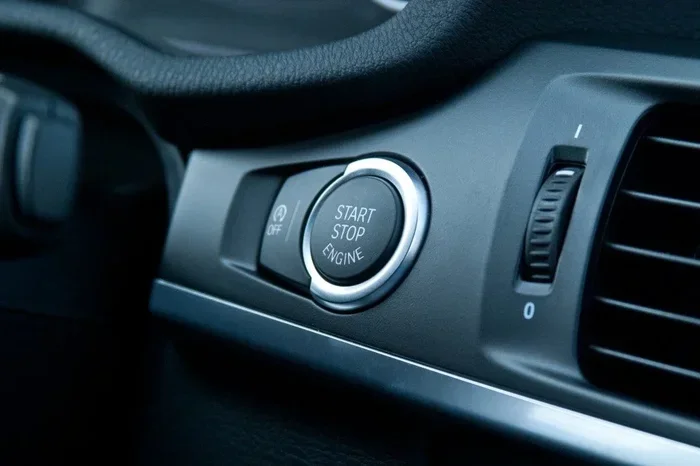
Before we dive into remote start installation, it helps to understand how push button ignition actually works. This knowledge makes the rest of the guide much easier to follow. Traditional cars use a mechanical key that turns an ignition cylinder. Push button start cars replace that with a smart key fob and a electronic ignition button.
How Keyless Entry and Ignition Work Together
When you press the engine start button, your car does several things in a fraction of a second. First, it checks whether the smart key fob is inside the vehicle. Then it verifies the fob’s transponder signal. If the signal matches, the car allows the engine to start. This entire process happens through a vehicle immobilizer system designed to prevent theft.
The immobilizer is the main reason why adding remote start to a push button car is trickier than with a traditional key ignition. The car expects the key fob to be physically present when you press the button. A remote start system needs to mimic that presence without the actual fob inside the vehicle.
Why Push Button Start Cars Need Special Remote Start Solutions
Factory remote start systems in newer vehicles handle this by keeping the smart key within a certain range of the car. Aftermarket systems cannot rely on that trick. Instead, they use a bypass module to fool the immobilizer into thinking the key fob is nearby. This small device is the heart of any remote start installation on a push button start car.
Not all bypass modules are the same. Some are brand specific. Others are universal. The right one depends on your vehicle make, model, and year. This is why checking compatibility before buying anything is so important.
How Remote Start Works with Push Button Cars
Now that you understand the basic technology, let us look at how a remote start system actually functions on a push button start car. The process involves several components working together seamlessly.
The Role of the Bypass Module
The bypass module is a small electronic device that interfaces between your car’s immobilizer system and the remote start transmitter. When you press the remote start button, here is what happens step by step:
- The remote signal reaches the remote start receiver installed in your car.
- The receiver sends a signal to the bypass module.
- The bypass module simulates the presence of your smart key fob.
- The immobilizer is satisfied, and the car allows the engine to crank.
- The engine starts and runs until you manually turn it off or the timer expires.
All of this happens in seconds. You do not need to be inside the vehicle. The entire process is controlled by the remote start kit you installed.
One-Way vs Two-Way Remote Start Systems
When shopping for a remote start kit, you will encounter two main types. One-way systems send a signal to start the car but do not confirm whether the start was successful. Two-way systems send the start command and then receive a confirmation signal back. This means you know for sure your car actually started.
For push button start cars, a two-way remote start system is highly recommended. These systems typically have a longer range too. Some two-way remotes work up to 3,000 feet away. That is especially useful if you live in a cold climate and want to start your car from inside your home.
Range and Signal Strength Considerations
The effective range of your remote start system depends on several factors. The type of remote you choose is the biggest one. Building materials, hills, and even weather conditions can affect signal strength. Most modern remote start transmitters work reliably within a half mile to two miles. Make sure to choose a system that fits your daily needs and environment.
Can You Install Remote Start Yourself?
This is one of the most common questions we get. The honest answer is: it depends. Some experienced car enthusiasts can handle a DIY remote start installation. For most people, however, professional installation is the safer choice.
What You Need for a DIY Installation
If you decide to tackle the installation yourself, here is what you will need:
- A compatible remote start kit for your specific vehicle
- The correct bypass module for your car’s make and model
- A wiring diagram for your vehicle
- Basic hand tools and wire strippers
- Electrical tape and heat shrink tubing
- Patience and a steady hand
Why Professional Installation Is Often the Better Choice
Professional installation typically costs between $200 and $500 depending on your vehicle and location. That might sound like a lot, but consider what is at stake. Push button start vehicles have complex CAN bus systems and sensitive electronics. A single wiring mistake can cause expensive problems. A professional installer knows how to navigate these systems safely.
Most professional installers also offer warranties on their work. If something goes wrong, you have someone to turn to. With a DIY install, you are on your own.
Step-by-Step Overview of the Installation Process
Whether you go DIY or hire a pro, the installation process follows a similar path. First, the installer accesses your car’s wiring harness. Next, they connect the remote start module to the ignition, starter, and accessory wires. Then they integrate the bypass module with the immobilizer system. Finally, they mount the remote and test everything thoroughly.
The entire process usually takes two to four hours. A skilled installer can often complete it faster. The key is making clean, secure connections that will last for years.
Best Remote Start Kits for Push Button Start Cars
Not all remote start kits are created equal. Some work better with push button start vehicles than others. Here are a few popular options to consider.
Compustar Pro R900-X
The Compustar Pro R900-X is a top choice for many car owners. It is a two-way system with a range of up to 3,000 feet. It works well with most push button start vehicles when paired with the right bypass module. The remote is easy to use, and the build quality is excellent.
Viper DS4+
The Viper DS4+ is another strong contender. It offers a two-way remote with a sleek design. Viper has been in the aftermarket remote start game for decades, and their products are known for reliability. The DS4+ also includes features like remote start through a smartphone app.
Avital 4100LX
If you are looking for a budget-friendly option, the Avital 4100LX is worth considering. It is a one-way system, which means it does not send confirmation signals back to the remote. However, it still gets the job done for most users. It is a great entry-level kit for those who want to test the remote start experience without spending a lot.
Comparison Table: Top Remote Start Kits
| Kit Name | Type | Range | Two-Way | Price Range |
|---|---|---|---|---|
| Compustar Pro R900-X | Aftermarket | 3,000 ft | Yes | $200-$300 |
| Viper DS4+ | Aftermarket | 2,000 ft | Yes | $250-$350 |
| Avital 4100LX | Aftermarket | 1,500 ft | No | $100-$150 |
| Factory OEM Remote Start | OEM | Varies | Varies | $500-$1,000+ |
Benefits of Adding Remote Start to Your Push Button Start Car
Once you have a remote start system installed, you will wonder how you ever lived without it. Here are some of the biggest benefits.
Warm Up or Cool Down Before You Drive
This is the number one reason most people install remote start. In winter, you can start your car from the warmth of your home and let the heater warm up the cabin. In summer, you can cool down a hot car before you sit behind the wheel. It is a small luxury that makes a big difference in your daily routine.
Improved Engine Longevity
Letting your engine warm up before driving is better for the engine over time. Cold starts without a warm-up period put extra stress on engine components. A remote start system gives your engine the time it needs to reach optimal operating temperature before you hit the road.
Enhanced Vehicle Security
Modern remote start kits come with built-in security features. The engine will not start unless the correct remote signal is received. Many systems also include shock sensors and hood pin triggers. This means your car is actually more secure with a quality remote start system than without one.
Increased Resale Value
Having a remote start system can boost your car’s resale value. Many buyers look for this feature, especially in regions with extreme weather. A professionally installed system adds value without compromising your vehicle’s original appearance or function.
Common Mistakes to Avoid When Installing Remote Start
Even with the best intentions, mistakes happen during remote start installation. Here are some common errors you should avoid.
Choosing the Wrong Bypass Module
Not every bypass module works with every vehicle. Using the wrong one can cause the remote start system to fail or, worse, interfere with your car’s electronics. Always double-check compatibility before purchasing any component.
Ignoring Your Vehicle’s Warranty
Some car owners worry that installing an aftermarket remote start system will void their warranty. In most cases, this is not true. However, if the installation causes damage to your vehicle’s wiring, the manufacturer could deny a related warranty claim. This is another reason professional installation is worth the investment.
Skipping the Test Drive
After installation, always test the system thoroughly. Start the car from different distances. Check whether the doors lock and unlock properly. Make sure the engine shuts off when you turn the key or press the start button inside the car. Skipping this step can lead to frustrating problems later.
Expert Tips for Getting the Most Out of Your Remote Start System
Once your remote start system is up and running, a few simple tips will help you get the best performance and longevity from it.
- Keep your remote battery fresh: Replace the remote battery once or twice a year. A weak battery means unreliable starts.
- Use the timer feature wisely: Most systems let you set a runtime limit, usually 10 to 24 minutes. This prevents your car from running unnecessarily.
- Park in a well-ventilated area: Never run your car in an enclosed garage, even with the door open. Carbon monoxide is a real danger.
- Update your system firmware: Some advanced kits allow firmware updates. Check the manufacturer’s website for the latest improvements.
- Pair your smartphone if possible: Many modern kits offer smartphone integration. This lets you start your car from anywhere with cell service.
Frequently Asked Questions
Can any push button start car have a remote start system installed?
Most push button start cars can support aftermarket remote start, but compatibility depends on your specific make, model, and year. Some vehicles have wiring configurations or security systems that make installation more complex. Always check with the remote start kit manufacturer or a professional installer before purchasing.
Will installing a remote start void my car’s warranty?
In most cases, no. The Magnuson-Moss Warranty Act protects consumers from having their warranty voided simply because they installed aftermarket parts. However, if the installation directly causes damage to your vehicle, the manufacturer may deny a related claim. Professional installation minimizes this risk significantly.
How much does it cost to install remote start on a push button start car?
The total cost typically ranges from $200 to $700. This includes the price of the remote start kit, which runs from $100 to $300, plus professional installation fees of $150 to $400. DIY installation saves on labor costs but requires technical skill and patience.
Is it safe to remote start my car in a closed garage?
No, it is never safe to run your car in an enclosed space. Carbon monoxide can build up quickly and is extremely dangerous. Always remote start your car in an open area with plenty of ventilation. Never leave a running vehicle unattended in a garage, even with the door open.
How far can I start my car with a remote start system?
The range depends on the kit you choose. Most two-way systems offer a range of 1,500 to 3,000 feet. Some high-end systems extend even further. Keep in mind that buildings, trees, and other obstructions can reduce the effective range in real-world conditions.
Can I install a remote start system myself if I have basic car knowledge?
You can, but it is not recommended unless you have significant experience with automotive wiring. Push button start vehicles have complex electronic systems that are easy to damage. A professional installer has the tools, knowledge, and experience to complete the job safely and correctly the first time.
Conclusion
So, can you add remote start to a push button start car? Absolutely. The technology has advanced to the point where nearly any vehicle with keyless ignition can support an aftermarket remote start system. The key is choosing the right kit, using the correct bypass module, and ensuring the installation is done properly.
Whether you decide to go the DIY route or hire a professional, the benefits are clear. You get the comfort of a warm or cool car before you step inside. You gain an extra layer of security. And you add value to your vehicle. The remote start installation process may seem intimidating at first, but with the right information and the right tools, it is a very achievable upgrade.
Take your time researching compatible kits for your specific vehicle. Read reviews. Watch installation videos. And when in doubt, consult a professional. A properly installed remote start system on your push button start car will serve you well for years to come. You will wonder how you ever drove without it.