Can You Add Remote Start to a Car With Push-Button Start
Yes, you can add remote start to a car with push-button start. Modern aftermarket remote start systems work seamlessly with push-button ignition systems, letting you warm up or cool down your vehicle before you get in. This guide covers everything you need to know about compatibility, installation costs, kits, and whether DIY or professional help is the right move for your car.
You love the idea of stepping into a warm car on a freezing morning or a cool one after a long day at work. But your vehicle comes with a push-button start system, and you are not sure if remote start is even an option.
The good news is that yes, you can add remote start to a car with push-button start. It is more common than you might think, and modern technology has made the process smoother than ever. Whether you drive a sedan, truck, or SUV, there is likely a solution that fits your needs and your budget.
In this guide, we will walk you through everything you need to know. We will cover how push-button ignition works, what remote start kits are available, how much it costs, and whether you should try a DIY install or call a professional. By the end, you will have a clear picture of your options.
Key Takeaways
- Remote start is possible: Push-button start cars can absolutely get aftermarket remote start systems installed.
- Compatibility matters: Not every kit works with every vehicle, so check your VIN and model year first.
- Professional installation is recommended: Push-button systems involve complex wiring and security modules.
- Costs range from $200 to $800: Prices vary based on kit quality, features, and labor rates.
- Two-way remotes offer better range: They confirm your command was received, which is great for large parking lots.
- Smartphone apps add convenience: Many modern kits let you start your car from your phone.
- Warranty considerations exist: Check with your dealer before installing to avoid voiding coverage.
📑 Table of Contents
- How Push-Button Start Systems Work
- Can You Add Remote Start to a Push-Button Start Car?
- How Remote Start Works with Push-Button Ignition
- Choosing the Right Remote Start Kit
- Professional Installation vs. DIY
- Benefits of Adding Remote Start to Your Push-Button Start Car
- Cost Breakdown: What to Expect
- Does Remote Start Void Your Warranty?
- Final Thoughts
How Push-Button Start Systems Work
Before we dive into remote start, it helps to understand how push-button ignition actually works. Once you know the basics, the rest makes a lot more sense.
The Basics of Keyless Ignition
A push-button start system replaces the traditional ignition key slot. Instead, you use a key fob that communicates with your car wirelessly. When the fob is inside the vehicle and you press the button, the car recognizes the fob and allows the engine to start.
This system relies on a few key components:
- The key fob: It sends a unique signal to the car.
- The antenna ring: These are built into the car and detect the fob’s presence.
- The immobilizer system: This prevents the car from starting without the correct fob.
- The ignition control module: This manages the entire start sequence.
All of these parts work together to keep your car secure. That is great for safety, but it also means that adding remote start requires a bit more thought than it does with older vehicles that use traditional keys.
Why Push-Button Start Makes Remote Start Tricky
With a regular key ignition, remote start is relatively straightforward. You bypass the ignition switch, and the car starts. With push-button start, the car is looking for the fob to be present. If the fob is not inside, the car will not start.
This is the biggest challenge. Any remote start system for a push-button start car must trick the vehicle into thinking the fob is present. That is where bypass modules and special wiring come into play.
Can You Add Remote Start to a Push-Button Start Car?
The short answer is yes. The longer answer is that it depends on your vehicle, the kit you choose, and how it is installed. Let us break this down so you know exactly what to expect.
Factory Remote Start vs. Aftermarket Remote Start
Some newer vehicles come with factory remote start from the manufacturer. If your car has this feature, you just need to use the remote that came with the vehicle. But many push-button start cars do not include this option from the factory.
That is where aftermarket remote start comes in. Aftermarket kits are designed to add remote start functionality to vehicles that do not have it built in. These kits are widely available and work with most makes and models.
| Feature | Factory Remote Start | Aftermarket Remote Start |
|---|---|---|
| Installation Cost | Included in vehicle price | $200 – $800 |
| Compatibility | Only works with your specific car | Works with most vehicles |
| Range | Varies by manufacturer | Up to 3,000 feet or more |
| Smartphone Control | Sometimes included | Often available with higher-end kits |
| Warranty Impact | None | Possible if not installed correctly |
Which Vehicles Are Compatible?
Most push-button start cars from the last 15 years can support aftermarket remote start. However, compatibility depends on several factors:
- Your vehicle make and model: Some brands are easier to retrofit than others.
- The year of your car: Newer vehicles may have more complex security systems.
- Your vehicle identification number (VIN): A professional installer can use your VIN to confirm compatibility.
- The presence of a transponder key system: This affects which bypass module you need.
The best step you can take is to check with a reputable installer or the kit manufacturer before purchasing. They can look up your specific vehicle and confirm that a remote start kit is available for it.
How Remote Start Works with Push-Button Ignition
Understanding the installation process helps you appreciate why professional help is often the best route. It is not as simple as wiring into an old ignition switch.
The Role of a Bypass Module
A bypass module is the brain of a remote start system for push-button start cars. It sits between the key fob and the car’s immobilizer system. When the remote start command is sent, the bypass module mimics the fob’s signal and tells the car it is safe to start.
Here is a simplified version of how it works:
- You press the button on your remote.
- The remote sends a signal to the receiver in the car.
- The receiver tells the bypass module to activate.
- The bypass module sends the correct signal to the immobilizer.
- The car starts without the physical fob inside.
- When you enter the car and press the push button, the car recognizes your real fob and shuts off the bypass module.
This entire process happens in seconds. And once you are inside the car, everything works exactly as it normally would.
Two-Way Remotes and Range
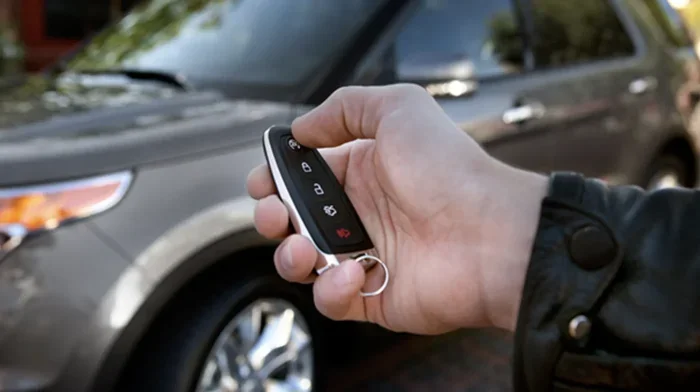
Most remote start kits come with a two-way remote. This means the remote not only sends a start command but also receives a confirmation back from the car. You know the engine has started because the remote beeps or flashes.
Range is another important factor. Basic remotes work up to about 1,000 feet. Higher-end systems can reach 3,000 feet or more. Some premium kits even connect to your smartphone through a dedicated app, giving you control from anywhere with cell service.
Choosing the Right Remote Start Kit
Not all remote start kits are created equal. The market has a lot of options, and picking the right one can feel overwhelming. Let us simplify it for you.
Top Brands to Consider
Several brands dominate the aftermarket remote start space. Here are a few worth looking at:
- Compustar: Known for reliable performance and great range options.
- Viper: A long-standing brand with a solid reputation for durability.
- Avital: Offers solid mid-range kits at competitive prices.
- Prestige: A newer brand with strong smartphone integration features.
Features to Look For
When shopping for a remote starter kit, keep an eye on these features:
- Two-way communication: Confirms your command was received.
- Smartphone compatibility: Lets you start your car from an app.
- Multiple vehicle functions: Some kits allow you to lock doors, pop the trunk, or activate the horn from the remote.
- Thermal timer: This feature shuts the engine off after a set time to prevent fuel waste.
- GPS tracking: Higher-end kits offer vehicle location tracking through an app.
Quick Tips for Choosing the Right Kit
Here are a few tips that can save you time and money:
- Always match the kit to your vehicle’s year, make, and model.
- Do not go for the cheapest option. A quality kit costs more upfront but saves you headaches later.
- Look for kits that include a bypass module specific to your car.
- Read reviews from other owners of the same vehicle model.
- Ask the installer for a warranty on both the kit and the labor.
Professional Installation vs. DIY
This is one of the biggest decisions you will make. Both options have pros and cons, and your choice depends on your comfort level with car electronics.
Why Professional Installation Is Usually the Best Choice
Push-button start vehicles have complex wiring and security systems. A professional installer knows how to navigate these systems without causing damage. Here is why going pro makes sense:
- Correct bypass module matching: The installer will select the right module for your specific car.
- Proper wiring: Incorrect wiring can damage your electrical system or void your warranty.
- Security preservation: A pro ensures your anti-theft system continues to work properly.
- Time savings: A professional can usually complete the install in a few hours.
- Warranty on the work: Most shops offer a warranty on both parts and labor.
Can You Install It Yourself?
Experienced DIYers with car electronics knowledge can attempt a self-install. However, this is not a beginner project. You will need to:
- Access your car’s wiring diagram.
- Connect the bypass module correctly.
- Program the remote to your vehicle’s system.
- Test everything to ensure the ignition system works properly after installation.
If any of this sounds confusing, it is worth paying for professional installation. A mistake during a DIY install can lead to costly repairs or a car that will not start at all.
Common Mistakes to Avoid
Whether you go professional or DIY, be aware of these common pitfalls:
- Skipping the bypass module: This is the most common mistake. Without it, your push-button start car will not start remotely.
- Ignoring the anti-theft system: Disabling it improperly can trigger warning lights on your dashboard.
- Choosing the wrong kit: Not all kits are compatible with all vehicles. Always double-check.
- Forgetting to program the remote correctly: A poorly programmed remote will not communicate with your car.
- Not testing thoroughly: Always test the system multiple times before relying on it daily.
Benefits of Adding Remote Start to Your Push-Button Start Car
So why bother with all this effort? The benefits are real and noticeable, especially if you live in a climate with extreme temperatures.
Comfort and Convenience
The number one reason people add remote start is comfort. In winter, you can warm up your car and defrost the windshield before you walk out the door. In summer, you can cool down the interior so it is not like sitting in a sauna when you get in.
Engine Health
Letting your engine warm up before driving can reduce wear on internal components. Cold starts are harder on engines, and allowing the oil to circulate before you drive helps protect your vehicle in the long run.
Security
Many remote start systems include additional security features. You can lock your doors remotely, and some systems will alert you if someone tries to tamper with your vehicle while it is running.
Increased Resale Value
A factory or professionally installed remote start system can increase your car’s resale value. Many buyers look for this feature, and it can set your vehicle apart from similar models that do not have it.
Expert Insight
“I have been installing remote start systems for over 12 years, and I can tell you that push-button start cars have come a long way in terms of compatibility. Almost every modern vehicle we see can support an aftermarket remote start kit. The key is choosing the right kit and having it installed correctly. Cutting corners on either front is where people run into problems.” — Mike Torres, Master Automotive Technician
Cost Breakdown: What to Expect
The cost of adding remote start to a push-button start car varies based on several factors. Here is a general breakdown:
- Basic remote start kit: $100 – $250. These kits offer short range and basic features.
- Mid-range kits: $250 – $500. These include two-way remotes and smartphone compatibility.
- Premium kits: $500 – $800+. These offer GPS tracking, extended range, and advanced smartphone controls.
- Professional installation: $100 – $300 depending on your location and the complexity of the install.
On average, most car owners spend between $300 and $600 for a quality kit and professional installation. This is a worthwhile investment that pays for itself in comfort and convenience every single day.
Does Remote Start Void Your Warranty?
This is a question many car owners worry about, and it is a valid concern. The short answer is: it depends.
If your car is still under the manufacturer’s factory warranty, adding an aftermarket remote start system could potentially affect coverage. However, the Magnuson-Moss Warranty Act in the United States protects consumers. This means a dealer cannot void your entire warranty just because you installed an aftermarket part.
That said, if the remote start installation directly causes a problem, the dealer may deny the claim related to that specific issue. To stay safe, always have the system installed by a certified professional and keep all receipts and documentation.
Expert Tips to Protect Your Warranty
- Ask your dealer about their policy on aftermarket electronics before installation.
- Choose a reputable installer who uses high-quality parts.
- Keep all installation receipts and warranty documentation for the remote start kit.
- Have the system removed before taking your car in for warranty service, if you are concerned.
Final Thoughts
Adding remote start to a car with push-button start is absolutely possible and more accessible than ever. Whether you want to warm up your car on a cold morning or cool it down after a hot day, the right kit and a proper installation make it all happen.
Take the time to choose a compatible kit, invest in professional installation, and enjoy the convenience that remote start provides. Your future self, stepping into a perfectly tempered car, will thank you every single day.
The technology is reliable, the costs are reasonable, and the benefits are real. Do your research, ask the right questions, and you will be turning on your car from across the parking lot in no time.
Frequently Asked Questions
Can any push-button start car get a remote start system?
Most push-button start cars can support aftermarket remote start, but compatibility varies by make, model, and year. Check with the kit manufacturer or a professional installer using your VIN to confirm before purchasing.
How much does it cost to add remote start to a push-button start car?
Costs typically range from $300 to $600 for a quality kit and professional installation. Premium kits with smartphone features can cost more, while basic kits are available for under $250.
Will a remote start system work with my key fob?
Yes, but you will need an aftermarket remote starter kit that includes its own remote or smartphone app. The kit uses a bypass module to communicate with your car’s immobilizer system when the fob is not inside the vehicle.
Is it safe to leave my car running with remote start?
Yes, it is generally safe. Most remote start systems have built-in safety features such as automatic shutoff timers and ignition lockout. The car will not move unless the key fob is inside and the brake pedal is pressed.
Can I install a remote start system myself?
Experienced DIYers can attempt it, but push-button start systems are complex. A professional installation reduces the risk of electrical damage, warranty issues, and improper setup. It is usually worth the investment.
Does remote start waste gas?
Modern remote start systems have thermal timers that automatically shut the engine off after a set period, usually 10 to 15 minutes. This prevents excessive fuel waste while still giving you a comfortable cabin temperature.
=== CONCLUSION ===
Adding remote start to a car with push-button start is not only possible but also a smart upgrade for comfort and convenience. With the right kit, professional installation, and a clear understanding of your vehicle’s compatibility, you can enjoy the luxury of starting your car from a distance in any season. Take your time researching options, choose quality over price, and you will be glad you made the investment.