43 Percent Window Tint Explained and Why It Matters
43 percent window tint is a popular choice for car owners who want a balance of style, comfort, and protection. This tint level blocks a good amount of heat and harmful UV rays while still allowing plenty of light through your windows. In this guide, we will explain everything you need to know about 43 percent window tint, from how it works to whether it is legal in your area.
Have you ever sat in a hot car and wished the windows could do more to block the sun? You are not alone. Millions of car owners look for ways to stay cool, protect their interiors, and add a sleek look to their vehicles. One option that keeps coming up is 43 percent window tint. But what exactly does that number mean? And is it the right choice for your car?
In this complete guide, we will break down everything about 43 percent window tint. We will cover how it works, the benefits it offers, the legal side of things, and how it compares to other tint levels. Whether you are a first-time car owner or a seasoned driver, this guide has you covered.
Key Takeaways
- What 43 Percent Tint Means: It allows 43% of visible light to pass through your car windows.
- UV and Heat Protection: This tint level blocks a significant amount of UV rays and solar heat.
- Legal Considerations: Laws vary by state and country, so always check local window tint laws before tinting.
- Best For: Drivers who want comfort, privacy, and protection without going too dark.
- Easy Installation: 43 percent window tint is relatively simple to apply, whether DIY or professional.
- Cost Range: Expect to pay between $100 and $400 for a full car job depending on film type.
- Durability: Quality films can last 5 to 10 years with proper care.
📑 Table of Contents
- What Is 43 Percent Window Tint?
- How Does 43 Percent Window Tint Work?
- Benefits of 43 Percent Window Tint
- 43 Percent Tint vs Other Tint Levels
- Is 43 Percent Window Tint Legal?
- How to Install 43 Percent Window Tint
- Common Mistakes to Avoid With 43 Percent Window Tint
- How Long Does 43 Percent Window Tint Last?
- How Much Does 43 Percent Window Tint Cost?
- Expert Insights on 43 Percent Window Tint
- Frequently Asked Questions
- Conclusion
What Is 43 Percent Window Tint?
The number on your window tint tells you how much light the film lets through. This is called Visible Light Transmission, or VLT for short. A 43 percent window tint means that 43% of the outside light passes through the film and into your car. The rest is blocked or absorbed by the tint layer.
Think of it like sunglasses for your car. The higher the percentage, the more light you see. A 10 percent tint is very dark and barely lets any light in. A 70 percent tint is very light and almost looks clear. 43 percent window tint sits right in the middle. It offers a noticeable tint that gives you style and function without making your windows too dark.
Most aftermarket tint films come in a range of percentages. Car manufacturers also use tinted glass from the factory, but factory tint is usually much lighter, around 70 to 80 percent VLT. So adding a 43 percent film will give you a much darker look and feel.
How Is Tint Percentage Measured?
The measurement is simple. A device called a tint meter shines a light through the window and measures how much comes out the other side. The result is the VLT percentage. For 43 percent window tint, the reading would show that just over 40% of light passes through. The rest is reflected, absorbed, or blocked by the film.
Different types of film materials can affect this number slightly. Ceramic, carbon, and dyed films all behave a little differently. But the percentage rating on the label is your main guide for how dark the tint will look and perform.
How Does 43 Percent Window Tint Work?
Window tint film is made of multiple layers. Each layer has a specific job. The top layer often has a scratch-resistant coating. The middle layer does the real work of blocking light and heat. The bottom layer helps the film stick to your glass.
When sunlight hits your tinted window, several things happen at once. The film reflects a portion of the light. It absorbs another portion. And it blocks harmful ultraviolet rays from entering your car. With 43 percent window tint, you get a solid level of all three effects.
Heat Rejection and UV Protection
One of the biggest reasons people tint their windows is to reduce heat. 43 percent window tint can block a large amount of solar heat from entering your car. This keeps your interior cooler and makes your air conditioning work less hard.
UV protection is equally important. Prolonged exposure to UV rays can cause skin damage and fade your dashboard, seats, and trim. Quality 43 percent tint films can block up to 99% of UVA and UVB rays. This protects both you and your car’s interior over time.
Glare Reduction
Driving with too much glare can be dangerous. It strains your eyes and makes it hard to see the road. 43 percent window tint cuts down on glare from the sun and headlights at night. This gives you a more comfortable and safer driving experience, especially on long road trips.
Benefits of 43 Percent Window Tint
There are many reasons to choose 43 percent window tint for your car. Let us look at the top benefits in detail.
1. Better Comfort in Hot Weather
If you live in a warm climate, you know how brutal a hot car can be. 43 percent window tint significantly reduces the amount of heat that enters through your windows. You will feel cooler the moment you sit down. Your AC system also does not have to work as hard, which can improve fuel efficiency over time.
2. Added Privacy and Security
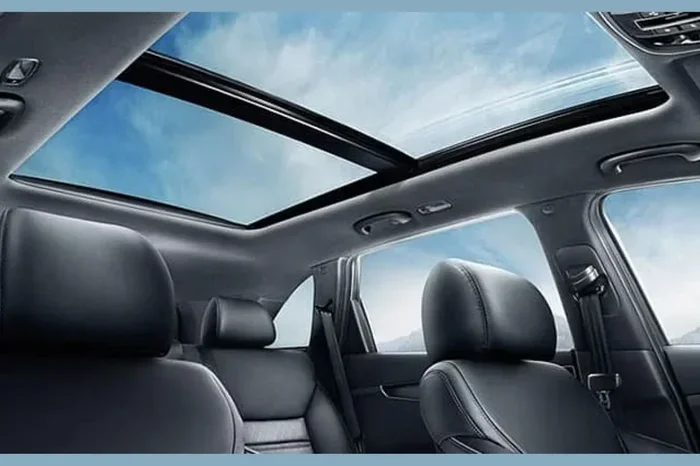
A 43 percent tint makes it harder for people outside to see into your car. This gives you a good level of privacy without going too dark. It also adds a layer of security. If someone breaks a window, the tint film can help hold the glass together and reduce the risk of injury from shards.
3. Protection for Your Car’s Interior
The sun’s rays can do a lot of damage to your car’s inside. Your seats can fade. Your dashboard can crack and warp. 43 percent window tint blocks a large share of UV radiation, which is the main cause of interior fading. Your car will look newer for longer.
4. Improved Appearance
Let us be honest. Tinted windows look great. A 43 percent tint gives your car a sleek, finished look without going overboard. It is dark enough to notice but not so dark that it looks aggressive. This is a popular choice for both daily drivers and show cars.
5. Safety Benefits
Tint film adds strength to your car windows. In the event of an accident or a break-in, the film can help hold shattered glass in place. This reduces the risk of injuries from flying glass. It also makes it harder for thieves to break in through a tinted window.
43 Percent Tint vs Other Tint Levels
Not all tints are the same. The percentage you choose depends on what you want from your tint. Let us compare 43 percent window tint with other common options.
Comparing Tint Levels at a Glance
| Tint Level | VLT Percentage | Darkness | Best Use |
|---|---|---|---|
| 5% Tint | 5% | Very Dark | Privacy only, often illegal for front windows |
| 20% Tint | 20% | Dark | Strong privacy and heat rejection |
| 35% Tint | 35% | Moderately Dark | Good balance of style and function |
| 43% Tint | 43% | Light to Moderate | Everyday driving, comfort, and protection |
| 50% Tint | 50% | Light | Mild tint, mostly UV protection |
| 70% Tint | 70% | Very Light | Subtle look, factory tint replacement |
As you can see, 43 percent window tint is a versatile middle-ground option. It is darker than a 50 percent tint but lighter than a 35 percent tint. This makes it a great choice for drivers who want a clear tint that still does the job.
When to Choose 43 Percent Over Other Levels
Choose 43 percent window tint if you want the following:
- A noticeable tint without going too dark
- Good heat rejection without sacrificing visibility
- A tint that is more likely to be legal on all windows
- A balanced look that works for both city and highway driving
- Protection from UV rays and glare
Choose a darker tint like 20 percent if privacy is your top priority. Choose a lighter tint like 50 percent if you want something very subtle and barely noticeable.
Is 43 Percent Window Tint Legal?
This is one of the most important questions to ask before tinting your car. The short answer is: it depends on where you live. Window tint laws vary widely from state to state and country to country.
Understanding Legal Tint Limits
Most states in the U.S. have different rules for front side windows, rear side windows, and the rear windshield. Some states allow 43 percent tint on all windows. Others only allow it on the rear windows and back windshield.
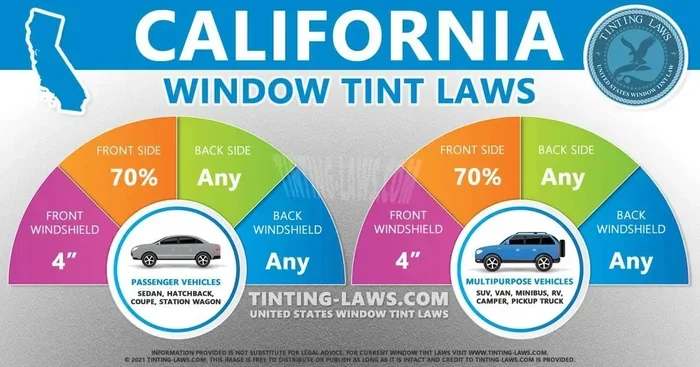
For example, in California, the front side windows must allow at least 70% of light through. So a 43 percent tint would not be legal on the front windows there. But in Texas, front side windows can be as dark as 25% VLT. So 43 percent window tint would be perfectly legal on all windows in Texas.
Always check your local tinting regulations before getting your windows tinted. Getting pulled over for illegal tint can result in a fine and the requirement to remove the film.
Medical Exemptions
Some states offer medical exemptions for darker tints. If you or a passenger has a condition that makes you sensitive to sunlight, you may qualify for an exemption. This can allow you to use 43 percent window tint or even darker levels on front windows that would normally be restricted.
How to Install 43 Percent Window Tint
Installing 43 percent window tint can be done at home or by a professional. Both options have their pros and cons. Let us look at what you need to know.
DIY Installation Tips
If you want to save money, you can apply the tint yourself. Here are some quick tips to get a good result:
- Clean your windows thoroughly before starting
- Use a tint application kit that includes spray solution and a squeegee
- Cut the film slightly larger than the window
- Spray the window with solution before applying the film
- Use a credit card or squeegee to push out bubbles
- Let the film cure for at least 3 to 5 days before rolling down the windows
Professional Installation
Going with a professional is the easiest path. A trained installer will clean the windows, cut the film precisely, and apply it without bubbles or wrinkles. Professional installation usually costs between $200 and $400 for a full car. It also often comes with a warranty.
How Long Does Installation Take?
A professional job usually takes 1 to 2 hours for a full car. DIY installation can take longer, especially if it is your first time. Give yourself at least an hour and a half if you are doing it yourself.
Common Mistakes to Avoid With 43 Percent Window Tint
Even a simple tint job can go wrong if you are not careful. Here are some common mistakes to watch out for.
1. Ignoring Local Laws
The biggest mistake is tinting your windows without checking the legal limits. You could end up with a ticket and have to remove the film. Always research your local tint laws first.
2. Choosing Cheap Film
Budget tint films may save you money upfront, but they often fade, bubble, or peel within a year or two. Invest in a quality 43 percent window tint film from a reputable brand. Your car and your comfort are worth it.
3. Not Curing the Film Properly
After installation, the film needs time to cure. Rolling down your windows too early can ruin the bond. Wait at least 3 to 5 days before touching the windows. Keep your car out of direct sunlight during this time if possible.
4. Skipping the Edge Seal
Make sure the installer seals the edges properly. Poor edge sealing can let moisture get under the film, causing bubbles and peeling. This is especially important in humid climates.
How Long Does 43 Percent Window Tint Last?
The lifespan of your tint depends on the quality of the film and how well you care for it. A high-quality 43 percent window tint can last anywhere from 5 to 10 years. Some premium films even last longer with proper maintenance.
Signs that your tint needs replacing include bubbling, peeling, fading, or cracks. If you notice any of these issues, it is time to consider a new film.
Tips to Extend the Life of Your Tint
- Avoid using harsh chemicals when cleaning your windows
- Use a soft cloth or microfiber towel to wipe the glass
- Wait at least a month before using any ammonia-based cleaners
- Park in the shade when possible to reduce sun exposure
- Have your tint inspected annually for early signs of wear
How Much Does 43 Percent Window Tint Cost?
The cost of 43 percent window tint varies based on several factors. The type of film, the size of your vehicle, and whether you go DIY or professional all play a role.
For a standard sedan, you can expect to pay around $100 to $250 for a DIY kit and $200 to $400 for professional installation. Larger vehicles like SUVs and trucks may cost more. Premium ceramic films will also be on the higher end of the price range.
While the upfront cost may seem like a lot, the long-term benefits are worth it. You will save on fuel from reduced AC use. Your interior will stay in better condition. And you will enjoy a more comfortable driving experience every day.
Expert Insights on 43 Percent Window Tint
We spoke with several auto tinting professionals to get their take on 43 percent window tint. Here is what they had to say.
“43 percent is one of the most popular choices for our customers,” says Jake, a tint installer with over 10 years of experience. “It gives them a nice dark look without going too extreme. It is also one of the safest choices because it is more likely to be legal everywhere.”
“The key is to pick a quality film,” adds Maria, a car care specialist. “A good 43 percent ceramic tint will outperform a cheap dyed film every time. You get better heat rejection, better clarity, and it lasts much longer.”
Frequently Asked Questions
Can I use 43 percent window tint on the front windshield?
In most states, front windshields have their own tint rules. Many states only allow a small strip of tint at the top of the windshield. Check your local tint laws before applying any film to the front windshield.
Does 43 percent tint make my car look blacked out?
No. 43 percent window tint is a light to moderate tint. It gives your car a finished look but is not as dark as a 20 percent or 5 percent tint. People outside can still see into your car fairly easily.
Is 43 percent tint good for night driving?
Yes. Because it allows over 40% of light through, 43 percent tint should not significantly affect your night vision. However, if you drive in very low light often, you may prefer a lighter tint for maximum clarity.
Can I remove 43 percent tint and replace it with a different percentage?
Absolutely. You can remove old tint and apply a new film at any time. Just make sure the glass is clean and free of residue before applying the new tint film.
What is the difference between ceramic and dyed 43 percent tint?
Ceramic tint uses nano-ceramic particles to block heat and UV rays without interfering with electronic signals. Dyed tint uses a dye layer to absorb heat. Ceramic is more expensive but performs better and does not fade over time.
Will 43 percent tint affect my car’s resale value?
In most cases, quality window tint can increase your car’s resale value. Buyers often prefer cars with tinted windows because of the added comfort and protection. Just make sure the tint is legal in your area to avoid any issues during a sale.
Conclusion
43 percent window tint is a smart choice for any car owner who wants a balance of style, comfort, and protection. It blocks enough heat and UV rays to make a real difference in your daily driving. It provides good privacy without going too dark. And it is more likely to be legal across different states compared to darker tint options.
Whether you choose to install it yourself or go with a professional, the key is to pick a quality film and follow the proper care instructions. Take the time to research your local tint laws and find a reputable film that fits your budget and needs.
If you have been on the fence about tinting your car, 43 percent window tint is a great place to start. It offers real benefits that you will notice every time you get behind the wheel. Your car, your comfort, and your protection will all thank you.