How Do I Know If My Cruise Control Is Working Correctly
Your cruise control system keeps you comfortable on long drives, but it can fail without obvious signs. This guide shows you exactly how to test your cruise control, spot warning signals, and understand common problems. You will learn simple checks anyone can do at home to confirm the system is functioning correctly.
This is a comprehensive guide about How Do I Know If My Cruise Control Is Working?.
Key Takeaways
- Dashboard Warning Light: A lit cruise control indicator tells you something may be wrong with the system.
- Set and Resume Buttons: If these buttons do not respond, the cruise control likely has an electrical or mechanical issue.
- Vehicle Speed Sensor: This component is critical for cruise control operation and can cause failure when damaged.
- Brake Pedal Check: Cruise control shuts off automatically when you press the brake, which is normal behavior.
- Common Causes of Failure: Blown fuses, faulty switches, and vacuum leaks are the top reasons cruise control stops working.
- Adaptive Cruise Control: Newer vehicles use radar and cameras, adding more components that can fail.
- Regular Maintenance: Simple inspections can prevent cruise control problems before they become expensive repairs.
[FEATURED_IMAGE_PLACEHOLDER]
Driving long distances becomes much easier when your cruise control works the way it should. You set your speed, relax your foot, and enjoy the ride. But what happens when that system suddenly stops responding? Many drivers ignore early warning signs until the problem becomes a real issue on the road.
Knowing how to check your cruise control is a skill every driver should have. It saves time, money, and keeps you safe. Whether you drive a modern car with adaptive cruise control or an older vehicle with a basic system, the signs of trouble are similar. This guide walks you through every test and check you need.
We will cover dashboard lights, button responses, mechanical components, and simple diagnostic steps. By the end, you will know exactly what to look for and when to visit a mechanic. Let us get started with the basics.
What Is Cruise Control and How Does It Work?
Before you can test your system, it helps to understand what is happening under the hood. Cruise control is an electronic system that maintains your vehicle speed without you pressing the gas pedal. It uses sensors, actuators, and a control module to keep your car moving at a steady pace.
When you press the set button, the system locks in your current speed. The vehicle speed sensor sends data to the cruise control module, which then adjusts the throttle to maintain that speed. On older cars, a cable connected to the throttle does this work. Newer vehicles use electronic throttle control for smoother operation.
The Main Components
Several parts work together to make cruise control function. Here is a quick look at each one:
- Cruise Control Switch: Located on the steering wheel or column. This is how you turn the system on and off.
- Vehicle Speed Sensor: Reads your current speed and sends it to the control module.
- Throttle Body: Controls how much air and fuel enters the engine to maintain speed.
- Vacuum Actuator: Found in older vehicles. It uses engine vacuum to adjust the throttle cable.
- Brake Light Switch: Tells the system to disengage when you hit the brakes.
- Cruise Control Fuse: Protects the electrical circuit from power surges.
When any of these parts fail, your cruise control will not work correctly. Understanding this helps you narrow down the problem faster.
How to Check If Your Cruise Control Is Working
Testing your cruise control does not require a mechanic or expensive tools. You can perform several checks yourself. Here is a step-by-step approach to verify the system is functioning as it should.
Step One: Check the Dashboard Indicator
Start by turning the ignition on without starting the engine. Look at your dashboard for the cruise control indicator. On most vehicles, this shows a small speedometer icon with an arrow. If the light does not come on at all, there may be an electrical problem.
Now start the engine and press the on/off button. The indicator should illuminate, confirming the system has power. If it stays dark, check the cruise control fuse first. A blown fuse is the simplest and most common cause of cruise control failure.
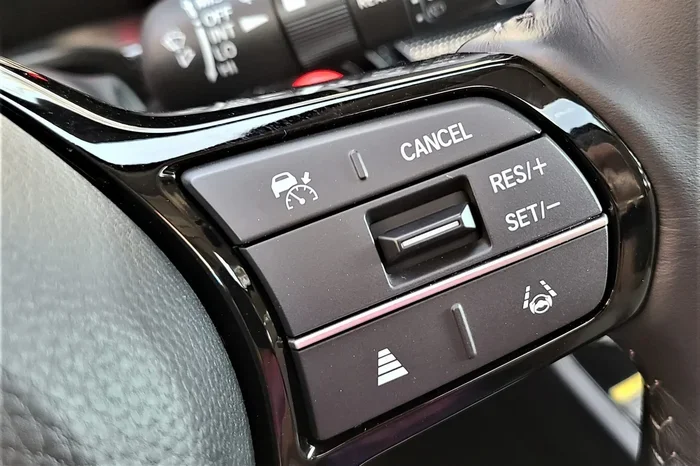
Step Two: Test the Set and Resume Buttons
Drive your vehicle to a safe, open road where the speed limit is steady. Accelerate to your desired speed, then press the set button. You should feel the throttle ease off and the car maintain speed on its own.
Next, gently tap the resume button after lightly pressing the brake pedal. The system should return to the previously set speed. If either button does not respond, the problem could be:
- A faulty cruise control switch
- A wiring issue in the wiring harness
- A problem with the cruise control module
Step Three: Test the Cancel Function
Press the cancel button while cruise control is active. The system should disengage immediately and the throttle should return to manual control. This is a safety feature that confirms the system is responding to inputs correctly.
If the cancel function does not work, do not use cruise control until the issue is resolved. This is a critical safety component.
Step Four: Check the Brake Pedal Interaction
With cruise control active, press the brake pedal gently. The system must turn off instantly. This is a built-in safety feature. If the cruise control stays active when you brake, the brake light switch may be faulty and needs replacement.
Common Signs Your Cruise Control Is Not Working
Sometimes the warning signs are obvious, and sometimes they are subtle. Here are the most common indicators that something is wrong with your cruise control system.
The Cruise Control Light Flashes or Stays On
A steady cruise control light usually means the system is active and ready. But if the light flashes or stays on after you press the off button, there is likely a fault code stored in the cruise control module. This often points to a sensor issue or electrical problem.
Inconsistent Speed Holding
Your vehicle should hold speed within a narrow range. If you notice the car speeding up or slowing down on its own, the throttle body or vehicle speed sensor may be failing. This is especially dangerous on highways where steady speed matters.
Cruise Control Won’t Engage at All
If pressing the set button does nothing, check a few things first:
- Is the brake pedal pressed slightly? A stuck brake light switch can prevent engagement.
- Is the vehicle moving above 25 mph? Most systems require a minimum speed.
- Is the check engine light on? This often correlates with cruise control issues.
Unusual Noises When Engaging
Older vehicles with vacuum actuators may produce a hissing sound when the cruise control engages. This could indicate a vacuum leak in the cruise control cable system. Newer cars with electronic systems should engage quietly. Any grinding or clicking noise deserves attention.
Why Does Cruise Control Fail? Top Causes Explained
Understanding the root causes helps you prevent future problems. Here are the most common reasons cruise control stops working, listed in order of frequency.
Blown Fuse or Electrical Issue
The cruise control fuse protects the entire system from electrical overload. When it blows, the system loses power completely. Check your owner’s manual for the fuse box location and the specific fuse number. Replacing a blown fuse is inexpensive and takes only minutes.
Faulty Vehicle Speed Sensor
The vehicle speed sensor is the eyes of your cruise control system. Without accurate speed data, the module cannot maintain your set speed. A failing sensor often triggers the check engine light and may affect your speedometer accuracy too.
Worn Cruise Control Cable
In older vehicles, a cable connects the throttle to the actuator. Over time, this cable stretches, frays, or seizes. A damaged cruise control cable prevents proper throttle adjustment and is a common fix at any repair shop.
Bad Brake Light Switch
The brake light switch tells the cruise control system when you are slowing down. If this switch fails, the system may not disengage when you brake or may refuse to engage at all. This is a small part but causes big problems.
Failed Cruise Control Module
The cruise control module is the brain of the system. When it fails, every function stops. Replacement can be costly, ranging from $200 to $600 depending on your vehicle model. However, this is a less common cause compared to fuses and sensors.
Low Battery Voltage
Electronic cruise control systems need stable electrical power. A weak battery or failing alternator can cause intermittent cruise control problems. If the issue comes and goes, check your battery voltage with a multimeter.
Adaptive Cruise Control: What Is Different?
If you drive a newer vehicle, you may have adaptive cruise control instead of the traditional system. This advanced feature uses radar sensors and cameras to maintain a safe following distance from the vehicle ahead. It is a significant upgrade, but it adds more components that can fail.
How to Test Adaptive Cruise Control
Testing adaptive cruise control follows similar steps but includes additional checks:
- Check the radar sensor for dirt or obstructions. A blocked sensor will disable the system.
- Look for a dedicated warning light on the dashboard for adaptive cruise control.
- Test the following distance adjustment buttons on the steering wheel.
- Drive in a safe area and verify the system slows down when a vehicle appears ahead.
Because adaptive systems rely on cameras and radar, keep those sensors clean. A dirty sensor is one of the most common reasons adaptive cruise control stops working unexpectedly.
Quick Tips to Keep Your Cruise Control in Good Shape
Prevention is always better than repair. Here are simple habits that extend the life of your cruise control system:
- Check your cruise control fuse during routine oil changes or tire rotations.
- Keep the brake pedal area clean so the switch operates smoothly.
- Avoid using cruise control in heavy traffic, rain, or icy road conditions.
- Have the vehicle speed sensor inspected if you notice speedometer inaccuracies.
- Address the check engine light promptly, as it often relates to cruise control faults.
- Clean radar and camera sensors on vehicles with adaptive cruise control.
- Read your owner’s manual to understand your specific system’s limitations.
Expert Insight
Many drivers do not realize that cruise control can mask fatigue on long trips. While the system is convenient, it does not replace attentive driving. Always keep your hands near the wheel and your eyes on the road, even when cruise control is active.
When to See a Mechanic
Some cruise control issues are simple enough to fix yourself. But certain problems require professional help. Here is when you should book a visit to a mechanic:
- The check engine light is on along with cruise control failure.
- You have checked the fuse and the system still does not work.
- The vehicle surges or slows unpredictably while cruise control is active.
- You smell burning or notice unusual vibrations when the system engages.
- Your vehicle has adaptive cruise control and the radar sensor warning light stays on.
A mechanic can run a diagnostic scan to read fault codes from the cruise control module. This is the fastest way to identify hidden problems that are not visible during a visual inspection.
Common Mistakes Drivers Make With Cruise Control
Even experienced drivers make errors that put their cruise control systems at risk. Here are mistakes to avoid:
- Using cruise control in wet or icy conditions: The system maintains speed, which can cause wheel spin or hydroplaning.
- Ignoring warning lights: A flashing cruise control indicator means something is wrong. Do not ignore it.
- Not pressing the cancel button before turning off the engine: This can cause the system to attempt to engage on the next startup.
- Assuming cruise control equals autopilot: Cruise control is an assist feature, not a replacement for driver attention.
- Postponing brake light switch repairs: A faulty switch affects both safety and cruise control function.
Avoiding these mistakes keeps your system reliable and your drives safer.
Comparison: Traditional vs Adaptive Cruise Control
| Feature | Traditional Cruise Control | Adaptive Cruise Control |
|---|---|---|
| Speed Setting | Manual set at fixed speed | Automatic adjustment based on traffic |
| Following Distance | None | Adjustable radar-based gap |
| Sensors Used | Vehicle speed sensor | Radar, camera, and sensors |
| Common Failure Causes | Fuse, switch, cable, sensor | Dirty sensor, camera obstruction, module |
| Repair Cost Range | $50 to $400 | $200 to $1,000+ |
| Best For | Highway driving in good weather | Highway and stop-and-go traffic |
Final Thoughts on Cruise Control Reliability
Your cruise control system is one of the most convenient features in your vehicle. When it works, it makes long drives more comfortable and reduces driver fatigue. But like any electronic system, it needs attention and care to perform reliably.
By following the checks in this guide, you can quickly determine whether your cruise control is functioning properly. Start with the simple stuff like fuses and dashboard lights. Then move to button tests and brake pedal checks. If anything feels off, do not ignore it.
Regular maintenance goes a long way toward preventing cruise control problems. Keep sensors clean, check fuses during routine service, and address warning lights immediately. These small habits save you from costly repairs and keep you safe on the road.
Remember that cruise control is a helpful tool, not a replacement for active driving. Always stay alert, keep your hands on the wheel, and use good judgment about when to engage the system. A well-maintained cruise control system rewards you with smoother, more enjoyable drives for years to come.
Frequently Asked Questions
Why does my cruise control keep turning off by itself?
This usually happens because of a faulty brake light switch or a problem with the vehicle speed sensor. The system is designed to disengage when it detects an issue. Check the brake pedal area and have the speed sensor inspected if the problem continues.
Can a dead battery cause cruise control to stop working?
Yes, a weak battery or low system voltage can disable cruise control. Electronic systems need stable power to operate. If your battery is old or struggling, have it tested before assuming the cruise control system itself is broken.
Is it safe to drive with the cruise control light on?
A steady cruise control light usually means the system is active and working. However, if the light flashes or stays on after you turn the system off, there is likely a fault code present. Get it diagnosed to be safe.
How much does it cost to repair cruise control?
Costs vary widely depending on the cause. A blown fuse may cost under $10 to fix. Replacing a vehicle speed sensor typically runs $100 to $250. A failed cruise control module can cost $200 to $600. Adaptive system repairs tend to be more expensive due to the sensors involved.
Can I use cruise control in the rain?
It is best to avoid cruise control on wet roads. The system maintains a fixed speed, which can reduce your ability to react quickly if the road is slippery. Turn it off and drive manually in rain, snow, or icy conditions for safety.
What is the difference between cruise control and a speed limiter?
Cruise control maintains your set speed and allows you to adjust it with buttons. A speed limiter prevents you from exceeding a set top speed but does not maintain a constant speed. Both are safety features, but they work differently.
Conclusion
Knowing how to check your cruise control system is a valuable skill for any driver. You now understand the key components, the warning signs, and the simple tests you can perform at home. From checking the dashboard indicator to testing the set and resume buttons, these steps help you quickly identify problems before they become serious.
Keep up with regular maintenance, pay attention to warning lights, and never ignore unusual behavior from your vehicle. Your cruise control system works hard to make your drives more comfortable. Give it the care it deserves, and it will serve you well for many miles ahead.
Frequently Asked Questions
What is How Do I Know If My Cruise Control Is Working??
How Do I Know If My Cruise Control Is Working? is an important topic with many practical applications.