How Do Car Lights Turn On When You First Start Driving
Understanding how do car lights turn on is essential for every driver. Modern vehicles use a combination of ignition signals, light sensors, and relay switches to activate headlights, tail lights, and dashboard indicators the moment you start the engine. This guide breaks down the entire process in simple, easy-to-follow steps so you can stay safe and confident on the road.
Have you ever slid behind the wheel, turned the key, and watched your headlights bloom to life without thinking twice? It feels like magic, but the truth is far more interesting. The question of how do car lights turn on is something every driver should understand. Knowing this simple process can save you from surprises on dark roads and help you troubleshoot problems fast.
Your vehicle lighting system is smarter than most people realize. It involves wires, sensors, relays, and switches that all work together in seconds. Whether you drive a brand-new SUV or a classic sedan, the basic process follows a similar path. Let us walk through it step by step.
In this article, we will explore every part of the lighting system. You will learn what happens inside your car the moment you turn the ignition. We will also cover automatic headlight features, manual controls, and common issues that can cause your lights to fail. By the end, you will have a clear picture of how your car lights come alive every time you start driving.
Key Takeaways
- Ignition triggers the lighting system: Turning the key or pressing the start button sends power to your vehicle lighting network.
- Automatic headlight systems use sensors: Most newer cars rely on a light sensor to detect darkness and turn lights on without manual input.
- Relays and fuses control the flow: A relay switch and fuse box manage how electricity reaches each light bulb in your car.
- Dashboard lights signal problems: Warning indicators on your dash tell you when something is wrong with your lighting setup.
- Daytime running lights work differently: These lights activate automatically when the engine starts but are not the same as headlights.
- Regular maintenance keeps lights working: Checking bulbs, fuses, and wiring helps prevent lighting failures on the road.
- Manual override is always an option: You can switch between auto, off, parking lights, and high beam using the light switch on the steering column.
📑 Table of Contents
- The Basics of Your Vehicle Lighting System
- How Automatic Headlights Work
- The Light Switch: Your Manual Control Center
- Common Reasons Car Lights Fail to Turn On
- Step-by-Step: How to Check Your Car Lights
- Expert Tips for Maintaining Your Vehicle Lighting
- The Future of Car Lighting Technology
- Conclusion
The Basics of Your Vehicle Lighting System
Every car has a lighting system that does more than just light up the road. It includes headlights, tail lights, turn signals, brake lights, and dashboard indicators. All of these lights connect to one central electrical system. Understanding this foundation helps you grasp how do car lights turn on so quickly after you start the engine.
The system runs on your car battery and alternator. The battery provides the initial burst of power. The alternator keeps everything charged while you drive. Together, they make sure your vehicle lighting stays bright and reliable every time you hit the road.
What Happens When You Turn the Key
The moment you turn the ignition key or press the start button, a chain reaction begins. The ignition switch sends an electrical signal through the wiring harness. This signal reaches the relay switch, which acts like a gatekeeper. The relay opens the path for power to flow to your headlights and other lights.
Here is what happens in order:
- The ignition switch activates the electrical circuit.
- The relay switch receives the signal and closes the circuit.
- Power flows from the battery through the fuse box.
- Each light receives the exact amount of current it needs.
- The headlights, tail lights, and dashboard illuminators turn on.
This entire process takes less than a second. It happens so fast that most drivers never notice. But behind the scenes, every component plays a vital role in making your vehicle lighting work the way it should.
The Role of the Fuse Box
Your fuse box protects the lighting system from power surges. If too much current flows through a circuit, a fuse blows to prevent damage. This is a safety feature that keeps your car from electrical fires or fried wiring. When a fuse blows, one or more lights may stop working until you replace it.
Most cars have separate fuses for different parts of the lighting system. The headlight fuse is different from the turn signal fuse. Checking the fuse box is always the first step when a light goes out. It is a simple fix that saves you a trip to the mechanic.
How Automatic Headlights Work
Many modern cars come with an auto-on feature for headlights. This means you do not have to flip a switch. The car decides when to turn the lights on based on how dark it is outside. This feature has made driving at night much easier for millions of people.
The system depends on a small sensor usually located on the dashboard near the windshield. This sensor reads the amount of ambient light around the car. When it gets dark enough, the sensor sends a signal to the control module. The control module then activates the headlights automatically.
The Light Sensor Explained
The light sensor is a tiny but powerful component. It constantly monitors the surrounding light level. On a bright sunny day, it tells the system to keep the lights off. As the sun sets or you drive into a tunnel, it detects the drop in light and triggers the headlights.
Some cars also use the rain sensor to turn on lights automatically during bad weather. This is a clever safety feature because rain often means low visibility. The combination of a light sensor and rain sensor makes your vehicle lighting smarter and more responsive.
You can usually find the auto-on setting near the light switch on the steering column. When you set it to auto, the car handles everything else. You do not need to think about turning lights on or off ever again.
Daytime Running Lights vs. Headlights
Daytime running lights are not the same as headlights. These lights turn on automatically when the engine starts. They make your car more visible to other drivers during the day. But they are dimmer than full headlights and do not light up the road ahead of you.
Headlights, on the other hand, provide strong illumination for night driving. They come in two modes: low beam and high beam. The low beam lights the road without blinding oncoming traffic. The high beam gives you a longer range of visibility on empty roads.
Understanding the difference between these two systems helps you use the right lights at the right time. It also keeps you safe and avoids blinding other drivers.
The Light Switch: Your Manual Control Center
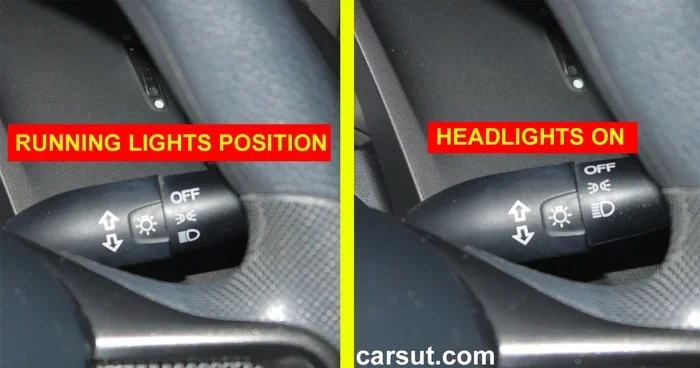
Even with automatic systems, every car has a manual light switch. This switch gives you full control over your vehicle lighting. It is usually located on the steering column or the dashboard console. A simple flick or twist lets you choose between different lighting modes.
The light switch typically has several positions:
- Off: All lights are disabled except daytime running lights if your car has them.
- Parking Lights: These are the small lights on the front and back of your car. They are useful when you park on a dim road.
- Auto: The car uses the light sensor to decide when to turn headlights on or off.
- Low Beam: The standard headlights for night driving and bad weather.
- High Beam: The brightest setting for driving on unlit roads with no oncoming traffic.
Knowing each position helps you make quick decisions while driving. For example, switching to high beam on a dark highway gives you more reaction time. Switching back to low beam when another car approaches keeps everyone safe.
Turn Signals and Brake Lights
Your lighting system is not just about seeing the road. It is also about being seen by others. Turn signals and brake lights are part of the same electrical network. When you flip the turn signal lever, a relay sends power to the blinking lights on the left or right side of the car.
Brake lights activate when you press the brake pedal. They warn the driver behind you that you are slowing down. Both systems rely on the same wiring harness and fuse box as your headlights. If one part of the system fails, it can sometimes affect other lights too.
Common Reasons Car Lights Fail to Turn On
There is nothing more frustrating than getting into your car and finding that the lights do not work. Most of the time, the problem is simple and easy to fix. Understanding common causes helps you troubleshoot quickly and get back on the road safely.
Blown Fuse
A blown fuse is the most common reason lights stop working. The fuse protects the circuit from too much current. When it blows, the power cannot reach the lights. Checking the fuse box is always the first thing you should do. Most cars have a diagram on the fuse box lid that tells you which fuse controls the headlights.
Burned-Out Bulb
Headlight bulbs do not last forever. Over time, the filament inside the bulb wears out and eventually breaks. A burned-out bulb means one headlight works and the other does not. Replacing a bulb is usually a simple job you can do at home with basic tools.
Faulty Relay Switch
The relay switch controls the flow of electricity to the headlights. If the relay fails, the lights will not turn on even if the bulbs and fuses are fine. A bad relay often causes all headlights to stop working at once. Replacing a relay is inexpensive and straightforward.
Wiring Harness Damage
The wiring harness connects every light to the electrical system. Over time, wires can fray, corrode, or get damaged from road debris. Damaged wiring can cause intermittent lighting problems or a complete failure. This is a more complex issue that may require a professional mechanic.
Bad Light Sensor
If your car has automatic headlights, a faulty light sensor can prevent them from turning on. The sensor might read bright light even when it is dark outside. Cleaning the sensor area on the dashboard can sometimes fix the problem. If not, you may need to replace the sensor.
Battery or Alternator Issues
Your car battery provides the power that lights need to function. A weak or dying battery may not supply enough current to activate the headlights. The alternator recharges the battery while you drive. If the alternator fails, the battery drains and lights may dim or stop working entirely.
Step-by-Step: How to Check Your Car Lights
Checking your car lights regularly keeps you safe and avoids tickets. It only takes a few minutes and requires no special tools. Here is a simple routine you can follow every month.
- Start the engine: Turn the key or press the start button. This activates the full lighting system.
- Walk around the car: Check each headlight, tail light, turn signal, and brake light one by one.
- Test the high beam: Flip the light switch to high beam and confirm both headlights glow brightly.
- Check the dashboard lights: Look at the instrument cluster. All indicator lights should illuminate when you turn the key.
- Test the auto-on feature: If your car has automatic headlights, cover the light sensor with your hand. The headlights should turn on.
- Replace any burned bulbs: If a light is out, replace the bulb or check the fuse before driving.
Making this a habit takes only a few minutes a month. It can save you from getting pulled over for a light out. More importantly, it keeps you and others safe on dark roads.
Expert Tips for Maintaining Your Vehicle Lighting
Taking care of your car lights goes beyond just replacing bulbs. Small habits can extend the life of your entire lighting system. Here are some expert tips that real mechanics recommend.
- Clean your headlights regularly: Dirt and grime on the lens reduce brightness. A quick wipe with a microfiber cloth makes a big difference.
- Replace bulbs in pairs: If one headlight burns out, the other is usually close behind. Replacing both at once ensures even lighting.
- Use the right bulb type: Check your owner manual for the correct bulb size and type. Using the wrong bulb can damage the socket.
- Check the alignment: Misaligned headlights blind oncoming drivers and reduce your visibility. Have a mechanic check the angle during oil changes.
- Keep the light sensor clean: Dust on the sensor can trick your auto-on system into keeping lights off. Wipe it gently with a soft cloth.
- Inspect wiring connections: Corroded connectors can cause flickering lights. A visual check under the hood can catch problems early.
These small steps add up over time. They keep your vehicle lighting system running strong for years. They also save you money on costly repairs down the road.
When to See a Professional
Most lighting problems are easy to fix. But some issues need a trained mechanic. If you have checked the fuses and bulbs and the lights still do not work, the problem may be in the wiring or the control module. A professional can run diagnostic tests to pinpoint the exact cause.
Also, if you notice flickering lights, dimming headlights, or warning symbols on the dashboard, do not ignore them. These signs often point to deeper electrical issues. Addressing them early prevents bigger problems and keeps you safe.
The Future of Car Lighting Technology
Car lighting technology is evolving fast. Automakers are constantly finding new ways to make headlights smarter and more efficient. The way do car lights turn on is changing right before our eyes.
Adaptive headlights are one of the most exciting innovations. These headlights swivel automatically as you turn the steering wheel. They light up the road around corners instead of just shining straight ahead. This technology significantly improves night driving safety.
LED and matrix LED headlights are also becoming standard in new cars. They use less energy than traditional bulbs and last much longer. Some systems can even dim specific sections of the headlight to avoid blinding oncoming traffic while keeping the rest of the road well lit.
Another trend is the integration of lighting systems with driver-assist technology. Cars can now communicate with other vehicles using light signals. This could help prevent accidents by making every driver on the road more aware of what is happening around them.
While these technologies are still developing, one thing stays the same. The basic process of how your lights turn on when you start the engine remains the same. Understanding that foundation helps you appreciate the technology and stay safe no matter what kind of car you drive.
Conclusion
The answer to how do car lights turn on is simpler than most people think. It all starts with the ignition switch sending a signal through the relay and fuse box. Power flows to every light in your vehicle, from the headlights to the dashboard indicators. Whether your car uses an automatic system or a manual switch, the process happens in a fraction of a second.
Understanding your vehicle lighting system gives you confidence as a driver. You can troubleshoot problems faster. You can make better decisions about when to use low beam, high beam, or parking lights. And you can keep your car safe and road-ready with simple maintenance habits.
Take a few minutes today to walk around your car and check all the lights. Replace any burned-out bulbs. Clean the sensors. Make sure the fuses are intact. These small actions go a long way in keeping you visible and safe every time you hit the road. Your car lights are your first line of defense in low-visibility driving. Treat them well, and they will keep you shining bright wherever the road takes you.
Frequently Asked Questions
Why do my headlights not turn on when I start the car?
The most common reason is a blown fuse or a burned-out bulb. Check the fuse box first to see if the headlight fuse is intact. If the fuse is fine, the bulb likely needs replacing. A faulty relay switch or a bad light sensor can also cause this problem in cars with automatic headlights.
How do automatic headlights know when to turn on?
Automatic headlights use a small light sensor located on the dashboard or near the windshield. This sensor measures the amount of ambient light outside the car. When it gets dark enough, the sensor sends a signal to the control module, which activates the headlights without you touching the switch.
Can I drive with one headlight out?
You can, but it is not safe or legal in most places. A single working headlight reduces your visibility and confuses other drivers. It can also result in a traffic ticket. Replace the bulb as soon as possible to stay safe and avoid fines.
What is the difference between low beam and high beam headlights?
Low beam headlights point downward and provide a shorter, wider spread of light. They are designed for normal night driving and urban areas. High beam headlights point straight ahead and give you a longer range of visibility. Use high beam only on dark roads with no oncoming traffic.
How often should I check my car lights?
You should check your car lights at least once a month. A quick walk-around takes only a few minutes. It is also a good habit to check them before any long road trip. Regular checks help you catch problems early and keep your vehicle lighting in top shape.
Do daytime running lights replace the need for headlights?
No, daytime running lights are not a replacement for headlights. They make your car more visible during the day but do not provide enough illumination for night driving. You still need to turn on your headlights when it gets dark or when visibility is poor due to rain, fog, or snow.