Chipped Windshield on a Car: What to Do Right Away
A chipped windshield on a car is more than just a cosmetic annoyance — it is a safety issue that can worsen fast if ignored. This guide covers everything you need to know, from immediate first-aid steps to deciding between repair and replacement. You will learn how to spot warning signs, estimate costs, and protect your vehicle before minor damage becomes a major expense.
You are driving down the highway, and suddenly you hear it. A small ping. A rock hits your windshield and leaves a tiny chip right in your line of sight. It is easy to shrug it off and keep driving. But here is the truth — a chipped windshield on a car is one of those problems that looks small now but can turn into a big headache fast.
Whether the damage came from a pebble on the freeway, a sudden temperature shift, or a stray object on a gravel road, the chip weakens your windshield. Your windshield is not just a piece of glass. It is a critical part of your vehicle’s structural support. It helps the roof stay in place during a rollover, and it keeps airbags deploying correctly. When that glass is compromised, your safety is at risk.
This article will walk you through exactly what to do when you notice a chipped windshield on a car. We will cover immediate steps, repair options, costs, and common mistakes to avoid. By the end, you will know exactly how to handle the situation like a pro.
Key Takeaways
- Act fast: A small chip can spread into a full crack within days if not treated promptly.
- Assess the damage: The size, depth, and location of the chip determine whether repair or replacement is needed.
- Check your insurance: Many auto policies cover windshield chip repair with little or no deductible.
- Avoid DIY fixes for serious damage: Cheap repair kits work only for minor chips, not deep or sprawling cracks.
- Temperature changes are dangerous: Extreme heat or cold can cause a chip to expand rapidly and worsen the windshield crack.
- Professional auto glass services offer the best results: They have the tools and expertise to restore structural support and clarity.
- Never delay treatment: Ignoring a chipped windshield on a car compromises visibility and puts you at risk on the road.
📑 Table of Contents
What Is a Chipped Windshield and Why It Matters
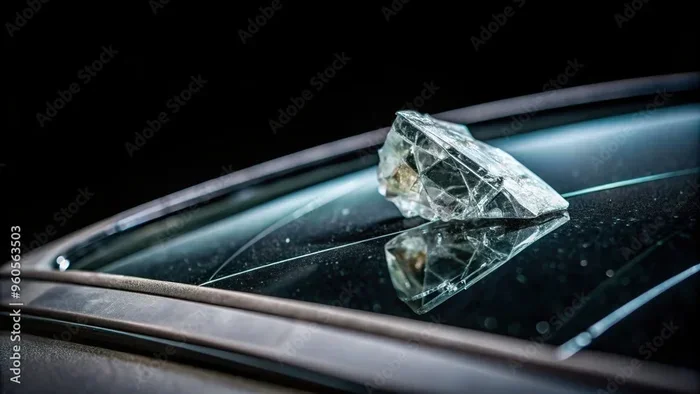
A chip on a windshield happens when a small object — usually a rock or piece of road debris — strikes the glass and removes a tiny piece of it. The result is a small nick or crater in the glass surface. It may look like a tiny dot or a slight indentation. But do not let the size fool you.
Even the smallest chip can grow. Over time, vibration, temperature changes, and everyday driving stress cause the damage to spread. What starts as a rock chip windshield can turn into a full windshield crack within days or weeks. Once a crack forms, the repair options become more limited and expensive.
Types of Windshield Chips
Not all chips are the same. Understanding the type of damage helps you decide the right next step.
- Bullseye chip: A circular damage pattern with a dark center. It looks like a tiny dartboard on the glass.
- Star break: Radiating lines spread outward from the impact point, like a star shape.
- Combination break: A mix of bullseye and star break features in one spot.
- Half-moon chip: A partial circle shape, often caused by angled impacts from road debris.
- Surface chip: Only the top layer of glass is damaged. These are usually the easiest to fix.
Each type of chip affects the windshield integrity differently. Surface chips are less urgent, but deeper chips that penetrate both layers of laminated glass need attention quickly. If you are unsure what kind of damage you have, a quick inspection by a professional auto glass technician can tell you exactly what you are dealing with.
Why a Chipped Windshield on a Car Is a Safety Issue
Your windshield does more than keep wind and bugs out of your face. It provides up to 45 percent of the structural strength in a front-end collision and up to 60 percent during a rollover. A chip weakens that structure. In a crash, a compromised windshield may shatter more easily or fail to hold the roof in place.
Visibility is another major concern. Even a small chip right in your direct line of sight can distort light and create glare. This becomes especially dangerous at night or in bright sunlight. Driving with impaired visibility is a safety hazard — not just for you but for everyone on the road.
Immediate Steps to Take After a Chip
So you just noticed a chip on your windshield. What should you do right now? The first few hours matter a lot. Acting quickly can prevent the damage from spreading and save you money on a full windshield replacement.
Step 1: Pull Over Safely and Assess the Damage
Find a safe spot to pull over. Do not try to inspect the chip while driving. Once you are stopped, look closely at the damage. Use your phone flashlight to get a good look at the size and depth of the chip.
- Is the chip smaller than a quarter?
- Is it only on the outer layer of glass?
- Is it outside your direct line of sight?
If you answered yes to all three, you likely have a good chance of repairing it rather than replacing the whole windshield. If the chip is deep, large, or directly in your driving path, you should consider replacement sooner rather than later.
Step 2: Cover the Chip Temporarily
Dust, dirt, and moisture can enter the chip and make repair harder later. A simple fix is to place a small piece of clear tape over the damaged area. This keeps debris out until you can get it professionally fixed. Do not use dark or opaque tape — you still need clear visibility through the glass.
Step 3: Avoid Temperature Extremes
Extreme temperature changes are one of the fastest ways to turn a small chip into a spreading crack. Do not blast your car’s heater or air conditioner directly on the chipped area. Park in the shade when possible. In winter, avoid pouring hot water on the windshield to melt ice. These sudden temperature changes stress the glass and worsen the chip.
Step 4: Contact a Professional or Your Insurance
Call a local auto glass repair shop or check with your insurance provider. Many insurance policies include glass coverage with no deductible for windshield chip repair. This means you might get the fix done for free. It is always worth checking before you pay out of pocket.
Repair vs. Replace: How to Decide
The biggest question most drivers face is whether to repair the chip or replace the entire windshield. The answer depends on several factors. Let us break them down so you can make a smart decision.
When Repair Is the Right Choice
Windshield chip repair works best when the damage is small and shallow. Here are the general guidelines for choosing repair:
- The chip is smaller than three inches across.
- The damage is on the outer layer only.
- The chip is not in the driver’s direct line of sight.
- There are no multiple chips in the same area.
- The damage is less than 24 hours old.
A professional windshield repair can often be done in under 30 minutes. The technician injects a special resin into the chip, cures it with UV light, and polishes the surface. The result is a nearly invisible fix that restores the windshield’s structural support and clarity.
When Replacement Is Necessary
Sometimes repair is not enough. Replacement becomes the safer option when:
- The chip is larger than three inches.
- The damage goes through both layers of the glass.
- The chip is directly in the driver’s line of sight.
- There are multiple chips or cracks spreading from the original point.
- The windshield edge is damaged, which can affect the seal.
A full windshield replacement is more expensive, but it restores the full structural integrity of your vehicle. A professional technician will remove the old glass, install a new OEM-quality windshield, and ensure the seal is airtight. This protects your vehicle’s safety features and your wallet in the long run.
Comparison Table: Repair vs. Replacement
| Factor | Repair | Replacement |
|---|---|---|
| Cost | $50 – $150 | $200 – $400+ |
| Time Required | 30 minutes or less | 1 – 2 hours |
| Best For | Small, shallow chips | Large, deep, or spreading damage |
| Insurance Coverage | Usually fully covered | Often covered with glass clause |
| Structural Restore | Partial | Full |
| Visibility Impact | Minimal after repair | Fully restored with new glass |
| DIY Possible | Yes (minor chips only) | No — requires professional install |
As you can see, repair is faster, cheaper, and less invasive. But when the damage is beyond repair, replacement is the only safe choice. Do not try to save a few dollars by ignoring a serious chip. A failing windshield is a serious safety hazard.
Cost of Fixing a Chipped Windshield on a Car
Cost is always a concern when it comes to auto glass repair. The good news is that fixing a chip is usually much cheaper than replacing the whole windshield. But the exact price depends on several factors.
What Affects the Cost?
Several things determine how much you will pay for a chipped windshield on a car repair:
- Size and depth of the chip: Larger and deeper chips require more work and materials.
- Location on the windshield: Chips near the edge or in the driver’s sight line are harder to fix and may cost more.
- Type of chip: A simple bullseye is easier to repair than a complex combination break.
- Your location: Auto glass repair costs vary by region and shop.
- Insurance coverage: If your policy includes glass coverage, your out-of-pocket cost may be zero.
Does Insurance Cover Windshield Chip Repair?
Most comprehensive auto insurance policies include glass coverage. This means windshield chip repair is often fully covered with no deductible. Even if your policy has a deductible, the repair cost is usually lower than the deductible amount, making it essentially free for you.
Check with your insurance provider before booking a repair. Many shops will handle the insurance claim for you directly, so all you need to do is show up and let them do the work.
DIY Windshield Repair Kits: Do They Work?
You have probably seen windshield chip repair kits at the auto parts store or online. They promise quick fixes for under $20. These kits include a resin, a curing tool, and basic instructions. For very small, shallow surface chips, they can work okay.
But here is the catch. DIY kits do not match the quality of a professional repair. The resin is usually lower grade, the curing process is less precise, and the final result may have visible blemishes. For anything beyond a tiny surface nick, a professional auto glass service will give you far better results.
If you do try a DIY kit, follow the instructions exactly. Clean the area thoroughly, apply the resin carefully, and cure it for the full recommended time. And remember — a DIY fix is not a permanent solution. Have a professional inspect the repair to make sure it holds up.
Quick Tips and Common Mistakes to Avoid
Dealing with a chipped windshield on a car can be stressful, but a few smart moves can make a huge difference. Here are some quick tips and mistakes to steer clear of.
Quick Tips for Chip Damage
- Cover the chip with clear tape to keep dirt and moisture out until you can get it repaired.
- Avoid driving through construction zones where loose gravel and debris are common.
- Wash your car gently around the chipped area. High-pressure water can force dirt into the damage.
- Get the repair done within 24 to 48 hours for the best results and lowest cost.
- Keep your insurance card handy so you can confirm glass coverage before booking.
- Ask the repair shop if they offer a warranty on their work. Good shops stand behind their repairs.
Common Mistakes People Make
Here are some things drivers often do wrong when they notice a chip:
- Ignoring it: This is the biggest mistake. A small chip can spread into a full windshield crack very quickly, especially with temperature changes and road vibration.
- Using the wrong tape: Dark or opaque tape blocks your view and can cause safety issues. Always use clear, breathable tape.
- Applying heat directly: Parking in direct sunlight or blasting the heater on the chipped area can cause the glass to expand and the chip to spread.
- Trying to fix a big chip yourself: DIY kits are only for minor damage. Using one on a large or deep chip wastes time and money.
- Delaying because of cost fears: Most insurance covers chip repair for free. Even without insurance, a small repair costs far less than a full replacement.
- Choosing the cheapest shop without checking reviews: Quality matters when it comes to auto glass. A poor repair job can compromise your safety.
Expert Insights on Windshield Damage
Auto glass professionals agree on one thing: time is the enemy of a chipped windshield. The longer you wait, the more moisture, dust, and stress work their way into the damage. According to industry experts, a chip that is repaired within the first day or two has a success rate of over 90 percent. After a week, that success rate drops significantly.
Experts also emphasize that the windshield plays a bigger role in crash safety than most people realize. It is not just a window — it is part of the vehicle’s crash protection system. A properly repaired or replaced windshield ensures that your car’s safety features work as designed in the event of an accident.
When a Chip Becomes a Serious Problem
Sometimes a chip that seemed minor at first starts to change. Knowing the warning signs of a worsening windshield crack can help you act before the damage becomes unreparable.
Warning Signs Your Chip Is Getting Worse
- The chip has developed visible cracks radiating outward.
- You can feel the chip with your fingernail — this means it is deep.
- The damage has spread across more than a few inches of glass.
- You notice moisture or dirt inside the chip itself.
- The chip is in your direct line of sight and causing glare or distortion.
- The damage appeared after exposure to extreme temperature change.
If you notice any of these signs, do not wait. Contact a professional auto glass service immediately. A spreading crack means the windshield’s structural support is failing, and driving with that damage is a real safety hazard.
How Weather Affects Windshield Chips
Weather plays a bigger role in windshield damage than most drivers realize. Hot summer days cause the glass to expand, which can push a chip outward. Cold winter temperatures cause the glass to contract, pulling the chip inward. When temperatures swing rapidly — like going from a warm garage to freezing outdoor air — the stress on the glass can turn a small chip into a long crack overnight.
If you live in an area with harsh weather, be extra vigilant about even the smallest windshield damage. Park in a garage or covered area when possible, and avoid sudden temperature changes on your windshield.
Preventing Future Windshield Damage
You cannot always prevent a rock from hitting your windshield. But you can reduce the risk significantly with a few smart habits.
- Keep a safe distance from trucks and vehicles carrying loose loads. Road debris is the number one cause of windshield chips.
- Avoid driving closely behind construction vehicles that kick up gravel and rocks.
- Use your car’s covered parking whenever possible, especially during storms or high-wind days.
- Replace worn windshield wipers regularly. Damaged wipers can scratch the glass surface over time.
- Be cautious on gravel roads and slow down when following other vehicles on unpaved surfaces.
- Invest in a quality windshield sun shade to reduce thermal stress during hot weather.
Good vehicle maintenance includes caring for your auto glass. A little prevention goes a long way toward avoiding a costly windshield crack or replacement.
Conclusion
A chipped windshield on a car is not something you should ignore or put off. It is a safety issue, a visibility issue, and a cost issue all at once. The sooner you address it, the better your chances of a simple, affordable repair instead of a full replacement.
Remember to act quickly, assess the damage honestly, and seek professional help when needed. Check your insurance coverage — you might be surprised at how much is already included. And above all, do not let a small chip turn into a dangerous windshield crack that puts you and your passengers at risk.
Take care of your windshield today. It protects you every time you get behind the wheel. A small chip is a small problem — but only if you handle it right away.
Frequently Asked Questions
Can I drive with a chipped windshield on a car?
You can drive short distances with a small chip, but it is not recommended for long trips. The chip can spread quickly due to vibration and temperature changes. If the chip is in your direct line of sight, it impairs visibility and creates a safety hazard. Have it repaired as soon as possible.
How long does a windshield chip repair take?
A professional windshield chip repair typically takes 30 minutes or less. The technician cleans the damaged area, injects a specialized resin, cures it with UV light, and polishes the surface. It is a quick, painless process that can save you from a much more expensive replacement.
Will my insurance cover a chipped windshield repair?
Most comprehensive auto insurance policies include glass coverage that fully pays for windshield chip repair, often with no deductible. Check with your insurance provider to confirm your specific coverage. Many repair shops will also handle the insurance claim process for you directly.
How much does it cost to repair a chipped windshield?
Windshield chip repair typically costs between $50 and $150 without insurance. The exact price depends on the size, depth, and location of the chip. With insurance glass coverage, the repair is often free for the driver. Always get a quote before paying out of pocket.
Can a DIY chip repair kit fix a large crack?
No. DIY repair kits are designed only for very small, shallow surface chips. They will not work on large cracks, deep chips, or damage that goes through both layers of glass. Attempting to use a DIY kit on serious damage wastes time and money and can make the problem worse. Always consult a professional for significant windshield damage.
What happens if I ignore a chipped windshield?
Ignoring a chipped windshield is risky. The damage can spread quickly due to temperature changes, road vibration, and moisture entering the chip. A small repair can turn into a full windshield crack that requires expensive replacement. Worse, a compromised windshield weakens your vehicle’s structural support and can reduce the effectiveness of airbags and roof integrity in a crash. Always address windshield chips promptly.