Chipped Windshield on a Car Dont Let It Get Worse
A chipped windshield on a car might seem small, but it can turn into a serious safety issue fast. This guide covers everything you need to know about windshield chip repair, costs, DIY fixes, and when to seek professional help. Don’t let a tiny rock chip become a cracked windshield that needs full replacement.
You are driving down the highway, and suddenly a small rock hits your windshield. You hear a tiny tap. You glance over and see a little chip. It is not big. You think, “I will deal with that later.”
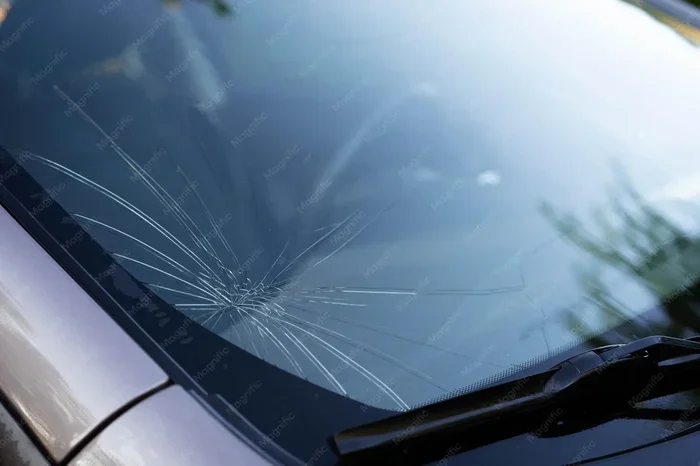
But here is the thing. That small chipped windshield on a car can turn into a major problem faster than you think. A tiny rock chip can spread across your auto glass in just a few days. Heat, cold, bumps, and even vibrations from driving can make it grow. What starts as a simple rock chip can become a full windshield crack that blocks your view.
This article will walk you through everything you need to know about a chipped windshield on a car. We will cover causes, repair options, costs, and how to stop the damage from getting worse. By the end, you will know exactly what to do and why you should not wait.
Key Takeaways
- Act Fast: A chipped windshield can spread quickly due to temperature changes and road vibrations.
- Repair Is Cheaper: Windshield chip repair costs far less than a full windshield replacement.
- Check Your Insurance: Many auto insurance policies cover windshield chip repair with no deductible.
- DIY Kits Work for Small Chips: Resin injection kits can fix minor chips at home if caught early.
- Safety First: A damaged windshield weakens your car’s structural integrity and reduces visibility.
- Prevention Helps: Simple habits like maintaining distance from trucks can prevent future windshield damage.
📑 Table of Contents
- What Is a Chipped Windshield on a Car and Why It Matters
- Common Causes of a Chipped Windshield on a Car
- How to Tell If Your Windshield Chip Needs Immediate Attention
- DIY Fixes and Professional Repair Options
- How Much Does It Cost to Fix a Chipped Windshield on a Car
- Preventing Further Damage to Your Windshield
- Key Takeaways
- Conclusion
What Is a Chipped Windshield on a Car and Why It Matters
A chipped windshield happens when a small piece of your safety glass gets knocked out. This usually comes from road debris like rocks, gravel, or sand. Trucks and construction vehicles are the biggest culprits. Even a tiny pebble at highway speeds can chip your glass.
Your windshield is not just a flat piece of glass. It is made of laminated safety glass. This means two layers of glass with a plastic layer in between. That design keeps the windshield from shattering into pieces during a crash. But when a chip forms, it weakens that structure.
Here is why it matters. Your windshield plays a big role in your car’s structural integrity. In a rollover accident, the windshield helps support the roof. A damaged windshield cannot do its job properly. A chipped windshield on a car also affects your visibility while driving. Even a small chip can catch the light and create glare. This can make it harder to see, especially at night or in bright sunlight.
Many people ignore a small chip. They think it is not a big deal. But the truth is, a chip is the early stage of a crack. Once a crack starts, repair becomes harder and more expensive. The best time to fix a windshield chip is right away, while it is still small.
Types of Windshield Chips
Not all chips are the same. There are several common types you might see on your auto glass:
- Bullseye Chip: A round chip with a dark circle in the center. It looks like a target.
- Half-Moon Chip: Similar to a bullseye but not fully round. It has a curved edge.
- Star Break: A chip with tiny cracks radiating outward like a star shape.
- Combination Break: A mix of a bullseye and star break. These are more complex.
- Surface Chip: A shallow chip that only affects the top layer of glass.
Each type of windshield chip repair needs a different approach. A surface chip is the easiest to fix. A combination break might need professional attention. Knowing what kind of chip you have helps you decide the next step.
Common Causes of a Chipped Windshield on a Car
Understanding what causes a chipped windshield on a car can help you prevent future damage. Here are the most common reasons:
Road Debris and Gravel
This is the number one cause. When you drive behind trucks, especially semi-trucks and construction vehicles, they kick up rocks and debris. These small stones hit your windshield at high speed. Even a tiny stone can chip your glass. This is especially true on highways and interstate roads where speeds are higher.
Temperature Changes
Sudden temperature swings can stress your auto glass. On a hot summer day, you splash cold water on a hot windshield. Or you blast hot air on a freezing cold glass in winter. These rapid changes cause the glass to expand and contract. Over time, this can turn a small chip into a crack.
Driving on Unpaved Roads
Gravel roads, dirt paths, and construction zones are full of loose debris. If you drive on these roads often, your windshield takes a beating. Loose gravel and sand fly up and hit your glass constantly. Even low speeds can cause chips on unpaved surfaces.
Construction Zones
Construction vehicles carry loose materials. Rocks, cement chunks, and gravel fall from trucks regularly. If you drive through or near construction zones, the risk of a rock chip increases a lot. Always keep extra distance from construction vehicles.
Weather and Storms
Hail storms can cause multiple chips or even full cracks. Heavy rain also throws up debris at high speed. Wind storms can blow loose objects onto the road, and your car hits them first. Severe weather is a common reason for windshield damage.
Tailgating
Driving too close to the car in front of you is dangerous for more reasons than one. It reduces your reaction time and puts you right in the path of debris kicked up by the vehicle ahead. Maintaining a safe following distance is one of the best ways to protect your windshield.
How to Tell If Your Windshield Chip Needs Immediate Attention
Not every chip needs urgent repair. But some chips can get worse very quickly. Here is how to tell if your chipped windshield on a car needs immediate attention.
Size Matters
A chip smaller than a quarter is usually repairable. If the chip is larger than a quarter, it may need a full windshield replacement. Size is the first thing to check. The bigger the chip, the more likely it is to spread.
Location of the Chip
Where the chip sits on your auto glass matters a lot. A chip in the driver’s direct line of sight is a safety problem. Even a small chip in that spot can cause glare and distortion. Chips near the edge of the windshield are also more dangerous. The edge is where the glass gets the most stress. A chip there can spread into a crack much faster.
Depth of the Chip
A surface chip only damages the outer layer of glass. A deep chip goes through both layers. Deep chips are harder to repair and more likely to spread. If you can feel the chip with your fingernail, it is probably deep enough to need professional attention.
Signs the Chip Is Spreading
Watch for these warning signs that your windshield chip is getting worse:
- Tiny cracks branching out from the chip
- The chip turning into a visible line
- Feeling a slight bump with your finger over the chip
- Glare or distortion getting worse over time
- The chip changing color or becoming darker
If you notice any of these signs, do not wait. Get your windshield chip repair done as soon as possible.
Quick Tips to Stop a Chip From Spreading
While you wait for a repair appointment, you can take a few simple steps:
- Avoid extreme temperature changes. Do not blast hot or cold air directly on the chipped area.
- Park indoors or in the shade when possible.
- Avoid driving on rough or gravel roads.
- Place a small piece of clear tape over the chip to keep dirt and moisture out.
- Drive smoothly and avoid sudden bumps or hard braking.
These tips are not permanent fixes. But they can buy you time and prevent the chip from spreading while you arrange for windshield repair.
DIY Fixes and Professional Repair Options
When you have a chipped windshield on a car, you have two main options: fix it yourself or visit a professional. Both have their pros and cons.
DIY Windshield Chip Repair Kits
You can buy chip repair kits at most auto parts stores or online. These kits usually include a resin, a curing tool, and instructions. The idea is simple. You fill the chip with resin, then use UV light to cure it. The resin hardens and bonds with the glass, stopping the chip from spreading.
DIY kits work well for small, surface-level chips. They are affordable, usually between 10 and 30 dollars. And you can do the repair in your driveway. But there are limits. DIY kits do not work well for deep chips, large chips, or chips in the driver’s line of sight.
Here is how to use a DIY chip repair kit:
- Clean the chip area with the included alcohol pad.
- Place the mounting bracket over the chip.
- Fill the chip with the clear resin using the syringe.
- Place the curing strip over the resin.
- Use the UV light to cure the resin for about two minutes.
- Remove the bracket and scrape off any excess resin with a razor blade.
- Let it cure in sunlight for a few more minutes.
A DIY repair can make the chip less visible. It can also stop the spread. But it is not a permanent professional fix. The chip may still be noticeable, especially in direct sunlight.
Professional Windshield Repair Services
Professional windshield chip repair is the best option for most chips. A trained technician uses a special drill to create a tiny channel inside the chip. Then they inject a high-quality resin into the channel. A UV light cures the resin, bonding it to the glass.
Professional repair offers several advantages:
- Better Results: The resin fills the chip more completely and evenly.
- Stronger Bond: Professional-grade resin creates a stronger bond than DIY kits.
- Improved Clarity: The repaired area is much less visible.
- Warranty: Most shops offer a warranty on their repair work.
- Speed: A professional repair usually takes less than 30 minutes.
Many mobile auto glass services come to your location. You can get your chipped windshield on a car repaired at your home or office. This is very convenient and saves you time.
When to Choose Replacement Over Repair
Sometimes a windshield chip is too big or too deep to repair. Here are signs you need a full windshield replacement:
- The chip is larger than a quarter.
- The crack has already spread more than three inches.
- The damage is in the driver’s direct line of sight.
- The chip is at the edge of the windshield.
- Multiple chips or cracks are present.
- The damage goes through both layers of glass.
A windshield replacement costs more than a repair. But it restores your glass to full strength and clarity. A professional can tell you during an inspection whether repair or replacement is the right choice.
How Much Does It Cost to Fix a Chipped Windshield on a Car
Cost is always a concern when dealing with auto glass damage. The good news is that fixing a chipped windshield on a car is usually affordable, especially compared to a full replacement.
Average Repair Costs
For a standard windshield chip repair, you can expect to pay between 50 and 100 dollars. If you use a DIY kit, the cost drops to 10 to 30 dollars. Professional repair is a bit more, but the results are much better and longer-lasting.
Average Replacement Costs
If your windshield needs full replacement, the cost is higher. A standard replacement ranges from 150 to 400 dollars. Premium or OEM windshields can cost 500 or more. The price depends on your car make and model, the type of glass, and where you live.
Does Insurance Cover Windshield Repair?
Many auto insurance policies cover windshield chip repair with no deductible. This is because chips are considered low-risk claims. Full windshield replacement may also be covered, but you might need to pay a deductible. Check with your insurance provider to understand your coverage.
Some insurance companies even offer glass repair as part of comprehensive coverage. This can save you a lot of money. Always file a claim before the chip spreads. A small claim is much cheaper for your insurance than a full replacement.
Preventing Further Damage to Your Windshield
Once you have fixed your chipped windshield on a car, you want to make sure it does not happen again. Here are some practical tips to protect your auto glass:
Maintain Safe Following Distance
Keep at least a three-second following distance from the vehicle ahead of you. This gives you more time to react and less chance of rocks hitting your windshield. The three-second rule is simple. Pick a fixed point on the road. When the car ahead passes it, count three seconds. If you pass the same point before three seconds, you are too close.
Avoid Driving Behind Construction Trucks
Construction vehicles carry loose gravel and debris. Keep extra distance from these vehicles. If you can safely change lanes, do so. This simple habit can prevent a lot of windshield damage.
Use a Windshield Protector
A windshield protector or sun shade can help. It keeps your auto glass cooler in summer and warmer in winter. This reduces the stress caused by temperature changes. Some protectors also shield the windshield from direct sun, which can help prevent chips from spreading.
Avoid Driving on Unpaved Roads When Possible
If you can, stick to paved roads. Unpaved and gravel roads throw up a lot of debris. If you must drive on gravel roads, slow down and keep distance from vehicles ahead of you.
Keep Your Windshield Clean
A clean windshield is easier to inspect for chips. Make it a habit to check your windshield during regular car washes. Catching a chip early makes repair much easier and cheaper.
Fix Chips Before Winter
Cold weather is tough on windshield chips. The freezing temperatures can cause a small chip to crack. If you live in a cold climate, get your chips repaired before winter arrives. This is one of the best ways to prevent windshield crack spread during the cold months.
Expert Insight
According to auto glass professionals, the most common mistake people make is ignoring a small chip. They think it is harmless. But temperature changes, road vibrations, and moisture can all cause a chip to spread within days. The key message from experts is simple: fix it early, fix it cheap, and keep your chipped windshield on a car from becoming a cracked windshield that needs full replacement.
Key Takeaways
- Act Fast: A chipped windshield can spread quickly due to temperature changes and road vibrations.
- Repair Is Cheaper: Windshield chip repair costs far less than a full windshield replacement.
- Check Your Insurance: Many auto insurance policies cover windshield chip repair with no deductible.
- DIY Kits Work for Small Chips: Resin injection kits can fix minor chips at home if caught early.
- Safety First: A damaged windshield weakens your car’s structural integrity and reduces visibility while driving.
- Prevention Helps: Simple habits like maintaining distance from trucks can prevent future windshield damage.
Conclusion
A chipped windshield on a car is not something to ignore. It might look small and harmless right now. But without proper care, it can grow into a painful crack that blocks your view and weakens your car’s structure. The good news is that fixing a chip is quick, affordable, and easy.
Whether you choose a DIY chip repair kit or visit a professional, the most important step is to act now. The longer you wait, the more likely the chip is to spread. And once a crack forms, your options become more limited and more expensive.
Check your auto glass regularly. Know the signs of a spreading chip. Understand your insurance coverage. And take simple steps to protect your windshield from future damage. A little attention today can save you a lot of money and hassle tomorrow.
Your windshield keeps you safe on every drive. Treat it with care, and it will take care of you. Do not let a small chip turn into a big problem. Fix your chipped windshield on a car today, and drive with confidence tomorrow.
Frequently Asked Questions
Can I drive with a chipped windshield on a car?
You can drive with a small chip, but it is not recommended. A chip can spread quickly and reduce your visibility. It also weakens the structural strength of your windshield. If the chip is in your direct line of sight, you should get it repaired right away to stay safe on the road.
How long does a windshield chip repair take?
A professional windshield chip repair usually takes less than 30 minutes. DIY repairs can take a bit longer, around one hour, including curing time. Most mobile repair services come to your location and complete the job in under half an hour.
Will a chipped windshield get worse over time?
Yes, a chipped windshield on a car will likely get worse if left untreated. Temperature changes, road vibrations, and moisture can all cause the chip to spread into a crack. The longer you wait, the harder and more expensive the repair becomes. Acting quickly is the best way to prevent further damage.
Does insurance cover windshield chip repair?
Many auto insurance policies cover windshield chip repair with no deductible. This is because chip repairs are low-cost and low-risk claims. Check with your insurance provider to confirm your coverage. Filing a claim early can save you from paying for a full windshield replacement out of pocket.
How much does it cost to repair a chipped windshield?
A professional windshield chip repair typically costs between 50 and 100 dollars. DIY repair kits cost 10 to 30 dollars. The price depends on the size, type, and location of the chip. If the chip has already spread into a crack, the cost of windshield replacement will be higher, ranging from 150 to 400 dollars or more.
Can a DIY chip repair kit fix a large chip?
DIY kits work best for small, surface-level chips. A large or deep chip usually needs professional repair. If the chip is bigger than a quarter or located in the driver’s line of sight, a professional should handle the repair. Attempting a DIY fix on a large chip may not hold and could lead to a full windshield replacement later.