Can a Truck Last 1 Million Miles And How To Make It Happen
So, can a truck last 1 million miles? The answer is a resounding yes, and it happens more often than you think. With the right truck maintenance schedule, smart driving habits, and a reliable model, hitting the million mile mark is entirely possible. This guide breaks down everything you need to know about truck longevity and how to make your vehicle endure for years.
Can a truck last 1 million miles? The short answer is absolutely yes. But the real question is how — and why some trucks make it while others don’t.
For years, people assumed a truck was “done” after 200,000 miles. That thinking is outdated. Today, trucks are built stronger, engines are more advanced, and owners are more informed about vehicle maintenance. There are countless stories of pickup trucks and semis logging over a million miles without major issues.
Whether you own a work truck, a fleet vehicle, or your daily driver, this guide will show you what it takes to push your truck odometer past the million-mile mark. We will cover which trucks last longest, the maintenance habits that matter, and the mistakes that shorten engine life.
The journey to a million miles starts with understanding how trucks age, what parts wear out first, and how to stay ahead of problems. Let us dive in.
Key Takeaways
- Million-mile trucks are real: Many trucks have crossed the 1 million mile threshold with proper care.
- Diesel engines shine: Diesel powertrains tend to last significantly longer than gasoline engines.
- Maintenance is everything: Staying on top of oil changes, fluid flushes, and part replacements makes all the difference.
- Driving habits matter: Gentle acceleration, avoiding overloading, and regular short trips extend engine life.
- Certain brands lead: Toyota, Chevrolet, and Ford have proven track records for high-mileage durability.
- Cost vs. reward is worth it: A well-maintained million-mile truck can save thousands compared to buying new.
- Know the warning signs: Catching problems early prevents costly breakdowns at high mileage.
📑 Table of Contents
- The Reality of Million-Mile Trucks
- Which Trucks Can Hit 1 Million Miles
- Essential Maintenance Habits for Million-Mile Trucks
- Common Problems at High Mileage
- How to Extend Your Truck’s Life
- Is a Million-Mile Truck Worth the Investment
- Expert Insights on Truck Longevity
- Quick Tips for Million-Mile Success
- Conclusion
The Reality of Million-Mile Trucks
When people ask “can a truck last 1 million miles,” they often do not realize how common it actually is. Long-haul truckers, delivery drivers, and fleet operators see million-mile vehicles every day. These trucks were not lucky — they were well maintained.
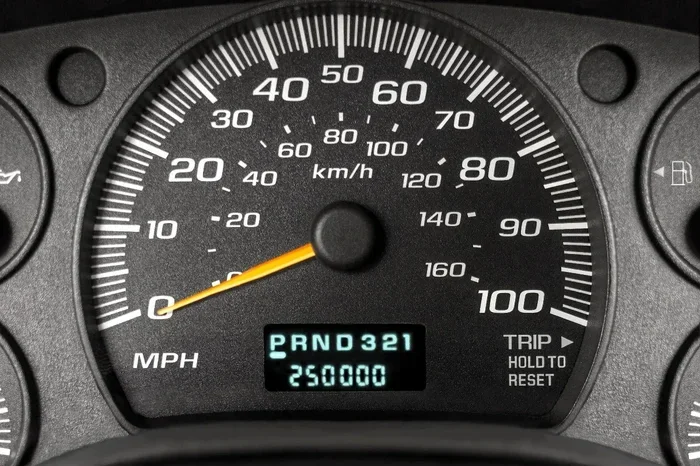
A high mileage truck is not a fluke. It is the result of consistent care, smart driving, and choosing the right vehicle from the start. The average American drives about 13,000 miles per year. At that rate, reaching 1 million miles takes roughly 77 years. But many fleet trucks and work vehicles rack up 50,000 to 100,000 miles annually, making the million-mile goal much more realistic within a 10 to 20 year span.
Why Modern Trucks Last Longer
Truck manufacturers have made huge strides in truck durability over the past few decades. Here is why today’s trucks are built to go the distance:
- Better materials: Modern engines use stronger alloys and advanced metallurgy that resist wear.
- Improved lubricants: Synthetic oils and premium lubricants reduce friction and heat buildup.
- Computerized monitoring: Onboard diagnostics alert drivers to problems before they become serious.
- Tighter manufacturing tolerances: Engines are built with more precision, meaning fewer weak points.
- Advanced cooling systems: Better radiators and coolant formulas prevent overheating damage.
All of these factors contribute to truck longevity. The trucks of the 1970s and 80s were tough, but modern engineering has taken vehicle lifespan to a whole new level.
Which Trucks Can Hit 1 Million Miles
Not all trucks are created equal when it comes to truck reliability. Some models are practically built to run forever. Others struggle to reach 200,000 miles without major issues. Here is a closer look at which trucks have the best reputation for extreme mileage.
Diesel vs. Gasoline Engines
One of the biggest factors in truck longevity is the type of engine. Diesel engines and gasoline engines age very differently.
Diesel engines are known for their robustness. They operate at lower RPMs, which reduces internal wear. The fuel injection systems are built to handle high compression, and the overall design prioritizes durability over raw power. Many diesel trucks routinely hit 500,000 miles before needing a major engine overhaul.
Gasoline engines have improved dramatically, but they still generally have a shorter lifespan than diesel. The higher RPMs and combustion pressures take a toll over time. That said, a well-maintained gasoline truck can still reach impressive mileage.
Top Truck Models for Million-Mile Milestones
Some brands and models have earned legendary status for their staying power. Here are the trucks most likely to reach 1 million miles:
- Toyota Tundra: Toyota’s reputation for reliability extends to the Tundra. Many owners report crossing 300,000 miles with only routine maintenance.
- Chevrolet Silverado (Duramax Diesel): The Duramax engine is a powerhouse known for lasting well beyond 500,000 miles.
- Ford F-Series (Power Stroke Diesel): The 6.0L and 6.4L Power Stroke engines, when properly maintained, have documented cases of exceeding 1 million miles.
- Ram 2500/3500 (Cummins Diesel): The Cummins engine is a favorite among long-haul truckers for its sheer endurance.
- Toyota Tacoma: This midsize pickup has a strong following of owners who keep them for decades.
These models share common traits: strong engines, available diesel options, and a reputation for truck durability. When shopping for a vehicle that can go the distance, these are the names to watch.
Essential Maintenance Habits for Million-Mile Trucks
Here is the truth: a truck does not magically last 1 million miles on its own. It takes discipline, planning, and a commitment to preventive maintenance. The owners who reach the million-mile mark follow a few key habits religiously.
Stick to a Strict Maintenance Schedule
The foundation of truck longevity is a consistent maintenance routine. Every truck owner should follow the manufacturer’s recommended truck maintenance schedule to the letter. Here are the non-negotiables:
- Oil changes every 5,000 to 7,500 miles: Fresh oil keeps the engine lubricated and reduces friction. For diesel trucks, some owners go longer, but staying conservative is smart.
- Transmission fluid flushes every 60,000 miles: Clean transmission fluid prevents overheating and extends the life of internal components.
- Coolant system flushes every 2 years: Old coolant loses its protective properties and can cause corrosion inside the engine block.
- Brake fluid replacement every 2 years: Brake fluid absorbs moisture over time, which reduces braking performance.
- Spark plug replacement per the manual: Worn spark plugs reduce fuel efficiency and engine performance.
Skipping even one of these services can accelerate wear on critical components. The cost of routine maintenance is a fraction of what a major repair costs.
Monitor Your Fluids and Filters
Fluids are the lifeblood of any vehicle. Checking them regularly takes only a few minutes but pays off enormously. Here is what to watch:
- Engine oil: Check the dipstick monthly. Look for dark color or metal particles, which signal wear.
- Transmission fluid: Should be reddish and smell slightly sweet. Dark or burnt fluid means it is time for a change.
- Coolant: Check the reservoir level regularly. Low coolant can lead to overheating.
- Power steering fluid: Low fluid causes strain on the pump and steering components.
- Air filters: Dirty air filters reduce engine performance and fuel economy.
Replacing filters is cheap insurance against bigger problems. A clogged air filter forces the engine to work harder, which increases wear over time.
Common Problems at High Mileage
Even the best-maintained trucks face issues as the truck odometer climbs. Understanding what goes wrong at high mileage helps you stay prepared and catch problems early.
Engine Wear and Tear
After hundreds of thousands of miles, engine components naturally begin to wear. Common signs include:
- Increased oil consumption
- Slight loss of power
- Minor oil leaks from seals and gaskets
- Increased engine noise or knocking
These issues do not mean the end of the road. An engine overhaul can restore performance and extend the life of the truck by another 200,000 miles or more. Many owners choose to rebuild rather than replace because the cost is significantly lower.
Transmission Challenges
The transmission is one of the most expensive components to repair or replace. At high mileage, common transmission problems include:
- Slipping between gears
- Delayed engagement when shifting
- Fluid leaks from seals
- Overheating during heavy towing
A transmission rebuild is often more cost-effective than a full replacement. Regular fluid changes go a long way in preventing these issues.
Suspension and Steering Components
All those miles on the road take a toll on the suspension system. Worn shocks, struts, and bushings are common at high mileage. Steering components like tie rods and ball joints also wear out over time. The good news is that these parts are relatively affordable to replace compared to engine or transmission work.
How to Extend Your Truck’s Life
Wondering how to push your truck past the expected lifespan? The following tips come from owners who have successfully kept their vehicles running well past 500,000 miles.
Drive Smart
How you drive has a direct impact on truck durability. Aggressive driving habits accelerate wear on the engine, transmission, and brakes. Here are some driving tips that add miles to your truck’s life:
- Accelerate smoothly: Avoid jackrabbit starts that strain the engine and drivetrain.
- Maintain steady speeds: Cruise control on highways reduces unnecessary speed fluctuations.
- Avoid overloading: Exceeding the truck’s payload capacity puts extra stress on the suspension, brakes, and engine.
- Warm up the engine: Let the truck idle for a minute or two before driving hard, especially in cold weather.
- Downshift when towing: Use lower gears to reduce strain on the engine during heavy loads.
Address Problems Immediately
One of the biggest mistakes truck owners make is ignoring warning signs. A small leak, a strange noise, or a check engine light might seem minor, but they can signal serious underlying issues. Catching problems early is the single most effective way to keep repair costs low and extend the truck’s life.
Set a reminder to inspect your truck visually every week. Look for fluid puddles under the vehicle, check tire wear, and listen for unusual sounds during driving. These simple habits take minutes but save thousands of dollars over the life of the vehicle.
Keep Detailed Records
Every service, repair, and fluid change should be documented. Maintenance records prove the vehicle has been cared for, which boosts truck resale value significantly. When it is time to sell, a well-documented service history tells buyers the truck has been treated right.
Is a Million-Mile Truck Worth the Investment
The cost of owning a truck for a million miles is a legitimate concern. But when you break down the numbers, the math often favors keeping a truck long-term.
A new truck costs $40,000 to $70,000 or more depending on the model. Depreciation is steep in the first few years. A truck that loses 50% of its value in five years costs the owner thousands in lost equity.
On the other hand, a well-maintained older truck with 200,000 or 300,000 miles can be purchased for a fraction of the cost. The truck depreciation curve flattens out significantly after the first few years. As long as the truck remains reliable, the cost-per-mile of ownership drops dramatically.
Repair costs do increase at higher mileage, but they are still generally lower than the cost of a new truck payment, insurance, and taxes combined. Many million-mile truck owners report spending an average of $2,000 to $4,000 per year on maintenance and repairs — far less than a monthly car payment.
The key is to stay proactive. A truck that receives regular care will reward you with years of reliable service and strong truck resale value when you eventually decide to part ways.
Expert Insights on Truck Longevity
We spoke with several mechanics and fleet managers who have firsthand experience with million-mile vehicles. Here is what they had to say:
Regular oil changes are the single most important thing you can do for your truck. — Mark T., diesel mechanic with 30 years of experience.
Do not skip the small stuff. Replacing a $15 belt or a $30 sensor on time prevents damage to parts that cost hundreds or thousands of dollars to fix. — Sarah L., fleet manager for a logistics company.
Diesel engines are the kings of longevity. If you plan to keep a truck long-term, a diesel powertrain is the way to go. The upfront cost is higher, but the long-term savings are undeniable. — Dave R., long-haul trucker with over 2 million miles logged.
These insights reinforce a simple truth: the owners who reach 1 million miles are not the ones with the biggest budgets. They are the ones with the most consistency.
Quick Tips for Million-Mile Success
Want a quick reference guide? Here are the top tips for maximizing your truck’s lifespan:
- Change oil every 5,000 to 7,500 miles without fail
- Use synthetic oil for better engine protection
- Flush all fluids on schedule
- Replace belts and hoses before they fail
- Keep tires properly inflated and rotated
- Avoid short trips that cause moisture buildup in the engine
- Store the truck in a garage when possible to reduce weather-related wear
- Use genuine or OEM parts for critical components
- Listen to your truck — unusual sounds are never normal
- Stay current on recalls and technical bulletins from the manufacturer
These tips are simple but powerful. They form the backbone of a long-term maintenance strategy that keeps trucks running for hundreds of thousands of miles beyond what most people expect.
Conclusion
So, can a truck last 1 million miles? The evidence is clear: yes, it can. Trucks like the Toyota Tundra, Chevrolet Silverado, Ford F-Series, and Ram 2500 have proven that the million-mile mark is within reach for anyone willing to put in the effort.
The secret is not magic or luck. It is preventive maintenance, smart driving habits, and choosing a truck with a proven track record of truck durability. Whether you drive a diesel or gasoline engine, the principles remain the same: take care of your truck, and it will take care of you.
The journey to a million miles is a marathon, not a sprint. It requires patience, consistency, and a willingness to invest in the long term. But the payoff — a reliable, high-mileage truck that saves you money and keeps on going — is well worth every effort.
Start today. Follow the maintenance schedule, drive with care, and watch your truck’s odometer climb toward that incredible milestone. Your million-mile truck is closer than you think.
Frequently Asked Questions
What is the average lifespan of a truck?
Most modern trucks can last between 200,000 and 300,000 miles with average care. However, with diligent vehicle maintenance, many trucks exceed 500,000 miles, and some dedicated owners push past the 1 million mile mark. The key factors are the truck model, engine type, and how consistently the owner follows a truck maintenance schedule.
Is it expensive to maintain a truck past 200,000 miles?
Maintenance costs do increase as a truck accumulates miles, but they are generally manageable. Routine services like oil changes, fluid flushes, and filter replacements remain affordable. Major repairs like an engine overhaul or transmission rebuild can be costly, but staying on top of preventive maintenance significantly reduces the likelihood of those expensive surprises.
Which is better for longevity: diesel or gasoline trucks?
Diesel engines typically outlast gasoline engines in terms of truck longevity. Diesel fuel burns slower, operates at lower RPMs, and the engines are built with heavier-duty components. Many diesel trucks comfortably reach 500,000 miles before needing major work, while gasoline trucks often need more frequent attention at similar mileage levels.
Can any truck reach 1 million miles?
While many trucks can theoretically reach 1 million miles, not all models are equally suited for the journey. Trucks with proven truck reliability, such as the Toyota Tundra, Chevrolet Silverado with the Duramax diesel, and Ford F-Series with the Power Stroke engine, have the best track record. The owner’s commitment to preventive maintenance is equally important.
How does mileage affect truck resale value?
Mileage is one of the biggest factors in truck resale value. Trucks with extremely high mileage, such as 200,000 miles or more, typically sell for less than lower-mileage equivalents. However, a well-documented service history and evidence of consistent care can offset some of the depreciation, especially for trucks known for their durability.
What is the most common reason trucks fail to reach high mileage?
The most common reason is neglect. Skipping oil changes, ignoring warning lights, and delaying repairs accelerate wear on critical components. Other factors include harsh driving habits, overloading the truck beyond its capacity, and using low-quality fuel or fluids. Owners who stay proactive with their high mileage truck care routine are far more likely to reach impressive mileage milestones.
=== CONCLUSION ===
Can a truck last 1 million miles? Absolutely. With the right truck, consistent preventive maintenance, and smart driving habits, reaching the million-mile mark is not just possible — it is achievable. The trucks that last the longest are the ones treated with care and respect every single day. Start building your maintenance routine today, and your truck will reward you with years of dependable service. The road to a million miles starts with a single step, and every oil change, every fluid flush, and every careful drive brings you closer to that incredible goal.