Can a Bad Thermostat Cause Overheating and Engine Damage
Yes, a bad thermostat can cause overheating and lead to severe engine damage. When the thermostat fails, it blocks coolant flow or lets too much coolant pass, causing your engine to run too hot or too cold. This guide explains the signs, risks, and fixes to keep your car running safely.
If you have ever seen your temperature gauge climb into the red zone, you might wonder, can a bad thermostat cause overheating. The answer is a definite yes. A thermostat that is stuck closed or malfunctioning can trap heat inside the engine. This leads to rapid temperature spikes and potential engine damage. Many drivers ignore the early signs until the problem becomes serious. Understanding how this small part works can save you from a very expensive repair.
The thermostat is a simple valve in your cooling system. It opens and closes to regulate the flow of coolant. When it works right, your engine stays at the perfect operating temperature. When it fails, your engine can overheat or run too cold. Both situations cause harm over time. In this article, we will look at the signs of a bad thermostat, the damage it can cause, and how to fix it. We will also share tips to prevent future problems.
Key Takeaways
- Yes, a stuck thermostat can cause overheating: A thermostat stuck closed blocks coolant, leading to rapid temperature spikes.
- Engine damage is a real risk: Prolonged overheating can warp cylinder heads and blow head gaskets.
- Watch for warning signs: Temperature gauge fluctuations, no heat, and coolant leaks hint at a failing thermostat.
- Testing is simple: You can check the thermostat with a quick boiling water test.
- Replacement is affordable: A new thermostat and coolant flush cost far less than engine repairs.
- Prevention is key: Regular coolant changes and inspections keep the thermostat and cooling system healthy.
📑 Table of Contents
What Does a Thermostat Do?
The Role of the Thermostat in Your Cooling System
Your car’s cooling system keeps the engine from getting too hot. It uses a mixture of water and coolant to pull heat away from the engine block. The thermostat acts like a gatekeeper. It sits between the engine and the radiator. When the engine is cold, the thermostat stays closed. This lets the engine warm up quickly. Once the engine reaches its ideal temperature, the thermostat opens. It allows coolant to flow to the radiator to cool down.
A working thermostat ensures your engine runs efficiently. It helps with fuel economy and reduces emissions. It also keeps the heater working properly inside your car. If the thermostat is stuck, the whole cooling system suffers. The engine temperature becomes unstable. This can lead to overheating or poor performance.
How the Thermostat Regulates Engine Temperature
The thermostat contains a wax-filled valve. As the coolant heats up, the wax melts and expands. This pushes a rod that opens the valve. Coolant then flows through the radiator hose. The radiator fan helps cool the liquid before it returns to the engine. When the engine cools down, the wax solidifies. The valve closes again. This cycle repeats thousands of times during a drive.
If the thermostat valve is dirty or damaged, it may not open fully. A partially stuck valve restricts coolant flow. The engine cannot shed heat fast enough. Soon, the temperature gauge starts to climb. This is one of the first overheating symptoms you will notice.
Can a Bad Thermostat Cause Overheating?
When a Stuck Thermostat Triggers Overheating
A stuck thermostat is the most common cause of overheating. The valve gets lodged in the closed position. Coolant cannot reach the radiator. Heat builds up inside the engine block very fast. Within minutes, the temperature can exceed safe limits. This is called a thermostat malfunction. It often happens without warning.
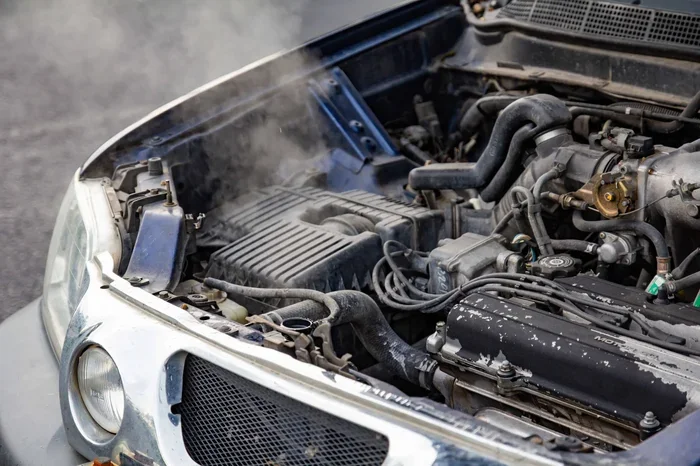
Drivers usually notice the temperature gauge shooting up on the highway. The air conditioning may stop working. You might see steam coming from under the hood. If you see these signs, pull over safely. Turning off the engine helps prevent further damage. Continuing to drive with a stuck thermostat can ruin the engine.
Stuck Closed vs. Stuck Open – What’s the Difference?
A thermostat can fail in two ways. It can stick closed or stick open. Both cause problems, but they show different signs.
| Stuck Closed | Stuck Open |
|---|---|
| Thermostat valve stays shut | Thermostat valve stays open |
| Coolant cannot flow to radiator | Coolant flows constantly |
| Engine overheats quickly | Engine takes longer to warm up |
| Temperature gauge spikes | Temperature gauge stays low |
| Heater blows cold air | Heater may work but engine runs rich |
| Common cause: debris or corrosion | Common cause: weak spring or wax failure |
A stuck open thermostat does not cause instant overheating. But it keeps the engine too cool. An engine that runs too cold burns more fuel. It also causes poor combustion. Over time, this can damage the catalytic converter. Both stuck-closed and stuck-open conditions need quick attention.
Quick Tip: If your temperature gauge moves erratically, check the thermostat first. A simple boiling water test can tell you if the valve opens at the right temperature.
Common Mistakes: Ignoring Early Warning Signs
Many drivers ignore a slightly high temperature gauge. They think it will cool down on its own. This is a big mistake. A thermostat that is starting to stick will get worse over time. Small delays in fixing the problem lead to big repair bills. Another common mistake is adding water instead of proper coolant. Water can cause corrosion inside the thermostat housing. Always use the recommended coolant mix.
Signs Your Thermostat Is Failing
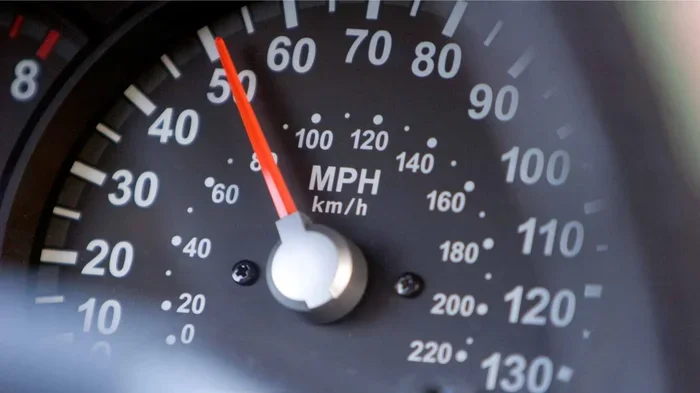
Temperature Gauge Fluctuations
One of the clearest signs is a temperature gauge that moves up and down. The needle may stay normal, then suddenly jump into the red. It may settle back down for a while, then spike again. This happens because the thermostat is opening and closing unpredictably. The valve may be partially stuck or the sensor is receiving mixed signals from erratic coolant flow.
No Heat from the Heater
If your heater blows only lukewarm air, the thermostat may be stuck open. Coolant flows through the radiator too quickly. Not enough hot coolant reaches the heater core inside the dashboard. In winter, this is a very noticeable sign. You will feel no heat even when the engine is running.
Coolant Leaks Around the Thermostat Housing
The thermostat sits inside a housing near the engine. Over time, the housing gasket can wear out. Coolant may leak from the thermostat housing. You might see a green or orange puddle under your car. A leak can also cause the coolant level to drop. Low coolant leads to overheating, which makes the problem worse.
Overheating at Highway Speeds
A failing thermostat often shows up at high speeds. The radiator needs good airflow to cool the coolant. If the thermostat is partially blocked, the engine cannot shed heat fast enough. You may notice the temperature gauge climbing steadily on the highway. It might drop when you slow down. This pattern is a strong clue that the thermostat is not opening fully.
Expert Insight: Thermostat symptoms can vary by car model. Some vehicles show a slow, gradual rise in temperature. Others spike suddenly. Always refer to your owner’s manual for the normal temperature range.
The Damage a Faulty Thermostat Can Cause
Warped Cylinder Head
When the engine overheats, the metal expands. Aluminum cylinder heads are especially vulnerable. The head can warp under extreme heat. A warped head breaks the seal between the head and the engine block. This leads to compression loss and oil leaks. Warped cylinder heads often require expensive machining or replacement.
Blown Head Gasket
The head gasket sits between the cylinder head and the engine block. It keeps coolant and engine oil separate. Overheating softens the gasket material. A blown head gasket allows coolant to leak into the cylinders. You may see white smoke from the exhaust. The coolant level drops without any visible leak. A head gasket repair is one of the most costly engine jobs.
Cracked Engine Block
In severe cases, the engine block itself can crack. Cast iron blocks are more resistant, but they can still crack. Aluminum blocks are even more prone to heat damage. A cracked block lets coolant mix with engine oil. This destroys bearings and can seize the engine. A cracked block often means the engine needs to be replaced.
Ruined Catalytic Converter
A thermostat stuck open keeps the engine too cool. Unburned fuel passes into the exhaust system. This overheats the catalytic converter. The converter can melt or clog. A failed converter triggers the check engine light. Replacing a catalytic converter is very expensive because it contains precious metals.
Key Takeaway: A small thermostat failure can cascade into major engine damage. Fixing it early saves thousands of dollars.
Common Causes of Thermostat Failure
Age and Wear
Like all car parts, thermostats wear out over time. The wax inside the valve can harden or leak. The spring can lose its tension. Most thermostats last 100,000 miles or more. But harsh driving conditions shorten their life. If your car has high mileage, it is wise to check the thermostat during routine service.
Poor Coolant Maintenance
Coolant breaks down over time. Old coolant becomes acidic. It corrodes the thermostat valve and housing. Rust and debris can clog the thermostat. This prevents it from opening and closing properly. Flushing the cooling system on schedule keeps the thermostat and radiator clean. Use the coolant type recommended by your manufacturer.
Electrical and Sensor Issues
Some modern cars use electronic thermostats. These have a small motor or heater element. A wiring fault can prevent the thermostat from opening. The engine control module may also send incorrect signals. In these cases, the thermostat looks fine but fails to operate. A mechanic can scan for error codes to pinpoint electrical problems.
Manufacturing Defects
Rarely, a new thermostat has a defect right out of the box. The valve may be stuck from the factory. The wax pellet might be improperly filled. This is why it is important to buy quality parts from trusted brands. Aftermarket thermostats vary in quality. Choosing a reputable brand reduces the risk of early failure.
Quick Tip: Always replace the thermostat gasket when you install a new thermostat. A worn gasket can cause a coolant leak right after the repair.
How to Test and Replace a Bad Thermostat
Testing the Thermostat at Home
You can test a thermostat without visiting a shop. Start with a cold engine. Remove the thermostat housing and pull out the thermostat. Drop it into a pot of water. Attach a thermometer to the water. Heat the water slowly. Watch the thermostat. It should start to open at around 195°F (90°C). If it does not open or opens too late, the thermostat is bad. You can also test it by shaking it. A stuck thermostat will feel stiff or gritty.
Step-by-Step Replacement Guide
- Let the engine cool completely. Open the hood and locate the thermostat housing.
- Place a drain pan under the car. Remove the radiator hose from the thermostat housing.
- Take out the old thermostat. Note the direction of the valve spring.
- Clean the mating surfaces on the housing and engine. Remove old gasket material.
- Install the new thermostat with the spring facing the engine.
- Fit a new gasket and reattach the radiator hose.
- Refill the cooling system with the correct coolant mixture.
- Start the engine and let it run until the thermostat opens. Check for leaks.
Replacement is usually a 30-minute job for most cars. The part itself costs between $20 and $60. If you are not comfortable doing it yourself, a mechanic can do it quickly.
When to Call a Mechanic
Some thermostat housings are hard to reach. They may be buried behind other engine components. If you cannot access the thermostat easily, seek professional help. Also, if you notice coolant in the oil or white exhaust smoke, do not drive the car. Have it towed to a repair shop. These are signs of serious internal damage.
Common Mistakes: Forgetting to bleed the cooling system after a replacement. Air pockets can trap heat and cause false overheating readings. Always follow the bleeding procedure in your owner’s manual.
Preventing Overheating and Thermostat Problems
Regular Coolant Flushes
Clean coolant protects the thermostat and radiator. Most manufacturers recommend a flush every 30,000 to 50,000 miles. Check your owner’s manual for the exact interval. Fresh coolant has the right pH balance to prevent corrosion. It also contains anti-boiling and anti-freeze additives that keep the system stable.
Monitoring Your Temperature Gauge
Make it a habit to glance at the temperature gauge while driving. A normal gauge sits in the middle of the range. If it starts to climb, reduce your speed and turn off the air conditioning. Roll down the windows to reduce engine load. If the needle keeps rising, pull over and turn off the engine. Do not open the radiator cap when the engine is hot. Scalding coolant can cause serious burns.
Using the Right Coolant
Different cars require different coolant types. Some use traditional green coolant. Others need long-life orange or pink fluid. Mixing incompatible coolants can create a gel-like substance. This clogs the thermostat and radiator passages. Always use the coolant specified in your owner’s manual. When in doubt, ask a trusted mechanic.
Expert Insight: Proactive maintenance is the best defense against overheating. A simple visual inspection of coolant hoses and the thermostat housing can catch small problems before they grow.
Conclusion
Can a bad thermostat cause overheating and engine damage? Yes, it absolutely can. A stuck thermostat blocks coolant flow and lets heat build up inside the engine. Over time, this leads to warped heads, blown gaskets, and cracked blocks. The good news is that fixing a thermostat is simple and affordable. Regular maintenance keeps the cooling system working properly. Pay attention to your temperature gauge and address warning signs quickly. A small repair today can save you from a major engine disaster tomorrow.
Frequently Asked Questions
How do I know if my thermostat is stuck closed?
You will notice the temperature gauge rising quickly, especially on the highway. The heater may blow cold air, and you might see steam under the hood. A simple test is to feel the upper radiator hose after the engine warms up. If it stays cold, the thermostat is likely stuck closed.
Can a bad thermostat cause overheating at idle?
Yes, a thermostat stuck closed can cause overheating at idle. At low speeds, the radiator gets less airflow. Without proper coolant flow, the engine cannot cool down. This is why many drivers first notice overheating when stopped at traffic lights.
What happens if I drive with a bad thermostat?
Driving with a bad thermostat risks severe engine damage. If the thermostat is stuck closed, the engine can overheat within minutes. A stuck-open thermostat causes the engine to run too cool, which increases fuel use and can damage the catalytic converter over time.
How much does it cost to replace a thermostat?
The thermostat part usually costs between $20 and $60. Labor for a typical car runs from $75 to $150. Total cost is often under $200. Prices vary based on the vehicle model and how hard the thermostat is to reach.
Can a thermostat cause overheating without leaking coolant?
Yes, a stuck thermostat can cause overheating even if there is no leak. The problem is internal restriction, not a loss of fluid. The coolant cannot circulate properly, so heat builds up inside the engine block.
Should I replace the thermostat as part of routine maintenance?
It is a good idea to inspect the thermostat during major coolant flushes. Many mechanics recommend replacing the thermostat every 100,000 miles as a precaution. A new thermostat is inexpensive and can prevent costly overheating repairs.