Can Police Search a Parked Car on Private Property Rights
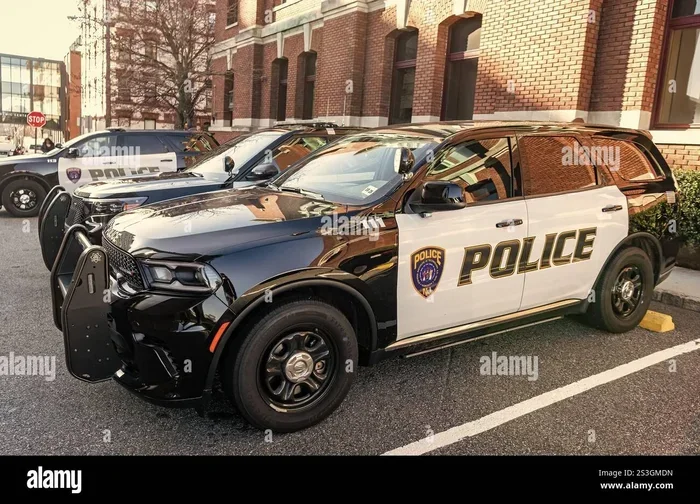
Can police search a parked car on private property? The short answer is: it depends on the circumstances. Under Fourth Amendment protections, law enforcement generally needs a search warrant or probable cause to conduct a vehicle search. However, exceptions like exigent circumstances and plain view doctrine can allow a warrantless search. This guide breaks down your constitutional rights and what you can do to protect yourself.
Have you ever wondered what happens when a police officer walks up to your parked car on your own driveway or in a private parking lot? It is a situation that can feel intimidating and confusing. You might think, “It is my property. They cannot just look inside.” But the truth is more nuanced than that.
The question of whether law enforcement can search a parked vehicle on private property is one of the most common legal questions people ask. Many drivers assume that being on private land gives them automatic protection. Others believe police can search any car they want. Neither assumption is entirely correct. The real answer lies in a mix of constitutional law, state statutes, and specific circumstances.
In this article, we will walk through everything you need to know about police search powers when it comes to a parked car on private property. We will cover when a search is legal, when it is not, and what you can do to protect your constitutional rights. Whether you are a concerned driver or someone who has already experienced a vehicle search, this guide will give you clear, practical answers.
Key Takeaways
- Police generally need a warrant or probable cause: Searching a parked car on private property usually requires legal authorization unless an exception applies.
- Private property does not automatically block searches: Just because your car is parked at home or on private land does not make it immune to a law enforcement search.
- Exceptions exist: Exigent circumstances, consent searches, and the plain view doctrine can justify a vehicle search without a warrant.
- You have the right to refuse consent: You can politely decline a search if police do not have a warrant or reasonable suspicion.
- Illegal searches have consequences: Evidence obtained through an unlawful search and seizure may be suppressed in court.
- State laws vary: Some states offer stronger privacy protections than federal law for parked vehicles on private property.
- Know your rights and stay calm: Understanding search and seizure law helps you handle police encounters with confidence.
📑 Table of Contents
- Understanding Your Rights When Police Approach a Parked Car
- When Can Police Legally Search a Parked Vehicle?
- The Role of Private Property in Vehicle Searches
- What Happens If Police Search Your Car Without Permission?
- How to Protect Your Rights During a Police Encounter
- State-by-State Variations in Car Search Laws
- Common Mistakes People Make During Police Encounters
- Key Takeaways
- Conclusion
Understanding Your Rights When Police Approach a Parked Car
Before diving into the specific rules, it helps to understand the basic legal framework. The Fourth Amendment to the U.S. Constitution protects citizens against unreasonable searches and seizures. This means the government cannot search your person, home, or property without a valid legal basis.
When it comes to cars, the rules are a bit different than for homes. The Supreme Court has long recognized that vehicles have a lower expectation of privacy in some contexts. This is because cars are mobile and can be moved quickly, making it harder to get a search warrant in time. But that does not mean police can search any car whenever they feel like it.
The Fourth Amendment and Vehicle Searches
The Fourth Amendment requires that most searches and seizures be reasonable. For a police search of a parked car, this usually means one of the following must be true:
- The officer has a valid search warrant.
- The officer has probable cause to believe the car contains evidence of a crime.
- The owner or driver gave voluntary consent for the search.
- An exception to the warrant requirement applies, such as exigent circumstances or the plain view doctrine.
When a car is parked on private property, people often assume these rules do not apply. They do. Private property rights do not override constitutional protections. A car sitting in your garage is still subject to search and seizure law.
When Can Police Legally Search a Parked Vehicle?
Not every police encounter with a parked car leads to a legal search. There are specific situations where law enforcement has the authority to search a vehicle. Let us break them down.
With a Search Warrant
The most straightforward way police can search your car is with a search warrant. A judge must sign off on the warrant based on probable cause. The officer must describe the vehicle and explain what they are looking for.
Even on private property, a valid warrant gives police the legal right to search a parked vehicle. This is true whether the car is in your driveway, garage, or private parking lot. The fact that it is on private property does not block a warrant-based vehicle search.
Probable Cause and Plain View
Probable cause means the officer has a reasonable belief, based on facts and circumstances, that the car contains evidence of a crime. For example, if an officer smells marijuana coming from a parked car, that may establish probable cause to search the vehicle.
The plain view doctrine also plays a role here. If an officer is lawfully present on private property and sees something illegal in plain sight inside the car, they may be able to search it. For instance, if a police officer walks past your parked car and sees a bag of illegal drugs on the passenger seat, that gives them probable cause to conduct a warrantless search.
Exigent Circumstances
Exigent circumstances are situations where waiting for a warrant would be impractical or dangerous. These might include:
- Fear that evidence is about to be destroyed.
- A belief that someone inside the car is in immediate danger.
- The need to prevent a suspect from fleeing.
- An ongoing emergency situation.
In these cases, police may search a parked car on private property without a warrant. However, courts look closely at whether the exigent circumstances were truly urgent. Officers cannot simply claim an emergency to justify every vehicle search.
Consent Searches
One of the most common ways police search a parked car is through consent. If an officer asks for permission and you say yes, they can legally search the vehicle. But here is the key point: consent must be voluntary.
Police cannot trick you into giving consent. They cannot threaten you or make you feel like you have no choice. If you feel pressured, the consent may not be considered valid. This is why it is important to know that you have the right to say no.
Inventory Searches
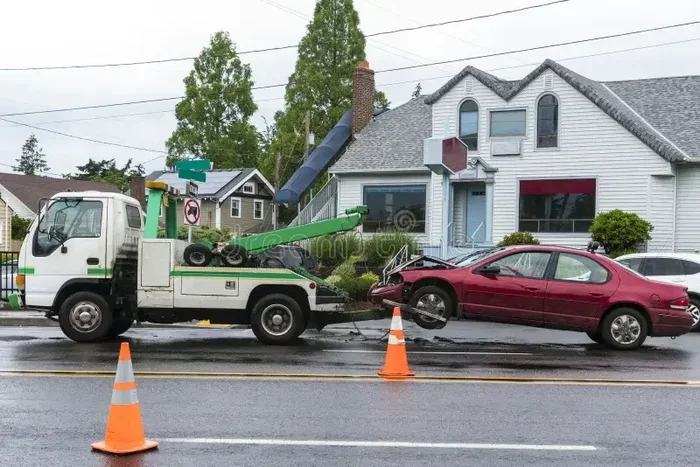
If your car is towed or impounded, police may conduct an inventory search. This is a routine process where officers document the contents of the vehicle. Inventory searches are generally considered legal even without a warrant. However, they are not supposed to be used as a pretext for a criminal investigation.
The Role of Private Property in Vehicle Searches
Many people believe that having a car on private property gives them extra protection against a police search. While private property rights are important, they do not create a shield against law enforcement in all cases.
Does Private Property Block a Search?
The short answer is no. Police can still search a parked car on private property if they have a warrant, probable cause, or another valid legal basis. The location of the vehicle matters less than the legal justification for the search.
That said, private property can sometimes work in your favor. For example, if an officer has to trespass onto your private land to access the car, this might affect whether the search and seizure was reasonable. Courts consider the totality of the circumstances.
Expectation of Privacy on Private Property
When your car is parked in your driveway or garage, you generally have a reasonable expectation of privacy. This means courts weigh your privacy interest more heavily than when the car is parked on a public street.
However, a strong expectation of privacy alone does not prevent a warrantless search. The officer still needs probable cause or another legal justification. Private property rights and Fourth Amendment protections work together but do not override each other.
What Happens If Police Search Your Car Without Permission?
Not every police search of a parked car is legal. When officers conduct a warrantless search without a valid exception, your constitutional rights may have been violated.
The Exclusionary Rule
The exclusionary rule is a legal principle that says evidence obtained through an illegal search and seizure cannot be used against you in court. This is a powerful protection. If the police search your parked car on private property without a warrant and without a valid exception, any evidence they find may be thrown out.
This does not mean the charges will automatically be dropped. But it does mean the prosecution loses a key piece of evidence. In many cases, this can lead to reduced charges or a dismissal.
Filing a Complaint or Lawsuit
If you believe your rights were violated during a vehicle search, you have options. You can file a complaint with the police department’s internal affairs division. You may also consult a civil rights attorney about filing a Section 1983 lawsuit against the officers involved.
These legal actions can result in compensation for damages and can also push for policy changes within law enforcement agencies. They serve as an important check on police authority.
How to Protect Your Rights During a Police Encounter
Knowing your rights is only half the battle. You also need to know how to exercise them calmly and effectively during a real encounter with law enforcement.
Stay Calm and Be Polite
Even if you believe the police search is illegal, resist the urge to argue or resist. Staying calm helps protect you and keeps the situation from escalating. You can clearly state that you do not consent to the search without being confrontational.
Say No to Consent
If an officer asks to search your parked car and they do not have a warrant, you have the right to say no. A simple and clear statement like, “I do not consent to a search,” is enough. You do not need to be rude or aggressive.
Remember that the officer may search anyway if they have probable cause or another valid reason. But your refusal of consent is important because it strengthens any future legal challenge if the search turns out to be unlawful.
Document Everything
If possible, write down the officer’s name, badge number, and the details of the encounter as soon as you can. If you have a dashcam or a security camera on your property, make sure the footage is saved. This evidence can be invaluable if you decide to challenge the search and seizure later.
Ask if You Are Free to Leave
During a police encounter, you have the right to ask if you are free to go. If the officer says yes, leave calmly. If the officer says no, you are being detained, and they need reasonable suspicion or probable cause to justify the detention.
Consult an Attorney
If you believe your constitutional rights were violated, consult a qualified attorney as soon as possible. A lawyer who specializes in criminal defense or civil rights can help you understand your options and build a strong case.
Quick Tips for Handling a Police Search of Your Parked Car
- Keep your hands visible at all times.
- Do not physically resist the officer.
- Clearly state that you do not consent to a search.
- Ask if you are free to leave.
- Note the officer’s name and badge number.
- Save any video or photo evidence you have.
- Contact a lawyer as soon as possible after the encounter.
State-by-State Variations in Car Search Laws
While the Fourth Amendment sets the federal baseline, individual states can provide stronger privacy protections. This means the rules for searching a parked car on private property can vary depending on where you live.
States with Stronger Protections
Some states have interpreted their own constitutions to offer greater protection against warrantless vehicle searches than the federal standard. For example:
- California has strict rules about consent searches and requires officers to inform you that you can refuse.
- Oregon has a state constitutional provision that offers strong privacy protections for vehicles on private property.
- Washington has been a leader in protecting civil liberties during police encounters.
States with Broader Police Authority
Other states give law enforcement a bit more leeway in conducting vehicle searches. In these states, officers may have broader authority to search a parked car based on reasonable suspicion rather than requiring full probable cause in certain situations.
It is worth familiarizing yourself with the specific laws in your state. A local attorney can provide guidance tailored to your situation and jurisdiction.
Common Mistakes People Make During Police Encounters
Understanding the law is important, but knowing what not to do is just as crucial. Here are some common mistakes that can hurt your case:
- Consenting without thinking: Many people automatically say yes to a police search out of nervousness or confusion. Never give consent without fully understanding your rights.
- Running away or resisting: Physically resisting a search, even an illegal one, can lead to additional charges like obstruction or resisting arrest.
- Lying to officers: Providing false information to law enforcement can result in charges of obstructing justice or making false statements.
- Not documenting the encounter: If you do not record details right away, you may forget important information that could help your case later.
- Assuming you have no recourse: Many people believe that if police searched their car, there is nothing they can do. This is not true. Illegal searches can be challenged in court.
Expert Insights on Police Search Authority
Criminal defense attorneys often emphasize that the most important thing to remember is that you have rights. Search and seizure law is complex, but the core principle is simple: the government needs a valid reason to search your property. Even when a car is parked on private property, this principle holds strong.
Legal experts also point out that police encounters are often recorded and documented. This means officers are generally aware that their actions are being scrutinized. Understanding this can give you confidence when asserting your constitutional rights during a vehicle search.
Key Takeaways
- Police need legal justification: A warrant, probable cause, consent, or a recognized exception is required to search a parked car on private property.
- Private property is not a blanket shield: While it adds a layer of privacy, it does not prevent a law enforcement search when proper legal grounds exist.
- You can refuse consent: Saying no to a search is your right and can protect you if the encounter later becomes a legal matter.
- Illegal searches can be challenged: The exclusionary rule may keep unlawfully obtained evidence out of court.
- State laws vary: Some states offer stronger privacy protections for vehicles on private property than others.
- Stay calm and document: The best way to protect yourself is to remain respectful, assert your rights clearly, and save any evidence of the encounter.
Conclusion
The question of whether police can search a parked car on private property does not have a simple yes or no answer. The law balances public safety with individual privacy rights. In most cases, law enforcement needs a search warrant, probable cause, or a valid exception to conduct a vehicle search. Private property rights add an extra layer of protection, but they do not make a car immune to a lawful search.
Understanding your constitutional rights under the Fourth Amendment is one of the best things you can do as a driver. When you know the rules, you can handle police encounters with confidence and clarity. You can assert your rights respectfully. You can document what happens. And if your rights are violated, you can take legal action.
Stay informed, stay calm, and remember that knowledge is your greatest tool when dealing with law enforcement and search and seizure issues. The more you understand the law, the better prepared you are to protect yourself and your private property.
Frequently Asked Questions
Can police search my parked car on my own driveway?
Yes, police can search your parked car on your driveway if they have a valid search warrant, probable cause, or another legal justification. Private property does not automatically prevent a vehicle search. The key factor is whether the officer followed proper legal procedures.
What should I do if a police officer wants to search my parked car?
Stay calm and politely ask if the officer has a search warrant. If they do not, you have the right to say you do not consent to the search. Do not physically resist. Document the encounter and consult a lawyer if you believe your constitutional rights were violated.
Is a parked car on private property protected by the Fourth Amendment?
Yes. The Fourth Amendment protects against unreasonable searches and seizures regardless of where the vehicle is located. A car parked on private property still enjoys constitutional protections. However, those protections can be overridden by a valid warrant or recognized legal exception.
What is the plain view doctrine in relation to car searches?
The plain view doctrine allows an officer to seize evidence without a warrant if it is clearly visible while the officer is lawfully present. For example, if an officer sees illegal drugs on the dashboard of your parked car, they may be able to search the vehicle based on what they can see in plain sight.
Can I sue the police for an illegal search of my car?
Yes. If police conducted a warrantless search of your parked car without a valid exception, you may have grounds for a civil rights lawsuit. An experienced attorney can help you determine whether the search and seizure was unlawful and what legal remedies are available to you.
Do state laws differ from federal law on searching parked cars?
Yes. While the Fourth Amendment sets the federal standard, many states have their own constitutional provisions that offer stronger privacy protections. Some states require stricter justification for warrantless vehicle searches. It is important to understand the specific laws in your state.