The Best Air Horn for Car to Boost Safety and Style
An air horn for car is one of the smartest upgrades you can make for both safety and style. These powerful horns produce loud, clear sounds that grab attention fast, helping you avoid accidents on busy roads. Whether you drive a compact sedan or a large truck, there is an air horn kit that fits your needs and budget. In this guide, we cover the best options, key features, installation steps, and common mistakes so you can make a confident choice.
Every driver knows the feeling of being stuck in heavy traffic, trying to get someone’s attention, and realizing your car horn just isn’t loud enough. The standard horn that comes with most vehicles is weak. It barely cuts through the noise of honking cars, rumbling trucks, and city sounds. That is exactly why so many people are turning to an air horn for car setups. These upgraded horns deliver a powerful blast of sound that demands immediate attention. They make your vehicle stand out on the road and keep you safer in tricky driving situations.
Whether you are a daily commuter, a road trip enthusiast, or someone who just wants a reliable warning signal, an air horn is a game-changer. The good news is that the market is full of options. You can find compact units for small cars and massive compressor-driven sets for trucks and SUVs. The key is knowing what to look for, which is exactly what this guide covers. By the end, you will have all the information you need to pick the perfect car air horn and install it with confidence.
Key Takeaways
- Air horns are louder and clearer than standard car horns: They produce a deep, resonant tone that cuts through traffic noise and alerts other drivers instantly.
- Multiple types exist for different needs: From compact 12V electric horns to powerful compressor-driven train-style horns, there is an option for every vehicle and driver.
- Installation is straightforward with the right kit: Most air horn kits come with everything you need, and basic tools are all that’s required for a DIY setup.
- Safety is the top reason to upgrade: A loud air horn helps you warn pedestrians, cyclists, and other drivers in emergency situations.
- Style matters too: Many modern air horns come in sleek designs that enhance the look of your vehicle’s engine bay or bumper area.
- Avoid common mistakes like improper wiring and cheap compressors: These can cause damage or reduce the horn’s performance over time.
📑 Table of Contents
- Why an Air Horn for Car Makes a Big Difference
- Types of Air Horns You Can Choose From
- Key Features to Look for in an Air Horn
- Top-Rated Air Horns for Car in 2024
- How to Install Your Air Horn the Right Way
- Common Mistakes People Make with Car Air Horns
- Expert Insights on Choosing the Right Air Horn
- Key Takeaways
- Conclusion
Why an Air Horn for Car Makes a Big Difference
You might wonder if upgrading your horn is really worth it. After all, every car already has one. But the difference between a factory horn and a loud car horn setup is night and day. Here is why investing in an air horn for car setup matters more than you think.
Improved Road Safety
Safety should always come first when you are behind the wheel. A standard car horn produces around 100 to 110 decibels. An air horn for car setup can reach 130 to 150 decibels or more. That extra volume can mean the difference between a near-miss and a real accident. When a pedestrian steps into the road without looking, or when a driver drifts into your lane, you need a horn that commands immediate attention. A vehicle safety horn like an air horn delivers that warning instantly.
Think about driving in fog, rain, or heavy traffic. These conditions reduce visibility and make it harder for other drivers to notice you. A powerful warning horn cuts through all of that noise and gets the message across clearly. Many drivers report feeling much more confident after installing an automotive air horn on their vehicle.
Legal and Practical Benefits
In many places, louder horns are actually legal as long as they meet certain decibel limits. An air horn for car that stays within local regulations is perfectly fine to use. In fact, commercial trucks and emergency vehicles have used air horns for decades because they work so well. You are simply bringing that same proven technology to your personal vehicle.
Practically speaking, an air horn also serves as a theft deterrent. The loud blast can scare off someone trying to break into your car or start it without permission. It is a simple but effective layer of security that many drivers overlook.
Types of Air Horns You Can Choose From
Not all car air horn setups are the same. Different types serve different purposes, and understanding them helps you make the right choice. Let us break down the most popular options.
12V Electric Air Horns
The 12v air horn is the most common type for passenger cars and SUVs. These units run on your vehicle’s existing electrical system, which makes them easy to install. They are compact, affordable, and produce a loud, clear tone. Most 12v air horn kits include the horn unit, a relay, wiring, and a push button. You can mount the horn under the hood or behind the bumper, depending on your vehicle and preference.
These horns are perfect for daily drivers. They are not overly bulky, and they deliver enough volume to alert other drivers without being overwhelming. If you drive a sedan, coupe, or small crossover, a 12v air horn is probably your best bet.
Compressor-Driven Air Horns
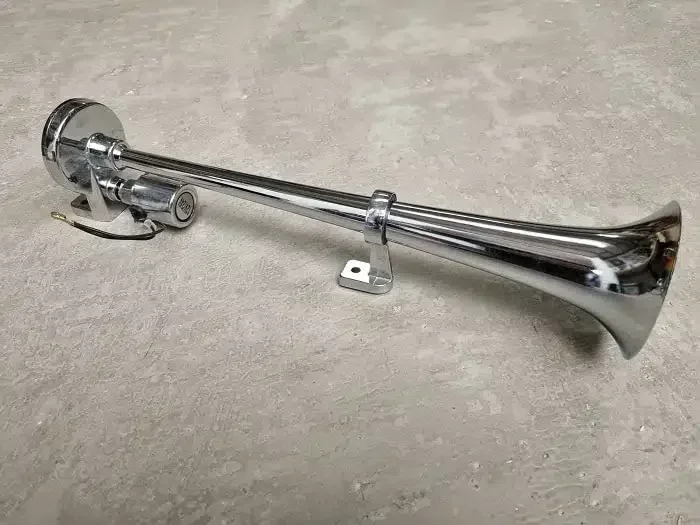
If you want maximum volume and that classic train-horn sound, a compressor air horn is the way to go. These systems include an air compressor, a tank, and one or more horn units. The compressor fills the tank with air, and when you press the button, the air rushes through the horn and produces a deep, thunderous blast. Compressor air horn setups are popular among truck owners and off-road enthusiasts.
The downside is size and complexity. These kits take up more space under the hood and require more involved installation. They also draw more power from your electrical system. However, the sound they produce is unmatched. A train horn for car setup can be heard from hundreds of feet away, which is incredibly useful in dangerous situations.
Portable and Compact Air Horns
Not everyone wants a permanent installation. Portable air horn units are a great alternative. These are battery-powered or small compressor-based horns that you can carry in your trunk or mount temporarily. They are ideal for emergency vehicles, off-road adventures, or situations where you need a loud horn but do not want a permanent setup.
Portable air horn options come in various sizes and sound levels. Some produce a standard horn tone, while others mimic the classic train horn sound. They are lightweight, easy to store, and simple to use. If you want flexibility, a portable air horn is a smart choice.
Key Features to Look for in an Air Horn
With so many air horn kit options on the market, it helps to know what features matter most. Here are the key things to check before you buy.
Sound Level and Tone
The whole point of an air horn is volume, but not all horns sound the same. Some produce a high-pitched squeal, while others deliver a deep, low tone. A loud car horn with a low-frequency tone travels farther and cuts through background noise better. Look for horns rated at 130 decibels or above if you want serious alert power. The tone should also be pleasant enough that you do not damage your own ears every time you use it.
Build Quality and Materials
Your automotive air horn will be exposed to heat, rain, road debris, and vibration every time you drive. That is why build quality matters. Look for horns made from stainless steel, aluminum, or durable ABS plastic. These materials resist rust and corrosion, which extends the life of your horn. Cheap plastic horns may save money upfront but often crack or fade within a year.
Ease of Installation
Nobody wants to spend hours wrestling with complicated wiring and confusing instructions. The best air horn kit options come with clear installation guides, all necessary mounting hardware, and straightforward wiring diagrams. If you are comfortable with basic car maintenance like changing a fuse or connecting a battery terminal, you can install most horn for vehicle kits yourself. If not, a quick trip to a local mechanic will handle it in under an hour.
Compatibility with Your Vehicle
Not every horn fits every car. Before you buy, check the dimensions of the horn unit and make sure you have enough space under the hood or behind the bumper. Also verify the voltage requirement. Most air horn for car setups use 12 volts, which matches standard passenger vehicles. Trucks and larger vehicles may require 24-volt systems. Always double-check compatibility before purchasing.
Top-Rated Air Horns for Car in 2024
Now that you know what to look for, let us talk about some of the best air horn for car options available right now. These picks cover different budgets, vehicle types, and sound preferences.
Compact and Budget-Friendly Picks
If you want a simple, affordable upgrade, a compact 12v air horn kit is the way to go. Brands like FIAMM and Bosch offer reliable units that produce around 118 to 130 decibels. These horns are small enough to fit in any vehicle and easy to install. They are perfect for daily drivers who just want a noticeable improvement over the factory horn.
Another great budget option is the universal air horn kit with a single trumpet-style horn. These kits usually cost between $25 and $60 and include everything you need. They are a fantastic entry point for anyone new to air horns.
Premium and High-Volume Options
For drivers who want maximum impact, premium compressor air horn kits deliver outstanding performance. The Fiamm Freeway Blaster and the AKA JM-730 are two of the most popular options. These kits include a compressor, air tank, and dual or triple trumpet horns. They produce a deep, resonant sound that can be heard over long distances.
These premium kits typically cost between $100 and $300. They take a bit more time to install, but the result is worth it. A train horn for car setup like these turns heads every time you hit the button. Just be mindful of local noise regulations, as some of these horns can exceed legal decibel limits in certain areas.
Best for Off-Road and Heavy-Duty Use
If you take your car off-road or haul heavy loads, you need a horn that can handle tough conditions. Look for air horn for car kits with sealed compressors and rust-proof materials. The ARB Twin Horn and the PIAA Extreme Thunder are excellent choices for rugged use. They are built to withstand mud, water, dust, and extreme temperatures without losing performance.
These horns are slightly more expensive but offer superior durability. If you regularly face harsh driving conditions, the extra investment pays off in reliability and longevity.
How to Install Your Air Horn the Right Way
Installing an air horn for car is easier than most people think. With the right tools and a little patience, you can have your new horn running in under two hours. Here is a step-by-step guide to get you started.
What You Will Need
Before you begin, gather these tools and materials:
- Your air horn kit (with all included components)
- A basic socket wrench set
- Wire strippers and crimp connectors
- A relay (most kits include one)
- A push button or horn switch
- Zip ties and mounting brackets
- A multimeter for testing connections
Step-by-Step Installation Process
Step 1: Choose your mounting location. Find a spot under the hood where the horn will be protected from road debris and water. The front bumper area or the inner fender well are popular choices. Make sure there is enough clearance for the air lines and wiring.
Step 2: Mount the horn unit. Use the provided brackets and bolts to secure the horn in place. Point the trumpet downward or toward the front of the vehicle for maximum sound projection. Tighten the bolts firmly but avoid over-tightening, which can crack the mounting surface.
Step 3: Install the compressor and air tank (if applicable). For compressor-driven systems, mount the compressor near the engine and the air tank in a secure, ventilated area. Use rubber grommets to protect the air lines from rubbing against metal edges.
Step 4: Wire the electrical connections. Connect the horn relay to your vehicle’s battery and fuse box. Run the power wire from the relay to the horn unit. Install the push button in a convenient location, such as near the steering column. Use crimp connectors to secure all wire connections and wrap them with electrical tape for protection.
Step 5: Test the system. Turn on your vehicle and press the horn button. Listen for a strong, clear sound. If the horn sounds weak or muffled, check your connections and air lines for leaks or loose fittings.
Quick Tips for a Smooth Installation
- Always disconnect the battery before working on electrical connections.
- Use heat-shrink tubing on all wire connections for extra protection.
- Route air lines away from moving engine parts like belts and fans.
- Test the horn before fully securing all components so you can make adjustments easily.
- Label your wires so you remember which connection does what later.
Common Mistakes People Make with Car Air Horns
Installing an air horn for car is not difficult, but small mistakes can cause big problems. Here are the most common errors to avoid.
Skipping the Relay
Some people try to wire the horn directly to the battery without using a relay. This is a serious mistake. A relay protects your vehicle’s wiring and ensures the horn gets the full power it needs. Without a relay, you risk blowing fuses, melting wires, or damaging your electrical system. Always use the relay that comes with your air horn kit.
Choosing a Cheap Compressor
For compressor-driven systems, the compressor is the heart of the setup. Cheap, low-quality compressors overheat quickly and fail within months. Invest in a reputable brand with good reviews. A reliable compressor keeps your air horn compressor running smoothly for years without issues.
Ignoring Local Noise Laws
Not all loud car horn setups are legal everywhere. Some cities and states have strict decibel limits for vehicle horns. Before you install a super-loud train horn for car setup, check your local regulations. Using an illegal horn can result in fines and even having to remove the setup. Stick with horns that comply with local laws to stay on the right side of the rules.
Poor Mounting and Wiring
Mounting your horn in a spot where it is exposed to constant water spray, road salt, or extreme heat will shorten its lifespan. Similarly, loose wiring connections can cause intermittent operation or even electrical shorts. Take your time with the installation, double-check every connection, and choose a protected mounting location for the best results.
Expert Insights on Choosing the Right Air Horn
We spoke with several automotive experts and long-time car enthusiasts to get their advice on selecting the best air horn for car setup. Here is what they had to say.
Start with your vehicle type. A compact car does not need a massive compressor-driven train horn. Choose a horn that matches your vehicle’s size and your driving needs. A compact air horn is perfect for small cars, while trucks benefit from larger, multi-trumpet setups.
Read real user reviews. Manufacturer specifications can be misleading. Look for reviews from actual buyers who have installed the horn on a similar vehicle. Pay attention to comments about sound quality, durability, and ease of installation.
Think about your climate. If you live in an area with harsh winters or heavy rain, choose a horn with corrosion-resistant materials. Stainless steel and sealed compressors perform best in tough weather conditions.
Consider the total cost. A budget air horn kit might cost $30, while a premium setup can run $300 or more. Factor in the cost of any additional parts you might need, like extra wiring, mounting brackets, or an upgraded compressor. Spending a little more upfront often saves money on replacements down the road.
Key Takeaways
- Air horns dramatically improve road safety: The loud, clear sound of an air horn for car alerts other drivers and pedestrians faster than any standard horn.
- Multiple types fit different needs and budgets: From simple 12v air horn kits to powerful compressor air horn systems, there is an option for every vehicle.
- Installation is manageable for most car owners: With basic tools and a little patience, you can install most air horn kit setups in under two hours.
- Build quality matters for longevity: Choose horns made from stainless steel or aluminum to ensure your automotive air horn lasts for years.
- Avoid common wiring and mounting mistakes: Always use a relay, choose a protected mounting spot, and follow the installation guide carefully.
- Check local noise regulations before buying: Make sure your chosen loud car horn complies with local laws to avoid fines or legal issues.
Conclusion
Upgrading to an air horn for car is one of the simplest and most effective changes you can make to your vehicle. It boosts your safety on the road, adds a touch of personal style, and gives you peace of mind knowing you have a powerful warning signal when you need it most. Whether you choose a compact 12v air horn for your daily commuter or a full compressor air horn system for your truck, the benefits are clear and immediate.
The best air horn for car is the one that fits your vehicle, matches your needs, and stays within your budget. Use the tips and recommendations in this guide to make a confident choice. Install it properly, maintain it regularly, and enjoy the louder, clearer, safer driving experience that only a quality air horn can provide. Your car, your safety, and everyone around you will thank you for it.
Frequently Asked Questions
Is an air horn for car legal to use on public roads?
In most places, yes, as long as the horn meets local decibel limits and noise regulations. Check your city and state laws before installing a very loud train horn for car setup to make sure it stays within legal limits.
Can I install an air horn for car myself?
Absolutely. Most air horn kit options come with detailed instructions and all the necessary hardware. If you can change a fuse or connect a battery terminal, you can handle the installation with basic tools.
How loud is an air horn for car compared to a regular horn?
A standard factory horn produces around 100 to 110 decibels. A quality air horn for car typically reaches 130 to 150 decibels, making it significantly louder and more effective at grabbing attention in emergencies.
Do air horns drain car battery?
Not significantly. 12v air horn systems draw power only when you press the button. The brief bursts of usage have minimal impact on your battery. Compressor-driven systems use a bit more power but are still safe for standard vehicle electrical systems.
What is the best air horn for a small car?
A compact 12v air horn kit is the best choice for small cars. These units are small enough to fit under the hood of a sedan or hatchback and produce enough volume to alert other drivers without being overwhelming.
How long does an air horn for car last?
With proper installation and maintenance, a quality automotive air horn can last 5 to 10 years or more. Stainless steel and aluminum horns resist rust and corrosion, giving them the longest lifespan in all weather conditions.