Can Low Antifreeze Cause Overheating in Your Car Engine
Yes, low antifreeze can absolutely cause your car engine to overheat. When your coolant level drops too low, the cooling system cannot properly transfer heat away from the engine block. Running your engine with insufficient antifreeze leads to overheating, warping, and potentially catastrophic engine failure.
Your car engine runs hot. We mean really hot. Thousands of small explosions happen inside your cylinders every single minute. All that combustion creates enormous heat. And without a properly working cooling system, your engine would melt itself in minutes.
Antifreeze, also called coolant, plays a huge role in keeping things under control. It flows through your engine block, absorbs heat, and carries it to the radiator where it cools down. Then it cycles back through again. It is a simple but brilliant system.
But what happens when your antifreeze level drops too low? Can low antifreeze cause overheating? The short answer is yes. And the consequences can be serious. In this article, we will walk you through exactly why low antifreeze leads to overheating, what warning signs to watch for, and how to protect your engine from costly damage.
Whether you are a seasoned car owner or someone who just wants to understand what is happening under the hood, this guide has you covered. We will break everything down into simple, easy-to-understand sections. No jargon. No confusing mechanics talk. Just clear, practical advice you can use right away.
Key Takeaways
- Low antifreeze directly causes overheating: Without enough coolant, your engine cannot regulate its temperature.
- Early warning signs matter: Watch for a rising temperature gauge, steam from the hood, and heater issues.
- Engine damage can be severe: Prolonged overheating warps heads, blows gaskets, and cracks blocks.
- Checking antifreeze is easy: You can do it yourself with simple tools in just a few minutes.
- Prevention saves money: Regular coolant flushes and level checks keep your cooling system healthy.
- Never ignore overheating: Pull over immediately to avoid permanent engine damage.
📑 Table of Contents
- How Your Car Cooling System Works
- What Happens When Antifreeze Levels Drop
- Common Signs of Low Antifreeze and Engine Overheating
- The Damage Low Antifreeze Can Cause to Your Engine
- How to Check and Top Up Your Antifreeze
- Preventing Overheating Problems Before They Start
- Quick Tips to Remember
- Common Mistakes That Lead to Overheating
- Conclusion
How Your Car Cooling System Works
Before we dive into the problems, let us understand how the system is supposed to work. Knowledge is power, and understanding your cooling system helps you spot issues early.
The Role of Antifreeze in Heat Transfer
Antifreeze is not just about preventing freezing in winter. It is the lifeblood of your engine’s cooling system. The coolant mixture circulates through engine passages and absorbs heat from the combustion chambers. It then flows to the radiator, where air passing through the fins cools it down.
The heated coolant returns to the engine and the cycle repeats. This continuous loop keeps your engine temperature within a safe operating range, usually between 195 and 220 degrees Fahrenheit.
Key Components of the Cooling System
Several parts work together to keep your engine cool. Here are the main ones:
- Water pump: Pushes coolant through the system.
- Radiator: Releases heat from the coolant into the air.
- Thermostat: Regulates coolant flow based on engine temperature.
- Coolant reservoir: Stores excess coolant and maintains pressure.
- Radiator cap: Maintains system pressure for proper boiling point.
- Cooling fans: Pull air through the radiator when the car is slow or idling.
When any of these components fail or when antifreeze levels drop, the entire system suffers. Heat builds up, and your engine starts to overheat.
What Happens When Antifreeze Levels Drop
So, can low antifreeze cause overheating? Absolutely. But the how is what really matters. Let us look at the science behind it in simple terms.
Reduced Heat Absorption Capacity
When your antifreeze level is low, there is simply not enough coolant to absorb heat from the engine. Think of it like trying to cool a hot pan with only a few drops of water. It just does not work. The remaining coolant heats up too fast and cannot carry enough heat away.
Your engine generates massive amounts of heat during normal operation. Without sufficient coolant, the temperature climbs rapidly. The thermostat may stay closed, trying to protect the engine, but it cannot fix the root problem.
Air Pockets and Poor Circulation
Low antifreeze often means air has entered the system. Air pockets form in the engine block and radiator hoses. These pockets block the flow of coolant and create hot spots. Some areas of your engine get much hotter than others, which causes uneven wear and stress on components.
Air in the cooling system is just as bad as low fluid levels. It prevents proper heat transfer and can cause your temperature gauge to spike unpredictably.
Pressure Loss and Boiling Point Drop
Your cooling system relies on pressure to raise the boiling point of the coolant. The radiator cap maintains this pressure. When antifreeze levels drop, the system loses pressure. This means your coolant boils at a lower temperature.
When coolant boils, it turns into steam. Steam is much less effective at transferring heat than liquid coolant. You end up with steam pockets that insulate hot engine parts instead of cooling them. This creates a dangerous cycle of rising temperatures.
Common Signs of Low Antifreeze and Engine Overheating
Your car gives you plenty of warning signs before things get really bad. The key is knowing what to look for and acting quickly.
Temperature Gauge Rising Toward the Red Zone
This is the most obvious sign. Your dashboard temperature gauge normally sits in the middle. If you notice it climbing toward the hot zone, pull over safely. A rising temperature gauge is your engine telling you something is wrong.
Do not ignore this. Even a few minutes of driving with an overheating engine can cause serious damage. Turn off the air conditioning and turn on the heater to help draw heat away from the engine. Then find a safe place to stop.
Steam or Smoke Coming From Under the Hood
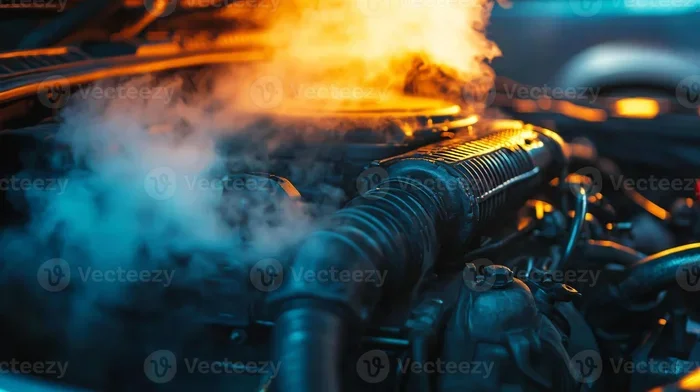
Steam rising from your hood is a clear signal that coolant is boiling. This often happens when antifreeze levels are critically low. The escaping steam may smell sweet, which is the distinct odor of coolant leaking onto hot engine parts.
If you see steam, do not open the hood immediately. The system is under pressure, and you could burn yourself. Wait a few minutes for things to cool down before checking anything.
Heater Blowing Cold Air
Here is a sneaky sign many people miss. If your heater suddenly blows cold air when it should be warm, your coolant level may be low. The heater core relies on hot coolant flowing through it to produce warm air. No coolant means no heat.
This is often one of the earliest warning signs of low antifreeze. If your heater starts acting up, check your coolant level before the problem gets worse.
Coolant Leaks Under the Car
Bright green, orange, or pink puddles under your parked car are a telltale sign of a coolant leak. Antifreeze has a sweet taste and slippery feel, which is very different from oil. If you see these colored drips, get your cooling system checked right away.
Common leak points include radiator hoses, the water pump, the radiator itself, and the heater core. Even a small leak can drain your antifreeze over time and lead to overheating problems.
The Damage Low Antifreeze Can Cause to Your Engine
Running your engine with low antifreeze is like running a marathon without water. At first, you feel fine. But over time, the damage adds up fast. Here is what can go wrong.
Warped Cylinder Head
Excessive heat causes the metal cylinder head to warp. A warped head means it no longer sits flush against the engine block. This breaks the seal and leads to compression loss. You may notice rough idling, power loss, or white exhaust smoke.
Fixing a warped cylinder head is expensive. In some cases, the head needs to be machined or replaced entirely. This is exactly the kind of problem that simple antifreeze maintenance could have prevented.
Blown Head Gasket
The head gasket sits between the cylinder head and the engine block. It seals the combustion chambers and keeps coolant and oil separate. When your engine overheats from low antifreeze, the gasket can blow.
A blown head gasket is one of the most serious and costly engine repairs. Coolant can leak into the cylinders, oil can mix with coolant, and your engine loses compression. The repair bill can easily reach thousands of dollars.
Cracked Engine Block
In the worst cases, extreme overheating cracks your engine block. Metal expands when it gets hot. Uneven heating from low coolant causes stress fractures. A cracked engine block means your engine is essentially done.
At that point, you are looking at a full engine replacement or a very expensive rebuild. This is why paying attention to antifreeze levels is so important. Prevention is always cheaper than repair.
Damage to the Water Pump and Thermostat
Overheating does not just affect the engine block. It also damages other cooling system components. The water pump has seals that can melt or warp from excessive heat. The thermostat can get stuck in the closed position, preventing coolant from flowing to the radiator.
Replacing these parts adds to your repair bill. A simple low antifreeze situation snowballs into a multi-part cooling system failure if you do not address it quickly.
How to Check and Top Up Your Antifreeze
The good news is checking your antifreeze level is quick and easy. You can do it yourself in just a few minutes with basic tools.
Step-by-Step Guide to Checking Coolant Level
Follow these steps to check your antifreeze safely:
- Let the engine cool completely. Never open the radiator cap when the engine is hot. Pressurized coolant can spray out and cause serious burns.
- Locate the coolant reservoir. This is a translucent plastic tank near the radiator. It has minimum and maximum markings on the side.
- Check the level. The coolant should be between the min and max lines. If it is below the minimum, you need to add more.
- Inspect the color. Healthy coolant is bright green, orange, or pink. If it looks rusty, brown, or has particles floating in it, it is time for a coolant flush.
- Top up with the right mixture. Use a 50/50 mix of antifreeze and distilled water. Do not just add plain water, as this dilutes the protective properties.
- Check for leaks. Look under the car and around hoses for any signs of dripping or puddling.
When to Flush and Replace Coolant
Topping up is not enough on its own. Over time, antifreeze breaks down and loses its effectiveness. Old coolant becomes acidic and can corrode your cooling system from the inside out.
Most manufacturers recommend a coolant flush every 30,000 to 50,000 miles. Check your owner’s manual for the specific interval. Some modern long-life coolants can go longer, but it is always better to check regularly.
A coolant flush removes old, contaminated fluid and replaces it with fresh antifreeze. This also gives you a chance to inspect the entire cooling system for wear and potential problems.
Preventing Overheating Problems Before They Start
Prevention is always better than cure when it comes to your engine. A few simple habits can save you from expensive repairs and inconvenient breakdowns.
Regular Cooling System Inspections
Make it a habit to check your antifreeze level at least once a month. It takes less than five minutes and could save you hundreds of dollars. During your inspection, look at hoses for cracks, clamps for tightness, and the radiator for any signs of damage or debris.
Also pay attention to your temperature gauge while driving. If you notice it creeping higher than normal, do not wait. Pull over and investigate. Catching a problem early is the difference between a small top-up and a major repair.
Use the Right Antifreeze for Your Vehicle
Not all antifreeze is the same. Different vehicles require different types of coolant. Using the wrong type can cause chemical reactions that damage your cooling system components.
Check your owner’s manual to find the correct specification. Common types include IAT (Inorganic Additive Technology), OAT (Organic Acid Technology), and HOAT (Hybrid Organic Acid Technology). Mixing incompatible coolant types can lead to sludge buildup and poor heat transfer.
Keep Your Radiator and Cooling Fans in Good Shape
Your radiator and cooling fans work together to dissipate heat. If your radiator fins are clogged with dirt or bugs, airflow is restricted and cooling efficiency drops. Clean your radiator regularly, especially if you drive in dusty or buggy conditions.
Your cooling fans should kick on when the engine reaches a certain temperature. If your fans are not working, your engine will overheat, especially in stop-and-go traffic or on hot days. Have your fan motor and relay checked during routine maintenance.
Address Small Leaks Immediately
A tiny drip today can become a serious problem tomorrow. Even a small coolant leak will gradually lower your antifreeze level until overheating occurs. Do not ignore small puddles under your car or any sweet smell coming from the engine bay.
Catching and fixing small leaks early is one of the best ways to prevent overheating and extend the life of your engine.
Quick Tips to Remember
- Never open the radiator cap on a hot engine. Wait at least 30 minutes after turning off the engine.
- Keep a bottle of pre-mixed antifreeze in your trunk. It is a cheap insurance policy against overheating on the road.
- Monitor your temperature gauge every time you drive. Make it a habit, like checking your mirrors.
- Do not ignore warning lights. The check engine light and temperature warning light are there for a reason.
- Schedule regular coolant flushes. Fresh antifreeze protects better than old, degraded fluid.
Common Mistakes That Lead to Overheating
Many drivers make mistakes that put their engine at risk. Here are the most common ones to avoid.
Ignoring the Temperature Gauge
Some people treat the temperature gauge like background noise. It is not. Your gauge is one of the most important instruments on your dashboard. If it moves out of the normal range, take action immediately.
Topping Up with Plain Water
Emergency top-ups with plain water are fine in a pinch. But long-term use of plain water dilutes the antifreeze and reduces its effectiveness. Water also has a lower boiling point than coolant, which makes overheating more likely in hot weather.
Delaying Coolant Flushes
Old coolant loses its protective properties over time. Delaying a coolant flush means your cooling system is slowly being corroded from the inside. Stick to the recommended service intervals and your engine will thank you.
Using the Wrong Coolant Type
Mixing different coolant types or using the wrong specification can cause chemical reactions. These reactions create sludge that clogs passages and reduces cooling efficiency. Always use the coolant type recommended by your vehicle manufacturer.
Conclusion
So, can low antifreeze cause overheating? The answer is a clear and definitive yes. Low antifreeze reduces your engine’s ability to absorb and transfer heat. It leads to poor circulation, air pockets, and pressure loss. All of these factors cause your engine temperature to climb beyond safe limits.
The damage from prolonged overheating is severe and expensive. Warped heads, blown gaskets, and cracked blocks are all potential outcomes of ignoring low antifreeze. But the good news is that prevention is simple. Regular checks, timely top-ups, and routine coolant flushes keep your cooling system working the way it should.
Take care of your antifreeze, and it will take care of your engine. Make it a part of your regular car maintenance routine. Your wallet, your engine, and your peace of mind will all benefit from this simple habit. Do not wait for the temperature gauge to spike. Start checking your antifreeze level today and keep your engine running cool for miles to come.
Frequently Asked Questions
How quickly can low antifreeze cause engine overheating?
It depends on how low the levels are and how hard the engine is working. In hot weather or heavy traffic, overheating can happen within minutes of driving with critically low antifreeze. Even a moderate drop can cause problems during extended highway driving. This is why regular checks are so important.
Can I just add water instead of antifreeze in an emergency?
Yes, adding plain water is better than driving with no coolant at all. However, water has a lower boiling point and does not protect against freezing or corrosion. Once you are safely home, drain the water and refill with the proper 50/50 antifreeze and distilled water mixture.
What causes antifreeze levels to drop?
Common causes include small leaks in hoses, the radiator, the water pump, or the heater core. A loose radiator cap can also cause slow coolant loss. Over time, antifreeze naturally degrades and may need to be replaced even without a visible leak.
Is it safe to drive with a low antifreeze level?
No, it is not safe. Even a short drive with low antifreeze can cause your engine to overheat. This can lead to warped cylinder heads, blown head gaskets, and other expensive damage. If your antifreeze is low, top it up immediately before driving.
How do I know if my head gasket has been damaged by overheating?
Signs of a blown head gasket include white smoke from the exhaust, coolant mixing with oil, bubbles in the radiator, and loss of engine power. If you notice any of these symptoms after an overheating episode, get your car inspected by a mechanic right away.
How often should I flush my coolant system?
Most manufacturers recommend a coolant flush every 30,000 to 50,000 miles. Check your vehicle owner’s manual for the exact interval. If you notice your coolant looks dark, rusty, or has particles in it, it is time for a flush regardless of mileage.