What Is the Most Common Cause of P0171 and How to Fix It
The P0171 code means your engine is running too lean, and the most common cause is a vacuum leak. This happens when extra air sneaks into the engine beyond what the fuel system can handle. In this guide, you will learn exactly what triggers P0171, how to diagnose it yourself, and the best fixes for every budget level.
If your check engine light just came on and your scanner shows a P0171 code, you are probably wondering what went wrong. The good news is that this is one of the most common OBD-II trouble codes out there. The even better news is that it is usually fixable without breaking the bank.
P0171 stands for “System Too Lean (Bank 1).” In plain English, your engine is burning too much air and not enough fuel. This imbalance can cause rough idling, poor fuel economy, and even engine damage if you ignore it long enough. Let us walk through exactly what causes it and how you can fix it yourself.
Key Takeaways
- A vacuum leak is the #1 cause of P0171: Unmetered air enters the intake, making the engine run lean.
- You can diagnose P0171 at home: A smoke test or carb cleaner spray can reveal leaks without a mechanic.
- Other common culprits include a faulty MAF sensor, bad fuel injector, and weak fuel pump.
- Ignoring P0171 can damage your catalytic converter: Fix it early to avoid costly repairs.
- Regular maintenance prevents P0171 from returning: Replace air filters, check hoses, and inspect fuel components on schedule.
- Fix costs range from free to $500+: The price depends entirely on what is causing the code.
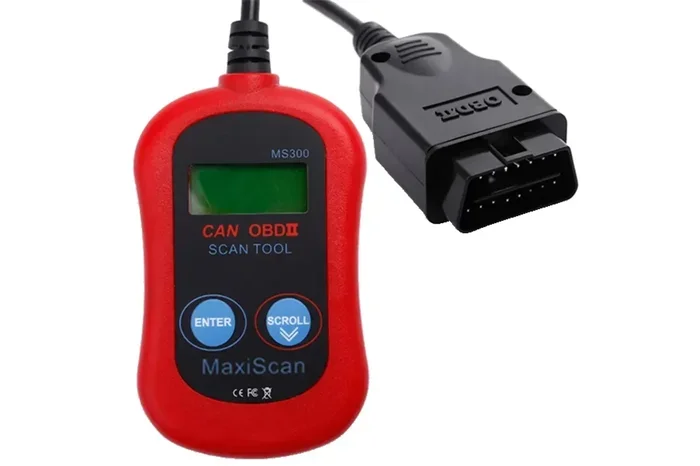
- A professional diagnostic scan tool makes the process faster and more accurate.
📑 Table of Contents
Understanding the P0171 Code
Before you dive into fixes, it helps to understand what P0171 actually means. Your engine needs a precise mix of air and fuel to run correctly. The engine control module, or ECM, constantly monitors this balance using sensors like the oxygen sensor and the mass airflow sensor. When the ECM detects that the mixture is too lean, it throws the P0171 code.
The term “Bank 1” refers to the side of the engine that contains cylinder number one. On most four-cylinder engines, there is only one bank, so P0171 applies to the whole engine. On V6 or V8 engines, Bank 1 is the side with the first cylinder.
What Does “Lean” Mean for Your Engine?
A lean condition means there is too much air relative to fuel in the combustion chamber. Think of it like a recipe where you accidentally add way too much flour and not enough water. The result is a dry, rough mixture that does not burn properly.
When your engine runs lean, you might notice these symptoms:
- Check engine light is on
- Rough or shaky idle
- Hesitation or stumbling when you accelerate
- Poor fuel economy
- Engine stalling, especially at idle
- Hard starts or no-start condition in severe cases
These symptoms are your car trying to tell you something is wrong. The good thing is that P0171 gives you a clear starting point for diagnosis. You know the problem involves a lean fuel mixture, so you can focus your search on air intake and fuel delivery issues.
The Most Common Cause of P0171: Vacuum Leaks
If you ask ten experienced mechanics what causes P0171, most will say the same thing. A vacuum leak is the single most common cause of the P0171 code. Here is why this happens so often.
Your engine has a carefully sealed intake system. The mass airflow sensor measures the exact amount of air coming into the engine, and the fuel system delivers the matching amount of fuel. But when a vacuum leak develops, extra air sneaks past the sensor and into the engine. The ECM does not know about this extra air, so it does not add more fuel. The result is a lean mixture, and your car stores the P0171 code.
Where Do Vacuum Leaks Usually Happen?
Vacuum leaks can pop up in several places, and some are more common than others:
- Cracked or brittle vacuum hoses: These rubber lines degrade over time, especially in older vehicles or hot engine compartments.
- Intake manifold gasket leaks: The gasket seals the intake manifold to the engine block. When it fails, unmetered air enters the system.
- Loose or damaged intake manifold bolts: Even a slightly loose bolt can create a tiny gap that lets air sneak through.
- Cracked PCV valve or hose: The positive crankcase ventilation system has rubber connections that can dry out and crack.
- Brake booster hose leaks: The hose connecting to the brake booster can develop cracks, causing a significant lean condition.
- Throttle body gasket leaks: The gasket between the throttle body and intake manifold can wear out over time.
Vacuum leaks are especially common on vehicles with over 80,000 miles. The rubber components simply age and become brittle. But they can also happen on newer cars if the engine was worked on recently and a hose was not reconnected properly.
Expert Insight
Veteran mechanics often say that vacuum leaks are the “silent killer” of engine performance. Because the leak can be tiny, you might not notice any obvious symptoms at first. The P0171 code is often the first real sign that something is off. Catching it early saves you from bigger problems down the road.
Other Common Causes of P0171
While a vacuum leak is the top culprit, P0171 can be triggered by several other issues. It is important to check these too, especially if you have already ruled out vacuum leaks.
Faulty Mass Airflow Sensor
The mass airflow sensor, or MAF sensor, measures how much air flows into your engine. If this sensor is dirty or failing, it can send incorrect readings to the ECM. When the sensor underreports airflow, the ECM delivers too little fuel, and you get a lean condition. A dirty MAF sensor is one of the most overlooked causes of P0171.
Clogged or Dirty Fuel Injectors
Fuel injectors spray fuel into the combustion chambers. Over time, they can become clogged with carbon deposits or contaminants. When an injector cannot deliver enough fuel, the engine runs lean on that cylinder, and the P0171 code may appear.
Weak Fuel Pump
Your fuel pump pushes gasoline from the tank to the engine. If the pump is aging or failing, it may not generate enough pressure to deliver the right amount of fuel. A weak fuel pump often causes P0171 along with performance issues under heavy load or at highway speeds.
Faulty Fuel Pressure Regulator
The fuel pressure regulator controls the pressure of fuel flowing through the fuel rail. If it fails, fuel pressure can drop too low, leading to a lean fuel mixture. This is a less common cause but still worth checking, especially on higher-mileage vehicles.
Exhaust Leaks Before the Oxygen Sensor
The oxygen sensor measures how much oxygen is in the exhaust gases. If there is an exhaust leak between the engine and the sensor, outside air can enter the exhaust stream. This tricks the sensor into thinking the mixture is lean, and the ECM responds by adjusting the fuel mixture accordingly, sometimes triggering P0171.
Dirty Air Filter or Air Intake Issues
A severely clogged air filter can restrict airflow, but paradoxically, it usually causes a rich condition, not a lean one. However, if the air filter is missing or the air intake duct is disconnected, unfiltered air can enter the engine without being measured by the MAF sensor. This unmetered air causes the lean condition that triggers P0171.
EVAP System Malfunctions
The evaporative emission control system prevents fuel vapors from escaping into the atmosphere. A malfunction in the EVAP system, such as a stuck-open purge valve, can sometimes cause a lean condition by allowing fuel vapors to enter the intake at the wrong time.
How to Diagnose P0171 Step by Step
Diagnosing P0171 does not require a degree in engineering. With the right approach, you can narrow down the cause in under an hour. Here is a step-by-step process that works for most vehicles.
Step 1: Check for Other Codes
Before focusing on P0171 alone, look at all the codes stored in your scanner. If you see additional codes like P0174 (System Too Lean Bank 2), P0300 (random misfire), or codes related to the MAF sensor, they give you valuable clues about the root cause.
Step 2: Inspect for Visible Vacuum Leaks
Pop the hood and visually inspect all vacuum hoses. Look for cracks, loose connections, or hoses that have fallen off. Pay special attention to the hoses connected to the brake booster, PCV valve, and intake manifold. A visual inspection alone finds the problem about 30% of the time.
Step 3: Perform a Smoke Test
A smoke test is the gold standard for finding vacuum leaks. You introduce low-pressure smoke into the intake system, and it escapes through any leaks, making them visible. You can buy a basic smoke test kit for around $50 to $100, or many auto parts stores will perform the test for free or a small fee.
Step 4: Spray Carb Cleaner Around Suspect Areas
With the engine idling, carefully spray small amounts of carburetor cleaner around vacuum hoses, the intake manifold gasket, and the throttle body. If the engine RPM changes when you spray a certain area, you have found your leak. Be very careful around hot exhaust components and open flames.
Step 5: Check Fuel Pressure
Connect a fuel pressure gauge to the fuel rail and compare the reading to your vehicle’s specifications. Low fuel pressure points to a weak fuel pump, a clogged fuel filter, or a faulty pressure regulator.
Step 6: Inspect the MAF Sensor
Remove the MAF sensor and inspect it for dirt or contamination. You can clean it with a specialized MAF sensor cleaner spray. Do not touch the delicate wires inside with your fingers. If cleaning it does not help, the sensor may need to be replaced.
Step 7: Check the Oxygen Sensor
Use your scanner to watch the oxygen sensor readings in real time. A healthy sensor should fluctuate smoothly between 0.1 and 0.9 volts. If the readings are stuck low or sluggish, the oxygen sensor may be faulty and need replacement.
Quick Tips for Diagnosis
- Always start with the simplest and cheapest possibilities first
- Take notes on what you find so you can track your progress
- Use a diagnostic scan tool with live data for real-time sensor monitoring
- Do not replace parts blindly without confirming they are actually faulty
How to Fix P0171: Solutions for Every Budget
Once you have identified the cause of P0171, the fix depends on what you found. Here is a breakdown of solutions ranked from least expensive to most costly.
Fix 1: Repair or Replace Vacuum Hoses
If a cracked vacuum hose is the problem, replacing it is usually very affordable. A pack of vacuum hose replacements costs around $5 to $15, and the repair takes about 15 minutes. Simply disconnect the old hose, slide on the new one, and secure it with a clamp if needed.
Fix 2: Replace the Intake Manifold Gasket
A leaking intake manifold gasket is a more involved repair but still very manageable for most DIYers. The gasket itself costs $10 to $30, and the job takes one to two hours depending on the engine. You will need a basic set of hand tools and a torque wrench to properly tighten the manifold bolts.
Fix 3: Clean or Replace the MAF Sensor
Cleaning the MAF sensor with a dedicated cleaner costs about $10 to $15. If the sensor needs replacement, expect to pay $50 to $200 for the part. The replacement is straightforward and usually takes 15 to 30 minutes.
Fix 4: Replace Fuel Injectors
Clogged fuel injectors can sometimes be cleaned with a fuel system cleaner additive, which costs around $10 to $15 per bottle. If the injectors are too far gone, replacement is necessary. A single injector costs $20 to $60, and a full set can run $100 to $300 depending on your vehicle.
Fix 5: Replace the Fuel Pump or Pressure Regulator
A failing fuel pump is one of the more expensive P0171 fixes. The pump itself costs $100 to $300, and labor adds another $100 to $200. A fuel pressure regulator is cheaper, typically $50 to $150 for the part.
Fix 6: Repair Exhaust Leaks
Exhaust leaks near the oxygen sensor can often be fixed by tightening or replacing a gasket. This repair usually costs $50 to $150 for parts and labor combined.
Comparison Table: P0171 Repair Costs
| Repair | Part Cost | Labor Cost | Total Cost | Difficulty |
|---|---|---|---|---|
| Vacuum hose replacement | $5-$15 | $0 (DIY) | $5-$15 | Easy |
| Intake manifold gasket | $10-$30 | $0 (DIY) | $10-$30 | Moderate |
| MAF sensor cleaning | $10-$15 | $0 (DIY) | $10-$15 | Easy |
| MAF sensor replacement | $50-$200 | $0 (DIY) | $50-$200 | Easy |
| Fuel injector cleaning | $10-$15 | $0 (DIY) | $10-$15 | Easy |
| Fuel injector replacement | $100-$300 | $100-$200 | $200-$500 | Moderate |
| Fuel pump replacement | $100-$300 | $100-$200 | $200-$500 | Hard |
| Exhaust leak repair | $20-$50 | $30-$100 | $50-$150 | Moderate |
Note: Costs vary by vehicle make and model. Prices are estimates for parts and labor in USD.
Common Mistakes People Make When Fixing P0171
One of the biggest mistakes is replacing the oxygen sensor without first checking for vacuum leaks. The oxygen sensor is rarely the actual cause of P0171. Another common error is ignoring a dirty MAF sensor and jumping straight to expensive repairs. Always follow a logical diagnostic sequence to avoid wasting money.
Preventing P0171 from Coming Back
Once you have fixed P0171, you probably do not want it to come back. The good news is that prevention is mostly about staying on top of routine maintenance and keeping an eye on your engine’s health.
Here is what you can do to keep P0171 away:
- Replace your air filter regularly: A clean air filter ensures proper airflow and prevents debris from entering the intake system.
- Inspect vacuum hoses during oil changes: A quick visual check every few oil changes can catch cracks before they become a problem.
- Use quality fuel: Lower-quality fuel can leave carbon deposits that clog fuel injectors and contaminate the MAF sensor.
- Add fuel system cleaner periodically: A bottle of fuel injector cleaner every few thousand miles helps keep injectors flowing freely.
- Address check engine lights promptly: Do not ignore warning codes. The longer a problem goes unfixed, the more damage it can cause.
- Keep up with scheduled maintenance: Follow your vehicle manufacturer’s maintenance schedule for spark plugs, air filters, and fuel system services.
Expert Insight
Experienced mechanics recommend keeping a small maintenance log for your vehicle. When you notice small changes in engine performance, such as a slightly rough idle or a drop in fuel economy, write it down. These small symptoms can be early warning signs of problems that eventually trigger codes like P0171. Catching them early makes the fix much simpler and cheaper.
When to See a Professional Mechanic
Many P0171 causes are DIY-friendly, but some situations call for a professional. If you have checked for vacuum leaks, cleaned the MAF sensor, and verified fuel pressure, but the code keeps coming back, it is time to seek expert help. A professional mechanic has access to advanced diagnostic tools like live data stream analysis and specialized smoke testing equipment that can pinpoint elusive leaks.
Additionally, if the P0171 code is accompanied by severe symptoms like engine stalling, significant power loss, or a flashing check engine light, do not keep driving the vehicle. Pull over safely and have the car towed to a repair shop. Continuing to drive a severely lean engine can cause catastrophic engine damage, including melted pistons or a destroyed catalytic converter.
The catalytic converter is especially vulnerable to prolonged lean conditions. A damaged catalytic converter can cost $1,000 or more to replace, which is why addressing P0171 early is so important. Think of it as an investment in avoiding a much bigger bill later.
Final Thoughts on P0171
P0171 is a common and usually manageable trouble code. The most common cause is a vacuum leak, which is often an inexpensive and straightforward fix. By understanding what the code means, following a systematic diagnostic process, and addressing the root cause, you can get your engine running smoothly again without spending a fortune.
Remember to always start with the simplest checks and work your way up. A visual inspection of vacuum hoses takes just a few minutes and costs nothing. A smoke test takes a little more effort but gives you definitive answers. And cleaning or replacing a MAF sensor is a quick job that resolves the problem more often than you might expect.
The key takeaway is this: do not panic when you see P0171 on your scanner. You now have the knowledge to tackle it head-on. Whether you are a weekend wrench-turner or someone who prefers to hand the job over to a pro, understanding the cause is the first step toward the fix. Your car will thank you with better performance, improved fuel economy, and fewer trips to the repair shop.
Frequently Asked Questions
Can I drive my car with a P0171 code?
You can drive short distances with a P0171 code, but it is not recommended for long trips. A lean fuel mixture can cause engine misfires, overheating, and potential damage to the catalytic converter over time. Have the issue diagnosed and repaired as soon as possible to avoid costly repairs.
How much does it cost to fix P0171?
The cost depends entirely on the root cause. A simple vacuum hose repair might cost under $20, while a fuel pump replacement could run $300 or more. Most fixes for P0171 fall in the $50 to $200 range when done yourself or at a local repair shop.
Can a dirty air filter cause P0171?
A dirty air filter typically causes a rich condition, not a lean one. However, if the air filter is missing or the intake duct is disconnected, unmetered air can enter the engine and trigger P0171. Always check your air intake components when diagnosing a lean code.
Will a P0171 code clear itself?
The code may temporarily clear if the root cause is minor and intermittent, but it will usually return once the lean condition persists. It is best to address the underlying problem rather than simply clearing the code with a scanner.
What is the difference between P0171 and P0174?
P0171 refers to a lean condition on Bank 1, while P0174 refers to a lean condition on Bank 2. On a four-cylinder engine, only Bank 1 exists, so you will typically only see P0171. On V6 and V8 engines, both codes can appear if the lean condition affects both sides of the engine.
Can a bad oxygen sensor cause P0171?
A faulty oxygen sensor can contribute to P0171, but it is not the most common cause. The sensor might send incorrect readings to the ECM, leading the computer to adjust the fuel mixture incorrectly. However, vacuum leaks, MAF sensor issues, and fuel delivery problems are more frequently the true culprits behind P0171.
=== CONCLUSION ===
P0171 is a code that should not be ignored, but it is also not something to fear. The most common cause, a vacuum leak, is a problem you can find and fix yourself with basic tools and a little patience. By working through the diagnostic steps in this guide, you can identify the root cause and apply the right fix for your situation.
Remember that early action is your best friend. The sooner you address a lean fuel mixture, the less likely you are to face expensive damage to your engine or catalytic converter. Keep up with regular maintenance, watch for early warning signs, and do not hesitate to dig under the hood when that check engine light comes on.
You now have everything you need to understand, diagnose, and fix P0171. Put this knowledge to work, and your engine will run better, last longer, and save you money in the process.