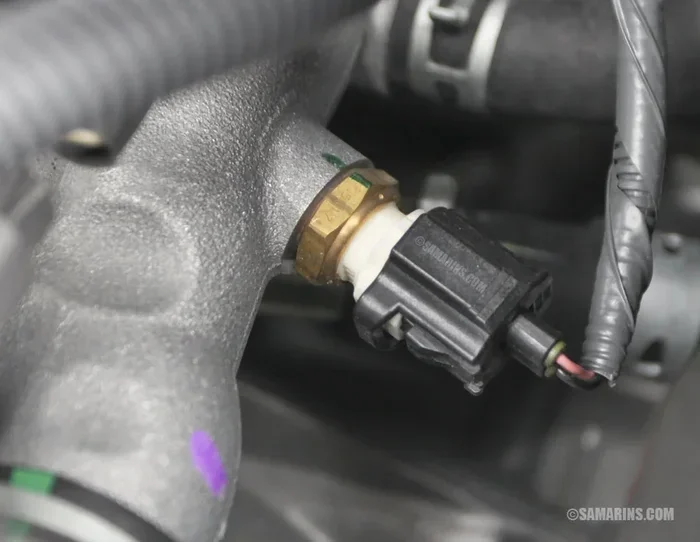
What Does the ECT Control and Why It Really Matters
The ECT control, or Engine Coolant Temperature control, is the system that tells your car’s computer how hot or cold the engine is. It plays a huge role in fuel delivery, ignition timing, and cooling fan operation. When the ECT control works right, your engine runs smooth, efficient, and cool. When it fails, you risk overheating, poor fuel economy, and costly repairs.
Your car has hundreds of parts working together every second you drive. Most of them stay hidden and do their job quietly. But when something goes wrong, you feel it. The ECT control is one of those hidden systems that makes a massive difference in how your engine runs. Without it working properly, your engine can overheat, waste fuel, or even stall out on the road.
So what exactly does the ECT control do? And why should you care about it? This guide breaks it all down in plain language. Whether you are a car owner who wants to understand your vehicle better or someone dealing with a check engine light, you will find everything you need right here. Let us dive in.
Key Takeaways
- Regulates engine temperature: The ECT control helps the ECU manage how your engine heats up and stays at the right operating temperature.
- Affects fuel mixture: It tells the engine whether to run rich or lean based on coolant temperature readings.
- Controls the cooling fan: The ECT signal triggers the fan to turn on when the engine gets too hot.
- Impacts ignition timing: The ECU adjusts spark timing using data from the ECT sensor for optimal performance.
- Common failure symptoms: Overheating, poor fuel economy, rough idle, and a check engine light are all red flags.
- Easy to diagnose: A simple OBD-II scan or multimeter test can reveal ECT problems quickly.
- Prevention is simple: Regular coolant flushes and inspections keep the ECT control system working well for years.
📑 Table of Contents
- What Is the ECT Control?
- What Does the ECT Control?
- Common ECT Control Problems and Symptoms
- How to Diagnose ECT Control Issues
- Can You Drive with a Bad ECT Control?
- Preventing ECT Control Problems
- How the ECT Control Impacts Engine Efficiency
- The Difference Between ECT Sensor and ECT Control
- ECT Control in Different Vehicle Types
- When to Replace the ECT Sensor
- Final Thoughts on the ECT Control
What Is the ECT Control?
The ECT control stands for Engine Coolant Temperature control. It is a system built into your car that monitors how hot or cold your engine coolant is. The system includes a sensor, the engine control unit (ECU), and the wiring that connects them all together. Together, these parts form a feedback loop that keeps your engine running at the perfect temperature.
Think of it like a thermostat in your house. Your thermostat reads the room temperature and tells the furnace to kick on or shut off. The ECT sensor does the same thing for your engine. It sends temperature data to the ECU, which then adjusts engine operations accordingly. This whole process happens in milliseconds, and you never even notice it.
How the ECT Sensor Works
The ECT sensor is a small device, usually made of ceramic or semiconductor material. It sits in the engine block or near the thermostat housing. As the coolant flows past it, the sensor measures the temperature and sends a resistance signal to the ECU. When the engine is cold, the resistance is high. When the engine is warm, the resistance drops.
The ECU reads this signal and uses it to make real-time adjustments. These adjustments affect everything from fuel injection to fan operation. The system is incredibly precise, and modern cars rely on it heavily for efficient running. If the sensor sends wrong data, the ECU makes wrong decisions, and problems start to pile up fast.
Where the ECT Sensor Is Located
In most vehicles, the ECT sensor is located near the engine thermostat or on the engine block itself. You can usually find it where the upper radiator hose connects to the engine. Some cars have more than one ECT sensor. One might monitor the coolant for the ECU, while another sends data to the dashboard temperature gauge.
Finding the exact location depends on your vehicle make and model. Checking your owner manual is always a good first step. If you are unsure, a mechanic can quickly point it out during a routine inspection.
What Does the ECT Control?
The ECT control touches many aspects of engine operation. It is not just one thing. It is a system that influences several critical functions. Let us look at each one closely so you understand just how important this system really is.
Fuel Mixture Adjustment
When your engine is cold, it needs more fuel to run smoothly. The ECT control tells the ECU that the engine is cold, and the ECU responds by enriching the fuel mixture. This means it injects more fuel into the combustion chamber. Once the engine warms up, the ECT signal changes, and the ECU leans out the mixture for better efficiency.
If the ECT sensor fails and sends a constant cold signal, your engine will run rich all the time. That means too much fuel. You will notice poor fuel economy, a strong exhaust smell, and black smoke from the tailpipe. On the flip side, if it sends a hot signal when the engine is actually cold, the engine may run lean and misfire.
Ignition Timing Control
The ECU also uses ECT data to adjust ignition timing. Spark timing changes depending on engine temperature. A cold engine needs a slightly different spark timing than a warm one. The ECT control provides the data that makes these adjustments possible.
When the ECT sensor is working correctly, your engine runs with smooth power delivery. When it fails, you might notice rough idling, hesitation during acceleration, or even engine knocking. These are not just annoying. They can cause long-term damage if left unchecked.
Cooling Fan Activation
One of the most important jobs of the ECT control is managing the cooling fan. The fan kicks on when the engine reaches a certain temperature threshold. The ECT sensor tells the ECU when that threshold is reached, and the ECU activates the fan relay.
This is especially critical in stop-and-go traffic or on hot days. Without a working ECT control, the fan might never turn on, and your engine could overheat quickly. Or the fan might run constantly, draining your battery and wasting energy. Either way, a faulty ECT sensor creates real problems.
Engine Warm-Up Optimization
Your engine performs best once it reaches its normal operating temperature, usually around 195 to 220 degrees Fahrenheit. The ECT control helps the engine get there faster by managing the fuel mixture and idle speed during warm-up. This process is called engine warm-up optimization.
During cold starts, the ECU raises the idle RPM slightly to help the engine warm up faster. It also keeps the fuel mixture richer. Once the ECT sensor reports that the engine has reached operating temperature, the ECU normalizes everything. This entire process depends on accurate ECT data flowing without interruption.
Common ECT Control Problems and Symptoms
Like any car part, the ECT control system can fail over time. Sensors wear out, wiring gets corroded, and connectors loosen. When that happens, your engine does not get the right information. Here are the most common problems and how to spot them early.
ECT Sensor Failure Signs
Watch for these warning signs that your ECT sensor or control system might be failing:
- Check engine light: This is often the first and most obvious sign. The ECU detects an abnormal reading and triggers the light.
- Temperature gauge reading erratically: The needle may bounce between hot and cold or sit in an unusual position.
- Poor fuel economy: A bad ECT sensor can cause the engine to run too rich or too lean, wasting fuel.
- Engine overheating: If the sensor fails and the cooling fan never activates, temperatures can spike dangerously.
- Rough idle or stalling: Incorrect fuel mixture data from a faulty sensor leads to unstable engine performance.
- Black exhaust smoke: Running rich due to a bad cold-engine signal produces dark smoke from the exhaust.
What Happens When the ECT Control Goes Bad
A failing ECT control can cause a range of issues, from minor annoyances to serious engine damage. Here is what can go wrong:
If the sensor sends a permanently cold signal, the engine never shifts out of warm-up mode. Fuel economy drops, emissions rise, and the engine runs poorly. If it sends a permanently hot signal, the ECU thinks the engine is always at operating temperature. It may lean out the fuel mixture too much, causing misfires and power loss.
In worst-case scenarios, a failed ECT control can lead to engine overheating. When the cooling fan does not activate because the ECU never gets the right signal, engine temperatures climb rapidly. This can warp cylinder heads, blow head gaskets, or even crack the engine block. These repairs are expensive and completely preventable with timely attention.
How to Diagnose ECT Control Issues
Diagnosing ECT control problems is not as hard as it sounds. With the right tools and a little patience, you can narrow down the issue yourself or give your mechanic clear information to work with.
Using an OBD-II Scanner
An OBD-II scanner is the easiest way to check for ECT-related trouble codes. Plug it into the diagnostic port under your dashboard and turn the ignition to the ON position. The scanner will read any stored codes from the ECU.
Common ECT-related codes include P0115 through P0118. These codes specifically point to ECT sensor circuit problems. A scanner will also show you the live temperature reading from the sensor. Compare that reading to the actual engine temperature. If they do not match, you likely have a faulty sensor or wiring issue.
Testing the ECT Sensor with a Multimeter
If you have a multimeter, you can test the ECT sensor directly. Disconnect the sensor connector and set your multimeter to measure resistance. Touch the probes to the sensor terminals and compare the reading to the manufacturer specifications.
At room temperature, a typical ECT sensor should read between 2,000 and 3,000 ohms. As you heat the sensor with a heat gun, the resistance should drop steadily. If the reading stays flat or jumps erratically, the sensor needs replacement. This simple test can save you hundreds of dollars in diagnostic fees.
Quick Tip: Always check the wiring and connectors before replacing the sensor. Corroded or damaged wiring can mimic ECT sensor failure and lead to unnecessary part replacements.
Can You Drive with a Bad ECT Control?
The short answer is yes, but you should not. A bad ECT control might not shut your car down immediately. Your engine will still run, but not efficiently. You might notice reduced power, increased fuel consumption, or erratic temperature readings on the dashboard.
Driving with a faulty ECT control puts extra stress on the engine. If the cooling fan fails to activate, the engine can overheat during long drives or in heavy traffic. Overheating even once can cause permanent damage. It is not worth the risk. Get the ECT control system checked as soon as you notice any symptoms.
If you live in a hot climate or drive in stop-and-go conditions, the stakes are even higher. Your cooling system works harder, and a broken ECT sensor can turn a manageable situation into a roadside emergency fast.
Preventing ECT Control Problems
Prevention is always better than repair, and the ECT control system is no exception. A few simple habits can keep this system working reliably for the life of your vehicle.
- Keep your coolant fresh: Old or low coolant affects how well the ECT sensor reads temperature. Follow your owner manual for coolant flush intervals.
- Check for leaks regularly: Coolant leaks can cause low coolant levels, which lead to inaccurate temperature readings and overheating.
- Inspect wiring and connectors: Corrosion on the ECT sensor connector is a common cause of false readings. A quick visual check during oil changes can catch this early.
- Address check engine lights promptly: Ignoring a check engine light can let small ECT issues turn into big engine problems. Get it scanned right away.
- Use quality coolant: Cheap or wrong coolant can cause corrosion inside the cooling system, which damages the ECT sensor over time.
Taking these small steps can extend the life of your ECT control system and protect your engine from unnecessary wear. A little prevention goes a long way toward avoiding expensive repairs down the road.
How the ECT Control Impacts Engine Efficiency
The ECT control plays a direct role in how efficiently your engine runs. Modern engines are designed to operate within a very tight temperature window. The ECU constantly adjusts parameters based on ECT data to keep everything in that sweet spot.
When the ECT control is working perfectly, your engine achieves optimal fuel economy, smooth power delivery, and low emissions. When it fails, efficiency drops across the board. You burn more fuel, produce more emissions, and lose performance. Over time, this adds up at the pump and at the repair shop.
Many car owners do not realize how much the ECT control affects daily driving. It is not just about preventing overheating. It is about making sure every aspect of engine operation is tuned to the current temperature. That level of precision is what keeps modern engines reliable and efficient year after year.
The Difference Between ECT Sensor and ECT Control
People often use these terms interchangeably, but there is a difference. The ECT sensor is the physical device that measures coolant temperature. The ECT control refers to the entire system, including the sensor, wiring, ECU programming, and the actuators it controls, like the cooling fan and fuel injectors.
Understanding this distinction helps when diagnosing problems. A faulty sensor is just one part of the system. Sometimes the issue is in the wiring. Other times, it is a software calibration issue in the ECU. Knowing the difference can save you time and money when you are trying to fix an ECT-related problem.
ECT Control in Different Vehicle Types
ECT control systems vary depending on the type of vehicle. Gasoline engines rely heavily on ECT data for fuel mixture and ignition timing. Diesel engines use ECT information for glow plug timing and fuel injection scheduling. Hybrid vehicles add another layer, using ECT data to decide when to engage the electric motor and when to rely on the gasoline engine.
No matter the vehicle type, the basic principle remains the same. The ECT control tells the engine how hot it is, and the engine adjusts accordingly. The complexity may differ, but the importance does not change. Every vehicle on the road benefits from a properly functioning ECT system.
When to Replace the ECT Sensor
ECT sensors do not last forever. Over time, they wear out and start sending inaccurate readings. Most ECT sensors last between 100,000 and 150,000 miles, but extreme conditions can shorten their lifespan. If you live in a very hot climate or frequently tow heavy loads, your ECT sensor may wear out faster.
Replacement is usually straightforward and affordable. The sensor itself costs between 20 and 80 dollars for most vehicles. Labor is typically under an hour, so total costs rarely exceed 150 dollars. Compare that to the cost of engine damage from overheating, and the value of a timely replacement becomes obvious.
Expert Insight: If you replace the ECT sensor and the problem persists, do not assume the new sensor is faulty. Always check the wiring, connectors, and ECU programming first. In many cases, the root cause is something simpler than a bad sensor.
Final Thoughts on the ECT Control
The ECT control is one of those systems in your car that you barely notice when it works. But when it fails, you feel it quickly. From fuel economy to engine temperature to overall performance, the ECT control touches nearly everything your engine does. It is a small part with a big job.
Taking care of your ECT control system means taking care of your engine. Regular maintenance, prompt attention to warning signs, and a basic understanding of how the system works can save you time, money, and headaches. Your car works hard for you every day. Giving the ECT control the attention it deserves is a small price to pay for a long, healthy engine life.
Now that you know what the ECT control does and why it matters, you are better equipped to spot problems early and keep your engine running its best. Do not wait for a breakdown. Check your ECT system regularly, and your car will thank you for years to come.
Frequently Asked Questions
What happens if the ECT sensor fails while driving?
If the ECT sensor fails while driving, the ECU will default to a preset safe fuel and ignition map. Your engine may run rough, lose power, or consume more fuel than usual. In some cases, the cooling fan may not activate properly, which can lead to overheating. Pull over safely and get the vehicle inspected as soon as possible.
How much does it cost to replace an ECT sensor?
For most vehicles, the ECT sensor itself costs between 20 and 80 dollars. Labor typically adds another 50 to 100 dollars, depending on the vehicle make and sensor location. Total replacement costs usually range from 70 to 150 dollars, making it one of the more affordable engine repairs you can do.
Can a bad ECT sensor cause a car not to start?
Yes, in some cases a bad ECT sensor can prevent a car from starting. If the sensor sends a signal that the engine is extremely cold, the ECU may inject too much fuel, causing a flooded condition. It can also cause starting problems if the ECU cannot properly adjust the fuel mixture for a cold start.
How often should the ECT sensor be checked?
There is no set interval for ECT sensor replacement, but it should be inspected during every routine maintenance visit. Checking the sensor connector for corrosion and testing the resistance readings periodically can help catch problems before they become serious. Most sensors last well over 100,000 miles when properly maintained.
Is the ECT control the same as the thermostat?
No, they are different parts that work together. The thermostat is a mechanical valve that regulates coolant flow through the engine. The ECT control is an electronic system that measures coolant temperature and sends data to the ECU. Both are important for engine temperature management, but they operate in completely different ways.
Can I clean an ECT sensor instead of replacing it?
Cleaning the ECT sensor connector and removing corrosion can sometimes restore proper function. However, if the sensor element itself is faulty, cleaning will not fix the problem. A multimeter test can confirm whether the sensor needs cleaning or full replacement. When in doubt, replacement is the safer and more reliable option.
=== CONCLUSION ===
The ECT control is a vital part of your vehicle that keeps your engine running at the right temperature. It adjusts fuel mixture, controls ignition timing, activates the cooling fan, and optimizes warm-up performance. When it works, you never think about it. When it fails, your engine suffers in multiple ways.
Learning what the ECT control does empowers you as a car owner. You can spot warning signs early, diagnose problems more confidently, and take better care of your vehicle. Simple maintenance habits like checking coolant levels and inspecting connectors can prevent most ECT-related issues before they start.
Do not wait for a warning sign to take action. If your check engine light is on or your temperature gauge is acting strange, get the ECT control system checked. A small investment in diagnosis today can save you from a major engine repair tomorrow. Your engine works hard for you every day. Give it the care it deserves by keeping the ECT control in top shape.