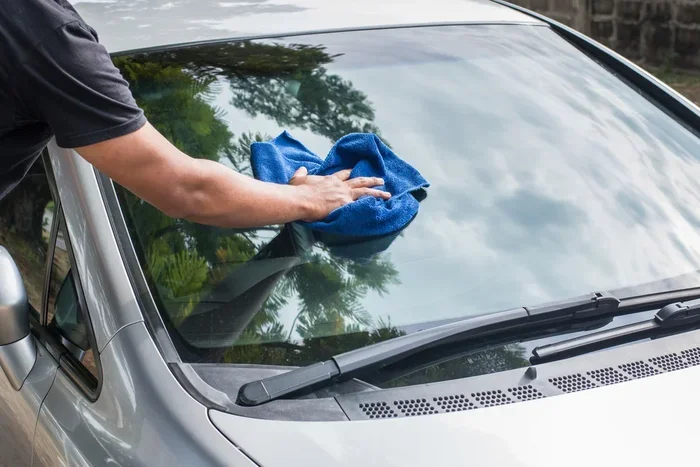
Removing 30 Unwanted Things From Car Glass Made Simple
Removing 30 unwanted things from car glass is easier than you think. This guide covers everything from bug splatter and water spots to adhesive residue and interior haze. You will learn proven methods, the right tools, and simple prevention tips to keep your car glass crystal clear all year long.
Your car glass takes a beating every single day. Bugs, rain, dust, tar, and fingerprints all pile up without you noticing. Before long, your once-clear windows look dull, streaky, and downright grimy. That is where removing 30 unwanted things from car glass comes in.
Whether you are a daily commuter or an occasional weekend driver, dirty car glass affects your visibility and your safety. It also makes your whole vehicle look older and neglected. The good news is that most of these messes come off with simple methods and the right products. You do not need a professional detailer or expensive equipment to get the job done.
In this guide, we walk you through every unwanted substance that finds its way onto your car glass. We explain why each one is so stubborn, what tools work best, and exactly how to remove it. By the end, you will have a complete car glass cleaning routine that saves you time, money, and frustration.
Key Takeaways
- Know your enemies: Understanding the 30 unwanted things that cling to car glass helps you choose the right cleaning method every time.
- Use the right tools: Having the correct glass cleaner, microfiber cloths, and scrapers makes the job faster and safer.
- Follow a routine: A simple daily and weekly cleaning habit prevents tough buildup from ever forming.
- Avoid common mistakes: Skip the harsh chemicals and abrasive tools that can damage your car glass.
- Protect after cleaning: Apply rain repellent and glass sealant to keep your windows looking great longer.
- Interior matters too: Don’t forget the inside of your windows, where dust and fumes create stubborn haze.
- Prevention is key: A few simple habits save you hours of deep cleaning down the road.
📑 Table of Contents
Why Car Glass Gets Dirty So Fast
Car glass collects dirt from two main sources: the outside environment and the inside of your vehicle. Each source brings different types of grime, and each requires a specific approach to remove it properly.
The Usual Suspects on the Outside
Your front and rear windows face the full force of the elements. Road debris, bird droppings, tree sap, and industrial fallout all land on your glass throughout the day. Even a short drive in the rain leaves behind mineral deposits and water spots. Over time, these substances bond with the glass surface and become harder to remove.
Bug splatter is one of the most common problems drivers face. Insects contain proteins and acids that bond quickly to paint and glass. The longer you wait to clean them, the more they etch into the surface. Tar spots from road asphalt are another frequent offender, especially on the lower portions of your windshield and rear window.
What Happens on the Inside
The interior of your car glass faces a different kind of dirty. Body oils from your skin, dust particles, and fumes from dashboard plastics all create a hazy film. Smudges from touching the glass while driving add to the problem. In humid climates, condensation can leave water marks that look almost permanent.
Smokers often notice a yellowish film building up on the inside of windows. This residue comes from tar and nicotine in cigarette smoke. Even pet owners deal with paw prints and fur dust settling on interior glass surfaces.
The 30 Unwanted Things You Will Be Removing
Let us break down the full list of unwanted substances you will tackle when you commit to removing 30 unwanted things from car glass. Knowing what each one is helps you choose the correct cleaning method.
Outdoor Grime and Debris
- Bug splatter
- Bird droppings
- Tree sap
- Tar spots
- Road grime
- Dust and dirt
- Rain spots
- Water spots
- Hard water deposits
- Railroad dust
- Construction debris
- Sea salt spray
- Pollen
- Ash and soot
Indoor Stains and Smudges
- Fingerprints
- Hand smudges
- Dust film
- Dashboard haze
- Plastic off-gassing residue
- Pet nose prints
- Condensation marks
- Smoke film
- Food and drink splashes
- Lipstick and makeup marks
Stubborn Buildup and Residue
- Adhesive residue from stickers and decals
- Old tape marks
- Rubber seal residue
- Paint overspray
- Chemical etching from pollution
- Etch marks from hard water
- Sticker ghosting
- Bug guts dried into the glass
- Oxidation film
- Cloudy film from improper cleaning
That covers all 30 unwanted things. Each one responds best to a specific technique, which we will cover in the sections below. The key is to identify what you are dealing with before you start scrubbing.
Tools and Products You Will Need
Having the right tools makes removing 30 unwanted things from car glass much faster and more effective. You do not need to buy everything at once, but having these basics on hand will make a huge difference.
Essential Cleaning Tools
- Microfiber cloths — These are the gold standard for car glass cleaning. They pick up dirt without scratching and leave zero streaks.
- Glass scraper — A plastic or razor blade scraper helps remove stubborn tar, sap, and dried bug remains without damaging the glass.
- Spray bottle — For mixing your own cleaning solution or applying store-bought glass cleaner evenly.
- Soft-bristle brush — Great for loosening dried dirt and dust before wiping.
- Clay bar — Removes embedded contaminants that regular washing misses.
- Detailing brush — Helps clean edges, corners, and window seals where grime builds up.
Best Products for Each Type of Mess
Different substances need different products. Here is a quick guide to matching the right cleaner with the right job.
| Unwanted Substance | Best Product | Why It Works |
|---|---|---|
| Bug splatter | Enzyme-based bug remover | Breaks down protein bonds gently |
| Water spots | Vinegar solution or citric acid cleaner | Dissolves mineral deposits effectively |
| Tar spots | Tar remover or WD-40 | Dissolves asphalt-based sticky residue |
| Adhesive residue | Goo Gone or rubbing alcohol | Breaks down adhesive bonds safely |
| Interior haze | Ammonia-free glass cleaner | Cuts through oily film without fumes |
| Stubborn fingerprints | Glass polish with microfiber | Lifts oils without scratching |
| Rain repellent | Hydrophobic glass coating | Creates a water-shedding barrier |
Step-by-Step Methods for Removing Unwanted Things
Now that you know what you are dealing with and what tools you need, let us walk through the actual cleaning process. These methods work for both exterior and interior car glass.
Quick Daily Cleaning Routine
A simple daily habit prevents most messes from becoming serious problems. Here is a fast routine you can do in under five minutes.
- Start with a quick rinse using a water bottle or hose to knock off loose dirt.
- Spray your glass cleaner spray generously across the window surface.
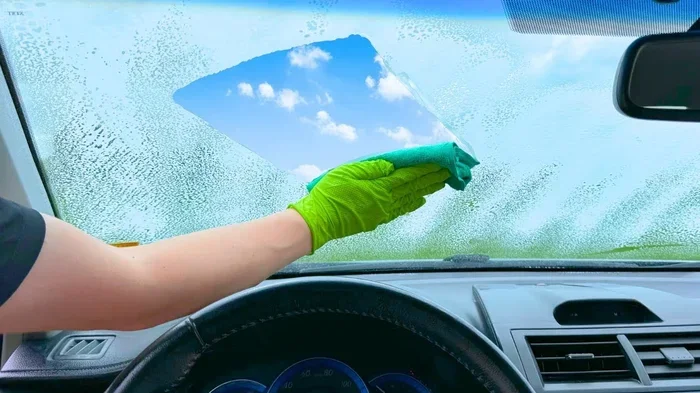
- Wipe with a clean microfiber cloth using straight, overlapping strokes.
- Flip to a dry side of the cloth and buff the glass until it shines.
- Repeat for the interior side using a separate clean cloth.
This daily habit keeps streak-free car windows and stops grime from bonding to the glass. It takes almost no time and makes deep cleaning sessions much less frequent.
Deep Cleaning for Tough Stains
For the stubborn 30 unwanted things that a quick wipe cannot handle, you need a more targeted approach. Here is how to tackle the toughest messes.
For bug splatter and dried insects: Spray a dedicated bug remover and let it sit for three to five minutes. Do not let it dry on the glass. Gently wipe with a microfiber cloth. For dried-on remains, use a plastic scraper at a shallow angle to lift the residue without scratching.
For water spots and hard water deposits: Mix equal parts white vinegar and distilled water in a spray bottle. Apply to the affected area and let it sit for ten minutes. Scrub gently with a soft brush, then rinse and dry with a clean microfiber cloth.
For tar and adhesive residue: Apply a small amount of tar remover or rubbing alcohol to a cloth. Press gently onto the spot and let the solvent dissolve the bond. Wipe away the softened residue. Repeat if needed. Always follow up with a glass cleaner to remove any solvent film.
For interior haze and fingerprints: Spray an ammonia-free glass cleaner onto a microfiber cloth, not directly onto the glass. This prevents the cleaner from dripping onto your dashboard or seats. Wipe in circular motions, then buff dry with a second clean cloth.
Quick Tips for Better Results
- Clean in the shade. Direct sunlight causes cleaning solutions to dry too quickly, leaving streaks and residue behind.
- Use two cloths. One for applying cleaner, one for buffing dry. This prevents re-depositing dirt onto the glass.
- Work top to bottom. Gravity pulls dirty water downward, so cleaning from the top ensures drips do not leave marks on already-clean areas.
- Replace microfiber cloths regularly. Worn cloths lose their effectiveness and can scratch your glass.
- Never use paper towels. They leave tiny paper fibers behind and can scratch the glass surface over time.
Common Mistakes to Avoid
Even well-meaning car owners make mistakes when cleaning their car glass. Avoiding these errors protects your windows and keeps them clear for years.
What Not to Use on Car Glass
Some household cleaners and tools seem convenient but can do serious damage. Avoid these common culprits:
- Ammonia-heavy cleaners on tinted windows. The chemical breaks down tint adhesive and can cause bubbling or peeling.
- Household glass cleaners with silicone. These leave a waxy film that interferes with rain repellent and visibility at night.
- Rough sponges or scrub pads. They create micro-scratches that cloud your glass over time.
- Dry wiping dusty glass. This grinds dirt particles into the surface, causing permanent scratches.
- Toilet paper or napkins. They are too rough and leave behind fibers.
Timing and Technique Errors
Waiting too long between cleanings allows substances like bug splatter and tree sap to bond permanently with the glass. The longer you wait, the harder they are to remove.
Using too much pressure when scrubbing does not clean better. It increases the risk of scratches. Let the cleaning product do the work for you.
Ignoring your window seals is another mistake. Dirt and mold build up in the rubber seals around your windows, which can eventually damage the seal and cause leaks.
Expert Insights on Car Glass Care
Professional detailers share a few insights that make a big difference in how your car glass looks and lasts.
Invest in a clay bar. Even after washing, microscopic contaminants remain embedded in your glass. A detailing clay bar lifts these particles away, leaving the surface perfectly smooth. Use it once a month for best results.
Apply rain repellent regularly. A quality hydrophobic coating causes water to bead and roll off your windshield. This improves visibility in rain and reduces the frequency of your cleaning sessions. Most coatings last four to six weeks before needing reapplication.
Check your wiper blades. Worn wipers scratch your windshield every time you use them. Replace them every six to twelve months, or sooner if you notice streaking. Clean your wiper blades with a damp cloth to remove accumulated grime.
Do not skip the inside. Many people focus only on the exterior of their car glass. The interior side collects just as much grime from off-gassing plastics, skin oils, and smoke. Cleaning both sides ensures true clarity and reduces glare at night.
Keeping Your Car Glass Spotless Long-Term
Once you have removed all 30 unwanted things from your car glass, the next step is keeping it that way. A simple prevention routine goes a long way toward maintaining streak-free car windows and protecting your investment.
Prevention Tips That Work
- Park in a garage or covered area whenever possible. This protects your glass from bird droppings, tree sap, and UV damage.
- Use a windshield sun shade. It reduces heat buildup and minimizes the chemical reactions that cause etching and haze.
- Wipe down your windows after every trip. A quick pass with a dry microfiber cloth removes fingerprints and light smudges before they build up.
- Wash your car regularly. A full wash every one to two weeks removes contaminants before they bond to the glass.
- Apply a glass sealant monthly. This creates a protective barrier that makes future cleaning easier and faster.
Suggested Maintenance Schedule
Consistency is the key to maintaining crystal-clear car glass. Here is a simple schedule to follow.
- Daily: Quick wipe of interior windows with a dry microfiber cloth.
- Weekly: Full exterior and interior glass cleaning with a quality glass cleaner.
- Monthly: Clay bar treatment on exterior glass and application of rain repellent.
- Seasonally: Deep clean of window seals, check wiper blades, and inspect for any chips or cracks.
Following this schedule means you never have to face a major buildup again. Removing 30 unwanted things from car glass becomes a quick and easy task instead of a weekend project.
Conclusion
Your car glass faces a lot every day. From bug splatter and water spots to adhesive residue and interior haze, the list of unwanted substances is long. But with the right knowledge, tools, and routine, you can keep your windows perfectly clear and streak-free.
Removing 30 unwanted things from car glass does not have to be a daunting task. Start with the quick daily routine, tackle stubborn spots with the targeted methods we covered, and follow up with a solid prevention plan. Your car will look better, your visibility will improve, and your windows will last longer.
Take action today. Grab your microfiber cloth, pick up a quality glass cleaner, and give your car the care it deserves. Once you see the difference clean glass makes, you will never go back to driving with dirty windows again.
Frequently Asked Questions
What is the best homemade cleaner for car glass?
A simple mix of one part white vinegar and one part distilled water works wonders on car glass. It cuts through water spots, light grime, and fingerprints without leaving streaks. Spray it on, wipe with a microfiber cloth, and buff dry for a crystal-clear finish.
How often should I clean my car glass?
A quick interior wipe should happen daily or every few days. A full exterior and interior deep clean works best once a week. If you drive in harsh conditions like near the ocean or on dusty roads, you may need to clean more frequently to prevent buildup.
Can I use a razor blade to remove tough spots from car glass?
Yes, a razor blade or glass scraper can remove stubborn tar, sap, and dried bug remains. However, always keep the blade flat against the glass and use light pressure. Wet the surface first and use a lubricant like glass cleaner to prevent scratching.
Why does my car glass get hazy on the inside?
Interior haze comes from off-gassing plastics, skin oils, and dust settling on the glass. Smoke and humidity make it worse. The best fix is a dedicated interior glass cleaner and a microfiber cloth. Cleaning regularly prevents the haze from becoming a stubborn film.
Is it safe to use rain repellent on all car windows?
Rain repellent is safe for most exterior glass surfaces. However, avoid applying it to the inside of your windshield if it could smear onto the dashboard or interfere with your view. Always follow the product instructions and apply it in a shaded area for best adhesion.
What causes water spots on car glass and how do I remove them?
Water spots form when tap water evaporates and leaves behind mineral deposits like calcium and lime. These bonds bond to the glass over time. A vinegar solution or a dedicated water spot remover dissolves these deposits. For severe etching, a professional glass polish may be needed.