Is 28 PSI Too Low to Drive or Will It Hurt Your Car
Is 28 PSI too low to drive? The short answer is: it depends on your vehicle and tire type. For most passenger cars, 28 PSI falls below the recommended range and can affect safety, fuel economy, and tire lifespan. However, some vehicles and tire setups can handle 28 PSI without major issues. This guide breaks down everything you need to know about driving with low tire pressure.
Have you ever glanced at your tire pressure light and wondered, is 28 PSI too low to drive? It is a question many drivers face, especially during seasonal temperature changes or after a long trip. The truth is that tire pressure affects more than just your ride comfort. It impacts your safety, fuel economy, and the overall lifespan of your tires.
Driving with incorrect air pressure is one of the most overlooked maintenance tasks. Yet it can lead to serious consequences on the road. Whether you drive a compact sedan or a full-size truck, understanding what 28 PSI means for your vehicle is essential. In this article, we will explore everything you need to know about is 28 PSI too low to drive, including the risks, when it is acceptable, and how to keep your tires in top shape.
Key Takeaways
- 28 PSI is below the standard recommended range for most passenger vehicles, which typically call for 32 to 35 PSI.
- Driving on underinflated tires increases the risk of blowouts, reduces fuel efficiency, and causes uneven tire wear.
- Cold weather can drop tire pressure by 1 to 2 PSI per 10-degree drop in temperature, making 28 PSI more common in winter months.
- Always check your tire pressure with a reliable gauge and compare it to the PSI listed on your driver-side door jamb.
- 28 PSI may be acceptable for some light trucks and SUVs with different tire specifications, but you should verify with your owner’s manual.
- Ignoring low tire pressure warnings can lead to costly repairs including tire replacement and reduced vehicle handling.
- Quick monthly checks can prevent most tire pressure problems and keep you safe on the road.
📑 Table of Contents
What Does 28 PSI Mean for Your Tires?
Understanding Tire Pressure Ratings
Every tire has a maximum pressure rating printed on the sidewall. This number is not the pressure you should run daily. It is the absolute maximum the tire can handle safely. The recommended operating pressure for your vehicle is listed on a sticker inside the driver’s door frame or in your owner’s manual.
Most passenger cars recommend tire pressure between 32 and 35 PSI. Some vehicles call for as low as 30 PSI, while others need 36 PSI or more. So when you see 28 PSI on your gauge, you are likely below the recommended range. This is where the question is 28 PSI too low to drive becomes important.
Here is a quick look at common tire pressure ranges by vehicle type:
- Compact cars: 30 to 35 PSI
- Mid-size sedans: 32 to 36 PSI
- SUVs and light trucks: 35 to 45 PSI
- Performance vehicles: 33 to 38 PSI
- Minivans: 32 to 36 PSI
As you can see, 28 PSI sits below most of these ranges. But does that mean you cannot drive at all? Not necessarily. Let us dig deeper.
Where to Find Your Recommended PSI
Do not guess your tire pressure. Always check the source. The tire pressure monitoring system, or TPMS, is your car’s built-in alert for low pressure. But it only warns you after the pressure drops significantly. The best practice is to check your tires manually at least once a month.
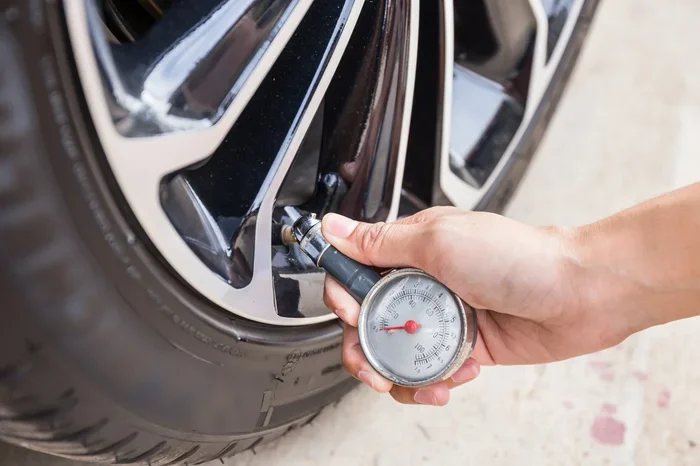
Use a quality tire pressure gauge to get an accurate reading. Digital gauges are more precise than the pencil-style ones you find at gas stations. Write down the recommended PSI for each tire, as some vehicles have different pressures for front and rear tires.
Is 28 PSI Too Low to Drive Safely?
Effects on Tire Wear and Handling
When your tires run below the recommended pressure, the contact patch with the road becomes larger than it should be. This means more rubber is touching the pavement. More contact leads to faster wear on the outer edges of the tread. Over time, this uneven tire wear can shorten your tire lifespan significantly.
Handling suffers too. Underinflated tires feel sluggish in steering response. Your car may feel loose or unresponsive when you turn the wheel. In wet conditions, tire traction drops even further because the tire cannot maintain its proper shape on the road surface.
Here are the main handling and wear effects of driving at 28 PSI:
- Reduced steering responsiveness and increased body roll in turns
- Longer braking distances on wet and dry roads
- Uneven tread wear on the outer edges of the tire
- Increased risk of tire blowout due to excessive flexing
- Poor ride stability at highway speeds
These are not minor issues. They directly affect your safety every time you get behind the wheel.
Fuel Economy and Performance Impact
Low tire pressure creates more rolling resistance. Your engine has to work harder to keep the vehicle moving. This means more fuel consumption. Studies show that underinflated tires can reduce fuel economy by up to 3 percent for every 1 PSI drop below the recommended level.
So if your car recommends 33 PSI and you are running at 28 PSI, you are losing about 15 percent of your fuel efficiency. Over time, that adds up to more trips to the gas station and more money in your wallet. If you care about fuel efficiency and vehicle performance, keeping your tires properly inflated is one of the simplest things you can do.
When Is 28 PSI Acceptable?
Cold Weather and Seasonal Changes
Air pressure inside tires drops when temperatures fall. For every 10-degree drop in ambient temperature, your tire pressure can decrease by about 1 PSI. This means that a tire set at 33 PSI in summer could easily read 28 PSI on a cold winter morning.
So is 28 PSI too low to drive in winter? The answer is nuanced. If your pressure dropped to 28 PSI due to cold weather and you have not had a leak, adding air back to the recommended level is the right move. But if 28 PSI is your normal reading year-round, you should investigate further.
Quick Tip: Always check your tire pressure when the tires are cold. Driving heats up the air inside the tire and raises the reading. Checking first thing in the morning gives you the most accurate baseline.
Different Vehicle Types
Not all vehicles are created equal. Some vehicles, particularly certain light trucks and off-road setups, run lower tire pressures for better traction on soft terrain. In these cases, 28 PSI might actually be within the acceptable range.
However, for most daily drivers, 28 PSI is below the recommended range. Always refer to your vehicle’s owner manual or the door jamb sticker for the correct pressure. Do not rely on what your friend or neighbor runs. Their vehicle and tires may be completely different from yours.
Warning Signs of Low Tire Pressure
TPMS Alerts and Physical Symptoms
Your car will tell you when something is wrong with your tire pressure. The TPMS light on your dashboard is the most obvious warning. It looks like a horseshoe shape with an exclamation point in the center. When this light comes on, do not ignore it.
Beyond the dashboard warning, there are physical signs you can notice while driving:
- Vehicle pulling to one side or feeling off-center on the road
- Visible tire sag or a flatter-looking tire sidewall
- Increased road noise from the tires
- Vibrations in the steering wheel at higher speeds
- Reduced cornering grip when taking turns
If you notice any of these symptoms, pull over safely and check your tire pressure. Driving on severely underinflated tires can cause permanent tire damage and even a dangerous blowout at highway speeds.
TPMS Light Behavior Explained
The TPMS light behaves differently depending on the severity of the pressure loss. A solid yellow light means one or more tires are significantly underinflated. A flashing light often indicates a malfunction in the TPMS sensor itself. Either way, you should address the issue promptly.
Some vehicles show individual tire pressure readings on the dashboard display. This makes it easy to identify which specific tire is low. If your car does not have this feature, a handheld tire pressure gauge is your best tool for diagnosing the problem.
How to Check and Maintain Proper Tire Pressure
Using a Tire Pressure Gauge
Checking your tire pressure is simple and takes only a few minutes. Here is how to do it right:
- Remove the valve cap from the tire valve stem.
- Press the tire pressure gauge firmly onto the valve stem.
- Read the number on the gauge display.
- Compare the reading to the recommended PSI on your door jamb sticker.
- Add air if the reading is low. Release air if it is too high.
- Replace the valve cap securely.
Keep a tire pressure gauge in your glove box at all times. Do not rely solely on the gauges at gas stations. Those gauges are often inaccurate and poorly maintained.
Quick Tips for Tire Maintenance
Proper tire maintenance goes beyond just checking pressure. Here are some habits that will keep your tires healthy and your drives safe:
- Check tire pressure monthly and before long road trips
- Rotate your tires every 5,000 to 7,500 miles
- Inspect tires for visible damage like cuts, bulges, or punctures
- Keep a spare tire properly inflated in your trunk
- Replace tires when tread depth drops below 2/32 of an inch
- Track your tire pressure readings over time to spot slow leaks early
These small habits add up to big savings. Properly maintained tires last longer, perform better, and keep you safer on the road.
Common Mistakes Drivers Make with Tire Pressure
Overlooking Seasonal Changes
Many drivers only think about tire pressure during summer road trips or before winter storms. But temperature changes affect your pressure year-round. A tire that reads perfectly at 70 degrees Fahrenheit may drop to 28 PSI when the temperature falls to 40 degrees.
Make it a habit to check your tire pressure with every season change. This simple routine can prevent most pressure-related problems before they start.
Ignoring the TPMS Light
The TPMS light is not a suggestion. It is a warning. Some drivers see the light and continue driving for weeks without checking their tires. This is a dangerous habit. Even a small pressure loss can compound over time and lead to serious tire damage or a roadside emergency.
If your TPMS light comes on, check your tire pressure as soon as possible. If you are not near a gas station with an air pump, a portable compressor or a visit to a tire shop will solve the problem quickly.
Relying on Visual Inspection Alone
You cannot always tell if a tire is low just by looking at it. Modern tires can lose 5 to 10 PSI before any visible sagging occurs. This is why a proper gauge is essential. Do not trust your eyes when it comes to tire pressure.
Some drivers also overinflate their tires because they think higher pressure equals better performance. Overinflated tires have their own set of problems, including reduced traction, harsh ride quality, and center tread wear. Always stick to the manufacturer’s recommended range.
Expert Insights on Tire Pressure Management
Automotive experts agree that tire pressure is one of the most impactful yet simplest aspects of vehicle maintenance. According to tire safety organizations, properly inflated tires can improve fuel economy by up to 3 percent and extend tire life by up to 25 percent.
Expert Insight: “The most common tire pressure mistake drivers make is checking their tires only when they already have a problem. By then, damage may already be done. A monthly check takes five minutes and can prevent hundreds of dollars in tire replacements and, more importantly, keep you and your family safe on the road.”
Another key point experts emphasize is the difference between the maximum pressure on the tire sidewall and the recommended pressure for your vehicle. The sidewall number is the ceiling, not the target. Always use the vehicle manufacturer’s recommendation for the best balance of comfort, safety, and performance.
If you are unsure about your tire pressure, visit a tire shop or dealership. Most will check your pressure for free. They can also inspect your tires for signs of uneven wear, damage, or slow leaks that you might have missed.
Key Takeaways
- 28 PSI is below the standard recommended range for most passenger vehicles, which typically call for 32 to 35 PSI.
- Driving on underinflated tires increases the risk of blowouts, reduces fuel efficiency, and causes uneven tire wear.
- Cold weather can drop tire pressure by 1 to 2 PSI per 10-degree drop in temperature, making 28 PSI more common in winter months.
- Always check your tire pressure with a reliable gauge and compare it to the PSI listed on your driver-side door jamb.
- 28 PSI may be acceptable for some light trucks and SUVs with different tire specifications, but you should verify with your owner’s manual.
- Ignoring low tire pressure warnings can lead to costly repairs including tire replacement and reduced vehicle handling.
- Quick monthly checks can prevent most tire pressure problems and keep you safe on the road.
Conclusion
So, is 28 PSI too low to drive? For most passenger vehicles, the answer is yes. Running at 28 PSI puts your tires below the recommended operating range, which affects your safety, fuel economy, and tire longevity. While it may not cause an immediate emergency, prolonged driving at this pressure will lead to uneven wear, poor handling, and increased risk of tire failure.
The good news is that tire pressure management is simple and affordable. A basic gauge costs under fifteen dollars. Checking your tires takes just a few minutes each month. And keeping your tires at the correct pressure pays for itself through better fuel economy and longer-lasting tires.
Do not wait for the TPMS light to come on or for your tires to show visible wear. Take a proactive approach to your vehicle maintenance. Check your tire pressure regularly, know your recommended PSI, and address any pressure issues immediately. Your tires are the only part of your car that touches the road. Treat them well, and they will keep you safe for miles to come.
Remember, is 28 PSI too low to drive is not just a question about numbers. It is a question about safety, performance, and taking care of your vehicle. Stay informed, stay proactive, and keep your tires properly inflated.
Frequently Asked Questions
Can I drive long distances with 28 PSI in my tires?
It is not recommended. Driving long distances at 28 PSI increases the risk of tire damage, reduces fuel efficiency, and compromises your handling and braking. If you must drive a short distance to get air, do so cautiously. But for any extended trip, inflate your tires to the recommended PSI first.
What happens if I drive on 28 PSI tires in the rain?
Underinflated tires have a harder time channeling water away from the tread. This increases the risk of hydroplaning. At 28 PSI, your tire’s contact patch is larger and less able to maintain grip on wet surfaces. Always ensure your tire pressure is at the recommended level before driving in rainy conditions.
How much does it cost to fix low tire pressure?
Adding air to your tires is free at most gas stations and tire shops. If you have a slow leak that needs repair, a tire plug or patch typically costs between fifteen and thirty dollars. If the tire is damaged beyond repair, replacement costs can range from eighty to three hundred dollars per tire depending on the size and type.
Does 28 PSI affect my car’s alignment?
Yes, over time. Driving on underinflated tires causes uneven wear patterns that can mimic alignment problems. Your car may pull to one side or the steering wheel may feel off-center. While 28 PSI does not directly change your alignment settings, it can accelerate tire wear in ways that feel like alignment issues.
Is 28 PSI safe for a spare tire?
Some full-size spare tires can run at 28 PSI if that matches the recommended pressure for that specific tire. However, most compact temporary spares require higher pressure, often around 60 PSI. Always check the sidewall of your spare tire and your owner’s manual for the correct pressure before using it.
How often should I check my tire pressure?
Check your tire pressure at least once a month and before any long road trips. Temperature changes can cause pressure to drop, so checking more frequently during seasonal transitions is a smart habit. A quick two-minute check can save you from costly tire damage and keep you safe on the road.