How to Change Digital Odometer Mileage the Right Way
Changing your digital odometer mileage is a task many vehicle owners face for legitimate reasons. Whether you are replacing a broken gauge cluster or correcting an error, knowing the right process saves time and money. This guide walks you through every step safely and legally. You will learn the tools you need, the steps to follow, and the laws you must obey.
Have you ever needed to change the mileage on your digital odometer? Maybe your dashboard just got replaced after a collision. Or perhaps the instrument cluster failed and you had to swap in a used unit. Whatever the reason, how to change digital odometer mileage is a question many car owners search for online. This topic comes up more often than you might think, and for good reason. Digital odometers are more complex than old mechanical ones, and getting the numbers right matters a lot.
Here is the most important thing to know upfront. Changing your odometer mileage must always be done legally and with full transparency. There are real, valid reasons to adjust a digital odometer reading. These include replacing a broken gauge cluster, correcting a calibration error, or updating the mileage after a dash swap. But there are also strict laws around this process. The penalties for illegal mileage adjustment can include heavy fines and even jail time. This guide will show you the right way to handle the job, step by step.
In this article, you will find everything you need to know. We will cover the tools required, the legal framework, the step-by-step process, and common mistakes to avoid. Whether you are a DIY mechanic or just curious about how digital odometers work, you will find practical information here. Let us dive in and make sure you have all the facts before you start.
Key Takeaways
- Know the law: Odometer changes must follow federal and state regulations to avoid serious penalties.
- Identify the reason: Legitimate reasons include cluster replacement, error correction, and instrument upgrades.
- Use the right tools: You need diagnostic scanners, EEPROM programmers, and compatible software.
- Follow the process step by step: Each vehicle model has a specific procedure you must follow carefully.
- Document everything: Keep records of the change for legal compliance and future resale.
- Get professional help when needed: Some changes require a certified technician or dealer.
📑 Table of Contents
- Why Would You Need to Change Digital Odometer Mileage?
- Understanding How Digital Odometers Work
- Tools and Equipment You Will Need
- Step-by-Step Process to Change Digital Odometer Mileage
- Legal Requirements and Regulations
- Common Mistakes to Avoid
- When to Hire a Professional
- Key Takeaways
- Frequently Asked Questions
- Final Thoughts
Why Would You Need to Change Digital Odometer Mileage?
Before we get into the how, let us talk about the why. Understanding the reasons helps you stay on the right side of the law. Not every mileage change is suspicious or illegal. In fact, many legitimate repairs require a reset or update of the odometer reading.
Dashboard or Gauge Cluster Replacement
This is the most common reason. When your dashboard gets damaged in an accident, you need a replacement unit. The new or rebuilt cluster often comes with a different mileage than your vehicle currently shows. You must update the odometer to reflect the actual miles on your car. This ensures your vehicle history stays accurate and honest.
Instrument Cluster Error or Malfunction
Sometimes the digital odometer simply stops working. The screen goes blank or shows erratic numbers. After fixing the error or replacing the faulty unit, the mileage needs to be restored. This is a standard part of the repair process and is completely legal when done correctly.
Speedometer Calibration After Tire or Gear Changes
Did you change your tire size or swap out the differential gears? These changes affect the distance your wheels travel per rotation. The odometer may no longer read accurately. In this case, you need to recalibrate the system so the mileage reflects true distance traveled. This is not a rollback. It is a correction for accuracy.
Aftermarket Gauge Installation
Some car enthusiasts upgrade their factory gauges to aftermarket digital clusters. These high-tech units often need to be programmed with the existing mileage. The process of mileage correction ensures the new gauge matches the vehicle’s actual history.
Understanding How Digital Odometers Work
To change a digital odometer properly, you need to understand how it works. Unlike old mechanical odometers that used physical gears, digital systems rely on electronic signals and stored data. Let us break this down in simple terms.
The Role of the ECU and CAN Bus
Your vehicle’s Engine Control Unit, or ECU, manages many functions. It also stores the mileage data. The ECU communicates with other modules through the CAN bus system. This is a network that lets different parts of your car talk to each other. When you start the car, the speedometer and odometer pull data from this network. They display the mileage stored in the ECU or the instrument cluster memory.
EEPROM and Memory Storage
Digital odometers store mileage data in a chip called EEPROM. This is a type of non-volatile memory. It holds data even when the car is turned off. When you need to change the reading, you are essentially rewriting the data stored on this chip. The process requires specific tools that can communicate with the EEPROM without damaging it.
Trip Meter vs. Odometer
It is important to know the difference. The odometer shows the total lifetime mileage of the vehicle. The trip meter tracks shorter distances, like a single journey. Most tools that adjust mileage target the odometer data stored in the ECU or cluster memory. The trip meter usually resets separately and does not need special tools to adjust.
Tools and Equipment You Will Need
Getting the right tools is essential. You cannot just guess or use random equipment and expect good results. Here is what you need for a proper digital odometer adjustment.
Diagnostic Scan Tool
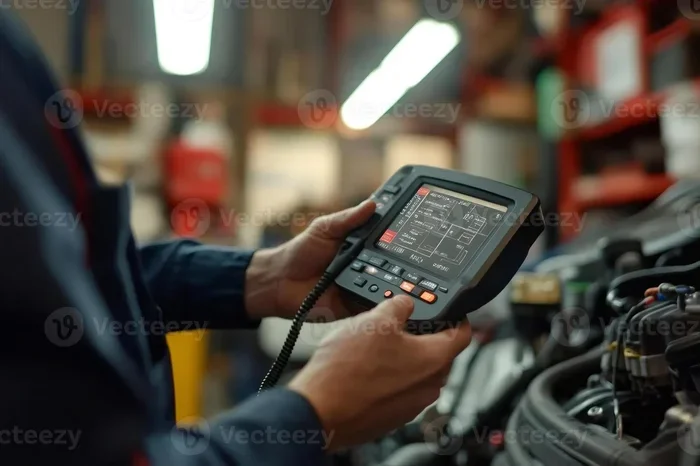
A quality OBD2 diagnostic scanner is your best friend. These tools connect to your vehicle’s diagnostic port. They let you access the ECU and read stored data. Some advanced scanners can also write new mileage values to the system. Popular brands include Autel, Launch, and Bosch diagnostic tools. Make sure the scanner you choose supports mileage adjustment for your specific vehicle make and model.
EEPROM Programmer
For some vehicles, you need to physically access the EEPROM chip on the circuit board. An EEPROM programmer lets you read and write data to this chip. You remove the chip from the cluster, connect it to the programmer, and update the mileage value. Then you put the chip back in. This method is more technical but necessary for certain older or specific models.
Software and Licensing
Many diagnostic tools require specific software licenses to perform mileage changes. The software may cost extra, and some brands lock certain features behind paywalls. Before you start, make sure you have the right software version for your vehicle. Using outdated or incompatible software can cause errors or damage the system.
Other Helpful Tools
- Multimeter: To check electrical connections and voltage.
- Soldering iron: For EEPROM chip removal and installation.
- Anti-static wrist strap: To protect sensitive electronics from static damage.
- Vehicle service manual: Specific to your make and model for step-by-step guidance.
- Backup power supply: To prevent data loss during the process.
Step-by-Step Process to Change Digital Odometer Mileage
Now let us get into the actual process. Every vehicle is different, but the general steps are similar across most makes and models. Always refer to your vehicle service manual for model-specific instructions.
Step 1: Gather Vehicle Information
Before you do anything, write down your vehicle information. You will need the VIN, make, model, year, and engine type. Some tools require you to input this data before they will work. Having this information ready saves time and prevents mistakes.
Step 2: Connect the Diagnostic Tool
Locate your OBD2 port. It is usually under the dashboard on the driver side. Plug in your diagnostic scanner and turn the ignition to the ON position. Do not start the engine. Wait for the scanner to establish a connection with the vehicle. Follow the on-screen prompts to access the ECU or instrument cluster module.
Step 3: Read the Current Mileage
Use the scanner to read the current odometer value. Write this number down. This is your baseline. You need to know the starting point before you make any changes. Some scanners also let you read the mileage stored in the EEPROM separately. Compare both values to make sure they match.
Step 4: Enter the New Mileage Value
Now you can input the new mileage value. Enter the correct number carefully. Double-check every digit before you confirm. A single wrong number can cause problems. Some tools will ask you to confirm the change with a security code or PIN. This is a safety feature to prevent unauthorized changes.
Step 5: Write the Data to the System
Once you confirm the new value, the tool writes it to the ECU or cluster memory. This process takes a few moments. Do not turn off the ignition or disconnect the scanner during this step. Wait for the tool to confirm that the write was successful.
Step 6: Verify the Change
After the write is complete, read the odometer value again. Make sure it matches the number you entered. Also check the trip meter and any other related displays. If everything looks correct, you are done. If not, you may need to repeat the process or troubleshoot the connection.
Step 7: Document the Change
This step is critical for legal compliance. Write down the date, the old mileage, the new mileage, and the reason for the change. Keep this record with your vehicle paperwork. If you ever sell the car or need to prove the mileage history, this documentation will protect you.
Legal Requirements and Regulations
This is where many people get into trouble. The law around odometer changes is strict, and for good reason. Odometer fraud costs consumers billions of dollars every year. Understanding the legal side keeps you out of hot water.
Federal Odometer Laws
In the United States, the Federal Odometer Act makes it illegal to disconnect, reset, or alter an odometer with the intent to change the mileage reading. However, there are exceptions. You are allowed to change the reading if you are replacing a broken part and you document the actual mileage. The key word is intent. If your purpose is to deceive a buyer, that is a federal crime.
State-Level Regulations
Beyond federal law, each state has its own odometer disclosure requirements. Many states require you to fill out an odometer disclosure statement when selling a vehicle. This statement certifies the mileage reading is accurate. If you have changed the mileage for a legitimate reason, you must disclose this on the statement. Failing to do so can result in fines and legal action.
When You Must Disclose a Change
You should disclose an odometer change in these situations:
- You replaced the instrument cluster with a different unit.
- You corrected a mileage error after a repair.
- You updated the reading after a collision repair.
- You installed an aftermarket gauge cluster.
Being upfront about any mileage change builds trust and keeps you legally protected. Always keep receipts, invoices, and documentation of the work performed.
Common Mistakes to Avoid
Changing a digital odometer is not as simple as typing in a new number. Many people make mistakes that cause problems. Here are the most common ones to watch out for.
Skipping the Documentation
This is the biggest mistake. If you change the mileage and do not write it down, you have no proof of the change. If someone questions the reading later, you will have a hard time explaining yourself. Always keep a paper trail.
Using the Wrong Tools
Not every diagnostic scanner can adjust mileage. Using an incompatible tool can damage the ECU or cluster. Do your research before you buy. Read reviews and check compatibility with your specific vehicle.
Forgetting to Disconnect the Battery
Some vehicles require you to disconnect the battery before working on the electrical system. Skipping this step can cause electrical shorts or data corruption. Always follow safety procedures before you start any work.
Not Backing Up Data
Before you make any changes, back up all the data stored in the ECU. If something goes wrong during the process, you can restore the original values. Losing this data can lead to error codes and other problems.
Ignoring Error Codes After the Change
After you update the mileage, clear any error codes and test drive the vehicle. If warning lights come on or the speedometer behaves oddly, something went wrong. Go back and check your work before driving the car on public roads.
When to Hire a Professional
Not everyone has the skills or tools to change a digital odometer reading safely. And that is perfectly okay. There are times when hiring a professional is the smart choice.
If your vehicle uses a complex CAN bus system or requires specialized programming, a professional will have the experience to handle it. Dealerships and independent shops that specialize in instrument cluster repair can do the job quickly and correctly. They also have access to manufacturer-specific software that DIY tools may not support.
Another reason to hire a pro is legal protection. A reputable shop will provide you with a detailed invoice and documentation of the work. This paper trail can be invaluable if any questions arise later about the vehicle’s mileage history. The cost of professional service is usually worth the peace of mind you get.
If you are unsure about any part of the process, do not guess. Call a local shop and ask questions. Most technicians are happy to explain their process and give you an estimate before you commit. It is always better to ask for help than to make a costly mistake.
Key Takeaways
- Know the law: Odometer changes must follow federal and state regulations to avoid serious penalties.
- Identify the reason: Legitimate reasons include cluster replacement, error correction, and instrument upgrades.
- Use the right tools: You need diagnostic scanners, EEPROM programmers, and compatible software.
- Follow the process step by step: Each vehicle model has a specific procedure you must follow carefully.
- Document everything: Keep records of the change for legal compliance and future resale.
- Get professional help when needed: Some changes require a certified technician or dealer.
Frequently Asked Questions
Is it legal to change digital odometer mileage?
Yes, it is legal when done for legitimate reasons such as replacing a broken gauge cluster or correcting an error. The key is transparency and documentation. You must record the change and disclose it when selling the vehicle. Intent matters. If the purpose is to deceive a buyer, it is illegal under federal law.
What tools do I need to change a digital odometer?
You need an OBD2 diagnostic scanner that supports mileage adjustment, an EEPROM programmer for certain models, and the correct software license. Your vehicle service manual is also essential for model-specific instructions. Some vehicles may require specialized tools only available through a dealership or repair shop.
Can I change the odometer myself or should I hire a professional?
You can do it yourself if you have the right tools and technical skills. However, if you are not comfortable working with your vehicle’s electronic systems, hiring a professional is the safer choice. A technician has the experience to avoid costly mistakes and can provide documentation for legal compliance.
What happens if I enter the wrong mileage value?
Entering the wrong value can cause error codes, warning lights, or incorrect speedometer readings. In most cases, you can reverse the change by writing the correct value back to the system. Always double-check every digit before confirming any change. Backing up the original data before you start gives you a safety net.
Does changing the odometer affect the vehicle warranty?
It depends on the reason for the change and the warranty terms. If the change is part of a documented repair, it should not void the warranty. However, if the change cannot be explained or appears suspicious, the manufacturer may deny warranty claims. Always keep receipts and invoices related to any work performed on the instrument cluster or ECU.
How can I tell if a digital odometer has been tampered with?
You can check the vehicle history report using the VIN. Services like Carfax and AutoCheck compile mileage records from inspections, service shops, and registrations. Look for inconsistent readings or gaps in the records. A physical inspection of the vehicle can also reveal signs of wear that do not match the displayed mileage.
Final Thoughts
Changing digital odometer mileage does not have to be scary or complicated. When you approach it the right way, with the proper tools and a clear understanding of the process, it becomes a manageable task. The most important thing to remember is that legality and transparency come first. Always document your changes, follow the law, and keep accurate records.
Whether you are a hands-on DIYer or someone who prefers to leave it to the experts, this guide gives you a solid foundation. You now know the reasons for a mileage change, the tools you need, the steps to follow, and the legal boundaries you must respect. Use this knowledge wisely and responsibly.
If you found this guide helpful, share it with someone who might need it. And if you ever feel uncertain about any part of the process, reach out to a trusted professional. Your vehicle is a big investment, and taking the right approach protects both your wallet and your peace of mind. How to change digital odometer mileage the right way starts with understanding, preparation, and honest intent.