How to Care for Leatherette Car Seats the Right Way
Learning how to care for leatherette car seats keeps your interior looking premium for years. This guide covers everything from daily cleaning to deep conditioning and stain prevention. You will discover simple, effective methods that protect your seats from cracks, fading, and wear.
Your car interior says a lot about you. And nothing makes a statement quite like leatherette car seats. They look sleek, feel smooth, and give your vehicle that upscale vibe. But here is the thing — leatherette needs care. Without proper maintenance, it can crack, fade, and peel faster than you would expect.
Whether you just bought a car with synthetic leather seats or you have had them for years, this guide is for you. We will walk you through everything you need to know about how to care for leatherette car seats. From basic daily cleaning to deep conditioning and stain removal, you will find practical tips that actually work. Let us get into it.
Key Takeaways
- Daily Cleaning Habits: Regular dusting and surface wiping prevent buildup and keep leatherette looking fresh.
- Deep Cleaning Is Essential: Use pH-balanced cleaners to remove stubborn stains without damaging synthetic leather.
- Conditioning Prevents Cracks: Applying a quality conditioner every few months maintains flexibility and durability.
- Protection Goes a Long Way: UV protectant sprays shield leatherette from fading and heat damage.
- Avoid Common Mistakes: Harsh chemicals, abrasive tools, and neglect cause long-term damage to car seat materials.
- Quick Fixes Work Wonders: Minor scratches and scuffs can be repaired easily at home with simple products.
- Consistency Matters: A regular care routine saves money and extends the life of your leatherette car seats.
📑 Table of Contents
- What Is Leatherette and Why Does It Need Special Care?
- How to Clean Leatherette Car Seats: A Step-by-Step Guide
- Conditioning Your Leatherette Seats: The Secret to Longevity
- Protecting Your Leatherette Seats from Damage
- Common Mistakes People Make When Caring for Leatherette
- Quick Tips for Everyday Leatherette Seat Maintenance
- How to Fix Common Leatherette Seat Problems
- Expert Insights on Leatherette Seat Longevity
- How Often Should You Deep Clean Your Leatherette Seats?
- Conclusion
- Frequently Asked Questions
What Is Leatherette and Why Does It Need Special Care?
Before we dive into the cleaning process, let us talk about what leatherette actually is. Many people confuse it with real leather, but they are quite different. Understanding the material helps you care for it better.
Leatherette vs. Real Leather
Leatherette is a synthetic material made from vinyl or polyurethane. It mimics the look and feel of genuine leather but at a much lower price point. Car manufacturers love it because it is durable, easy to produce, and works well in different climate conditions.
Real leather comes from animal hide. It is natural, porous, and requires specialized care products. Leatherette car seats, on the other hand, are non-porous. This means they do not absorb liquids the same way real leather does. But that does not mean they are maintenance-free. In fact, synthetic leather has its own set of challenges.
Why Leatherette Needs Extra Attention
Here is something most car owners do not realize. Leatherette can suffer from UV damage just like real leather. The sun breaks down the synthetic fibers over time. This leads to fading, stiffening, and eventually cracking. Heat accelerates this process significantly.
Another issue is moisture. While leatherette does not absorb water the way natural leather does, sitting in wet seats can cause mold and mildew on the surface. Dirt and dust also build up faster on synthetic materials because they cling to the smooth surface.
The bottom line? Cleaning leatherette regularly and applying a good conditioner keeps it looking new. A little effort goes a long way in preserving your car interior.
How to Clean Leatherette Car Seats: A Step-by-Step Guide
Cleaning your synthetic leather car seats does not have to be complicated. With the right products and a bit of time, you can make them look brand new. Here is a simple process you can follow every time.
Step 1: Remove Loose Dirt and Debris
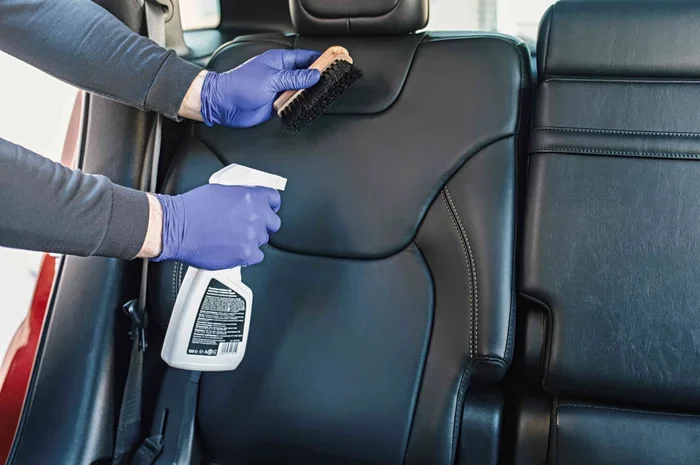
Start by vacuuming your seats thoroughly. Use a soft brush attachment to sweep away dust, crumbs, and loose particles. Pay attention to the seams and creases where dirt tends to hide.
Do this at least once a week. Regular vacuuming prevents grit from grinding into the surface and causing micro-scratches over time.
Step 2: Choose the Right Cleaner
Not all cleaners work well on leatherette. Avoid anything that contains harsh chemicals, ammonia, or bleach. These can strip the finish and cause the material to dry out.
Instead, look for a pH-balanced cleaner designed specifically for vinyl and synthetic leather. A good upholstery cleaner for car interiors works wonders here. Spray it onto a microfiber cloth rather than directly onto the seat. This gives you more control and prevents oversaturation.
Step 3: Wipe Down the Surface
Gently wipe the entire seat surface in circular motions. Focus on areas with visible grime or stains. Use a clean section of the cloth frequently to avoid spreading dirt around.
For stubborn spots, let the cleaner sit for about 30 seconds before wiping. This softens the stain and makes it easier to lift. Never scrub aggressively — you risk scratching the synthetic surface.
Step 4: Dry Thoroughly
After cleaning, use a dry microfiber cloth to remove any remaining moisture. Let the seats air out for a few minutes with the windows cracked open. Avoid sitting on wet seats because this can lead to water spots or mildew growth.
Interior car cleaning should always end with a thorough drying step. Moisture trapped in the material causes more harm than most people realize.
Conditioning Your Leatherette Seats: The Secret to Longevity
Cleaning removes dirt. Conditioning restores and protects. These two steps work together to keep your leatherette car seats in top shape. Think of conditioning as a moisturizer for your seats.
Why Conditioning Matters
Leatherette can lose its natural oils and flexibility over time. When this happens, the material starts to feel stiff and looks dull. In severe cases, it cracks and peels. Regular conditioning prevents all of this.
A good vinyl conditioner or car seat conditioner replenishes the moisture in the material. It creates a protective layer that shields against UV rays, heat, and everyday wear. Most experts recommend conditioning your seats every four to six weeks.
How to Apply Conditioner Properly
Follow these simple steps for the best results:
- Make sure the seats are completely clean and dry before applying conditioner.
- Apply a small amount of conditioner to a soft microfiber cloth.
- Spread it evenly across the seat surface using gentle, circular motions.
- Let it absorb for 10 to 15 minutes.
- Buff off any excess with a clean, dry cloth.
Less is more when it comes to conditioning. A thin, even layer works better than a thick, heavy application. You want the product to soak in, not sit on top of the material.
Best Conditioners for Synthetic Leather
Not all conditioners are created equal. Look for products that are specifically formulated for synthetic or vinyl leather. Avoid conditioners meant for real leather — they may contain ingredients that clog the non-porous surface of leatherette.
Some popular options include water-based conditioners with UV protection. These offer both hydration and sun damage prevention in one step. Always check the product label to confirm it is safe for synthetic leather surfaces.
Protecting Your Leatherette Seats from Damage
Prevention is always easier than repair. Taking a few proactive steps can save you from costly repairs or premature seat replacement. Here is how you can protect your car seat upholstery from common threats.
Shield from UV Rays
The sun is one of the biggest enemies of leatherette. Prolonged exposure causes fading and surface degradation. Park in the shade whenever possible. Use a windshield sun shade when you leave your car outside.
You can also apply a UV protectant spray designed for car interiors. These sprays create a barrier that reflects harmful rays away from the seat surface. Reapply every few months for best results.
Deal with Spills Immediately
Spills happen. Coffee, juice, soda — they all pose a risk to your car seat stains situation. The key is to act fast. Blot the spill with a clean cloth immediately. Do not rub, as this pushes the liquid deeper into the surface.
For sticky or colored drinks, use a damp cloth with a mild cleaner to wipe the area. Dry it thoroughly afterward. Quick action prevents permanent staining and discoloration.
Avoid Sharp Objects and Abrasive Tools
Jeans with metal rivets, pet claws, and sharp keys can all scratch leatherette. Be mindful of what comes in contact with your seats. Use a blanket or seat cover if you transport pets or heavy gear.
When cleaning, always use soft cloths and non-abrasive sponges. Avoid scrub brushes or rough towels. They may look harmless but can cause fine scratches that accumulate over time.
Common Mistakes People Make When Caring for Leatherette
Even well-meaning car owners can make mistakes that damage their seats. Here are some errors to avoid at all costs.
Using Household Cleaners
Windex, dish soap, and all-purpose cleaners might work on your kitchen counters, but they are not safe for car interiors. These products often contain chemicals that dry out synthetic leather and strip its protective coating.
Stick to products designed for automotive use. A dedicated automotive care product ensures the material stays healthy and looking great.
Skipping Conditioning
Some people clean their seats regularly but never condition them. This is a big mistake. Cleaning without conditioning leaves the material vulnerable to drying and cracking. Always follow up a cleaning session with a quality conditioner.
Overconditioning
On the flip side, applying too much conditioner is also problematic. Excess product builds up on the surface, making the seats feel greasy and attracting more dirt. Stick to the recommended amount and frequency.
Ignoring Small Cracks
Small cracks might seem insignificant at first. But they spread quickly if left untreated. Address minor damage early with a leather repair kit or consult a professional. Catching problems early saves you from expensive repairs later.
Quick Tips for Everyday Leatherette Seat Maintenance
Consistency is the key to maintaining beautiful leatherette car seats. These quick tips fit easily into your routine and keep your interior looking its best.
- Wipe down seats weekly with a damp microfiber cloth to remove surface dust and light grime.
- Keep a small spray bottle of pH-balanced cleaner in your trunk for on-the-go touch-ups.
- Use a seat cover during messy activities like road trips with kids or pets.
- Air out your car regularly to prevent moisture buildup and unpleasant odors.
- Apply protectant spray after every deep cleaning session for added defense against UV and stains.
- Inspect your seats monthly for early signs of wear, cracking, or discoloration.
- Store car care products in a dedicated bag so you always have what you need.
These habits take only a few minutes each week. Over time, they make a massive difference in how your seats look and feel. A little daily care prevents the need for major restoration work down the road.
How to Fix Common Leatherette Seat Problems
Even with the best care, issues can still arise. Here is how to handle some of the most common problems with vinyl car seats and synthetic leather.
Treating Faded Seats
Sun exposure can cause noticeable fading over time. To restore color, use a leatherette dye or color restorer specifically designed for synthetic materials. Apply it evenly, let it dry completely, and follow up with conditioner.
Repairing Small Cracks
Minor cracks can be filled with a vinyl repair compound. Clean the area first, apply the compound with a spatula, and smooth it out. Once dry, sand lightly and apply conditioner to blend the repaired area with the rest of the seat.
Removing Stubborn Stains
For stains that refuse to budge, try a mixture of warm water and a few drops of mild dish soap. Dip a soft cloth in the solution, wring it out well, and gently work the stain. Rinse with a clean damp cloth and dry thoroughly.
For grease or oil stains, sprinkle baking soda on the area and let it sit for 15 minutes. Vacuum it off, then clean with your regular pH-balanced cleaner. This trick works surprisingly well on car seat stains caused by food or cosmetics.
Expert Insights on Leatherette Seat Longevity
We spoke with several car detailing professionals to get their top tips for extending the life of synthetic leather seats. Here is what they had to say.
Consistency beats intensity. One expert shared that most people wait until their seats look terrible before doing something about it. By then, the damage is already done. A little care done regularly beats a deep clean done rarely. Even five minutes of wiping down your seats after a long drive can prevent dirt from settling in.
Invest in the right products. Another professional emphasized that cheap cleaners often do more harm than good. A quality pH-balanced cleaner and a good conditioner are worth every penny. They protect the material and keep it looking premium for years.
Climate matters. Experts also pointed out that where you live affects how often you need to care for your seats. Hot, sunny climates demand more UV protection and frequent conditioning. Humid climates require extra attention to moisture and mold prevention. Adjust your routine based on your local conditions.
How Often Should You Deep Clean Your Leatherette Seats?
A good rule of thumb is to deep clean your leatherette car seats every three to four months. However, this depends on your usage and environment. If you eat in your car frequently or have pets, you may need to clean more often.
Between deep cleans, stick to your weekly wiping routine and monthly conditioning. This keeps the material in great shape and reduces the need for intensive cleaning sessions.
Conclusion
Taking care of your leatherette car seats does not have to be complicated or time-consuming. With the right approach, a few simple products, and a consistent routine, you can keep your seats looking fantastic for years. Clean regularly, condition often, and protect from sun and moisture damage. Avoid the common mistakes that cause premature wear. And remember — small efforts add up to big results.
Your car interior is one of the first things people notice. Well-maintained synthetic leather car seats give your vehicle a polished, premium feel that turns heads. So grab your microfiber cloth, pick up a good cleaner and conditioner, and start caring for your seats the right way. Your future self will thank you every time you slide into that beautiful, well-maintained interior.
Frequently Asked Questions
Can I use leather cleaner on leatherette car seats?
It is best to avoid leather cleaners made for genuine leather. These products are formulated for porous natural materials and may clog or damage the non-porous surface of synthetic leather. Always choose a cleaner specifically labeled for vinyl, leatherette, or synthetic leather to get the best results without risking damage.
How often should I condition my leatherette seats?
Conditioning every four to six weeks is ideal for most car owners. If you live in a hot or sunny climate, you may need to condition more frequently. Regular conditioning keeps the material flexible, prevents cracking, and maintains the smooth, luxurious feel of your seats.
What is the best way to remove stains from leatherette seats?
Blot the stain immediately with a clean cloth. Then apply a pH-balanced cleaner to a microfiber cloth and gently wipe the affected area. For stubborn stains, let the cleaner sit for 30 seconds before wiping. Avoid harsh scrubbing, as it can damage the synthetic surface and spread the stain further.
Is leatherette the same as vinyl?
Leatherette is a type of vinyl material, but it is specifically designed to look and feel like real leather. While the terms are sometimes used interchangeably, leatherette typically refers to a more premium synthetic leather finish. Both materials require similar care routines, including regular cleaning and conditioning.
Can I use a steam cleaner on leatherette seats?
Steam cleaners can be used on leatherette, but with caution. High heat and excess moisture can damage the adhesive layers in synthetic leather. If you choose to steam clean, use low heat, keep the steamer moving, and dry the seats thoroughly afterward. Always test a small hidden area first.
Will a seat cover damage my leatherette seats?
Not if you use them correctly. Seat covers actually protect leatherette from sun damage, spills, and scratches. Just make sure the cover is made of breathable material to prevent moisture buildup underneath. Remove the cover regularly to allow air circulation and inspect the seats for any issues.



One Comment