How Many Miles on a Car Is a Red Flag for Used Car Buyers
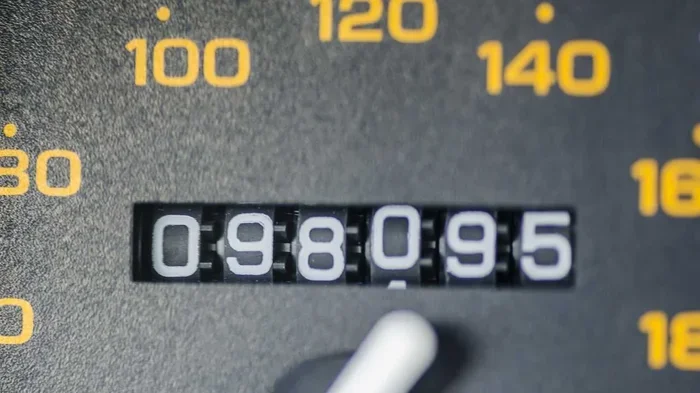
So, how many miles on a car is a red flag? Generally, anything over 100,000 miles raises eyebrows, but it is not always a dealbreaker. The real answer depends on car age, maintenance history, and driving conditions. A well-maintained 150,000-mile vehicle can outlast a neglected 60,000-mile one. Understanding mileage benchmarks helps you make smarter used car buying decisions and avoid expensive surprises down the road.
You are scrolling through used car listings, and you find the perfect one. Great price. Nice color. Low miles. Then you notice something. The numbers just do not add up. Or maybe the car has way more miles than you expected. You start wondering, how many miles on a car is a red flag?
This question haunts every used car buyer. Whether you are a first-time shopper or a seasoned veteran, mileage is one of the first things you check. It is a quick number that seems to tell the whole story. But it does not work that way. Mileage alone does not define a car’s health. What matters is what that mileage means in context.
In this guide, we break down everything you need to know about used car mileage. We will cover what counts as high mileage, when low mileage can actually be bad, and how to spot mileage warning signs before you spend your hard-earned money. By the end, you will feel confident walking into any used car deal with a clear head and a checklist in hand.
Key Takeaways
- 100,000 miles is the traditional threshold: Many buyers consider this a red flag, but modern cars often handle it with ease.
- Low mileage is not always better: A car with 40,000 miles that sat unused for years can have worse problems than a driven car.
- Maintenance history matters more than numbers: A car with 120,000 miles and full service records beats a 70,000-mile car with none.
- Average annual mileage is 12,000 to 15,000 miles: Use this benchmark to evaluate whether a car’s mileage is normal for its age.
- Always get a pre-purchase inspection: This reveals hidden issues that mileage alone cannot show.
- High-mileage cars can still be great buys: If the price reflects the mileage and the car has been well cared for.
- Watch for mileage warning signs: Odometer discrepancies, worn components, and missing service records are all red flags.
📑 Table of Contents
- What Mileage Is Considered Too High?
- Low Mileage Cars: Are They Always Better?
- How Mileage Affects Car Reliability
- Warning Signs to Watch For at Any Mileage
- The Role of Car Age and Mileage Together
- How to Evaluate a Used Car’s Mileage Before Buying
- Common Mistakes Buyers Make With Mileage
- Expert Insights on Mileage and Used Car Value
- Key Takeaways
- Conclusion
What Mileage Is Considered Too High?
The short answer: there is no single magic number. But long-time car buyers and mechanics tend to agree on some general rules. Understanding these rules helps you set realistic expectations before you start shopping.
The 100,000-Mile Milestone
For decades, 100,000 miles has been the big psychological barrier. Many buyers treat anything above that number as a high mileage car and move on. But here is the truth. Modern vehicles are built to last well beyond 100,000 miles. With proper care, many cars comfortably reach 200,000 miles or more.
So why does 100,000 miles still feel like a red flag? Partly because of old habits. Older cars really did start falling apart around that mark. Engines wore out. Transmissions failed. But today’s car engines are more advanced, use better materials, and respond well to regular car maintenance. A 2018 sedan with 110,000 miles might be in far better shape than a 2010 model with 60,000 miles.
The key is to look past the number. Ask yourself what the mileage tells you about the car’s life, not just how many times the wheels have turned.
Average Annual Mileage Benchmarks
To evaluate whether a car’s mileage is normal, compare it to the average annual mileage. In the United States, the typical driver puts on about 12,000 to 15,000 miles per year. This number gives you a simple formula for quick mental math.
Here is how it works:
- Multiply the car’s age by 12,000. If the car is 5 years old, 5 times 12,000 equals 60,000 miles. That is a normal reading.
- Multiply the car’s age by 15,000. This gives you the upper end of normal. A 5-year-old car with 75,000 miles is still within a healthy range.
- Compare the actual reading to these numbers. If a 5-year-old car has 120,000 miles, that is double the expected amount. Time to ask questions.
This mileage benchmark method takes the guesswork out of evaluating used car mileage. It also helps you spot odometer fraud, which we will cover later.
Low Mileage Cars: Are They Always Better?
Most buyers assume that lower mileage equals a better car. This is not always true. A low mileage car can actually come with its own set of problems. Before you pay a premium for a car with 30,000 miles, understand the risks.
The Problem With Cars That Sit
Cars are meant to be driven. When a vehicle sits unused for long periods, several things go wrong. Seals dry out and crack. Fluids break down and lose their protective properties. Rubber components like belts and hoses become brittle. The battery drains and may need replacement.
Even the engine suffers. Without regular heat cycles and lubrication, internal components can develop rust and corrosion. A car that has 30,000 miles but is 10 years old might have more mechanical issues than a well-driven car with 80,000 miles.
This is one of the most overlooked mileage warning signs. Buyers love low numbers on the odometer, but they should also ask how those miles accumulated.
When Low Mileage Makes Sense
Not all low-mileage cars are bad. A car with 40,000 miles that is only 3 years old and has been driven gently is likely in excellent condition. The key factors are:
- Age matches mileage. A 3-year-old car with 40,000 miles is normal.
- Regular short trips. This is actually good for the engine because it stays warm and fluids circulate.
- Consistent maintenance. Oil changes, tire rotations, and inspections were done on schedule.
- Clean title history. No accidents, no flood damage, no title issues.
When all of these boxes are checked, a low-mileage car can be a fantastic purchase. Just do not let the small number on the dash make you skip your due diligence.
How Mileage Affects Car Reliability
Mileage directly impacts the major systems in your vehicle. Understanding these effects helps you know what to inspect and what to expect when buying a high mileage car.
Engine Health and Mileage
The engine is the heart of any vehicle. As miles add up, internal components experience wear. Piston rings, cylinder walls, and valve trains all endure thousands of cycles. In a well-maintained engine, this wear is minimal and predictable.
However, in a neglected engine, mileage accelerates deterioration. Oil changes skipped, coolant leaks ignored, and fuel quality issues all compound over time. By the time a car hits 150,000 miles, an engine that was not properly cared for can start showing serious problems.
On the flip side, a well-maintained engine at 150,000 miles can run strong for another 100,000 miles. This is why maintenance records are worth their weight in gold when evaluating a used car.
Transmission and Drivetrain Wear
The transmission takes a beating from mileage. Automatic transmissions are especially sensitive. The internal clutch packs, torque converter, and fluid all degrade over time and with use.
Here are the common transmission life expectations based on mileage:
- Under 60,000 miles: Typically no major issues unless there was prior neglect.
- 60,000 to 100,000 miles: Some drivers start noticing rough shifting or delayed engagement.
- Over 100,000 miles: Transmission rebuilds or replacements become more common without proper fluid changes.
Regular transmission fluid changes can dramatically extend the life of this expensive component. Always check whether the previous owner kept up with this service.
Suspension and Wear Components
Every mile you drive puts stress on the suspension system. Shocks, struts, control arms, bushings, and ball joints all wear down over time. A car with 120,000 miles might need a full suspension refresh, while one with 40,000 miles might need nothing.
These suspension components are expensive to replace. A full suspension job can cost anywhere from 1,000 to 3,000 dollars depending on the vehicle. This is a major factor in your total cost of ownership, and it is directly tied to mileage.
Warning Signs to Watch For at Any Mileage
Mileage tells part of the story, but it is not the whole picture. Some cars with low mileage have hidden problems, and some high-mileage cars run beautifully. Here are the warning signs that should make you cautious regardless of the odometer reading.
Odometer Discrepancies
One of the biggest red flags in the used car market is odometer fraud. Sellers may roll back the odometer to make a car appear to have fewer miles than it actually does. This is illegal in most places, but it still happens more than you think.
How can you spot this? Look at the vehicle history report. Services like Carfax and AutoCheck pull records from inspections, registrations, and service shops. These records often show the odometer reading at different points in the car’s life.
If the current reading is significantly lower than what previous records show, walk away. No car is worth the risk of fraud.
Missing or Incomplete Service Records
A car with 80,000 miles and no service records is a gamble. You have no idea whether the oil was changed, whether the timing belt was replaced, or whether the coolant was flushed. Every missing record is a potential hidden problem waiting to surface.
Always ask for car maintenance records before you buy. A seller who has them ready and organized is usually telling the truth about how the car was treated. A seller who shrugs and says “I do not have those” is raising a big red flag.
Visible Wear That Does Not Match the Mileage
Walk around the car and look closely. Do the seats have more wear than 30,000 miles would suggest? Is the steering wheel worn smooth? Are the pedals shiny from use? These are signs that the mileage might not be accurate.
Also check under the hood. A dirty engine bay with grease buildup suggests hard driving or deferred maintenance. A clean engine bay with regular service stickers tells a different story entirely. Trust what you see, not just what you hear.
The Role of Car Age and Mileage Together
Mileage and age are two sides of the same coin. You cannot evaluate one without considering the other. This concept, known as mileage vs age, is one of the most important ideas in used car buying.
Why a 5-Year-Old Car With 100,000 Miles Can Be Fine
Imagine two cars sitting side by side. One is a 2019 model with 50,000 miles. The other is a 2019 model with 90,000 miles. Both are the same age. The difference is how much they were driven.
The 90,000-mile car was likely driven daily, which means the engine, transmission, and all moving parts stayed lubricated and in working order. Regular use also keeps seals soft and rubber components flexible. Meanwhile, the 50,000-mile car might have been a weekend driver who let it sit for weeks at a time.
In many cases, the higher-mileage car is actually in better mechanical condition. This is a counterintuitive idea, but it is backed by decades of mechanic experience.
When Age Matters More Than Mileage
Sometimes the age of a car matters more than the mileage. A 15-year-old car with 80,000 miles has components that are 15 years old. Rubber seals, plastic fittings, and gaskets all degrade with time, regardless of how many miles were driven.
This is why older cars can develop problems even with low mileage. The car depreciation curve flattens out after a certain point, but age-related issues do not. When considering older vehicles, factor in the year, the climate it was stored in, and the overall condition.
How to Evaluate a Used Car’s Mileage Before Buying
Now that you understand the basics, let us talk about the practical steps you should take before making any purchase. Evaluating used car mileage properly can save you thousands of dollars in repairs.
Step 1: Pull a Vehicle History Report
Always get a vehicle history report before you buy. This report gives you the odometer history, accident records, title status, and service intervals. It is one of the most valuable tools in your buying toolkit.
You can get a report for around 40 dollars from Carfax or AutoCheck. Some sellers provide them for free. Either way, do not skip this step.
Step 2: Request Maintenance Records
Ask the seller for all available service records. Look for evidence of regular oil changes, tire rotations, brake inspections, and fluid flushes. A car that was maintained on schedule is almost always a safer bet than one without records.
Step 3: Schedule a Pre-Purchase Inspection
This is the single best thing you can do to protect yourself. A pre-purchase inspection involves having an independent mechanic examine the car from top to bottom. They will check the engine, transmission, suspension, brakes, and electrical systems.
Cost? Usually between 100 and 200 dollars. Worth it? Absolutely. This inspection can uncover problems that no amount of online research can reveal. It is the best insurance policy against buying a lemon.
Step 4: Test Drive with Purpose
During the test drive, pay attention to how the car feels at different speeds. Listen for unusual sounds from the engine, transmission, or suspension. Check that all gauges read normally. Test the brakes, steering, and acceleration in a safe area.
A test drive is your chance to feel whether the car matches its mileage claims. A car that sounds rough at 40,000 miles is telling you something, even if the seller says it has been well maintained.
Common Mistakes Buyers Make With Mileage
Even experienced buyers sometimes make mistakes when evaluating mileage. Here are the most common ones to avoid.
- Focusing only on the number: Mileage without context is meaningless. Always consider age, maintenance, and driving conditions.
- Assuming low mileage means low cost: A low-mileage car often commands a higher price. Make sure you are paying fair market value.
- Ignoring the price-to-mileage ratio: A car priced well below market value with high mileage is suspicious for a reason.
- Skipping the pre-purchase inspection: This is the one step no buyer should skip, regardless of how good the deal looks.
- Trusting seller claims without proof: Verbal assurances mean nothing without documentation and records to back them up.
Expert Insights on Mileage and Used Car Value
We spoke with several experienced mechanics and used car dealers to get their take on mileage and buying decisions. Here is what they had to say.
Mike R., ASE-certified mechanic with 20 years of experience: “I see a lot of buyers fixate on mileage and completely ignore maintenance history. I tell them the same thing every time. A car with 150,000 miles and full records is a better buy than a car with 70,000 miles and no records. Maintenance wins every time.”
Sarah K., used car dealer with 12 years in the business: “When a buyer comes to me worried about mileage, I ask them what they plan to do with the car. If they want a short-term commuter, a higher-mileage car at a lower price makes perfect sense. If they want a long-term family vehicle, lower mileage and a higher price might be the right move.”
David L., certified pre-owned evaluator: “The sweet spot for most buyers is a car that is 3 to 7 years old with 40,000 to 80,000 miles. It has passed the steepest part of the car depreciation curve, and the mechanical components still have plenty of life left.”
These expert opinions reinforce a simple truth. Mileage is important, but it is just one piece of the puzzle. The whole picture includes age, maintenance, condition, and your personal needs.
Key Takeaways
- 100,000 miles is a traditional threshold: But modern cars often run strong well beyond that point with proper care.
- Low mileage is not always better: Cars that sit unused develop their own set of mechanical problems over time.
- Maintenance history matters more than numbers: Full service records tell a more honest story than any odometer reading.
- Average annual mileage is 12,000 to 15,000 miles: Use this benchmark to quickly assess whether a car’s mileage is normal for its age.
- Always get a pre-purchase inspection: This is the best way to uncover hidden issues before you commit to a purchase.
- High-mileage cars can still be great buys: If the price reflects the mileage and the car has been well maintained.
- Watch for mileage warning signs: Odometer fraud, missing records, and wear that does not match the mileage should all raise concerns.
Conclusion
So, how many miles on a car is a red flag? The honest answer is that there is no single number that applies to every vehicle. A well-maintained car with 150,000 miles can be a better investment than a neglected car with 50,000 miles. The real red flags are missing maintenance records, odometer discrepancies, visible wear that does not match the mileage, and skipping the pre-purchase inspection.
When you shop for a used car, do not let the odometer number scare you away or lure you in without thinking. Use it as one data point among many. Combine it with the car’s age, condition, service history, and price. This holistic approach gives you the clearest picture of what you are really buying.
At the end of the day, the best used car is not the one with the lowest miles. It is the one that has been cared for, driven responsibly, and priced fairly. Do your homework, trust your instincts, and never skip the inspection. Armed with this knowledge, you are ready to make a confident and smart purchase.
Now go find that perfect car. And remember, the mileage is just the starting point. The real story is written in the maintenance, the care, and the road it has traveled.
Frequently Asked Questions
Is 100,000 miles still a red flag for modern cars?
Not necessarily. Modern vehicles are engineered to last well beyond 100,000 miles. With regular oil changes, fluid flushes, and timely repairs, many cars handle 150,000 to 200,000 miles without major issues. The real red flag is not the number itself, but the lack of maintenance that often accompanies high mileage.
What is considered high mileage on a used car?
Anything above 12,000 to 15,000 miles per year is considered above average. So a 5-year-old car with more than 75,000 to 90,000 miles might be flagged as high mileage. However, this depends heavily on the vehicle model, maintenance history, and driving conditions. Some cars thrive at high mileage with proper care.
Can a low mileage car be worse than a high mileage car?
Yes, absolutely. A car that sits unused for years can develop dried-out seals, degraded fluids, brittle hoses, and a dead battery. Regular driving keeps components lubricated and systems functioning. A well-driven car with 100,000 miles is often in better shape than a garage-kept car with 30,000 miles.
How can I tell if a car’s odometer has been rolled back?
Start by pulling a vehicle history report from Carfax or AutoCheck. These services track odometer readings across registrations and inspections. You can also look for wear patterns that do not match the mileage, such as worn seats, steering wheels, or pedals in a supposedly low-mileage car.
Should I avoid cars with over 150,000 miles?
Not automatically. A car with 150,000 miles that has been properly maintained can still have years of reliable service left. The key is to review the maintenance records, get a pre-purchase inspection, and make sure the price reflects the mileage. Do not let a high number scare you away without doing your research first.
What is the sweet spot for mileage when buying a used car?
Most experts agree that the sweet spot is between 40,000 and 80,000 miles for cars that are 3 to 7 years old. At this range, the steepest depreciation has already occurred, the major components are still in good health, and the price is reasonable. Of course, this assumes the car has been well maintained throughout its life.






4 Comments