Does the Jeep Sahara Have Lockers for Off Road Adventures
The Jeep Sahara does not come with factory locking differentials, but it still packs serious off-road capability. It offers electronic sway bar disconnect and Tru-Lok limited-slip differentials as standard. For hardcore trail riding, you can add aftermarket locking differentials to boost traction. Whether the Sahara has lockers depends on your trim, options, and aftermarket upgrades.
When you think about off-road adventures, the Jeep Wrangler immediately comes to mind. It is an icon built for trails, rocks, and everything rough. But here is the question that keeps popping up in forums and chat rooms: does the Jeep Sahara have lockers?
The answer is not a simple yes or no. The Jeep Sahara is a fantastic trim level, but it approaches off-roading differently than the Rubicon. Understanding what the Sahara offers helps you make the right choice for your next trail trip. This guide breaks down everything you need to know about locking differentials, traction, and the Sahara’s real-world off-road capability.
Whether you are planning a weekend at the dunes or a multi-day rock crawl, this article covers it all. You will learn what the Sahara comes with, what it does not have, and how to fill the gaps. Let us get into it.
Key Takeaways
- No factory lockers: The Jeep Sahara does not include locking differentials from the factory, unlike the Rubicon trim.
- Sway bar disconnect helps: The Sahara comes with electronic sway bar disconnect for better wheel articulation off-road.
- Tru-Lok limited-slip is standard: The Sahara includes a Tru-Lok limited-slip front differential for improved traction.
- Aftermarket lockers are available: You can install aftermarket locking differentials to transform your Sahara into a serious trail machine.
- Rubicon vs Sahara: The Rubicon is the go-to for hardcore off-roading, but the Sahara holds its own with the right upgrades.
- 4×4 systems matter: The Sahara’s Selec-Terrain system and part-time 4×4 make it capable on sand, rocks, and dirt trails.
- Budget-friendly off-road option: The Sahara offers strong off-road value without the Rubicon price premium.
📑 Table of Contents
- What Are Lockers and Why Do They Matter for Off-Roading?
- Does the Jeep Sahara Come With Lockers?
- Sahara vs Rubicon: How Do They Compare for Off-Road?
- Can You Add Lockers to a Jeep Sahara?
- Real-World Off-Road Performance of the Jeep Sahara
- Should You Choose the Jeep Sahara for Off-Road Adventures?
- Conclusion
What Are Lockers and Why Do They Matter for Off-Roading?
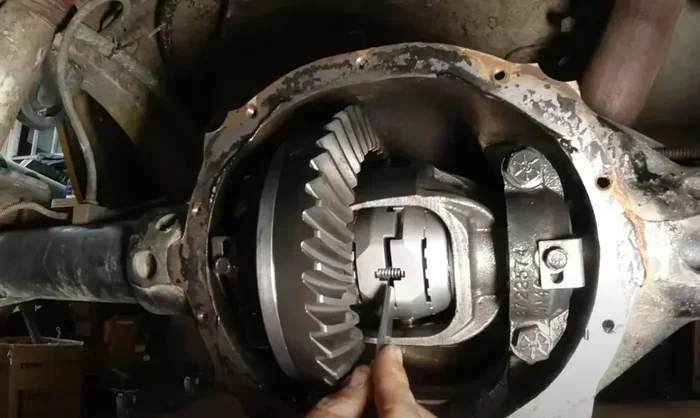
Before we dive into the Sahara specifics, let us talk about locking differentials. A locker is a device that locks the two wheels on an axle together. When one wheel loses traction, the other wheel still receives power. This is a game-changer on loose or uneven surfaces.
Without a locker, an open differential sends power to the wheel with the least resistance. If one wheel is on ice or in mud, that wheel spins freely while the other wheel stays put. You get stuck. Fast.
A locking differential solves this problem. Both wheels spin at the same speed, no matter what. This gives you incredible traction in tough situations. Rock crawling, sand driving, mud, and snow all become much more manageable.
Types of Locking Differentials
There are a few types of lockers you should know about. Each one works differently and suits different driving styles.
- Automatic lockers: These engage automatically when traction is needed. You do not have to flip a switch. They work great for most trail conditions.
- Selectable lockers: These let you lock and unlock the differential on demand. You can switch between open and locked modes depending on the terrain.
- Limited-slip differentials: These are not true lockers, but they help. They redirect power to the wheel with more traction. The Jeep Sahara comes with a Tru-Lok limited-slip front differential.
- Electric lockers: These are selectable lockers controlled by a switch or electronic command. They are popular among serious off-roaders.
For off-road adventures, a true locker is the gold standard. Limited-slip diffs are a good step up from open diffs, but they cannot match a full locker in extreme situations. This matters a lot when we look at the Sahara.
Does the Jeep Sahara Come With Lockers?
Here is the direct answer. The Jeep Sahara does not come with factory locking differentials. Neither the front nor the rear axle includes a locker from the factory. This is the biggest difference between the Sahara and the Rubicon.
The Sahara is designed as a more comfortable, street-friendly version of the Wrangler. It focuses on on-road manners, comfort features, and style. But it still has some off-road tricks up its sleeve.
What the Sahara Does Include
Even without lockers, the Sahara brings several off-road features to the table. Here is what you get stock:
- Electronic sway bar disconnect: This is a huge help off-road. Disconnecting the front sway bar allows the wheels to drop independently. This improves wheel articulation over rough terrain.
- Tru-Lok limited-slip front differential: This is not a full locker, but it helps distribute power to the wheel with more grip. It is a nice step above an open diff.
- Selec-Terrain system: The Sahara offers multiple drive modes, including Snow, Sand, Mud, and Rock modes. Each mode adjusts throttle, braking, and traction control for the terrain.
- Part-time 4×4 system: The Sahara includes a part-time transfer case with 4Lo for low-range gearing. This is essential for slow, technical off-roading.
- All-terrain tires: Depending on the build, the Sahara comes with all-terrain tires that handle a variety of surfaces well.
So while the Sahara does not have lockers, it is far from unprepared for off-roading. It is a capable trail machine that just needs a few upgrades to reach its full potential.
Why the Sahara Skips Lockers
You might wonder why Jeep does not put lockers on the Sahara. The answer comes down to cost and purpose. The Sahara is the most popular Wrangler trim for a reason. It offers a great balance of comfort and capability at a competitive price.
Adding factory lockers would push the price up significantly. Jeep positions the Sahara as an entry point into the Wrangler lineup. The Rubicon gets the heavy-duty off-road hardware, including front and rear locking differentials, rock rails, and electronic disconnecting sway bars.
This strategy makes sense for most buyers. Many Wrangler owners use their trucks for daily driving and light trail use. The Sahara handles that perfectly. But for hardcore off-roaders, the lack of lockers is a real limitation.
Sahara vs Rubicon: How Do They Compare for Off-Road?
The easiest way to understand the Sahara’s off-road position is to compare it directly with the Rubicon. These two trims share the same platform, but the differences are significant.
Locking Differentials
This is the big one. The Rubicon comes standard with front and rear locking differentials. The Sahara does not. This single feature gives the Rubicon a massive advantage in technical off-roading. When you are crawling over boulders or navigating deep mud, a locker makes all the difference.
Sway Bar Disconnect
Both the Sahara and the Rubicon feature electronic sway bar disconnect. This is a common point of confusion. Many people assume only the Rubicon has it. In reality, the Sahara also benefits from this feature, which greatly improves wheel articulation on uneven terrain.
Electronic Sway Bar Disconnect
Both trims include this feature. When activated, the front sway bar disconnects, allowing the front wheels to move independently. This is especially useful on uneven terrain where one wheel needs to drop significantly while the other stays high. It is a simple but effective off-road tool.
Selec-Terrain and Rock Mode
The Rubicon adds a Rock mode to its Selec-Terrain system. This mode optimizes throttle response, traction control, and braking for slow, technical crawling. The Sahara does not include a Rock mode in its Selec-Terrain lineup. It offers Snow, Sand, Mud, and Auto modes, which are great for most trail conditions.
Axle Strength and Upgrades
The Rubicon comes with stronger axles designed to handle the stress of serious off-roading. The Sahara has standard axles that are adequate for light to moderate trail use. If you plan on running large tires or putting serious stress on the drivetrain, the Sahara may need upgraded axles over time.
Comparison Table: Sahara vs Rubicon Off-Road Features
| Feature | Jeep Sahara | Jeep Rubicon |
|---|---|---|
| Front Locking Differential | No | Yes |
| Rear Locking Differential | No | Yes |
| Electronic Sway Bar Disconnect | Yes | Yes |
| Tru-Lok Limited-Slip Front Diff | Yes | Yes |
| Rock Mode (Selec-Terrain) | No | Yes |
| Part-Time 4×4 with 4Lo | Yes | Yes |
| Aftermarket Locker Ready | Yes | Yes |
| Skid Plates (Standard) | No | Yes |
| Rock Rails (Standard) | No | Yes |
The comparison makes it clear. The Rubicon is the purpose-built off-road machine. The Sahara is a capable trail truck that needs a few bolt-on upgrades to compete at the same level.
Can You Add Lockers to a Jeep Sahara?
The good news is yes. You can absolutely add locking differentials to a Jeep Sahara. This is one of the most popular upgrades for Sahara owners who want more off-road capability. The aftermarket locker market for the Wrangler is massive and well-supported.
Popular Aftermarket Locker Options
Several brands offer locking differentials that fit the Jeep Wrangler Sahara. Here are the most popular options:
- ARB Air Locker: This is one of the most respected lockers on the market. It uses an air compressor to engage and disengage the locker. You flip a switch on the dash, and the locker activates. It is incredibly reliable and works great for both trail and rock crawling.
- Detroit Truetrac: This is a gear-based limited-slip differential. It is not a full locker, but it provides excellent traction without the abrupt engagement of an automatic locker. It is a great daily-driver-friendly upgrade.
- Eaton E-Locker: This is an electric selectable locker. It engages with the push of a button. It is reliable, easy to install, and works well on and off the road.
- Ox Lockers: These are manual lockers that require you to get out and manually engage them. They are simple, lightweight, and nearly indestructible. A favorite among purists.
Front vs Rear Locker: Which Should You Install First?
This is a common question. The short answer is install the rear locker first. The rear axle does most of the work in off-roading. A rear locker alone will dramatically improve your traction and ability to get unstuck.
If you want full locker capability, add a front locker next. A front locker combined with a rear locker gives you maximum traction in any situation. Many Sahara owners start with the rear and add the front later based on their needs.
Installation Costs and Considerations
Aftermarket lockers are not cheap. Expect to pay between $1,500 and $3,000 per locker, including installation. The total cost for both front and rear can range from $3,000 to $6,000. It is a significant investment, but it transforms the Sahara into a serious off-road machine.
Before you buy, make sure your Sahara has the right axle setup. Some Sahara models come with the electronic disconnecting front axle, which is compatible with most aftermarket lockers. Check your specific model year and axle configuration before purchasing.
Quick Tips for Installing Lockers on a Sahara
- Have a qualified mechanic or Jeep specialist install the lockers. Proper installation is critical for safety and performance.
- Consider your tire size. Larger tires change the gearing and stress on the drivetrain. Make sure your locker and axle can handle your setup.
- Test the lockers in a safe, open area before taking them on a trail. Learn how they engage and disengage.
- Keep the locker engagement switch accessible. You do not want to be fumbling while stuck on a trail.
Real-World Off-Road Performance of the Jeep Sahara
So how does the Sahara actually perform on the trail without factory lockers? The answer might surprise you. Many Sahara owners take their trucks on serious off-road adventures and have a great time.
Sand Dunes and Desert Driving
The Sahara excels in sand. The Selec-Terrain Sand mode adjusts throttle and traction control for loose surfaces. The Tru-Lok limited-slip front diff helps keep you moving when one front wheel digs in. Add all-terrain tires, and the Sahara handles sand dunes with confidence.
However, in deep soft sand, a rear locker would give you an extra edge. Without it, you may find yourself spinning a tire or two when the sand gets really deep. This is where an aftermarket locker becomes valuable.
Rock Crawling
Rock crawling is where the Sahara shows its limitations. Without front and rear lockers, you lose traction in tricky rock situations. The limited-slip front diff helps, but it cannot match a true locker for holding traction on uneven rock surfaces.
Many Sahara owners who rock crawl add at least a rear locker. This single upgrade makes a dramatic difference. The rear locker ensures both rear wheels spin together, giving you the traction you need to climb over rocks.
Mud and Trail Riding
For moderate mud and trail riding, the Sahara holds up well. The part-time 4×4 system with 4Lo gives you low-range gearing for slow, controlled crawling. The Selec-Terrain Mud mode optimizes traction for slippery conditions.
The Sahara’s electronic sway bar disconnect helps with wheel articulation on uneven trails. This keeps all four tires in contact with the ground, which is the key to good traction. Combined with all-terrain tires, the Sahara handles most trail conditions with ease.
Snow and Ice
In snow and ice, the Sahara performs admirably. The Selec-Terrain Snow mode adjusts throttle and braking for slippery surfaces. The Tru-Lok limited-slip front diff helps prevent wheel spin. For light to moderate snow, the Sahara is more than capable.
For heavy snow or ice, a rear locker would improve confidence and traction significantly. But for most winter driving, the Sahara is well-equipped.
Should You Choose the Jeep Sahara for Off-Road Adventures?
The Sahara is a great choice if you want a Wrangler that can handle light to moderate off-roading. It is comfortable on the highway, easy to daily drive, and still capable on trails. For most people, this is the perfect balance.
But if you are a serious off-roader who plans on tackling rock crawls, deep mud, and extreme terrain, the Sahara needs upgrades. Adding aftermarket lockers is the single most effective upgrade you can make. It closes the gap between the Sahara and the Rubicon.
Think about what kind of off-roading you plan to do. If you stick to trails, sand, and light rock, the Sahara is ready to go right out of the dealership. If you want to push the limits, budget for aftermarket lockers and other upgrades.
The Sahara also makes sense from a value perspective. It costs less than the Rubicon, and you can spend the savings on aftermarket lockers and accessories. Many Sahara owners end up with a truck that is just as capable as a Rubicon, but personalized to their needs.
Common Mistakes Sahara Owners Make Off-Road
- Underestimating the need for lockers: The Sahara handles most trails without lockers, but knowing when you need them is important. Do not push too hard in extreme terrain without proper equipment.
- Ignoring tire selection: Tires are the single biggest factor in off-road traction. All-terrain tires work well for most Sahara owners, but consider more aggressive tires for serious trail use.
- Not using 4Lo when needed: The Sahara’s part-time 4×4 system includes 4Lo for slow, technical terrain. Use it. It makes a huge difference on steep inclines and rough trails.
- Skipping recovery gear: Even with the Sahara’s capabilities, you should carry recovery gear on every trail trip. A winch, tow straps, and a good air compressor are essential.
Expert Insight: What Off-Road Enthusiasts Say About the Sahara
Many Jeep enthusiasts agree that the Sahara is the best value for money Wrangler trim. It offers 90% of the Rubicon’s off-road capability at a lower price point. The main gap is the lack of factory lockers, but aftermarket solutions close that gap effectively.
Experienced off-roaders often recommend the Sahara for new Wrangler buyers. It lets you learn the trails and understand your truck’s limits before investing in expensive upgrades. Once you know what you need, adding lockers is a straightforward process.
Key Takeaways
- The Jeep Sahara does not have factory locking differentials, but it is still a capable off-roader.
- The Sahara comes with electronic sway bar disconnect and a Tru-Lok limited-slip front differential.
- Aftermarket lockers from brands like ARB, Eaton, and Detroit are popular upgrades for Sahara owners.
- The Sahara compares favorably to the Rubicon for most trail conditions, with the Rubicon leading in extreme rock crawling.
- Adding a rear locker first is the most impactful single upgrade for off-road traction.
- The Sahara offers excellent value for buyers who want Wrangler off-road capability without the Rubicon price tag.
Conclusion
So, does the Jeep Sahara have lockers? The short answer is no, not from the factory. But the longer answer is that the Sahara is far more capable than many people realize. With its electronic sway bar disconnect, Tru-Lok limited-slip front differential, and Selec-Terrain system, the Sahara handles a wide range of off-road conditions with confidence.
For hardcore off-roaders, the lack of factory lockers is a real limitation. But the aftermarket locker market makes it easy to upgrade. Whether you choose an ARB Air Locker, an Eaton E-Locker, or another option, you can transform your Sahara into a trail monster.
The Jeep Sahara strikes a great balance between comfort and capability. It is the ideal choice for weekend trail warriors, sand dune enthusiasts, and anyone who wants a Wrangler that is fun to drive on and off the road. Add a few aftermarket upgrades, and you have a truck that competes with the best in the class.
If you are debating between the Sahara and the Rubicon, consider your off-road goals. For most drivers, the Sahara is the smarter buy. For the trail purist, the Rubicon’s factory lockers are worth the premium. Either way, the Jeep Wrangler platform delivers outstanding off-road adventures no matter which trim you choose.
Frequently Asked Questions
Do any Jeep Sahara models come with factory lockers?
No. The Jeep Sahara does not include factory locking differentials in any model year or configuration. The Sahara is designed as a comfort-oriented trim that still offers solid off-road features, but true lockers are exclusive to the Rubicon trim.
Can I add lockers to a Jeep Sahara myself?
While it is technically possible, installing locking differentials is a complex job that requires mechanical expertise and specialized tools. It is strongly recommended to have a qualified mechanic or Jeep specialist handle the installation to ensure safety and proper function.
Is the Jeep Sahara good for rock crawling without lockers?
The Sahara can handle light to moderate rock crawling without lockers, especially with the electronic sway bar disconnect and limited-slip front diff. However, for serious rock crawling, adding at least a rear locker will dramatically improve your capability and confidence on the trail.
How much does it cost to add lockers to a Jeep Sahara?
Aftermarket lockers typically cost between $1,500 and $3,000 per locker, including parts and installation. A full set of front and rear lockers can range from $3,000 to $6,000 depending on the brand and model you choose.
What is the difference between a locking differential and a limited-slip differential?
A limited-slip differential, like the Tru-Lok on the Sahara, helps redirect power to the wheel with more traction but does not fully lock the wheels together. A locking differential fully locks both wheels on an axle, providing maximum traction in extreme off-road conditions. Lockers are superior for serious rock crawling and deep mud.
Is the Jeep Sahara worth buying for off-roading?
Absolutely. The Sahara offers excellent off-road capability for the price. It includes many features that make it trail-ready out of the box. For light to moderate off-roading, the Sahara is more than capable. For extreme terrain, adding aftermarket lockers and other upgrades makes it a formidable off-road machine.