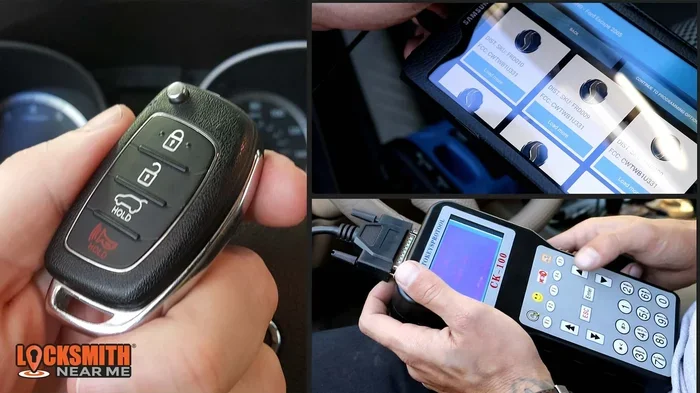
Can You Reprogram a New Key Fob Yourself at Home Today
Yes, you can reprogram a new key fob yourself at home in many cases. Most modern vehicles allow DIY key fob programming with the right tools and a little patience. This guide walks you through every step, from understanding how key fobs work to troubleshooting common issues. Save hundreds of dollars by avoiding a trip to the dealership or locksmith. Whether you have a sedan, SUV, or truck, this guide covers the essentials of key fob programming for your specific vehicle.
Losing your car keys or needing a spare is never fun. But here is the good news. You might not need to visit a dealership or call an automotive locksmith to get a new one working. Can you reprogram a new key fob yourself? In most cases, the answer is yes. Whether you drive a Toyota, Honda, Ford, Chevy, or another popular brand, reprogramming a key fob at home is often within reach. This guide breaks down everything you need to know. We will cover how key fobs work, what tools you need, and the exact steps to follow. By the end, you will feel confident tackling this project on your own.
The idea of reprogramming a car key fob might sound intimidating. But it is really just a matter of following the right steps in the right order. Think of it like following a recipe. If you measure the ingredients and follow the instructions, you get great results every time. The same applies here. You just need a little patience and the correct information for your vehicle. Let us dive into the world of key fob programming and get you back on the road.
Key Takeaways
- DIY reprogramming is possible: Many car brands allow you to reprogram a new key fob yourself without professional help.
- You need basic tools: A working key fob, new replacement fob, vehicle owner’s manual, and sometimes a programming tool.
- Process varies by vehicle: Each make and model has its own sequence of button presses and ignition steps.
- Common mistakes cost time: Skipping steps, using dead batteries, or not following the exact sequence are the top errors people make.
- Call a pro when stuck: Some vehicles require dealer-level equipment, and that is perfectly okay.
- Aftermarket fobs work too: You can often program universal or aftermarket key fobs to match your car.
- Save significant money: DIY programming can save you $50 to $200 compared to dealership or locksmith fees.
📑 Table of Contents
- Understanding How Key Fobs Work
- Can You Reprogram a New Key Fob Yourself?
- Tools and Equipment You Will Need
- Step-by-Step Guide to Reprogramming Your Key Fob
- Common Problems and How to Fix Them
- When to Call a Professional
- How Much Money Can You Save by Doing It Yourself?
- Tips for Keeping Your Key Fob in Good Shape
- Key Takeaways
- Conclusion
Understanding How Key Fobs Work
Before you start reprogramming, it helps to understand what a key fob actually does. A key fob is a small remote device that communicates with your car. It sends a coded signal to the vehicle’s security system. When the signal matches, the car unlocks the doors, pops the trunk, or allows you to start the engine.
The Role of the Transponder Chip
Most modern key fobs contain a tiny chip called a transponder. This chip sends a unique identification code to your car. The immobilizer system in your vehicle checks this code. If the code matches what the car expects, the engine starts. If it does not match, the engine stays locked. This is a brilliant security feature. It prevents thieves from hotwiring your car or using a duplicate key.
When you replace a key fob, the new fob does not automatically know your car’s code. That is where reprogramming comes in. You need to teach your vehicle to recognize the new fob’s signal. This process links the transponder chip inside the new fob to your car’s vehicle security system.
Why Key Fobs Need Reprogramming
There are several reasons you might need to reprogram a key fob remote. You bought a new replacement fob. You lost your only working fob and got a spare. You purchased a used car and need to reset all existing keys. Or maybe the battery died and now the fob is not syncing properly. Whatever the reason, the solution is the same. You need to put the car and the fob into programming mode. Once in that mode, the car accepts the new fob’s signal and stores it in memory.
Can You Reprogram a New Key Fob Yourself?
The short answer is yes. The longer answer depends on your vehicle’s make, model, and year. Most cars made after 2005 have some form of DIY key fob programming capability. However, the process varies widely. Some vehicles make it easy. You press a few buttons on the door panel and follow a simple sequence. Others require a specialized key fob programming tool that connects to the onboard diagnostic port.
Vehicles That Support DIY Reprogramming
Many popular brands allow owners to reprogram fobs at home. Here are some examples:
- Ford: Most Ford models from the mid-2000s onward support DIY programming through the ignition and door lock buttons.
- Chevrolet: Many Chevy trucks and SUVs have a straightforward programming sequence using the key and door locks.
- Toyota: Toyota vehicles often require a working master fob to program a new one through the ignition.
- Honda: Honda owners can usually reprogram by cycling the ignition and pressing buttons on the fob.
- Jeep: Most Jeep models allow programming through the key fob and a sequence of ignition steps.
Vehicles That Require Professional Help
Some vehicles do not support full DIY reprogramming. Luxury brands like BMW, Mercedes-Benz, and Audi often require a professional diagnostic tool such as an Autel or Launch scanner. European vehicles with advanced proximity keys or push-button start systems can be especially tricky. If your car falls into this category, do not worry. You can still save money by visiting an independent automotive locksmith instead of the dealership.
Aftermarket Key Fobs
You do not always need to buy an original equipment manufacturer (OEM) fob. Aftermarket key fobs work just as well in most cases. You can buy a universal or brand-specific aftermarket fob online for a fraction of the cost. The key is making sure the aftermarket fob is compatible with your vehicle’s frequency and transponder type. Once you have the right fob, you can program it yourself using the same steps we will cover below.
Tools and Equipment You Will Need
One of the best things about reprogramming a key fob at home is that you do not need expensive equipment. Here is a simple list of what you will need.
- A working key fob: You typically need at least one fob that already works with your car. This acts as the master key during programming.
- The new replacement fob: Make sure it is the correct model for your vehicle. Check the frequency (usually 315 MHz or 433 MHz) and transponder type.
- A fresh battery: Install a new CR2025 or CR2032 battery in the new fob before you start. A weak battery causes many programming failures.
- Your vehicle owner’s manual: This is your best friend. It contains the exact programming steps for your specific model.
- A calm and quiet environment: Find a quiet spot in your driveway or garage. You need to focus on the button sequences.
- An online programming guide: If you do not have the manual, websites like YouTube or automotive forums often have video walkthroughs for your exact model.
Pro tip: Always test the working fob before you begin. Make sure it locks and unlocks the car reliably. If the old fob is also malfunctioning, replace its battery first. You want a known good fob to use as the reference during programming.
Step-by-Step Guide to Reprogramming Your Key Fob
Now for the part you have been waiting for. Here is the general process for reprogramming a new key fob. Remember, the exact steps vary by vehicle. Always refer to your owner’s manual for your specific model. The steps below cover the most common method used across many car brands.
Step 1: Enter the Vehicle and Close All Doors
Sit in the driver’s seat and close all doors, including the trunk and rear hatch. Some vehicles will not enter programming mode if any door is open. Make sure all windows are up too. Turn the ignition off and remove the key from the ignition.
Step 2: Enter Programming Mode
This is the trickiest part. Each vehicle has its own sequence. Here are some common examples:
- Ford: Turn the ignition from OFF to RUN eight times within 10 seconds. The door locks should cycle to confirm you are in programming mode.
- Chevrolet: Press and hold the UNLOCK button on the driver’s door panel while turning the key to RUN. Hold for several seconds until the doors lock and unlock.
- Toyota: Insert the working key into the ignition. Turn it from OFF to ON, then back to OFF within five seconds. Remove the key. The door locks will cycle.
- Honda: Turn the ignition to ON (do not start the engine). Press the red button on the driver’s door panel to enter programming mode.
Once you complete the sequence correctly, the vehicle confirms it is ready. The doors may lock and unlock automatically, or the dashboard lights may flash.
Step 3: Program the New Key Fob
With the vehicle in programming mode, pick up the new key fob. Press any button on the fob. The door locks should cycle again to confirm the car accepted the new fob. Some vehicles require you to press a specific button like LOCK or UNLOCK. Others respond to any button press.
If you are programming additional fobs beyond the first one, repeat this step for each new fob. The vehicle typically accepts new fobs for a limited window of time. Usually around 30 seconds between presses. Do not wait too long between fobs or you will have to start over.
Step 4: Exit Programming Mode
Once you have programmed all the new fobs, turn the ignition off. Remove the key. Wait for the door locks to cycle one final time. This signals that the vehicle has exited programming mode and saved the new fob codes to memory.
Step 5: Test All Key Fobs
Now the fun part. Test every fob you just programmed. Walk away from the car and try locking and unlocking from several feet away. Check the trunk release. If your vehicle has a push-button start, sit inside and try starting the engine with the new fob. Make sure the key fob signal reaches the car reliably.
Quick tip: If one fob works but another does not, do not panic. Try replacing the battery in the non-working fob and repeat the programming process. Sometimes a simple battery swap fixes the problem.
Common Problems and How to Fix Them
Reprogramming a key fob does not always go smoothly the first time. Here are the most common issues and how to solve them.
The Vehicle Does Not Enter Programming Mode
This happens more often than you might think. The most common cause is incorrect timing. If you need to cycle the ignition a certain number of times, do it within the required time frame. For example, Ford requires eight cycles within 10 seconds. Go too slow and the car will not respond. Go too fast and it gets confused. Practice the sequence a few times before you have the new fob in hand.
The New Fob Is Not Recognized
If the car does not accept the new fob, check a few things first. Is the battery fresh in the new fob? Is the fob compatible with your vehicle’s frequency? Did you follow the exact button sequence? Sometimes holding the fob closer to the ignition cylinder or the driver’s side door handle helps. Some vehicles have a stronger key fob reader in specific locations.
Programming Mode Times Out
Most vehicles give you a limited window to program new fobs. If you take too long between steps, the car exits programming mode and you must start over. Stay focused and have all your fobs ready before you begin. Lay them out on the console so you can grab them quickly.
The Old Fob Stops Working After Programming
This can happen if the new fob overwrote the old fob’s code. To fix this, reprogram all fobs including the old one. Follow the same steps and press a button on each fob. This re-syncs every fob to the vehicle’s vehicle security system.
When to Call a Professional
There is no shame in calling a professional. Some situations make DIY reprogramming impractical or impossible. Here are signs you should seek expert help.
Your Vehicle Requires Specialized Equipment
If your car needs a diagnostic scanner or proprietary software to program a new fob, a DIY approach will not work. Luxury European brands and newer models with advanced proximity key systems often fall into this category. An independent locksmith with the right equipment can handle this for a fraction of the dealership cost.
You Lost All Working Key Fobs
If you have no working fobs at all, reprogramming becomes much more complex. Most vehicles require at least one working fob to enter programming mode. In this situation, you will likely need a locksmith or dealer to cut and program a new key from scratch. This involves coding a new transponder key to match your car’s immobilizer system.
You Are Not Comfortable with the Process
That is completely fine. Not everyone enjoys working with car electronics. If the process feels overwhelming, a professional can usually complete the job in 15 to 30 minutes. The cost is typically $50 to $150 at an independent locksmith, compared to $200 or more at a dealership.
How Much Money Can You Save by Doing It Yourself?
The financial savings are one of the biggest motivators for DIY key fob reprogramming. Dealerships often charge between $100 and $300 to program a single key fob. An automotive locksmith typically charges $50 to $150 for the same service. If you buy an aftermarket fob online for $15 to $40 and program it yourself, your total cost drops dramatically.
Let us say you need two new fobs. At the dealership, that could cost $400 to $600. By buying aftermarket fobs and programming them yourself, you might spend $50 to $80 total. That is a savings of $300 or more. Over the life of your vehicle, this adds up significantly.
Expert insight: Always buy from a reputable seller when purchasing aftermarket fobs. Look for sellers who specify the exact make, model, and year compatibility. Read customer reviews and check return policies. A cheap fob that does not work is a waste of money.
Tips for Keeping Your Key Fob in Good Shape
Once you have successfully reprogrammed your new fob, keep it working well with these simple habits.
- Replace the battery every 1 to 2 years: A dying battery causes weak signals and intermittent operation. Most fobs use a CR2025 or CR2032 coin cell battery.
- Keep the fob away from water and extreme heat: Moisture and high temperatures can damage the internal electronics and the transponder chip.
- Store a spare fob in a safe place: Having a backup fob at home saves you from emergencies. Just make sure the spare is also programmed to your vehicle.
- Clean the fob buttons regularly: Dirt and grime can cause buttons to stick or become unresponsive. A soft cloth with a little rubbing alcohol works great.
- Avoid placing the fob near other electronic devices: Some electronics can interfere with the key fob signal and cause range issues.
Key Takeaways
- DIY reprogramming is possible for most vehicles: You can reprogram a new key fob yourself at home with basic tools and patience.
- Follow the exact sequence for your vehicle: Each make and model has a unique programming procedure. Always consult your owner’s manual.
- Use a fresh battery in the new fob: This is the most common reason for programming failures.
- Aftermarket fobs save money: You do not need to buy an expensive OEM fob from the dealership.
- Call a professional when needed: Luxury vehicles, lost-all-keys situations, and advanced proximity key systems may require expert help.
- Save hundreds of dollars: DIY programming can cut key fob costs by 50 to 75 percent.
Conclusion
Reprogramming a new key fob yourself at home is absolutely doable. With the right information, a few basic tools, and a little patience, you can save a significant amount of money and avoid the hassle of visiting a dealership or locksmith. The process is simpler than most people think. Once you have done it once, you will feel confident handling it again in the future.
Remember to always check your vehicle’s owner’s manual for the exact programming steps. Gather all your tools beforehand. And do not be afraid to call a professional if you run into trouble. The goal is to get your key fob working reliably so you can get back to your daily routine without interruption.
Take what you have learned from this guide and apply it. Whether you are replacing a lost fob, adding a spare, or upgrading to an aftermarket fob, you now have the knowledge to succeed. Happy programming, and enjoy the satisfaction of handling this car maintenance task on your own.
Frequently Asked Questions
What tools do I need to reprogram a key fob myself?
You need a working key fob, the new replacement fob, a fresh battery for the new fob, and your vehicle owner’s manual. That is it. No expensive equipment is required for most vehicles. Some older or simpler models may only need the key and the door lock buttons.
Can I reprogram a key fob without a working original?
In most cases, you need at least one working fob to enter programming mode. If you have lost all working fobs, you will likely need a locksmith or dealership to cut and program a new key from scratch. Some vehicles may allow a dealer-level reset, but this requires specialized equipment.
How long does it take to reprogram a key fob at home?
The process usually takes between 10 and 30 minutes. The first time may take longer as you get familiar with the steps. Once you know the sequence, subsequent reprogramming sessions are much faster. Having all your fobs ready and the manual nearby helps a lot.
Is it safe to buy aftermarket key fobs for DIY programming?
Yes, aftermarket key fobs are safe and work well in most cases. Just make sure the fob matches your vehicle’s frequency and transponder type. Buy from reputable sellers and check compatibility with your specific make and model before purchasing.
What should I do if my new key fob is not working after programming?
First, check the battery in the new fob. A weak battery is the most common cause. Next, make sure you followed the exact programming sequence for your vehicle. Try reprogramming the fob again. If it still does not work, the fob may be incompatible or defective. Contact the seller for a replacement.
Do I need to reprogram all my key fobs if I get a new one?
Not necessarily. You only need to program the new fob. However, if you notice that an old fob has stopped working after programming the new one, reprogram all fobs to re-sync them with the vehicle’s security system. This is a quick fix and takes just a few extra minutes.