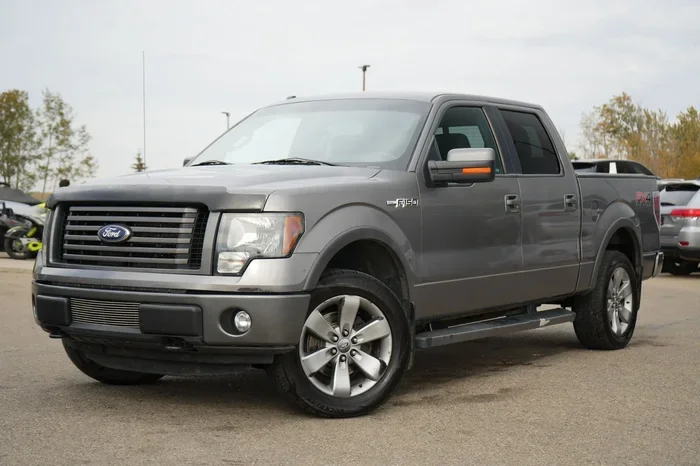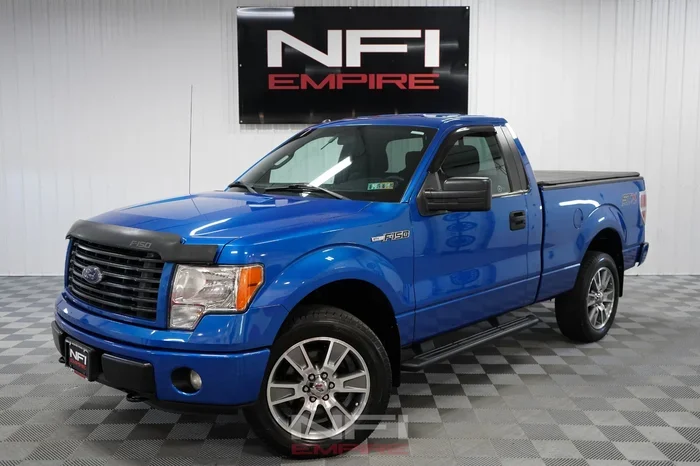
Are There Any Recalls on the 2014 Ford F150 Pickup
Yes, the 2014 Ford F150 Pickup has had several recalls covering important safety and mechanical issues. The Ford F150 recall list includes problems with the powertrain, airbags, brakes, and electrical systems. Owners should check their VIN with NHTSA to see if their specific truck is affected and get free repairs at authorized dealers.
The 2014 Ford F150 Pickup remains one of the most popular trucks on American roads. It brought a fresh design, improved fuel economy, and strong towing capability. But popularity doesn’t mean perfection. Like any vehicle, the 2014 F150 has had its share of recalls and safety notices over the years.
If you own or are thinking about buying a 2014 Ford F150, you might be wondering about recalls and known issues. This is a smart question. Recalls can affect safety, performance, and long-term reliability. Understanding what’s been recalled helps you make informed decisions about maintenance and repairs.
In this article, we break down everything you need to know about the Ford F150 recall history for the 2014 model year. We’ll cover the major recalls, how to check if your truck is affected, and what steps to take next. Let’s dive in.
Key Takeaways
- Multiple recalls exist: The 2014 Ford F150 Pickup has had several safety and mechanical recalls issued by Ford and NHTSA.
- Check your VIN: The easiest way to find out if your truck is affected is to enter your VIN on the NHTSA website or Ford’s recall portal.
- Repairs are free: If your F150 is subject to a recall, Ford dealers will perform the fix at no cost to the owner.
- Common issues include: Powertrain problems, airbag defects, brake concerns, and electrical glitches in the 2014 model year.
- Act quickly: Recalls are serious safety matters. Delaying repairs can put you and your passengers at risk.
- Stay informed: Registering your vehicle with Ford ensures you receive future recall notifications.
📑 Table of Contents
Understanding Recalls on the 2014 Ford F150 Pickup
A recall happens when a manufacturer or a safety agency identifies a defect that could affect vehicle safety or performance. When a Ford recall is issued, the manufacturer is legally required to fix the problem at no cost to the owner.
The National Highway Traffic Safety Administration (NHTSA) oversees all vehicle recalls in the United States. They track complaints, investigate patterns, and force manufacturers to take action when a safety risk is confirmed. The 2014 Ford F150 has been through this process several times since its launch.
Why Recalls Happen
Recalls can stem from many sources. Sometimes it’s a consumer complaint that reveals a pattern. Other times, Ford’s own quality control teams catch an issue during production. In some cases, competing manufacturers or independent testing labs discover the problem first.
Common reasons for Ford truck recall actions include:
- Safety system failures like airbag or seatbelt defects
- Engine or transmission problems that affect drivability
- Electrical faults that could cause fires or system failures
- Brake system issues that compromise stopping power
- Fuel system leaks that pose fire hazards
Not every recall is a life-threatening emergency. Some are minor fixes. But every recall deserves attention because even small defects can grow into bigger problems over time.
Major Recalls on the 2014 Ford F150 Pickup
The 2014 Ford F150 recall list includes several notable campaigns. Let’s look at the most significant ones that owners should be aware of.
Powertrain and Transmission Recalls
One of the biggest F150 recall campaigns for the 2014 model year involved the transmission and powertrain. Some trucks experienced unexpected shifting problems or loss of power while driving. These issues could cause the vehicle to slip out of gear or fail to engage properly.
The powertrain recall affected certain 6-speed automatic transmission units. Ford addressed this by updating the transmission control module software. In more serious cases, dealers replaced faulty transmission components entirely.
If your 2014 F150 ever hesitated or jerked during a gear change, this recall may apply to you. It’s one of the most commonly reported F150 problems among owners of this model year.
Airbag Recalls
Airbag recalls are always serious. The 2014 Ford F150 had airbag-related recalls that affected the front passenger airbag and side curtain airbags. In some cases, the airbag control module could malfunction, causing the airbags to deploy unexpectedly or fail to deploy during a crash.
Ford issued recall notices to replace the airbag control module in affected vehicles. This fix was free and typically took less than an hour at an authorized dealership. Given that airbag safety is critical in any truck, this recall was a high priority for Ford and for owners alike.
Brake System Recalls
Brakes are the most important safety feature on any vehicle. The 2014 Ford F150 had brake-related recalls involving the brake booster and hydraulic systems. Some trucks experienced reduced braking power or a spongy brake pedal feel.
Ford’s response was to inspect and, if needed, replace the brake booster assembly. Owners who noticed any unusual brake behavior should have checked their vehicle against the recall list immediately. Brakes are not something you want to postpone fixing.
Electrical and Wiring Recalls
The 2014 F150 also had electrical system recalls that affected various components. Some trucks experienced issues with the wiring harness that could lead to intermittent power loss or warning light illumination on the dashboard.
In a few cases, the electrical problem posed a fire risk because of exposed wiring near heat sources. Ford addressed these recalls by inspecting and rerouting or replacing the affected wiring. This was a less common recall but still important for owners to check.
Fuel System Recalls
Another Ford recall for the 2014 F150 involved the fuel tank and fuel lines. Some trucks had fuel connections that could develop leaks over time. A fuel leak in any vehicle is a serious safety concern because of the fire risk.
Ford dealers inspected the fuel system and replaced any faulty connections or lines as needed. This recall was relatively limited in scope but was still an important safety fix.
How to Check if Your 2014 F150 Is Affected
Knowing about recalls is one thing. Finding out if your specific truck is affected is another. The good news is that checking is simple and free.
Using the NHTSA Recall Lookup Tool
The NHTSA website offers a free recall lookup tool. You just need your Vehicle Identification Number (VIN). The VIN is a unique 17-character code found on your dashboard, driver’s side door jamb, or vehicle registration documents.
Here’s how to check:
- Go to the NHTSA recall lookup website
- Enter your 2014 Ford F150 VIN
- Click search and review the results
- Note any open recalls listed
The tool will show all open and completed recalls for your specific vehicle. Even if a recall was completed in the past, it will still appear in the results for your reference.
Checking Through Ford’s Official Recall Portal
Ford also maintains its own recall notification system. You can visit Ford’s website and enter your VIN to see any active recalls. Ford’s portal is updated regularly and includes detailed information about each recall campaign.
Another option is to contact your local Ford dealership. The service department can look up your VIN and tell you about any open recalls. They can also schedule the repair appointment for you right away.
Registering Your Vehicle for Future Notices
One step many owners miss is registering their vehicle with Ford. When you register, Ford can send you direct notifications about future recalls. This is especially helpful if you buy a used 2014 F150 and want to stay on top of any new recall notices that come up.
You can register through Ford’s website or by contacting your dealer. It only takes a few minutes and gives you peace of mind going forward.
What to Do If Your F150 Is Recalled
Finding out your truck has an open recall can feel stressful. But the process is straightforward, and the repairs are free. Here’s what you need to do.
Step-by-Step Recall Repair Process
Follow these steps to get your 2014 Ford F150 fixed:
- Confirm the recall: Use the NHTSA or Ford lookup tool to verify the recall applies to your VIN
- Contact your dealer: Call the Ford dealership service department and schedule an appointment
- Bring your documents: Take your vehicle registration, proof of ownership, and any recall notice you received
- Get the repair done: The dealer will perform the fix at no cost to you
- Get documentation: Ask for a copy of the repair receipt for your records
Remember, recall repairs are always free. Ford is legally obligated to fix the problem without charging you. If a dealer tries to bill you for a recall repair, that’s a red flag and you should report it to NHTSA.
How Long Does a Recall Repair Take?
The timeline varies depending on the recall. Some fixes take less than an hour. Others might require parts that need to be ordered, which could take a few days. For major recalls like transmission or powertrain issues, the repair could take several hours.
Ford dealerships prioritize recall repairs because they are safety-related. Most dealers will work to get your truck fixed as quickly as possible.
What If the Dealer Can’t Fix It Right Away?
In rare cases, a dealer might not have the parts available immediately. If this happens, you have rights. You can ask the dealer for a loaner vehicle or check if Ford offers alternative solutions. You can also file a complaint with NHTSA if you feel your recall is being neglected.
Common Problems Reported by 2014 F150 Owners
Beyond formal recalls, many 2014 F150 owners have reported common problems that didn’t rise to the level of a full recall but are still worth knowing about.
Transmission Hesitation
Some owners of the 2014 Ford F150 reported transmission hesitation during acceleration. This is different from a full recall issue but is a known F150 reliability concern. A transmission software update from the dealer can often resolve this.
Electrical Gremlins
Electrical issues are among the most common 2014 F150 complaints. These include flickering dashboard lights, intermittent power window failures, and Bluetooth connectivity problems. While not all of these triggered recalls, they can be frustrating for daily drivers.
Rust and Corrosion
A few owners reported rust development on the undercarriage and wheel wells. This is more common in northern states where road salt is used. Regular washing and undercoating can help prevent this issue from getting worse.
Excessive Oil Consumption
Some 2014 F150 engines showed higher-than-normal oil consumption. This was particularly noted in trucks with the 5.0-liter V8 engine. Owners should monitor their oil levels regularly and top off as needed between oil changes.
Long-Term Reliability and What Owners Should Know
The 2014 Ford F150 is generally considered a reliable full-size pickup. It has a strong fan base and a solid reputation for durability. But like any vehicle, it benefits from regular maintenance and prompt attention to any known issues.
Maintenance Tips for a 2014 F150
Keeping your 2014 Ford F150 Pickup running strong comes down to consistent care. Here are some tips:
- Change your oil regularly using the recommended grade
- Check transmission fluid levels at every service interval
- Inspect brakes at least twice a year
- Monitor electrical systems and address warning lights promptly
- Wash the undercarriage frequently in winter months
- Stay current on all recalls and service bulletins
Should You Buy a Used 2014 F150?
The 2014 F150 is a solid choice in the used truck market. It offers strong towing capacity, a comfortable interior, and proven V8 and V6 engine options. Just make sure to check the VIN for any open recalls before purchasing. A clean recall history adds confidence to any used vehicle buy.
Expert Insight on 2014 F150 Recalls
Automotive experts generally agree that the 2014 Ford F150 is a good truck with a manageable recall history. The major recalls were addressed promptly by Ford, and most have been resolved for the vast majority of affected vehicles. The key takeaway is simple: always verify your VIN and stay proactive about recalls and maintenance.
According to F150 reliability data from consumer reporting agencies, the 2014 model year sits in the middle of the pack for the F150 lineup. It’s not the most problematic year, nor is it the most trouble-free. But with proper care and attention to recalls, it can serve you well for many miles.
Key Takeaways
- Multiple recalls exist: The 2014 Ford F150 Pickup has had several safety and mechanical recalls issued by Ford and NHTSA.
- Check your VIN: The easiest way to find out if your truck is affected is to enter your VIN on the NHTSA website or Ford’s recall portal.
- Repairs are free: If your F150 is subject to a recall, Ford dealers will perform the fix at no cost to the owner.
- Common issues include: Powertrain problems, airbag defects, brake concerns, and electrical glitches in the 2014 model year.
- Act quickly: Recalls are serious safety matters. Delaying repairs can put you and your passengers at risk.
- Stay informed: Registering your vehicle with Ford ensures you receive future recall notifications.
Conclusion
The question “Are there any recalls on the 2014 Ford F150 Pickup?” has a clear answer: yes, there have been several recalls. They cover important areas like the powertrain, airbags, brakes, electrical systems, and fuel connections. But none of these recalls should cause panic. They are fixable, and the repairs are free.
The most important thing you can do as a 2014 F150 owner is to check your VIN regularly and stay informed about any open recalls. A quick lookup takes only a few minutes and could save you from a serious safety issue down the road.
If your truck is affected by a Ford F150 recall, don’t delay. Contact your dealer, schedule the repair, and get back on the road with confidence. Your safety and the safety of your passengers always come first. Stay proactive, stay informed, and enjoy the many strengths this popular pickup has to offer.
Frequently Asked Questions
How do I find out if my 2014 Ford F150 has an open recall?
You can check for open recalls by visiting the NHTSA website and entering your vehicle’s 17-character VIN. Ford’s own recall portal also provides this information. You can also call your local Ford dealership with your VIN and ask them to check for any active recalls on your truck.
Are recall repairs free for the 2014 Ford F150?
Yes, all recall repairs are completely free. Federal law requires manufacturers to fix recall-related defects at no cost to the vehicle owner. If a dealer charges you for a recall repair, you should report it to NHTSA immediately.
What was the biggest recall on the 2014 Ford F150?
The most significant recall involved the transmission and powertrain control module. This recall affected shifting behavior and could cause power loss while driving. Ford addressed it with a software update or hardware replacement depending on the severity of the issue in each vehicle.
Can I drive my 2014 F150 if it has an open recall?
In most cases, yes. However, it’s best to get the repair done as soon as possible. Some recalls involve critical safety systems like airbags or brakes, where delaying the fix could be dangerous. Check the specific recall notice to understand the urgency of the repair.
How often should I check for new recalls on my 2014 F150?
It’s a good habit to check for recalls at least twice a year. You should also check whenever you notice a new warning light or unusual behavior from your truck. Registering your vehicle with Ford ensures you get automatic notifications when new recalls are issued.
What if my local Ford dealer says they can’t fix the recall right now?
Dealers are required to honor recall repairs. If parts aren’t available, they should give you a timeline for when the fix can be completed. You can also contact Ford customer service directly or file a report with NHTSA if you’re experiencing delays in getting your recall addressed.