How Do I Reset the Check Engine Light on 2009 Toyota Corolla
Resetting the check engine light on a 2009 Toyota Corolla is easier than you think. You can use an OBD-II scanner, disconnect the battery, or let the light turn off on its own. This guide walks you through each method clearly, so you can fix the problem and get back on the road with confidence.
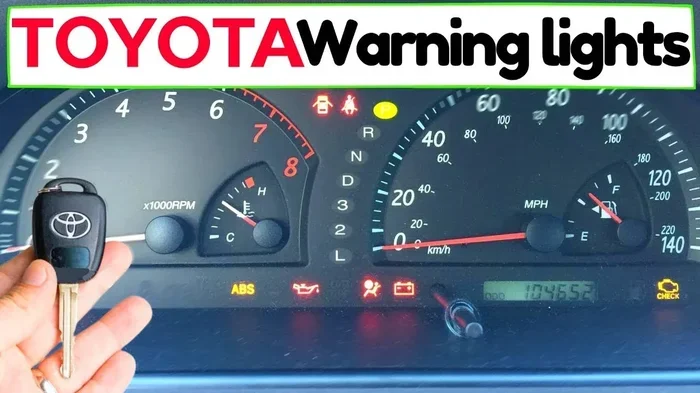
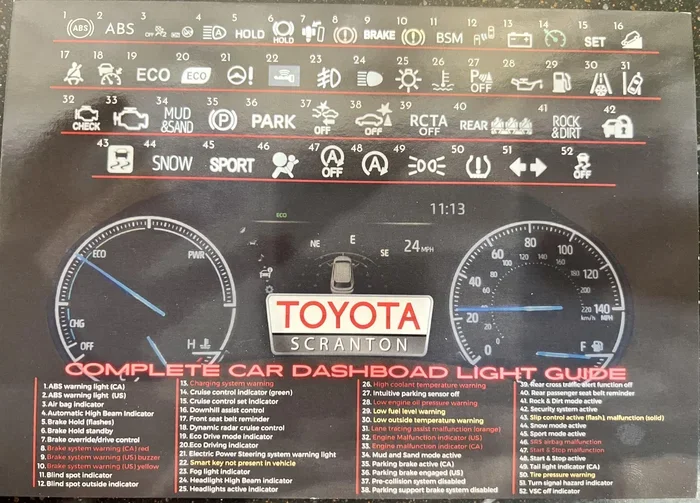
That little yellow engine-shaped icon on your dashboard can send a shiver down any car owner’s spine. If you own a 2009 Toyota Corolla and the check engine light just came on, you are not alone. This is one of the most common warnings drivers face, and it can mean anything from a loose gas cap to a serious engine problem.
The good news is that resetting the light is usually straightforward. You do not need to be a mechanic or spend hundreds of dollars at a shop. In this guide, we will walk you through every method, explain what triggers the light, and help you decide the best approach for your situation. Whether you want a quick DIY fix or just want to understand what is going on under the hood, this article has you covered.
We will cover the most common causes, the tools you need, step-by-step instructions for each reset method, and tips to prevent the light from coming back. By the end, you will feel confident tackling this issue yourself. Let us get started.
Key Takeaways
- Multiple reset methods exist: You can use an OBD-II scanner, disconnect the battery, or simply drive the car until the light clears.
- Finding the root cause matters: Resetting the light without fixing the problem will just make it come back.
- A loose gas cap is a common culprit: This simple fix often resolves the issue without any tools.
- You do not need a mechanic: Most resets can be done at home with basic tools and a little patience.
- Driving with the light on can be risky: Some issues are safe to ignore briefly, while others need immediate attention.
- Regular maintenance helps: Staying on top of Toyota service schedules can prevent many check engine light triggers.
📑 Table of Contents
- Why Does the Check Engine Light Come On?
- Tools You Need to Reset the Check Engine Light
- Method 1: Reset Using an OBD-II Scanner
- Method 2: Disconnect the Battery
- Method 3: The Drive Cycle Method
- How to Prevent the Check Engine Light From Returning
- Understanding Toyota Check Engine Light Codes
- Can You Drive With the Check Engine Light On?
- Cost Considerations for Check Engine Light Repairs
- Expert Tips for a Smooth Reset
- Final Thoughts
Why Does the Check Engine Light Come On?
The check engine light is part of your Toyota Corolla’s onboard diagnostics system. When the car’s computer detects something wrong, it stores a trouble code and turns on the light. Understanding why this happens is the first step to fixing it.
Common Causes of the Check Engine Light
Several things can trigger the warning light on a 2009 Corolla. Here are the most common reasons:
- Loose or faulty gas cap: This is the number one cause. A loose cap lets fuel vapors escape, which triggers the evaporative emission control system.
- Faulty oxygen sensor: This sensor measures unburned oxygen in the exhaust. When it fails, your fuel economy drops and emissions rise.
- Catalytic converter issues: A failing converter can cause the light to come on and may lead to poor engine performance.
- Mass airflow sensor problems: This sensor tells the computer how much air enters the engine. A dirty or broken sensor disrupts the fuel-air mix.
- Worn spark plugs or ignition coils: Misfires from old spark plugs are a frequent trigger, especially in older vehicles.
- EGR valve malfunction: The exhaust gas recirculation valve can get clogged, causing engine performance issues.
- Vacuum leaks: Cracked hoses or loose connections can create leaks that affect engine timing and fuel efficiency.
When to Worry and When Not To
Not all check engine lights mean disaster. If the light is solid (not flashing), you usually have time to investigate. A flashing check engine light, however, signals a serious problem like an engine misfire that could damage the catalytic converter. In that case, pull over safely and get your car inspected right away.
It is also worth noting that some drivers wonder, can a check engine light turn off on its own? Yes, it can. If the issue was temporary, like a loose gas cap, the light may shut off after a few drive cycles. But do not count on this. Always investigate the root cause first.
Tools You Need to Reset the Check Engine Light
Before you start, gather the right tools. Having everything ready makes the process smoother and faster.
Essential Tools
- OBD-II scanner: This is the most important tool. It plugs into the diagnostic port under your dashboard and reads the trouble codes. You can buy a basic scanner for under $30 or use a free app with a Bluetooth adapter.
- Socket wrench set: You need this if you plan to disconnect the battery.
- Clean rag or cloth: Useful for cleaning the gas cap area and battery terminals.
- New gas cap: If your current cap is cracked or worn, replacing it costs just a few dollars and often solves the problem.
Optional but Helpful Tools
- Multimeter: Helps you test battery voltage and electrical connections.
- Oxygen sensor wrench: Makes removing the oxygen sensor easier without damaging it.
- Spark plug socket: Needed if you suspect worn spark plugs are causing the issue.
If you do not own an OBD-II scanner, many auto parts stores like AutoZone will read your codes for free. This is a great first step before attempting any reset.
Method 1: Reset Using an OBD-II Scanner
Using an OBD-II scanner is the most reliable way to reset the check engine light on a 2009 Toyota Corolla. This method also lets you read and clear the specific trouble codes stored in your car’s computer.
Step-by-Step Instructions
- Locate the OBD-II port: On the 2009 Corolla, the port is under the dashboard on the driver’s side. It is usually near the steering column, below the fuse box cover.
- Plug in the scanner: Connect the OBD-II scanner to the port. The port has a trapezoidal shape, so the connector only fits one way.
- Turn the ignition to ON: Do not start the engine. Just turn the key to the ON position or press the start button without pressing the brake.
- Read the trouble codes: The scanner will display codes like P0420 or P0300. Write these down. Each code tells you what system or component has a problem.
- Clear the codes: Use the scanner’s menu to erase the codes and reset the light. Most scanners have a clear or reset button.
- Turn off the ignition: Wait a few seconds, then turn the key off and remove the scanner.
- Start the engine: Drive the car for a few minutes. If the issue is fixed, the light should stay off.
Pro Tip: After resetting, drive the car through several complete drive cycles. The car’s computer needs to run all its self-tests before it confirms the problem is resolved. If the light comes back, the underlying issue is not fixed yet.
Method 2: Disconnect the Battery
If you do not have an OBD-II scanner, you can reset the light by disconnecting the battery. This method clears all the stored codes and resets the car’s computer. However, it also resets other settings like your radio presets and clock.
Step-by-Step Instructions
- Park the car and turn off the engine: Make sure the car is completely off and the key is removed from the ignition.
- Open the hood: Locate the battery. On the 2009 Corolla, it is usually on the driver’s side of the engine bay.
- Identify the negative terminal: The negative terminal has a minus sign (-) and is usually connected by a black cable.
- Loosen the nut: Use a socket wrench to loosen the bolt on the negative terminal clamp.
- Remove the cable: Carefully lift the cable off the terminal and move it away from the battery.
- Wait 15 to 30 minutes: This gives the car’s computer time to fully discharge and reset.
- Reconnect the cable: Place the cable back on the terminal and tighten the nut securely.
- Start the engine: Turn the key and let the car idle for a few minutes. The check engine light should be off now.
Important: Disconnecting the battery does not fix the actual problem. If the root cause is still there, the light will return after a few days of driving. Always use this method after you have identified and resolved the issue.
Method 3: The Drive Cycle Method
Sometimes the simplest approach works best. The 2009 Toyota Corolla has a self-diagnostic system that can clear certain codes on its own after a series of drive cycles. This method requires no tools at all.
How to Complete a Drive Cycle
- Start the cold engine: Make sure the car has been sitting for at least three hours.
- Idle the engine for two to three minutes: Let it warm up without moving.
- Drive at moderate speed: Get on a road where you can maintain about 55 miles per hour for at least five minutes.
- Cruise steadily: Avoid heavy braking or sudden acceleration.
- Let the engine idle again: After driving, let the car sit and idle for a few minutes before turning it off.
- Repeat if needed: Some codes require two to three complete drive cycles to clear.
This method works best when the trigger was minor, like a temporary sensor glitch or a one-time misfire. If the light does not go off after several drive cycles, the problem likely needs a physical fix.
How to Prevent the Check Engine Light From Returning
Resetting the light is only half the battle. The real goal is to keep it from coming back. Here are some practical tips to keep your 2009 Corolla running smoothly.
Regular Maintenance Habits
- Check your gas cap regularly: Make sure it clicks tightly when you screw it on. Replace it every few years if it looks worn.
- Change spark plugs on schedule: The 2009 Corolla uses iridium spark plugs that last about 100,000 miles, but inspect them earlier if you notice rough idling.
- Use the right fuel: Always use the octane rating recommended in your owner’s manual. Using the wrong fuel can trigger the light.
- Keep up with oil changes: Regular oil changes prevent engine problems that can trigger the check engine light.
- Do not ignore small issues: A small problem today can become a big repair tomorrow. Address warning signs early.
When to See a Professional
Some problems are beyond a simple reset. If you see the check engine light flashing, notice a significant drop in power, or hear unusual noises from the engine, it is time to see a mechanic. Driving with serious engine issues can lead to expensive damage. If you are wondering whether it is safe to keep driving with the light on, check out this guide on Can I Drive My Toyota Camry With The Check Engine Light On for more details.
Also, staying on top of your Toyota’s maintenance schedule, including services like the Do I Really Need A 60000 Mile Service, can help catch problems before they trigger the check engine light in the first place.
Understanding Toyota Check Engine Light Codes
When you plug in an OBD-II scanner, you will see codes that look like a random mix of letters and numbers. These are called diagnostic trouble codes, or DTCs. Each one tells you what system the computer flagged.
Common Toyota-Specific Codes
- P0420: Catalyst system efficiency below threshold. This often points to a failing catalytic converter.
- P0300: Random or multiple cylinder misfire detected. This could mean bad spark plugs, ignition coils, or fuel injectors.
- P0171: System too lean (Bank 1). This usually indicates a vacuum leak or a problem with the fuel delivery system.
- P0441: Evaporative emission control system incorrect purge flow. Often caused by a faulty gas cap or EVAP valve.
- P0135: Oxygen sensor heater circuit malfunction. The sensor needs replacement.
Knowing what these codes mean helps you decide whether the fix is something you can do yourself or whether you need a professional. A loose gas cap might trigger P0441, which is an easy fix. But P0420 could mean a costly catalytic converter replacement.
Can You Drive With the Check Engine Light On?
This is one of the most common questions car owners ask. The short answer is: it depends on the situation.
If the light is solid and the car is running normally, you can usually drive a short distance to get it inspected. However, if the light is flashing, you should stop driving immediately and get the car towed. A flashing light means the engine is misfiring, which can cause serious and expensive damage to the catalytic converter.
Many drivers also wonder about driving other Toyota models with warning lights on. For example, if you have a Highlander and the VSC light is on, the rules are a bit different. You can read more about that in this article on Can I Drive A Highlander With The Vsc Light On.
For the 2009 Corolla specifically, a solid check engine light usually means you have some time, but you should not put off the repair for too long. The longer you ignore it, the more potential damage can occur.
Cost Considerations for Check Engine Light Repairs
The cost to fix the issue behind the check engine light varies widely. Here is a rough breakdown of common repairs and their costs for a 2009 Toyota Corolla:
| Repair | Estimated Cost Range |
|---|---|
| Replace gas cap | $5 – $25 |
| Replace oxygen sensor | $100 – $300 |
| Replace spark plugs | $50 – $150 |
| Replace catalytic converter | $500 – $2,000 |
| Fix vacuum leak | $50 – $200 |
| Replace mass airflow sensor | $100 – $400 |
As you can see, some fixes are very affordable while others can be expensive. This is why it is smart to read the trouble codes first before assuming the worst. A simple gas cap replacement costs almost nothing, but a catalytic converter replacement can be a major expense. Always diagnose before you repair.
If you are concerned about the cost of diagnostics, many mechanics offer a flat-rate diagnostic fee that is much lower than the cost of a full repair. You can also check if the repair is covered under any recall or technical service bulletin for the 2009 Corolla.
Expert Tips for a Smooth Reset
Here are some insider tips that experienced Toyota owners and mechanics swear by:
- Always read the codes first: Never reset the light without knowing what caused it. The code gives you the roadmap to the fix.
- Use a quality scanner: Cheap scanners sometimes cannot read all Toyota-specific codes. Invest in a reliable one or use a professional-grade scanner at an auto parts store.
- Do not rush the drive cycle: Let the car complete its full drive cycle. Rushing through it can leave codes unresolved.
- Check for recalls: Toyota occasionally issues recalls that affect the 2009 Corolla. Visit the NHTSA website to check if your vehicle is affected.
- Keep your gas cap tight: This one simple habit prevents a surprising number of check engine light incidents.
Final Thoughts
Resetting the check engine light on a 2009 Toyota Corolla is a task most car owners can handle on their own. Whether you choose to use an OBD-II scanner, disconnect the battery, or complete a drive cycle, the key is to address the root cause first. Simply clearing the light without fixing the problem will only lead to frustration and a recurring warning.
Start by reading the trouble codes. They tell you exactly what is wrong. From there, you can decide whether the fix is something you can do yourself or whether you need a professional. And remember, if the light is flashing, do not delay. Get the car checked immediately to avoid costly damage.
With the right tools, a little patience, and the information in this guide, you can handle the check engine light with confidence. Your 2009 Toyota Corolla will thank you, and your wallet will too. Now go ahead and take care of that warning light. You have got this.
Frequently Asked Questions
Can I drive my 2009 Toyota Corolla with the check engine light on?
It depends on whether the light is solid or flashing. A solid light usually means you can drive carefully to a repair shop. A flashing light signals a serious problem like an engine misfire and you should stop driving and get the car towed.
How much does it cost to reset the check engine light on a Toyota Corolla?
If you use an OBD-II scanner, the cost is just the price of the scanner, which starts at around $20. Many auto parts stores will read and clear codes for free. If you take it to a mechanic, expect a diagnostic fee of $50 to $150.
Will disconnecting the battery reset the check engine light permanently?
No, disconnecting the battery only clears the codes temporarily. If the underlying problem is not fixed, the light will come back after a few drive cycles. Always diagnose the issue first.
What is the most common reason the check engine light comes on in a 2009 Toyota Corolla?
The most common cause is a loose or faulty gas cap. Other frequent triggers include worn spark plugs, a failing oxygen sensor, and catalytic converter problems. A simple gas cap check should always be your first step.
How long does it take to reset the check engine light?
Using an OBD-II scanner takes just a few minutes. Disconnecting the battery requires waiting 15 to 30 minutes for the computer to reset. The drive cycle method can take a few hours since it involves multiple driving stages.
Can the check engine light turn off by itself?
Yes, if the issue was minor and temporary, such as a loose gas cap, the light may turn off after a few drive cycles. However, you should still investigate the cause. For more details on this topic, check out this article on Can A Check Engine Light Turn Off On Its Own.