How Big Is the Gas Tank on a 57L Toyota Tundra
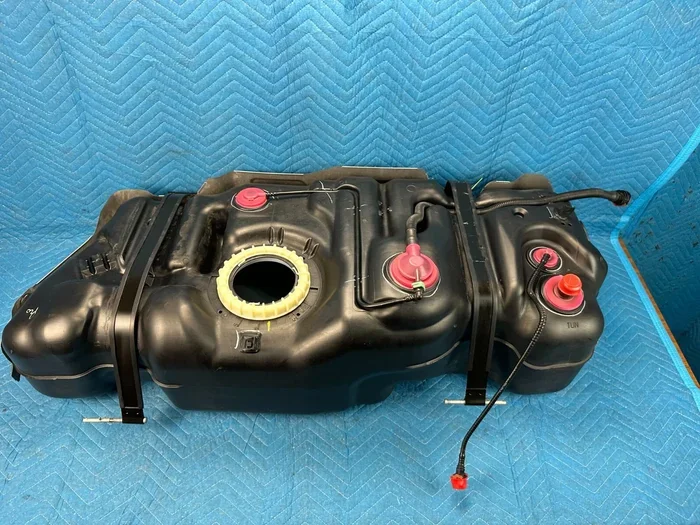
The 5.7L Toyota Tundra comes with a 26.4-gallon fuel tank, giving you solid highway range and enough capacity for most towing and hauling needs. Whether you are commuting or hauling a trailer, knowing your Tundra fuel tank size helps you plan trips and avoid running low.
Have you ever wondered exactly how big the gas tank is on a 5.7L Toyota Tundra? Maybe you just bought one, or maybe you are thinking about pulling the trigger on this popular full-size pickup. Either way, knowing your fuel tank capacity matters more than most people think.
The 5.7L V8 engine in the Toyota Tundra is a workhorse. It pulls trailers, hauls cargo, and handles tough jobs with ease. But all that power comes with a fuel appetite. Understanding your Tundra tank size helps you plan road trips, estimate costs, and avoid getting stranded. Let us break everything down in a simple, straightforward way.
Key Takeaways
- Tank Capacity: The 5.7L Toyota Tundra holds 26.4 gallons of fuel in its standard tank.
- Highway Range: You can expect roughly 400 to 500 miles on a full tank depending on driving conditions.
- Fuel Economy: The 5.7L V8 engine averages around 13 to 16 MPG combined, which is typical for a full-size V8 pickup.
- Fill-Up Cost: At current gas prices, a full tank costs approximately $80 to $110 depending on fuel type.
- Towing Impact: Towing a heavy load will reduce your range significantly, sometimes by 30% or more.
- Spare Tire Note: The Tundra does not carry a spare tire by default, so knowing how to check your fuel level and plan stops is extra important.
📑 Table of Contents
- Toyota Tundra Gas Tank Size: The Basics
- Understanding Fuel Economy in the 5.7L Tundra
- How Much Does It Cost to Fill Up a 5.7L Tundra?
- Towing and Fuel Consumption: What to Expect
- Tips to Maximize Your Tundra’s Fuel Range
- Comparing the Tundra Tank to Other Full-Size Pickups
- Common Mistakes Tundra Owners Make with Fuel
- How Long Can Gas Sit in a Tundra Tank?
- Final Thoughts on the 5.7L Tundra Fuel Tank
Toyota Tundra Gas Tank Size: The Basics
The Toyota Tundra fuel tank on the 5.7L model holds 26.4 gallons. This is the standard factory tank size across most trim levels of the 5.7L V8 configuration. Toyota has kept this capacity consistent across several model years, which makes it easy to compare and plan.
Now, 26.4 gallons might sound small for a truck this size. And you are right. Full-size pickups are not known for sipping fuel. But Toyota engineered this tank to balance weight, packaging, and range. The goal was to give the Tundra enough fuel to go the distance without turning the truck into a fuel-guzzling monster.
So what does 26.4 gallons actually mean in real-world terms? Let us get into the numbers.
How Far Can a 5.7L Tundra Go on a Full Tank?
This is the question most truck owners want answered. The honest answer depends on a few factors. But here is a solid baseline.
The 5.7L Tundra gets an estimated 13 to 16 MPG combined, depending on your driving style, terrain, and load. Using a simple calculation:
- 26.4 gallons x 13 MPG = about 343 miles
- 26.4 gallons x 16 MPG = about 422 miles
On the highway with steady speeds and no heavy towing, you can push closer to 500 miles on a single tank. In city traffic or when hauling heavy loads, you might find yourself looking for a gas station after 250 to 300 miles.
That range is actually competitive for a full-size V8 pickup. Trucks like the Ford F-150 and Ram 1500 offer similar or slightly better fuel economy, but the Tundra’s 26.4-gallon tank gives it a comfortable buffer.
Understanding Fuel Economy in the 5.7L Tundra
Let us talk honestly about Tundra fuel economy. The 5.7L V8 is not a small engine. It produces 381 horsepower and 401 pound-feet of torque. That is serious power. And serious power usually means more fuel consumption.
But Toyota has made impressive strides over the years. The 5.7L V8 in the Tundra uses variable valve timing and sequential fuel injection to squeeze out every bit of efficiency it can. The engine also features cylinder deactivation, which shuts down four of the eight cylinders during light-load driving. This helps improve gas mileage during highway cruising.
What Affects Your Tundra’s MPG?
Several factors influence how many miles you get per gallon in your Tundra. Here are the biggest ones:
- Driving Style: Aggressive acceleration and hard braking burn fuel fast. Smooth, steady driving improves MPG significantly.
- Towing and Hauling: Pulling a trailer adds massive drag and weight. Your MPG can drop by 3 to 5 points when towing heavy loads.
- Terrain: Hilly or mountainous terrain uses more fuel than flat highways. Stop-and-go city driving is also less efficient.
- Tire Pressure: Underinflated tires create rolling resistance. Keeping tires at the proper pressure helps maintain fuel economy.
- Payload Weight: A loaded bed and heavy cargo increase fuel consumption. The heavier the truck, the more fuel it needs.
- Auxiliary Loads: Running the AC, headlights, and other accessories draws engine power, which uses more fuel.
Knowing these factors helps you make smart decisions about when and how to fill up. And speaking of filling up, let us talk about that next.
How Much Does It Cost to Fill Up a 5.7L Tundra?
Here is a practical question that hits your wallet directly. Filling up the 26.4-gallon tank on a 5.7L Tundra costs a noticeable amount of money. The exact cost depends on current fuel prices, but here is a rough estimate.
At an average regular unleaded price of around $3.50 per gallon:
- 26.4 gallons x $3.50 = approximately $92 per fill-up
If you use premium fuel (which the 5.7L V8 recommends), prices are usually $1 to $2 higher per gallon. That puts a full tank at roughly $105 to $120.
For daily commuters, this adds up over time. But for those who use the Tundra for towing or heavy-duty work, the fuel cost is simply part of owning a powerful full-size truck. Is it better to fill a gas tank full or half? Many owners ask this question. Filling it full gives you maximum range and fewer trips to the pump. But if you are parking for a long time, a half tank reduces the weight slightly.
Towing and Fuel Consumption: What to Expect
The 5.7L Tundra is a capable tow vehicle. It can tow up to 10,200 pounds when properly equipped. But towing takes a serious toll on fuel economy.
When you are pulling a trailer, your Tundra tank range drops considerably. Here is what to expect:
- No trailer: 350 to 500 miles per tank
- Light trailer (up to 5,000 lbs): 250 to 350 miles per tank
- Heavy trailer (8,000 to 10,200 lbs): 200 to 280 miles per tank
As you can see, towing a heavy load can cut your range by nearly half. This is why planning fuel stops is so important on long trips. You do not want to be stuck on a lonely highway with the fuel gauge hovering near empty.
One practical tip: always keep at least a quarter tank of fuel when towing. This gives you a safety buffer and keeps the fuel pump cool. Running the tank too low can cause the pump to overheat, especially under heavy load.
Tips to Maximize Your Tundra’s Fuel Range
Want to squeeze every last mile out of your 26.4-gallon tank? Here are some proven tips that actually work.
1. Drive at Steady Speeds
Cruising at a consistent 60 to 65 mph on the highway is the sweet spot for fuel efficiency. Avoid rapid acceleration and sudden braking. These habits waste fuel and wear out your brakes faster.
2. Use Cruise Control on Highways
Modern Tundra models come with adaptive cruise control, which helps maintain a steady speed and safe following distance. Using cruise control on long highway stretches improves your Tundra MPG noticeably.
3. Keep Your Tires Properly Inflated
Check your tire pressure at least once a month. Underinflated tires create drag, which forces the engine to work harder and burn more fuel. The recommended pressure is listed on the driver’s side door jamb.
4. Remove Unnecessary Weight
Every extra pound in your truck costs fuel. Remove heavy items from the bed and cabin when you are not using them. A cleaner, lighter truck gets better mileage.
5. Plan Your Fuel Stops
Use apps or maps to locate gas stations along your route. This is especially helpful on long road trips where stations may be far apart. Knowing how far past empty a car can go gives you confidence, but do not push it. The Tundra’s fuel gauge is fairly accurate, so trust it.
6. Use the Recommended Fuel
The 5.7L V8 is designed to run on premium unleaded fuel (91 octane or higher). Using lower octane fuel can cause engine knocking and reduce performance. While it might save a few cents per gallon, it can cost you in the long run.
Comparing the Tundra Tank to Other Full-Size Pickups
How does the 5.7L Tundra’s fuel tank stack up against the competition? Here is a quick comparison.
- Toyota Tundra 5.7L: 26.4 gallons
- Ford F-150 (5.0L V8): 26.0 gallons
- Ram 1500 (5.7L HEMI): 26.0 gallons
- Chevy Silverado 1500 (5.3L V8): 24.0 gallons
The Tundra holds slightly more fuel than most competitors. This small advantage adds up over long trips and heavy towing. Combined with Toyota’s reputation for reliability, the Tundra fuel tank gives you a practical edge.
If you are curious about how your Tundra compares to other Toyota models, check out our guide on how many gallons your car tank holds. It covers tank sizes across multiple vehicles.
Common Mistakes Tundra Owners Make with Fuel
Owning a 5.7L Tundra comes with responsibilities. Here are some common mistakes that hurt fuel economy and tank life.
- Running the tank too low too often: This can damage the fuel pump over time. Sediment settles at the bottom of the tank, and running low stirs it up into the engine.
- Overfilling the tank: Topping off the tank after the pump clicks off can cause fuel to overflow into the charcoal canister. This leads to expensive repairs.
- Ignoring the check engine light: If the check engine light comes on, do not ignore it. A faulty oxygen sensor or misfire can drastically reduce fuel efficiency.
- Skipping regular maintenance: Dirty air filters, worn spark plugs, and old fuel filters all reduce MPG. Stick to the maintenance schedule.
Avoiding these simple mistakes keeps your Tundra running strong and your fuel costs manageable.
How Long Can Gas Sit in a Tundra Tank?
If you own a Tundra but do not drive it every day, you might wonder about fuel storage. How long can gas sit in a car before going bad? Typically, gasoline starts to degrade after about three to six months. Ethanol-blended fuels (like E10) absorb moisture over time, which can cause engine problems.
If you plan to store your Tundra for an extended period, fill the tank completely to reduce condensation. You can also add a fuel stabilizer to keep the gas fresh. This is a simple step that saves you from costly fuel system repairs later.
For more details on fuel storage, you can read our article on how long gas can sit in a car before going bad. It covers best practices for keeping fuel fresh.
Final Thoughts on the 5.7L Tundra Fuel Tank
The 5.7L Toyota Tundra offers a generous 26.4-gallon fuel tank that provides solid range for both daily driving and heavy-duty work. Whether you are commuting to work, hauling equipment, or towing a trailer, knowing your tank size and fuel economy helps you plan smarter trips and avoid surprises at the pump.
The Tundra is built to work hard, and its fuel system is designed to keep up. With proper maintenance, smart driving habits, and regular fill-ups, you can get the most out of every gallon. The 5.7L V8 gives you the power you need, and the 26.4-gallon tank gives you the range to go where you need to go.
Take care of your truck, and it will take care of you. Fill up, drive safe, and enjoy the ride.
Want to learn more about your Tundra’s fuel system? Check out our guide on how many gallons it takes to fill up a car for helpful tips on getting the most from every trip.
Frequently Asked Questions
How many gallons is the gas tank on a 5.7L Toyota Tundra?
The 5.7L Toyota Tundra comes with a 26.4-gallon fuel tank. This is the standard capacity across most model years and trim levels of the 5.7L V8 configuration.
How far can a 5.7L Tundra go on a full tank?
On a full tank of 26.4 gallons, the 5.7L Tundra can travel approximately 350 to 500 miles depending on driving conditions. Highway driving with no load yields the best range, while city driving and towing reduce the distance significantly.
Does the 5.7L Tundra require premium fuel?
Yes, Toyota recommends premium unleaded fuel (91 octane or higher) for the 5.7L V8 engine. Using lower octane fuel can cause engine knocking and reduce performance and fuel efficiency.
How much does it cost to fill up a 5.7L Tundra tank?
At an average gas price of $3.50 per gallon, filling the 26.4-gallon tank costs approximately $92. Premium fuel costs more, typically $105 to $120 per full tank depending on local prices.
How does towing affect the Tundra’s fuel range?
Towing a heavy load reduces fuel economy and range. A heavy trailer (8,000 to 10,200 lbs) can cut your range by nearly half, bringing it down to 200 to 280 miles per tank.
Can I drive my Toyota Tundra with the check engine light on?
You can drive short distances with the check engine light on, but you should get it checked as soon as possible. A glowing check engine light can indicate issues that reduce fuel efficiency and potentially damage the engine over time. Visit our guide on driving with the check engine light on for more details.
=== CONCLUSION ===
The 5.7L Toyota Tundra fuel tank holds 26.4 gallons, and that number matters more than most people realize. From daily commutes to long road trips and heavy towing, understanding your Tundra tank size helps you drive smarter and spend less on fuel. Keep your tank at least a quarter full, maintain your truck properly, and plan your fuel stops ahead of time. These simple habits go a long way in keeping your Tundra running strong for years to come.