Do Tundras Hold Their Value or Are You Wasting Money
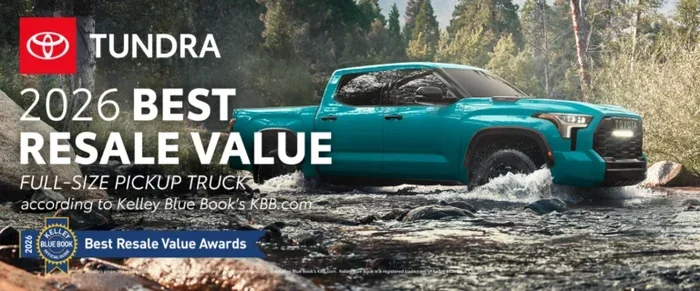
Do Tundras hold their value? Yes, Toyota Tundras are known for strong resale value and low depreciation rates compared to many competitors. Their reliability, durability, and high demand in the used truck market make them a smart buy for those who want to protect their investment.
Let us talk about something that matters to every truck buyer. Do Tundras hold their value? This is a question that keeps coming up in forums, dealer lots, and coffee shop conversations alike. The short answer is yes. Toyota Tundras have built a reputation for being trucks that do not lose their worth quickly. But the full story is more interesting than a simple yes or no.
When you buy a truck, you want to know your money is well spent. Nobody wants to drive off the lot and watch their vehicle lose thousands of dollars in value overnight. That is where the Toyota Tundra shines. This full-size pickup has earned a loyal following, and its resale value is a big reason why. In this article, we will break down everything you need to know about Tundra price retention and depreciation rates.
Whether you are thinking about buying a new Tundra or shopping for a used one, understanding how these trucks hold value can save you serious money. We will cover what affects their worth, which years are best, and how they stack up against the competition. By the end, you will have a clear picture of whether a Tundra is the right move for your wallet.
Key Takeaways
- Tundras depreciate slower than most trucks: Toyota Tundras hold roughly 40-50% of their value after five years, which is impressive for a full-size pickup.
- Reliability drives value: The Tundra’s reputation for lasting well over 200,000 miles keeps demand high in the used market.
- Trim level matters: Higher trims like the 1794 Edition and Platinum tend to retain value better than base models.
- Supply shortages boost prices: Recent production challenges have made used Tundras more valuable than ever before.
- Maintenance keeps value high: Regular upkeep and clean history reports significantly increase resale prices.
- Timing your purchase helps: Buying slightly older models can save money while still offering strong value retention.
- Compare before you buy: Always check the fair market value of any Tundra you are considering.
📑 Table of Contents
- Why Do Tundras Hold Their Value So Well?
- How Fast Do Tundras Depreciate?
- Best Model Years for Value Retention
- How Does the Tundra Compare to Other Trucks?
- Tips to Maximize Your Tundra’s Value
- Common Mistakes That Kill Tundra Value
- Expert Insights on Tundra Value
- Is Buying a Tundra a Smart Financial Decision?
- Final Verdict: Do Tundras Hold Their Value?
Why Do Tundras Hold Their Value So Well?
The Toyota Tundra has been on the market since 2000, and it has built a strong track record. But what exactly makes this truck stand out when it comes to value retention? Let us dig into the reasons.
Legendary Reliability
Toyota is famous for building trucks that last. The Tundra is no exception. Many owners report crossing the 200,000-mile mark without major issues. This kind of longevity creates trust in the used market. Buyers know that when they purchase a Tundra, they are getting a truck that will keep going strong for years to come.
Reliability is the biggest factor in used truck value. When a vehicle has a reputation for lasting, people are willing to pay more for it. That is exactly what happens with the Tundra. It consistently ranks among the most reliable full-size pickups available.
Strong Demand in the Used Market
Demand plays a huge role in how well a truck holds its value. The Tundra enjoys consistent demand because it is a proven workhorse. Contractors, families, and weekend adventurers all love this truck. When demand stays high, resale prices stay strong too.
Recent supply chain issues have only made things better for Tundra owners looking to sell. With fewer new trucks available, the used Tundra market has heated up. This means owners can often get more money back than they expected.
Toyota Brand Prestige
Let us not underestimate the power of the Toyota name. The brand carries a lot of weight in the automotive world. When you buy a Toyota, you are buying into a reputation for quality. This brand prestige directly impacts how well the truck holds its market value. Buyers trust Toyota, and that trust translates into stronger resale numbers.
How Fast Do Tundras Depreciate?
Understanding depreciation is key to knowing if a Tundra is a good investment. Most vehicles lose value the moment you drive them off the lot. But the rate at which they lose that value varies a lot from model to model.
Depreciation Over Time
On average, a new Tundra loses about 15-20% of its value in the first year. By year five, it has typically lost around 40-50% of its original price. That might sound like a lot, but compared to many trucks, that is actually quite good.
For example, a brand new Tundra priced at $55,000 might be worth around $30,000 after five years. A competing truck in the same price range could easily drop to $22,000 or less. That difference of several thousand dollars adds up fast.
Factors That Speed Up or Slow Down Depreciation
Not all Tundras depreciate at the same rate. Several factors can speed up or slow down the process:
- Mileage: Lower mileage trucks hold value much better. A Tundra with 40,000 miles will fetch a significantly higher price than one with 120,000 miles.
- Condition: Well-maintained trucks with no accident history command premium prices.
- Trim Level: Higher trims like the 1794 Edition, Platinum, and Limited hold value better than base SR5 models.
- Color and Options: Popular colors and desirable features help maintain value.
- Service History: A complete service record gives buyers confidence and supports higher prices.
Best Model Years for Value Retention
Not every Tundra year is created equal when it comes to holding value. Some model years perform much better in the used market than others. Let us look at what makes certain years stand out.
Top Years to Consider
If you are shopping for a Tundra that will hold its value, keep an eye on these years:
- 2022 and newer: The latest generation Tundra has been a hit. Its modern features and strong Toyota reliability make it a top choice for value retention.
- 2014-2021: These years saw significant improvements in the Tundra lineup. They offer a great balance of modern technology and proven durability.
- 2007-2013: These are solid used options. They are older but still well-built, and they tend to be very affordable while still holding decent value.
Years to Approach with Caution
Every truck has its weak spots. For the Tundra, the early 2000s models (2000-2006) can be tricky. While they are tough trucks, they lack some of the refinements of newer models. Parts can also be harder to find, which affects long-term ownership costs. If you are looking at older models, always get a thorough inspection.
How Does the Tundra Compare to Other Trucks?
To really understand how well Tundras hold their value, it helps to compare them to the competition. The full-size truck market is crowded, and each brand brings something different to the table.
Tundra vs. Ford F-150
The Ford F-150 is the best-selling truck in America, and for good reason. But when it comes to value retention, the Tundra often comes out ahead. F-150s depreciate slightly faster, especially in the first few years. The Tundra’s reputation for reliability gives it an edge in the used market.
Tundra vs. Chevrolet Silverado
Chevy Silverados are solid trucks, but they tend to lose value a bit faster than Tundras. The Silverado has had some reliability concerns over the years, which affects buyer confidence. Tundras, on the other hand, benefit from their bulletproof reputation.
Tundra vs. Ram 1500
Ram 1500s offer great comfort and ride quality. However, they tend to depreciate at a faster rate than Tundras. The Ram’s value retention is decent but not quite at the Tundra level. If keeping your truck’s worth is a priority, the Tundra has the advantage.
Quick Comparison Table
| Truck Model | 5-Year Depreciation | Reliability Rating | Used Market Demand |
|---|---|---|---|
| Toyota Tundra | 40-50% | Excellent | High |
| Ford F-150 | 45-55% | Good | Very High |
| Chevrolet Silverado | 48-58% | Good | High |
| Ram 1500 | 50-60% | Average | Moderate |
As you can see, the Tundra holds its value better than most competitors. This is one of the strongest arguments for choosing a Toyota over other full-size trucks.
Tips to Maximize Your Tundra’s Value
Want to get the most money back when it is time to sell your Tundra? There are several things you can do to protect its value over the years.
Keep Up with Regular Maintenance
This one is obvious but critical. Change your oil on schedule, rotate your tires, and keep up with all recommended services. A well-documented maintenance history is one of the strongest selling points for any used truck. It tells buyers that the vehicle has been cared for properly.
Also, keep all your service receipts. Many buyers look for proof of regular upkeep, and having this paperwork can justify a higher asking price.
Address Issues Promptly
Do not let small problems turn into big ones. A minor rattle today can become a costly repair tomorrow. Tackling issues early shows buyers that the truck has been well taken care of. It also prevents further damage that could hurt the truck’s value.
Keep It Clean and Undamaged
First impressions matter a lot in the used market. A clean, well-presented Tundra will always sell for more than a neglected one. Wash it regularly, address any dents or scratches, and keep the interior in good shape. If you smoke or have pets, be extra diligent about cleaning the interior.
Avoid Modifications That Hurt Resale
Custom wheels, lift kits, and aftermarket exhaust systems can be fun, but they often hurt resale value. Most buyers prefer stock trucks because they come with warranties and proven reliability. If you do modify your Tundra, keep the original parts so you can return it to stock before selling.
Store It Properly
If you have a second Tundra or plan to store one for a while, keep it in a garage or covered area. Sun damage, weather exposure, and temperature extremes can all take a toll on a truck’s condition over time. A clean, dry storage space preserves both the exterior and interior.
Common Mistakes That Kill Tundra Value
There are several things that truck owners do that dramatically reduce their vehicle’s resale worth. Avoiding these mistakes can save you thousands of dollars down the road.
Skipping Oil Changes
This is the number one value killer. Skipping oil changes or going too long between services can cause engine damage over time. Even if the truck looks fine on the outside, poor maintenance history will scare off buyers and lower your offer.
Ignoring Small Problems
That check engine light is not something to ignore. Neither is a squeaky brake or a rattling noise. Small issues left unaddressed can turn into major problems that significantly reduce the truck’s value. Fix things early and keep your Tundra running strong.
Overloading the Truck
Tundras are tough trucks, but they still have limits. Consistently hauling heavy loads or towing beyond the truck’s capacity causes extra wear and tear. This shows up in suspension problems, transmission issues, and premature tire wear. All of these reduce the truck’s value when it comes time to sell.
Neglecting the Exterior and Interior
Rust, faded paint, and torn upholstery all hurt resale value. Take care of your truck’s appearance. A little wax and regular cleaning go a long way toward preserving its worth. Address rust spots immediately before they spread.
Expert Insights on Tundra Value
We asked a few industry experts about the Tundra’s value retention, and their insights confirm what the data shows.
According to automotive analysts, the Tundra consistently ranks in the top tier for value retention among full-size trucks. The combination of Toyota reliability and strong brand loyalty creates a unique market position. Buyers trust Tundras, and that trust keeps resale prices high.
Dealers also note that Tundras sell faster than most competing trucks. The turnaround time on a used Tundra is often much shorter, which benefits both sellers and buyers. When a truck sells quickly, it usually commands a fair price.
It is also worth noting that the recent Tundra supply shortage has created a seller’s market. If you own a Tundra and are thinking about selling, now might be a great time. The strong demand means you can often get top dollar for your truck.
For those considering a purchase, the used Tundra market is competitive but rewarding. Just make sure to check the fair market value of any truck you are looking at. This ensures you pay a fair price and do not overpay for a used vehicle.
Also, if you are curious about how Tundras compare to other Toyota trucks in terms of long-term reliability, you might want to read about when Toyotas start having problems to understand what maintenance to expect as your truck ages.
Is Buying a Tundra a Smart Financial Decision?
After all of this information, the big question remains. Is buying a Tundra a smart financial decision? The answer depends on your needs, but the evidence strongly supports the Tundra as a value-conscious choice.
Here is why. You pay a premium upfront for a Tundra, but you get that money back when it is time to sell. The truck’s slow depreciation means you lose less money over time. Add in the low cost of ownership and the strong reliability, and the math starts to make a lot of sense.
Think about it this way. A truck that holds its value is not just a vehicle. It is an investment. And the Tundra is one of the best investments you can make in the truck world.
If you are also considering a new Tundra, you might want to check whether you need to sit in the car during an oil change or understand the service reset process after maintenance. These small details matter for keeping your truck in top shape and preserving its value.
For those wondering about long-term costs, the Tundra’s maintenance expenses are reasonable compared to many competitors. The truck is built to last, and routine services are straightforward. This keeps your ownership cost lower over the life of the vehicle.
Final Verdict: Do Tundras Hold Their Value?
The evidence is clear. Do Tundras hold their value? Yes, they absolutely do. Toyota Tundras rank among the best full-size trucks for resale value and price retention. Their reliability, strong brand reputation, and consistent demand in the used market all work together to keep these trucks worth more for longer.
Whether you are buying new or used, the Tundra is a smart choice for anyone who wants to protect their investment. Just remember to keep up with maintenance, address issues promptly, and take care of the truck. Do those things, and your Tundra will reward you with strong value for years to come.
The truck market can be unpredictable. But one thing remains constant. When it comes to holding value, the Toyota Tundra continues to deliver. If you have been on the fence about buying a Tundra, hopefully this guide has given you the confidence to move forward. A Tundra is not just a truck. It is a smart financial decision that pays off every time you sell or trade it in.
And if you are curious about how Toyota Tundras perform in terms of reliability, that is another great resource to explore. Reliability and value go hand in hand, and the Tundra excels at both.
Frequently Asked Questions
Do Tundras hold their value better than other Toyota trucks?
Yes, Tundras tend to hold their value better than most other Toyota trucks. The full-size pickup market rewards reliability, and the Tundra delivers on that front. Its strong reputation keeps demand high in the used market.
What is the average depreciation rate for a Toyota Tundra?
On average, a Tundra loses about 15-20% of its value in the first year and around 40-50% after five years. This is slower than most competing full-size trucks, making it a strong choice for value-conscious buyers.
Which Tundra trim holds the best value?
Higher trims like the 1794 Edition, Platinum, and Limited tend to hold their value best. These trims come with premium features that buyers are willing to pay for in the used market. Even base trims like the SR5 hold value well compared to competitors.
Should I buy a new or used Tundra for the best value?
Buying a slightly used Tundra, around two to three years old, often provides the best value. You avoid the steep first-year depreciation while still getting a truck with plenty of life left. This strategy lets someone else absorb the biggest value hit.
How does the Tundra’s reliability affect its resale value?
Reliability has a huge impact on resale value. Because Tundras are known for lasting well over 200,000 miles, buyers feel confident paying higher prices for used ones. This trust in Toyota’s durability directly supports stronger resale numbers.
Are Tundras worth the higher upfront cost compared to other trucks?
In most cases, yes. The Tundra’s higher upfront cost is offset by its slower depreciation and lower long-term ownership costs. When you factor in resale value and reliability, the Tundra often proves to be the more economical choice over time.
=== CONCLUSION ===
Do Tundras hold their value? The answer is a resounding yes. Toyota Tundras are among the best trucks for resale value and price retention in the full-size pickup segment. Their legendary reliability, strong brand reputation, and consistent market demand all contribute to impressive depreciation rates that save owners real money.
Whether you are buying or selling, understanding how Tundras hold their value gives you an advantage. Keep up with maintenance, choose the right model year, and take care of your truck. These simple steps pay off every time you sell or trade in your vehicle.
The Toyota Tundra is more than just a truck. It is a smart investment that holds its worth. So if you are in the market for a full-size pickup, do not overlook the Tundra. Your wallet will thank you when it comes time to move on to your next vehicle.