How Suzuki Achieves Efficiency With Smart Engineering
How Suzuki Achieves Efficiency With Smart Engineering is all about combining lightweight frames, advanced engines, and hybrid systems to deliver outstanding fuel economy. Suzuki uses aerodynamics, eco-friendly materials, and innovative powertrains to squeeze every mile out of each drop of fuel. Whether you drive a compact Suzuki or a hybrid model, their engineering philosophy keeps performance and efficiency in perfect balance.
When you think about Suzuki efficiency, what comes to mind? Maybe it is the way a small Suzuki car glides past bigger vehicles at the pump. Or maybe it is the quiet hum of a Suzuki engine that seems to sip fuel instead of guzzling it.
The truth is, how Suzuki achieves efficiency is a story of clever thinking, smart design, and years of refinement. Suzuki does not rely on massive engines or heavy frames. Instead, they focus on what really matters: making every part of the car work smarter, not harder.
If you have ever wondered why Suzuki vehicles stand out in the fuel efficiency department, you are in the right place. This article breaks down the engineering secrets behind Suzuki’s impressive vehicle efficiency. From lightweight construction to hybrid technology, we will explore every angle of Suzuki smart engineering.
So buckle up. By the end, you will understand exactly why Suzuki keeps winning awards for engine efficiency and why so many drivers trust Suzuki for their daily commute and weekend adventures.
Key Takeaways
- Lightweight Design: Suzuki builds cars using lighter materials that reduce fuel consumption and boost efficiency.
- Advanced Engine Technology: Their small-displacement engines deliver surprising power while sipping fuel.
- Hybrid Systems: Suzuki’s mild and full hybrid setups capture energy that would otherwise be wasted.
- Smart Aerodynamics: Every curve and line on a Suzuki is designed to cut through air with minimal drag.
- Eco-Friendly Engineering: Suzuki prioritizes low emissions and sustainable manufacturing alongside fuel savings.
- Real-World Efficiency: Suzuki owners regularly report impressive miles per gallon in daily driving.
📑 Table of Contents
- Lightweight Design: The Foundation of Suzuki Efficiency
- Engine Technology That Defies Expectations
- Hybrid Technology: Suzuki’s Green Advantage
- Aerodynamics: Cutting Through the Air
- Eco-Friendly Engineering Beyond the Engine
- Driving Habits That Maximize Suzuki Efficiency
- Suzuki Efficiency Across the Model Range
- Expert Insights on Suzuki’s Engineering Philosophy
- Conclusion
Lightweight Design: The Foundation of Suzuki Efficiency
Why Lighter Cars Use Less Fuel
The simplest rule of car engineering is this: lighter cars need less energy to move. Suzuki understood this decades ago and has built their entire philosophy around it. Every panel, every bracket, and every bolt is chosen with weight savings in mind.
Suzuki uses high-strength steel and lightweight alloys that keep the frame strong but shed unnecessary pounds. Compare this to heavier competitors, and the difference becomes obvious. A lighter Suzuki vehicle accelerates faster, brakes shorter, and burns less fuel.
Weight reduction does not stop at the body. Suzuki engineers also lighten internal components. Smaller batteries, compact exhaust systems, and slimmer seats all add up. The result is a car that feels nimble and delivers outstanding miles per gallon.
If you want to maximize your Suzuki’s efficiency, keep your load light. Check how much weight you can safely carry in your car to avoid dragging down performance.
Materials That Make a Difference
Suzuki uses a mix of materials to balance strength and weight. High-tensile steel provides structural integrity. Aluminum reduces weight in the hood and doors. Even plastic components are engineered to be thin yet durable.
This material strategy is not just about saving fuel. It also improves handling and ride comfort. A lighter car responds faster to steering inputs and absorbs road bumps more gracefully. That is the beauty of Suzuki lightweight engineering.
Engine Technology That Defies Expectations
Small Displacement, Big Performance
One of the most impressive aspects of Suzuki engine technology is their ability to extract serious power from small engines. Suzuki’s combustion engine designs use advanced fuel injection, variable valve timing, and precise calibration to maximize every combustion cycle.
Most Suzuki cars come with engines under two liters. Yet they deliver enough power for highway merging, hill climbing, and everyday driving. This is smart engineering at its finest. Suzuki proves you do not need a big engine to enjoy responsive performance.
Small engines also mean less fuel burned per cycle. Over thousands of miles, those savings add up fast. Fuel consumption drops, emissions shrink, and your wallet stays happier.
VVT and Direct Injection
Suzuki uses Variable Valve Timing (VVT) in most of their engines. This technology adjusts when the intake and exhaust valves open. The result is better airflow, cleaner combustion, and improved engine efficiency.
Direct fuel injection takes things a step further. Fuel is sprayed directly into the combustion chamber at high pressure. This creates a finer mist that burns more completely. Less wasted fuel means better fuel economy and more power from the same displacement.
Together, VVT and direct injection form the backbone of modern Suzuki powertrains. These systems work silently in the background, making your driving experience smoother and more efficient.
Hybrid Technology: Suzuki’s Green Advantage
How Suzuki Hybrid Systems Work
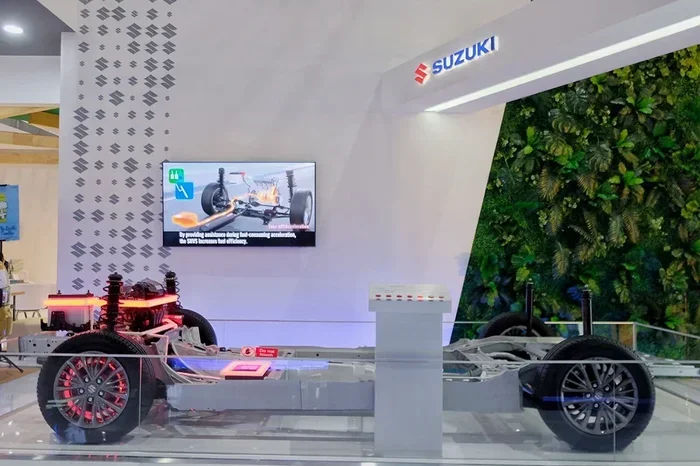
Suzuki has embraced hybrid technology with impressive results. Their mild hybrid systems pair a small electric motor with a conventional engine. The electric motor assists during acceleration and recovers energy during braking.
This energy recovery process is key to Suzuki’s hybrid efficiency. When you lift off the gas pedal, the motor acts as a generator. It converts kinetic energy back into electrical energy stored in a small battery. That energy is then reused to support the engine.
Suzuki’s full hybrid systems go even further. They can power the car on electricity alone at low speeds. This is perfect for stop-and-go city driving where fuel waste is highest. The Suzuki hybrid system seamlessly switches between electric and gas power without any input from the driver.
Real-World Fuel Savings
Owners of Suzuki hybrid models consistently report excellent real-world fuel economy. In city driving, some Suzuki hybrids achieve over 50 miles per gallon. Even on the highway, the numbers stay impressively strong.
The secret lies in the seamless integration of electric and gas power. The system always chooses the most efficient source of energy. If you want to learn more about keeping your car running efficiently, read about how to cool your car down faster for additional efficiency tips.
Aerodynamics: Cutting Through the Air
Design That Reduces Drag
Every car pushes air out of the way as it drives. The harder it pushes, the more fuel it wastes. Suzuki addresses this with careful aerodynamic design. Each model is shaped to slice through the air with minimal resistance.
Suzuki engineers use wind tunnel testing to refine every curve. The hood slopes gently. The roofline flows smoothly into the trunk. Even the underside of the car is flattened to reduce turbulence. All of this adds up to less drag and better vehicle efficiency.
Small details matter too. Flush-mounted mirrors, sealed gaps, and aerodynamic wheels all contribute. Suzuki leaves nothing to chance when it comes to reducing air resistance.
Active Aerodynamic Features
Some newer Suzuki models include active aerodynamic elements. Adjustable spoilers and air shutters open or close based on driving conditions. At highway speeds, these features reduce drag even further.
At lower speeds, the shutters close to keep the engine cool. This adaptive approach ensures optimal efficiency across all driving situations. It is a perfect example of Suzuki innovation in action.
Eco-Friendly Engineering Beyond the Engine
Sustainable Manufacturing Practices
Suzuki’s commitment to efficiency extends beyond the vehicle itself. Their manufacturing plants use eco-friendly processes that reduce waste and energy consumption. Solar panels, water recycling, and recycled materials are all part of the picture.
Suzuki also focuses on reducing the environmental impact of their supply chain. They work with suppliers who share their commitment to sustainability. This holistic approach makes Suzuki efficiency a brand-wide philosophy, not just a technical specification.
Low Emissions and Clean Burning
Suzuki engines are designed to produce fewer harmful emissions. Advanced catalytic converters and precise fuel control keep exhaust clean. This helps Suzuki meet strict emissions standards in markets around the world.
Lower emissions also mean better air quality for everyone. When you choose a Suzuki, you are choosing a vehicle that respects both your wallet and the environment. To keep your car running clean, consider learning about how to protect your car paint and maintain its exterior longevity.
Driving Habits That Maximize Suzuki Efficiency
Tips for Getting the Most from Your Suzuki
Even the best-engineered car benefits from smart driving habits. Here are practical tips to boost your Suzuki’s fuel efficiency:
- Accelerate smoothly: Gentle acceleration uses less fuel than jackrabbit starts.
- Maintain steady speeds: Cruise control on highways keeps your engine running efficiently.
- Keep tires properly inflated: Under-inflated tires create rolling resistance that wastes fuel.
- Remove excess weight: Clean out your trunk and back seat to reduce load.
- Use air conditioning wisely: At low speeds, open windows instead of using AC.
- Follow the maintenance schedule: Regular oil changes and air filter replacements keep the engine running clean.
Common Mistakes That Hurt Efficiency
Avoiding these habits will help you get the most out of your Suzuki:
- Idling too long: Turn off the engine if you are parked for more than a minute.
- Overloading the vehicle: Check how much weight your car can carry and stay within limits.
- Ignoring dashboard warnings: Check engine lights and fuel system alerts should never be ignored.
- Using the wrong oil: Always use the grade recommended by Suzuki for optimal engine performance.
Quick Tips for Daily Efficiency
Here are some quick habits that make a big difference over time:
- Park in the shade to reduce cabin heat and AC use.
- Plan errands to combine trips and reduce cold starts.
- Use navigation apps to avoid traffic and unnecessary idling.
- Keep your windows clean for better visibility and confidence at highway speeds.
- Remove roof racks when not in use to reduce aerodynamic drag.
For more car care tips, check out how to remove salt stains from car glass to keep your vehicle looking and running its best.
Suzuki Efficiency Across the Model Range
Compact Cars Leading the Way
Suzuki’s compact cars are the backbone of their efficiency lineup. Models like the Suzuki Swift and Suzuki Ignis deliver exceptional fuel economy in a small package. These cars are perfect for city driving, commuting, and everyday errands.
The Swift, in particular, has become a global favorite for its balance of style, efficiency, and fun-to-drive character. Suzuki engineers stripped away everything unnecessary and focused on what matters most: a lightweight chassis, a refined engine, and smart aerodynamics.
SUVs That Don’t Guzzle Fuel
You might expect SUVs to be thirsty, but Suzuki proves otherwise. The Suzuki Vitara and Suzuki S-Cross offer SUV versatility with surprisingly good fuel economy. Their efficient engines and lightweight construction keep fuel consumption in check.
For buyers who need more space without sacrificing efficiency, Suzuki’s SUV lineup is a compelling choice. These vehicles demonstrate that smart engineering can overcome the traditional efficiency gap between sedans and SUVs.
Hybrid Models Setting New Standards
Suzuki’s hybrid models represent the cutting edge of their efficiency story. The Suzuki Swift Sport Hybrid and Suzuki Vitara Hybrid combine the best of both worlds: electric assist for city driving and a gas engine for highway cruising.
These models prove that Suzuki innovation is not just about small engines. It is about integrating multiple technologies to create a whole that is greater than the sum of its parts.
Expert Insights on Suzuki’s Engineering Philosophy
What Engineers Say
Suzuki’s chief engineers often emphasize a simple principle: efficiency through simplicity. Rather than adding complex systems, Suzuki focuses on making each component work better. This philosophy has led to some of the most reliable and efficient engines in the industry.
According to Suzuki’s engineering team, the key to vehicle efficiency is treating every gram and every cubic centimeter as precious. When you design with that mindset, waste disappears, and performance improves naturally.
The Future of Suzuki Efficiency
Suzuki continues to invest in next-generation efficiency technologies. Research into lighter materials, improved battery technology, and advanced engine designs promises even better fuel economy in future models.
The company is also exploring plug-in hybrid options that could further reduce fuel consumption. As emissions regulations tighten worldwide, Suzuki’s focus on efficiency positions them well for the future of automotive engineering.
Conclusion
How Suzuki Achieves Efficiency With Smart Engineering is a story of thoughtful design, advanced technology, and a commitment to doing more with less. From lightweight construction to hybrid systems, from aerodynamic bodies to refined combustion engines, every element of a Suzuki vehicle is optimized for fuel efficiency.
Suzuki proves that you do not need a massive engine or a heavy frame to deliver a great driving experience. Their smart engineering approach shows that efficiency and enjoyment can go hand in hand. Whether you drive a compact Suzuki or a hybrid SUV, you benefit from decades of focused innovation.
The next time you see a Suzuki on the road, remember all the clever engineering hiding beneath the skin. And if you want to keep your own Suzuki running at its best, stay on top of maintenance, drive smart, and enjoy the efficiency that Suzuki engineers worked so hard to deliver.
Frequently Asked Questions
What makes Suzuki engines so fuel efficient?
Suzuki engines use small displacement, direct fuel injection, and variable valve timing to maximize combustion efficiency. These technologies work together to extract more power from less fuel, resulting in outstanding miles per gallon across the model range.
Does Suzuki offer hybrid vehicles?
Yes, Suzuki offers both mild hybrid and full hybrid options. Their hybrid systems use a small electric motor to assist the gas engine and recover energy during braking. This delivers significant fuel savings, especially in city driving conditions.
How does Suzuki’s lightweight design improve efficiency?
Lighter vehicles require less energy to accelerate and maintain speed. Suzuki uses high-strength steel, aluminum, and engineered plastics to keep weight down without sacrificing safety or durability. This directly translates to better fuel economy.
Are Suzuki SUVs as efficient as their compact cars?
Suzuki SUVs are surprisingly efficient for their class. Through lightweight construction, aerodynamic design, and efficient engines, models like the Suzuki Vitara and Suzuki S-Cross deliver fuel economy that rivals many sedans.
Can driving habits really affect Suzuki fuel efficiency?
Absolutely. Smooth acceleration, steady speeds, proper tire inflation, and regular maintenance all contribute to better fuel economy. Even small changes in driving habits can make a noticeable difference over time.
What is Suzuki’s approach to reducing vehicle emissions?
Suzuki uses advanced catalytic converters, precise fuel injection, and hybrid technology to minimize emissions. Their manufacturing processes also focus on sustainability, making their approach to clean driving comprehensive and holistic.