Car Headlight Bulbs 100 90 Best Picks for Every Driver
Choosing the right car headlight bulbs 100 90 can transform your night driving experience. These bulbs offer a balanced wattage that delivers strong low beams and powerful high beams. In this guide, we break down the best picks, key features, and buying tips so you can make a confident choice.
Driving at night can be stressful. Poor visibility makes every road feel uncertain. That is where car headlight bulbs 100 90 come into play. These bulbs are designed to give you a clear view of the road ahead. They balance power and efficiency in a way that keeps you safe.
Whether you drive a sedan, SUV, or truck, the right bulb makes all the difference. Not every bulb fits every car, though. That is why we put together this complete guide. You will learn what makes car headlight bulbs 100 90 special, which types work best, and how to pick the perfect set for your vehicle.
We will also cover installation tips, common mistakes, and expert recommendations. By the end of this article, you will feel confident choosing and installing the right bulbs. Let us get started.
Key Takeaways
- Balanced Performance: Car headlight bulbs 100 90 deliver reliable brightness for both low and high beam settings.
- Easy Installation: Most models fit standard sockets and require no wiring modifications.
- Multiple Options: You can choose from halogen, LED, and xenon styles depending on your budget and needs.
- Safety First: Upgrading to quality bulbs improves road visibility and reduces nighttime accident risk.
- Check Compatibility: Always verify your vehicle model and socket type before purchasing.
- Longevity Matters: Premium bulbs last longer and maintain brightness over time.
📑 Table of Contents
What Are Car Headlight Bulbs 100 90?
The name “100 90” refers to the wattage rating of these bulbs. The first number stands for the high beam wattage. The second number stands for the low beam wattage. So a 100 90 bulb uses 100 watts on high beam and 90 watts on low beam. This balance gives you strong light without overloading your electrical system.
These bulbs are most commonly found in H10, H11, and H13 socket types. They are popular in many European and Asian vehicle models. The dual-wattage design means one bulb handles both low and high beams. This setup simplifies the headlight system and keeps things clean inside the housing.
How Do They Work?
Inside the bulb, a filament heats up when electricity flows through it. In halogen bulbs, a gas mix surrounds the filament. This gas helps the filament last longer. When you switch to high beam, more power flows to the filament. It glows brighter and hotter. When you switch back to low beam, the power drops. The filament dims slightly but still provides solid road coverage.
LED versions of car headlight bulbs 100 90 work differently. They use diodes that emit light when powered. These bulbs run cooler and use less energy. They also tend to last much longer than halogen options.
Why Upgrade Your Headlight Bulbs?
Factory-installed bulbs often fall short over time. They dim as they age. Road grime and moisture can cloud the headlight housing too. Upgrading your bulbs brings back that crisp, bright light. It also improves your overall driving safety.
Better Visibility on the Road
Stronger bulbs light up more of the road. You can see obstacles, animals, and debris sooner. This extra reaction time can save lives. Many drivers report feeling more confident after upgrading their car headlight bulbs 100 90. The improved beam pattern also reduces glare for oncoming traffic.
Improved Aesthetic Appeal
Let us be honest. New bulbs make your car look better. Bright, white light gives your vehicle a modern look. LED and xenon bulbs especially create a sleek appearance. Even a simple halogen upgrade can make a noticeable difference in how your car presents itself.
Cost-Effective Safety Upgrade
Headlight bulbs are one of the cheapest safety upgrades you can make. A new set of quality bulbs costs far less than a full headlight assembly replacement. The return on investment is huge. You get better visibility and a safer driving experience for a small price.
Types of Car Headlight Bulbs 100 90
Not all headlight bulbs are the same. Each type has its own strengths and weaknesses. Here is a closer look at the most common options available in the 100 90 wattage range.
Halogen Bulbs
Halogen bulbs are the most traditional option. They use a tungsten filament inside a halogen gas capsule. These bulbs are affordable and widely available. Most cars come with halogen headlights from the factory.
Pros of halogen car headlight bulbs 100 90 include low cost and easy replacement. They produce a warm yellowish light that works well in fog and rain. The downside is that they do not last as long as other options. You may need to replace them every one to two years.
LED Bulbs
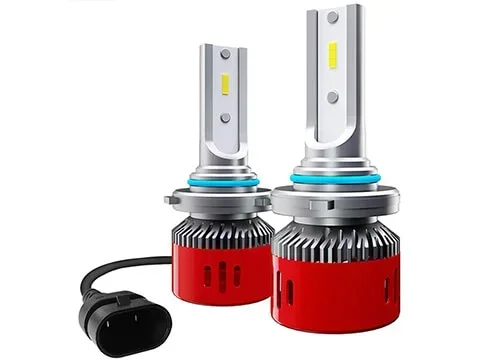
LED bulbs are the modern choice for many drivers. They use light-emitting diodes to produce bright, white light. These bulbs are energy efficient and have a long lifespan. Many drivers prefer the crisp white color of LED bulbs for night driving.
The main advantage is durability. LED car headlight bulbs 100 90 can last 30,000 hours or more. They also turn on instantly, which is a safety benefit. However, they can cost more upfront than halogen options. Some LED bulbs may also require a CANBUS decoder to avoid flickering.
Xenon (HID) Bulbs
Xenon bulbs use an electric arc between two electrodes. They produce an extremely bright, blue-white light. These bulbs were popular in luxury vehicles for many years. They offer excellent brightness and a long service life.
However, xenon car headlight bulbs 100 90 require a ballast and starter. This makes installation more complex. They also tend to be the most expensive option. For most everyday drivers, halogen or LED bulbs are the better choice.
Top Picks for Car Headlight Bulbs 100 90
With so many options on the market, choosing the right bulb can feel overwhelming. We have narrowed down the best choices based on performance, durability, and value.
| Bulb Type | Brightness (Lumens) | Lifespan (Hours) | Price Range | Best For |
|---|---|---|---|---|
| Halogen | 1,200 – 1,500 | 500 – 1,000 | $10 – $25 | Budget-friendly replacement |
| LED | 2,000 – 3,500 | 30,000+ | $30 – $80 | Long-term upgrade |
| Xenon (HID) | 3,000 – 4,500 | 2,000 – 3,000 | $50 – $120 | Maximum brightness |
Best Overall Halogen Pick
For drivers on a budget, a quality halogen car headlight bulbs 100 90 set is the way to go. Look for bulbs with a color temperature around 3,500K. This warm white light provides excellent road contrast. It also performs well in wet and foggy conditions. Sylvania and Philips are trusted brands in this category.
Best LED Upgrade
If you want the brightest and longest-lasting option, go with LED. The Cree LED chips used in premium bulbs deliver outstanding output. Choose bulbs with a fan-cooled design to prevent overheating. Brands like Auxito and BEAMTECH offer excellent LED options in the 100 90 range. They fit most standard H10 and H11 sockets easily.
Best Value Bundle
Many manufacturers sell bulbs in pairs. This is the smart choice for most drivers. Replacing both bulbs at once ensures even lighting on both sides. A matched pair also prevents one side from being noticeably brighter than the other. Look for value bundles that include both low and high beam bulbs.
How to Install Car Headlight Bulbs 100 90
Installing new headlight bulbs is easier than most people think. You do not need professional help. With the right tools and a little patience, you can do it yourself in under 30 minutes.
Tools You Will Need
- New headlight bulbs (100 90 type)
- Clean microfiber cloth
- Gloves (to avoid touching the glass)
- Screwdriver or trim removal tool
- Owner’s manual for your vehicle
Step-by-Step Installation Guide
Step 1: Turn off your engine and let the headlights cool. Hot bulbs can cause burns. Wait at least 15 minutes before starting.
Step 2: Open the hood and locate the headlight assembly. Find the bulb housing cover at the back of the headlight. It is usually held in place by a metal clip or plastic tab.
Step 3: Disconnect the electrical connector. Squeeze the clip and gently pull the connector away from the bulb base. Be careful not to yank any wires.
Step 4: Remove the old bulb. Release the retaining spring or clip that holds the bulb in place. Pull the old bulb straight out. Do not twist or force it.
Step 5: Handle the new bulb with gloves. The oils from your skin can create hot spots on the glass. These hot spots shorten the bulb’s lifespan. Hold the bulb by the plastic base only.
Step 6: Insert the new bulb into the socket. Align it properly and secure the retaining clip. Make sure the bulb is firmly seated.
Step 7: Reconnect the electrical connector. Push it firmly until you hear a click. Replace the housing cover and secure the clip.
Step 8: Test the new bulbs. Turn on your headlights and switch between low and high beam. Both beams should work correctly. If one side does not light up, double-check the connection.
Quick Tips for a Smooth Installation
- Always replace bulbs in pairs for even lighting.
- Never touch the glass part of the bulb with bare hands.
- Take photos before disassembling so you can reference them later.
- Keep your old bulbs in a safe place. They may be useful as spares.
- Clean the headlight housing before installing new bulbs. Dust and debris can reduce output.
Common Mistakes to Avoid
Even with the best bulbs, mistakes during installation or selection can cause problems. Here are the most common errors drivers make when upgrading their car headlight bulbs 100 90.
Buying the Wrong Bulb Type
This is the number one mistake. Not every bulb fits every socket. Always check your vehicle owner’s manual for the correct bulb type. H10, H11, and H13 sockets all look similar but have different pin configurations. Using the wrong bulb can damage your headlight housing or electrical system.
Touching the Glass with Bare Hands
It might seem harmless, but skin oils on the bulb glass cause serious problems. The oils create uneven heat distribution. This leads to hot spots that crack the bulb prematurely. Always use gloves or a clean cloth when handling bulbs.
Overlooking the Beam Pattern
Brightness is not everything. A bulb that is too bright can blind oncoming drivers. This is dangerous and also illegal in many areas. Choose bulbs that produce a clean, properly focused beam pattern. The best car headlight bulbs 100 90 options are designed to meet road safety standards.
Skipping the CANBUS Decoder
If you upgrade to LED bulbs, your vehicle’s computer might detect a low power draw. This can trigger error messages or cause the bulbs to flicker. A CANBUS decoder solves this problem. It mimics the original power draw and keeps your vehicle’s system happy.
Forgetting to Check the Headlight Housing
A new bulb in a cloudy or damaged housing will not perform well. Over time, UV rays and road debris cloud the plastic cover. This reduces light output significantly. Clean or replace the housing before installing new bulbs for the best results.
Expert Tips for Maximizing Bulb Performance
Getting the right bulbs is only half the battle. Proper maintenance and smart choices help you get the most out of your car headlight bulbs 100 90.
Clean Your Headlights Regularly
Dirt and road grime build up on the headlight lens over time. This film blocks light and reduces visibility. Wipe your headlights with a mild glass cleaner every time you wash your car. For cloudy lenses, use a headlight restoration kit. This simple step can boost your light output by up to 20 percent.
Check Your Wiring and Connectors
Corroded connectors reduce power delivery to the bulbs. Dim headlights can be caused by bad wiring, not a bad bulb. Inspect the connectors at the back of each headlight. Clean any corrosion with a wire brush or electrical contact cleaner. Replace any damaged wires immediately.
Consider a Headlight Upgrade Kit
If your headlight housings are old and worn, new bulbs alone may not be enough. A complete headlight upgrade kit includes new bulbs, lenses, and sometimes projectors. These kits deliver the best possible light output. They are especially useful for older vehicles with degraded factory lighting.
Align Your Headlights Properly
Even the best bulbs will not perform well if the headlights are misaligned. Headlights that point too high blind other drivers. Headlights that point too low leave the road poorly lit. Check your headlight alignment at least once a year. Many auto parts stores offer this service for free.
Know Your Local Laws
Headlight regulations vary by state and country. Some areas restrict the color temperature of bulbs you can use. Others have brightness limits. Always make sure your car headlight bulbs 100 90 comply with local regulations. This keeps you legal and keeps other drivers safe.
Conclusion
Choosing the right car headlight bulbs 100 90 is one of the simplest and most impactful upgrades you can make. Better visibility means safer driving. A brighter, whiter light makes every nighttime trip more comfortable and confident.
Whether you choose halogen for affordability or LED for long-term performance, the key is finding the right fit for your vehicle. Always check compatibility, handle bulbs with care, and follow proper installation steps. With the right bulbs and a little maintenance, you will enjoy a clearer view of the road for years to come.
Do not wait until your old bulbs burn out. Upgrade today and experience the difference quality lighting makes. Your eyes and your passengers will thank you.
Frequently Asked Questions
Can I use car headlight bulbs 100 90 in any vehicle?
Not every vehicle uses the 100 90 bulb type. You need to check your owner’s manual or look at the existing bulb markings. Common socket types include H10, H11, and H13. Always confirm the socket and wattage match before purchasing new bulbs.
How long do car headlight bulbs 100 90 typically last?
Halogen bulbs in this range usually last between 500 and 1,000 hours. LED versions can last 30,000 hours or more. Xenon bulbs fall in between, lasting around 2,000 to 3,000 hours. Your driving habits and conditions also affect lifespan.
Are LED car headlight bulbs 100 90 worth the extra cost?
Yes, for most drivers. LED bulbs last significantly longer and use less energy. They also produce brighter, whiter light that improves nighttime visibility. The higher upfront cost pays for itself over time through longer lifespan and lower replacement frequency.
Do I need any special tools to replace headlight bulbs?
No special tools are required. You just need a clean cloth or gloves, and possibly a screwdriver to remove the housing cover. The process is straightforward and takes about 15 to 30 minutes for most vehicles.
Why do my new headlight bulbs flicker after installation?
Flickering is often caused by a CANBUS error. This happens when the vehicle’s computer detects a different power draw than expected. Installing a CANBUS decoder or resistor solves this issue. It is a common problem with LED bulb upgrades.
Can I mix different bulb types in my headlights?
It is best to use the same bulb type and brand on both sides. Mixing different types can create uneven lighting. One side may appear brighter or have a different color temperature. This can be distracting and reduce overall visibility.