How Much Can a Subaru Forester Tow Full Capacity Guide
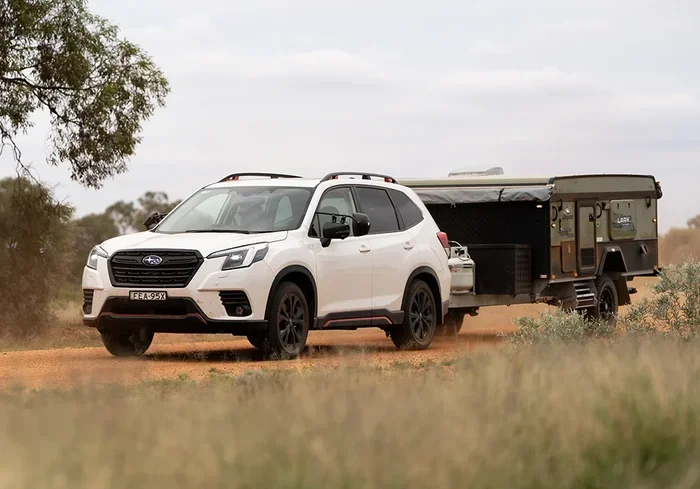
The Subaru Forester towing capacity typically ranges from 1,000 to 1,500 pounds depending on the model year and trim level. Understanding your Forester’s towing limits is essential for safety and avoiding costly damage. This guide breaks down the numbers by trim, year, and configuration so you can tow with confidence.
If you own a Subaru Forester or are thinking about buying one, you might be wondering about its towing abilities. Whether you plan to haul a small trailer, a boat, or some camping gear, knowing the Subaru Forester towing capacity is essential. This guide covers everything you need to know about how much weight your Forester can safely tow.
The good news is that the Forester is a capable compact SUV that can handle light to moderate towing tasks. However, it is not built for heavy-duty towing like larger trucks or full-size SUVs. Understanding the limits helps you stay safe on the road and protects your vehicle from unnecessary wear and tear. Let us dive into the details.
Key Takeaways
- Maximum Towing Capacity: Most Subaru Forester models can tow between 1,000 and 1,500 pounds when properly equipped.
- Trim Level Matters: Higher trims and newer model years often have higher towing limits due to improved suspension and engine tuning.
- Towing Package Is Key: Adding a towing package can significantly increase your Forester’s safe towing weight.
- Safety First: Always stay well below the maximum towing limit to account for tongue weight, cargo, and road conditions.
- Check Your Owner’s Manual: The exact towing capacity varies by year and trim, so always verify with your specific vehicle’s documentation.
- Hitch Installation: A properly installed hitch receiver is essential for safe and legal towing.
📑 Table of Contents
Subaru Forester Towing Capacity Overview
The towing weight limit for a Subaru Forester depends on several factors. These include the model year, trim level, engine type, and whether the vehicle has a towing package installed. In general, most Forester models fall within the 1,000 to 1,500-pound towing range.
This makes the Forester a great choice for pulling small utility trailers, jet skis, ATVs, or a modest camper. It is not designed for hauling large travel trailers or heavy equipment. If you need heavier towing capacity, you might want to look at trucks or larger SUVs.
What Affects Towing Capacity?
Several factors influence how much your Forester can tow safely:
- Engine Output: The Forester’s engine produces a specific amount of horsepower and torque that limits towing ability.
- Transmission Type: The continuously variable transmission (CVT) in most Foresters handles towing differently than traditional automatics.
- Suspension and Frame: The Forester’s unibody construction sets a ceiling on how much weight it can pull.
- Towing Equipment: A proper hitch, wiring harness, and braking system all contribute to safe towing.
- Payload vs. Towing: Your Forester also has a payload capacity that affects how much weight it can carry inside plus what it pulls behind.
Always remember that maximum towing capacity assumes an unloaded vehicle with just the driver. Adding passengers, gear, and cargo inside the vehicle reduces the safe towing weight.
Towing Capacity by Model Year and Trim
The Subaru Forester towing capacity has evolved over the years. Here is a general breakdown by generation and trim level:
Recent Model Years (2019 and Newer)
Newer Subaru Forester models, especially those from 2019 onward, typically have a towing capacity of around 1,500 pounds. The 2.5-liter naturally aspirated engine provides enough power for light towing duties. Higher trims like the Touring and Wilderness may have slightly different ratings based on equipment and suspension setup.
If your Forester came with a factory towing package, the capacity may be at the higher end of the range. Always check the sticker on your door jamb or the owner’s manual for the exact number.
Older Model Years (2013 to 2018)
Earlier Forester models generally have a towing capacity closer to 1,000 to 1,200 pounds. The engines in these years are slightly less powerful than newer versions. If you own an older Forester, be extra cautious about towing weight and always refer to your specific owner’s manual.
Comparing with the Subaru Crosstrek
If you are considering alternatives, you might wonder how the Forester stacks up against the Subaru Crosstrek. The Crosstrek has a similar towing capacity in the 1,000 to 1,500-pound range. Both vehicles are designed for light towing and outdoor adventures rather than heavy hauling. You can read more about Crosstrek towing in our dedicated guide.
What You Need to Tow Safely
Towing with a Subaru Forester requires the right equipment and preparation. Simply attaching a trailer is not enough. You need to ensure everything is set up correctly for a safe trip.
Hitch and Receiver
A Class I or Class II hitch receiver is the standard for the Forester. These hitches are designed for lighter towing loads and bolt onto the vehicle’s frame or rear bumper. Make sure the hitch is rated for your intended towing weight and is installed by a professional.
Most Forester owners use a weight-distributing hitch for better stability. This type of hitch helps spread the trailer’s tongue weight across all four wheels, improving handling and braking.
Trailer Brakes and Lighting
If your trailer exceeds 1,000 pounds, many states require trailer brakes. Make sure your towing setup includes proper wiring for brake lights and turn signals. A trailer wiring harness plugs into your Forester’s electrical system and ensures your trailer is visible to other drivers.
Tires and Suspension
Check your tire pressure before every towing trip. Underinflated tires can overheat and fail under heavy loads. The Forester’s suspension is designed for everyday driving, so adding towing stress means you should drive more carefully and allow extra stopping distance.
Chains and Safety Cables
Always use safety chains when towing. These provide a backup connection if the hitch fails. For those who also face winter weather conditions, you might want to check whether you can safely equip your Forester with traction chains, as this affects overall vehicle stability.
Tips for Towing with a Subaru Forester
Towing with a compact SUV like the Forester requires some adjustments to your driving habits. Here are practical tips to make your towing experience safer and more enjoyable.
1. Know Your Total Weight
Before you tow, calculate the combined weight of your trailer, cargo, and passengers. The gross combined weight (GCW) should never exceed your Forester’s rated capacity. Remember that the cargo inside the vehicle counts toward your total load as well.
2. Distribute Weight Evenly
Improper weight distribution is one of the leading causes of trailer sway. Place heavier items over the axle and lighter items toward the front of the trailer. The ideal tongue weight should be about 10 to 15 percent of the total trailer weight.
3. Drive Slower
When towing, reduce your speed by 10 to 15 miles per hour compared to normal driving. The Forester’s engine works harder under load, and higher speeds increase the risk of overheating and loss of control.
4. Increase Following Distance
A loaded trailer adds significant weight and changes your braking distance. Allow at least double the normal following distance so you have time to stop safely.
5. Avoid Sudden Maneuvers
Smooth driving is key when towing. Avoid sharp turns, sudden braking, and quick lane changes. These maneuvers can cause the trailer to swing or destabilize the vehicle.
6. Practice Before Your Trip
If you are new to towing, practice in an empty parking lot before hitting the highway. Get a feel for how the Forester handles with a trailer attached, including turning, backing up, and braking.
Common Towing Mistakes to Avoid
Even experienced drivers make towing mistakes. Here are some common errors Forester owners should avoid:
- Exceeding the Towing Limit: Pushing your Forester beyond its rated capacity puts stress on the engine, transmission, and brakes. This can lead to expensive repairs or dangerous situations on the road.
- Ignoring Tongue Weight: Too much or too little tongue weight causes trailer sway or poor handling. Always aim for the 10 to 15 percent range.
- Skipping Maintenance: Towing puts extra strain on your vehicle. Stay on top of oil changes, brake inspections, and tire rotations.
- Not Checking Local Laws: Towing regulations vary by state and jurisdiction. Some areas require specific equipment or have weight restrictions on certain roads.
- Overloading the Cabin: Remember that how much weight you can put in your car matters too. Overloading the cabin reduces stability and affects towing performance.
One of the biggest mistakes is assuming all Forester models tow the same amount. Always verify your specific vehicle’s capacity using the owner’s manual or the door jamb sticker.
How to Maximize Your Forester’s Towing Potential
If you want to get the most out of your Subaru Forester’s towing ability, follow these steps:
- Install a Factory Tow Package: If available for your model year, the factory tow package includes a heavy-duty hitch, wiring harness, and cooling upgrades.
- Upgrade Your Tires: All-terrain tires provide better grip and stability when towing, especially on uneven or wet roads.
- Add a Transmission Cooler: Towing generates extra heat in the transmission. A transmission cooler helps maintain optimal operating temperatures.
- Use the Right Gear: When towing uphill, use a lower gear to reduce strain on the engine. On downhill grades, use engine braking rather than riding the brakes.
- Monitor Your Temperatures: Keep an eye on the temperature gauge during long towing trips. If the engine overheats, pull over and let it cool down.
Taking these steps not only improves towing performance but also extends the life of your Forester. Regular maintenance and smart towing practices go a long way.
Expert Insights on Subaru Forester Towing
From years of experience, here are some expert tips that make a real difference when towing with a Forester:
Start with the right trailer. A lightweight trailer with aerodynamic design reduces drag and makes towing much easier. Avoid tall or wide trailers that catch the wind and destabilize the vehicle.
Balance your load. The best towing setups have 60 percent of the cargo weight in the front half of the trailer and 40 percent in the rear. This prevents the trailer from fishtailing and keeps the Forester stable.
Check the weather. Towing in rain, snow, or high winds is significantly more dangerous. If conditions are poor, consider delaying your trip. For winter towing, make sure you understand whether chains are needed and whether your Forester can accommodate them.
Know when to upgrade. If you regularly tow loads near or above the Forester’s maximum capacity, it might be time to consider a larger vehicle. The Forester excels at light towing, and pushing it beyond its limits defeats the purpose of having a capable yet efficient compact SUV.
Final Thoughts
The Subaru Forester is a versatile and reliable compact SUV that handles light towing with ease. With a towing capacity of 1,000 to 1,500 pounds, it is perfect for weekend adventures, hauling small trailers, and transporting outdoor gear. The key is to stay within the limits, use proper equipment, and practice safe towing habits.
Always refer to your owner’s manual for the exact towing specifications of your specific Forester model. When in doubt, consult a certified Subaru mechanic or dealer. They can help you verify your vehicle’s capacity and recommend the right towing setup for your needs.
Towing should be a fun and safe experience. With the right knowledge and preparation, your Subaru Forester will serve you well on every trip. Happy towing!
Frequently Asked Questions
What is the maximum towing capacity of a Subaru Forester?
Most Subaru Forester models can tow between 1,000 and 1,500 pounds depending on the model year and trim level. Always check your owner’s manual for the exact capacity of your specific vehicle.
Can a Subaru Forester tow a trailer?
Yes, a Subaru Forester can tow a trailer within its rated capacity. The Forester is well-suited for small utility trailers, jet skis, and light camping gear. For more details on trailer towing specifically, check our guide on whether a Subaru Forester can tow a trailer.
Do I need a towing package to tow with a Subaru Forester?
A factory towing package is not always required but is highly recommended. It includes a hitch receiver, wiring harness, and sometimes cooling upgrades that make towing safer and more efficient.
How does tongue weight affect towing safety?
Tongue weight is the downward force the trailer puts on the hitch. It should be 10 to 15 percent of the total trailer weight. Too much tongue weight causes instability, while too little can lead to trailer sway.
Can I tow with a Subaru Forester in winter conditions?
Yes, but you should exercise extra caution. Reduce speed, increase following distance, and ensure your tires are appropriate for winter driving. You may also need traction chains depending on road conditions.
What happens if I exceed the Subaru Forester towing capacity?
Exceeding the towing limit can damage the engine, transmission, brakes, and suspension. It also increases the risk of accidents. Always stay within the manufacturer’s recommended towing capacity for safety.
=== CONCLUSION ===
The Subaru Forester towing capacity makes it a reliable companion for light towing needs. Whether you are heading to the campsite or hauling your weekend gear, knowing your limits keeps you and your vehicle safe. Follow the tips in this guide, invest in proper equipment, and enjoy every tow with confidence.