How Do I Check My Remaining Vehicle Warranty Today
Checking your remaining vehicle warranty is simple once you know where to look. You can verify your warranty status online, contact your dealer, or review your original paperwork. This guide walks you through every method so you never miss out on warranty coverage you deserve.
So you bought a car and someone told you it comes with a warranty. Great. But do you actually know how much of that warranty is left? If you are like most car owners, the answer is probably “not really.”
Checking your remaining vehicle warranty does not have to be complicated. Whether you want to verify your factory warranty, look up your powertrain coverage, or figure out if you still have bumper-to-bumper protection, this guide has you covered. We will walk you through every method step by step.
Knowing your warranty status saves you money and stress. It also helps you make smart decisions about repairs and maintenance. Let us dive in and find out exactly how to check what is still covered.
Key Takeaways
- Multiple ways to check: Use online portals, call your dealer, or review your warranty booklet to find your remaining coverage.
- Know your warranty types: Understand the difference between bumper-to-bumper and powertrain coverage to see what still applies.
- Keep records safe: Always store your warranty documents and service records in a secure place for easy reference.
- Act before expiration: File any warranty claims well before your warranty period ends to avoid losing coverage.
- Dealer service matters: Regular maintenance at an authorized dealer helps keep your warranty valid and active.
- Transfer options exist: Some warranties can transfer to a new owner if you sell your vehicle before coverage ends.
📑 Table of Contents
- Why Checking Your Remaining Warranty Matters
- Types of Vehicle Warranties You Should Know
- How to Check Your Remaining Warranty Online
- How to Check Your Warranty Through Your Dealer
- How to Check Your Warranty Using Your Vehicle’s Infotainment System
- Common Mistakes People Make With Vehicle Warranties
- What to Do If Your Warranty Has Expired
- Tips to Maximize Your Warranty Coverage
- Frequently Asked Questions
- Final Thoughts
Why Checking Your Remaining Warranty Matters
Your vehicle warranty is like an insurance policy for your car. It covers certain repairs and replacements during a set time period or mileage limit. But here is the thing — most people forget about it until something breaks. By then, the coverage might be gone.
Checking your warranty coverage early gives you a clear picture of what is protected. You will know exactly which parts and systems are included. You will also know how many miles or months you have left before the warranty expires.
There are several reasons why staying on top of your warranty details is important:
- Cost savings: You avoid paying out of pocket for repairs that should be covered.
- Peace of mind: You drive confidently knowing your vehicle is protected.
- Resale value: A transferable warranty can make your car more attractive to buyers.
- Maintenance planning: You can schedule service appointments before coverage ends.
Many car owners do not realize they can take their vehicle to any authorized dealership for warranty work. This is especially helpful if you moved or if your original dealer closed. Understanding your options makes the whole process much smoother.
Types of Vehicle Warranties You Should Know
Before you check your remaining warranty, it helps to understand what type of warranty you have. Different warranties cover different things. Let us break them down.
Bumper-to-Bumper Warranty
This is the most comprehensive factory warranty. It covers almost every component of your vehicle from front bumper to rear bumper. Things like electrical systems, air conditioning, infotainment, and brakes are typically included.
Most bumper-to-bumper warranties last for 3 years or 36,000 miles. Some manufacturers extend this to 5 years or 60,000 miles. Always check your specific warranty terms to confirm the exact coverage period.
Powertrain Warranty
The powertrain warranty covers the parts that make your car move. This includes the engine, transmission, and drivetrain. It is usually the longest warranty offered by manufacturers.
Many automakers provide a powertrain warranty for 5 years or 60,000 miles. Some brands go even longer. For example, certain models offer 10-year or 100,000-mile powertrain coverage. This type of warranty protection is especially valuable because powertrain repairs are among the most expensive.
Roadside Assistance Warranty
Some new vehicles come with roadside assistance coverage. This includes towing, flat tire changes, jump starts, and lockout services. The coverage period is often shorter than the bumper-to-bumper warranty.
Corrosion Warranty
This warranty covers rust and corrosion on specific body panels. It typically lasts longer than the bumper-to-bumper warranty, sometimes up to 7 years or more.
Hybrid and Electric Vehicle Warranties
If you drive a hybrid or electric vehicle, you may have a special battery warranty. These often last 8 years or 100,000 miles. The warranty coverage for high-voltage batteries is an important consideration for EV and hybrid owners.
How to Check Your Remaining Warranty Online
The fastest way to check your remaining warranty is online. Most manufacturers offer a warranty lookup tool on their official website. Here is how to do it.
Step 1: Gather Your Vehicle Information
Before you start, collect the following details:
- Vehicle Identification Number (VIN): You can find this on your dashboard near the windshield or on your driver-side door jamb.
- Registration details: Your state-issued registration card has the relevant information.
- Purchase date: Know when you first bought or registered the vehicle.
Having your VIN ready is the most important step. The VIN uniquely identifies your vehicle and links it to your warranty records.
Step 2: Visit the Manufacturer’s Warranty Portal
Go to the official website of your car’s manufacturer. Look for a “Warranty” or “Owner” section. Many brands like Toyota, Ford, Honda, and Chevrolet have dedicated warranty lookup pages.
Enter your VIN into the search tool. The system will pull up your warranty details, including start date, mileage, and remaining coverage. This is the quickest way to see exactly what is still active.
Step 3: Review Your Coverage Details
Once the results appear, review each type of warranty listed. Check the expiration date and mileage limit for each coverage type. Make a note of anything that is close to expiring so you can act on it.
If you have trouble finding the warranty lookup tool, try calling the manufacturer’s customer service line. They can also help you check your warranty status over the phone.
How to Check Your Warranty Through Your Dealer
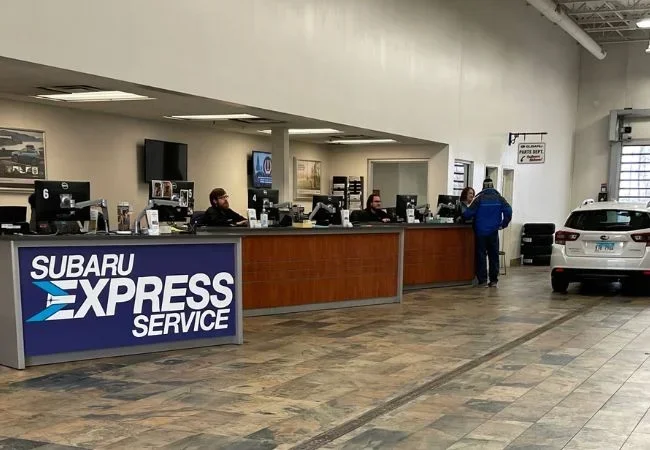
Your local dealership is another excellent resource for checking your remaining warranty. Dealers have access to the manufacturer’s warranty database and can look up your vehicle in minutes.
Call or Visit Your Dealer
Give your dealer a call with your VIN ready. The service desk can pull up your warranty information quickly. You can also visit in person if you prefer face-to-face communication.
Many dealers offer online service portals where you can schedule appointments and check your warranty status. Some brands even send email or text reminders when your warranty is approaching expiration.
If you are wondering whether you can take your car to a different dealer for warranty service, the answer is often yes. You can take your Toyota to any dealership for service in many cases, but it is always best to confirm with your specific manufacturer first.
What to Ask Your Dealer
When you contact your dealer, ask these key questions:
- What types of warranty are still active on my vehicle?
- When does each warranty expire (date and mileage)?
- Are there any open warranty claims or recalls on my vehicle?
- What maintenance is required to keep my warranty valid?
- Can I transfer the warranty if I sell the vehicle?
Getting clear answers to these questions gives you full control over your warranty situation.
How to Check Your Warranty Using Your Vehicle’s Infotainment System
Modern vehicles come loaded with technology. Many newer models let you check warranty information directly from the dashboard screen.
Navigate to the Vehicle Info Section
On most infotainment systems, go to “Settings” or “Vehicle Information.” Look for a section labeled “Warranty,” “Maintenance,” or “Vehicle Status.” The exact path varies by manufacturer.
For Toyota owners, you can also explore features like Google Maps integration and connected services through the infotainment system, which sometimes provide access to service and warranty-related information.
Use the Manufacturer’s Mobile App
Many car brands now offer mobile apps that connect to your vehicle. These apps often include warranty tracking features. You can check your coverage, receive maintenance reminders, and even schedule service appointments right from your phone.
Apps like Toyota’s “MyT” or Ford’s “FordPass” make it incredibly easy to stay on top of your warranty details. Download the app, create an account, and link your vehicle using the VIN.
Common Mistakes People Make With Vehicle Warranties
Avoiding these mistakes can save you from losing valuable warranty coverage. Here are the most common errors car owners make.
Skipping Regular Maintenance
One of the biggest mistakes is failing to follow the recommended maintenance schedule. If you skip oil changes or other scheduled services, the manufacturer can deny a warranty claim. Keep detailed records of every service visit.
Ignoring Warning Lights
If a warning light comes on, do not ignore it. Addressing issues early can prevent bigger problems and protect your warranty coverage. For example, if you notice your check engine light, it is wise to investigate promptly. Driving with certain warning lights on for too long could potentially void specific warranty claims.
For instance, many owners wonder whether they can safely drive with the check engine light on. The answer depends on the severity, but getting it checked quickly is always the best move for your warranty and your vehicle.
Not Reading the Fine Print
Every warranty has specific terms and conditions. Some exclusions include wear-and-tear items, damage from accidents, or modifications made to the vehicle. Read your warranty booklet carefully so you know exactly what is and is not covered.
Waiting Too Long to File a Claim
If something goes wrong, do not wait. File your warranty claim as soon as possible. Delaying could result in the claim being denied if the warranty has expired by the time you submit it.
What to Do If Your Warranty Has Expired
Sometimes your warranty expires before you need it. That does not mean you are out of options. Here are some things you can do if your warranty coverage has ended.
- Purchase an extended warranty: Third-party providers offer extended coverage plans that can protect your vehicle after the factory warranty ends.
- Check for open recalls: Even after a warranty expires, manufacturers may still honor recalls for safety-related issues.
- Keep maintenance records: Detailed service records can help you if you decide to sell the vehicle or purchase an extended warranty later.
- Consider a vehicle service contract: These contracts work similarly to extended warranties and can cover repair costs for older vehicles.
Staying proactive about your vehicle’s health, even after the warranty ends, is the best way to avoid costly surprises. Regular inspections and timely repairs go a long way in keeping your car running smoothly.
Tips to Maximize Your Warranty Coverage
You worked hard to get that warranty. Make sure you get the most out of it with these practical tips.
Keep All Service Records
Store every receipt and service report from authorized dealers. These records prove you maintained the vehicle properly. They are essential if you ever need to dispute a warranty claim.
Use Genuine Parts
When repairs are needed under warranty, insist on genuine manufacturer parts. Aftermarket parts can sometimes void specific warranty coverage on the repaired component.
Know Your Mileage
Track your mileage regularly. Most warranties are mileage-based, so staying aware of where you stand helps you plan service appointments and claims before coverage runs out.
Set Reminders
Use your phone or calendar to set reminders for upcoming warranty milestones. This helps you stay ahead of expiration dates and maintenance deadlines.
Frequently Asked Questions
Can I check my vehicle warranty online for free?
Yes, most manufacturers offer free online warranty lookup tools. You simply need your VIN and basic vehicle information. Visit the manufacturer’s official website and look for the warranty or owner portal section.
What happens if I lose my warranty paperwork?
Do not worry. Your warranty is tied to your VIN, not a physical document. You can always contact your dealer or the manufacturer with your VIN to retrieve your warranty details. It is also a good idea to keep digital copies of all paperwork as a backup.
Does my warranty transfer if I sell my car?
Some factory warranties are transferable to the new owner. This can increase the resale value of your vehicle. Check your warranty terms or ask your dealer to confirm whether your specific coverage is transferable and if there are any transfer fees.
Can I still file a warranty claim if I missed a scheduled service?
It depends on the manufacturer’s policy and the nature of the repair. Some missed services may not affect unrelated warranty claims. However, skipping recommended maintenance can give the manufacturer grounds to deny a claim. Always follow the maintenance schedule to protect your coverage.
How long does a typical vehicle warranty last?
Most factory warranties include a bumper-to-bumper coverage period of 3 years or 36,000 miles and a powertrain warranty of 5 years or 60,000 miles. Some manufacturers offer longer coverage. Hybrid and EV battery warranties often extend to 8 years or 100,000 miles.
Is there a difference between a warranty and a service plan?
Yes. A warranty covers repairs for defective parts and systems. A service plan covers routine maintenance like oil changes and tire rotations. Some manufacturers bundle both together, but they are separate agreements with different terms and conditions.
Final Thoughts
Checking your remaining vehicle warranty is one of the simplest yet most valuable things you can do as a car owner. It takes just a few minutes but can save you thousands of dollars in unexpected repair costs.
Whether you use the online portal, call your dealer, or check through your infotainment system, the key is to do it proactively. Do not wait until something breaks. Know your warranty coverage now so you are prepared for whatever comes next.
Keep your records organized, follow the maintenance schedule, and stay informed about your warranty status. Your vehicle is a significant investment, and your warranty is there to protect that investment. Take advantage of it while it lasts.
Start checking your warranty today. You might be surprised by how much coverage you still have left. And if you ever need to take your vehicle in for service, remember that options like warranty work at any authorized dealership are often available to make the process easier for you.